

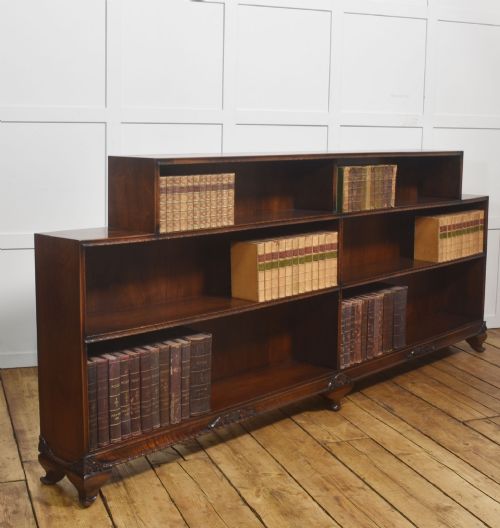
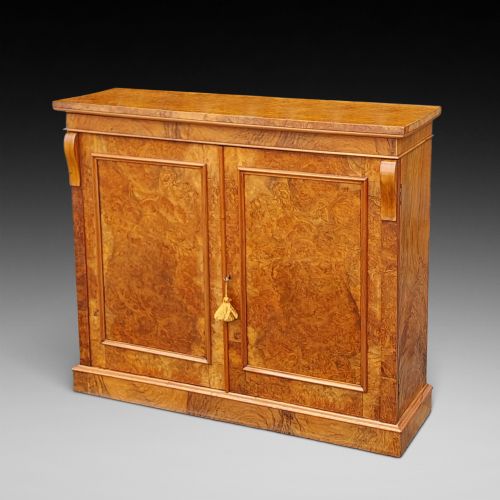
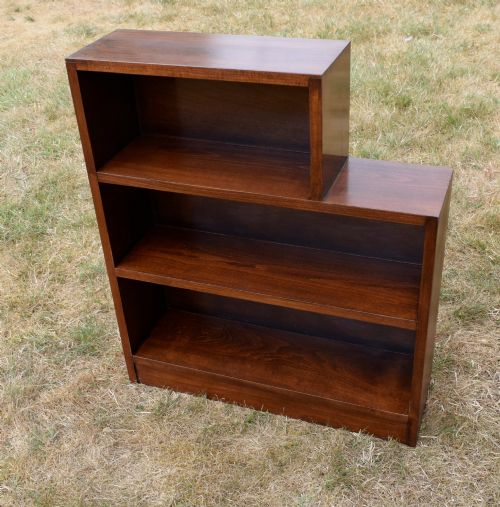
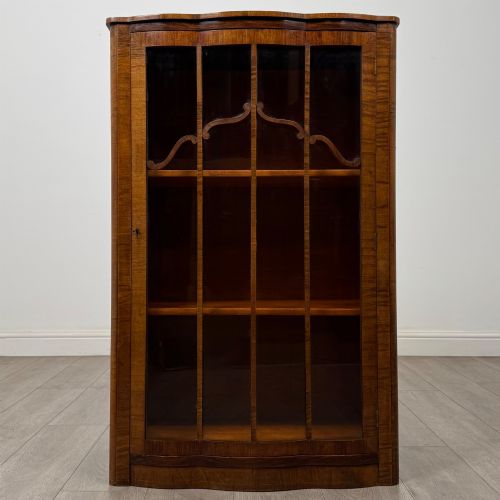
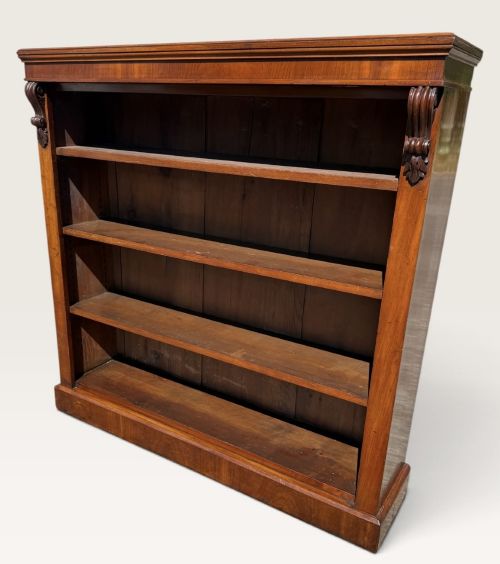
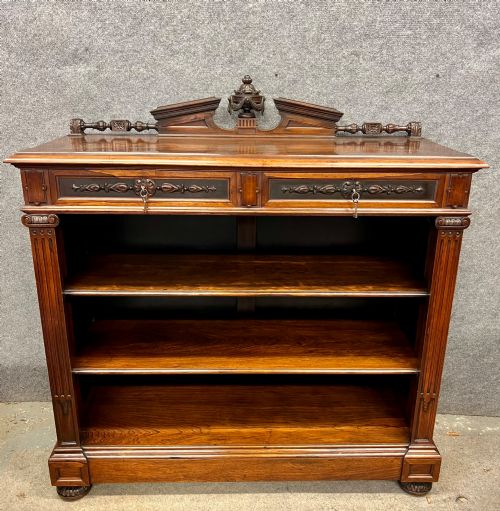
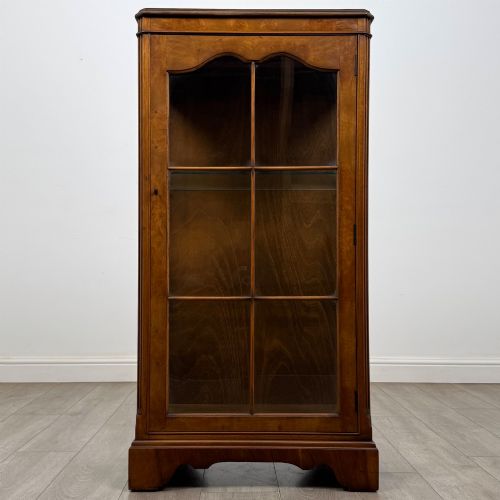
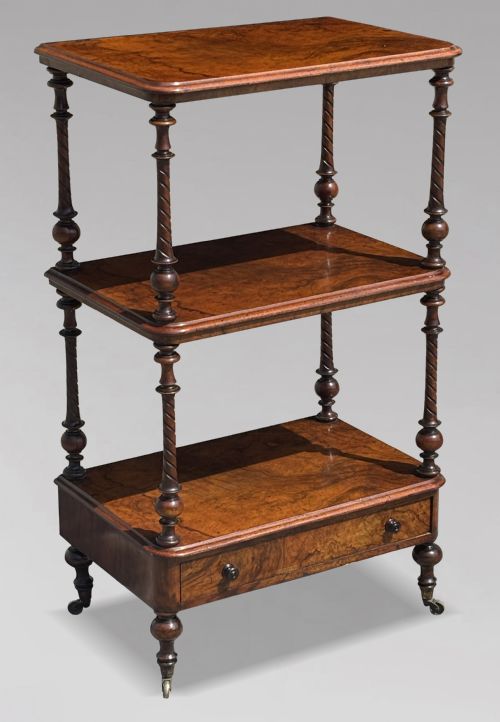
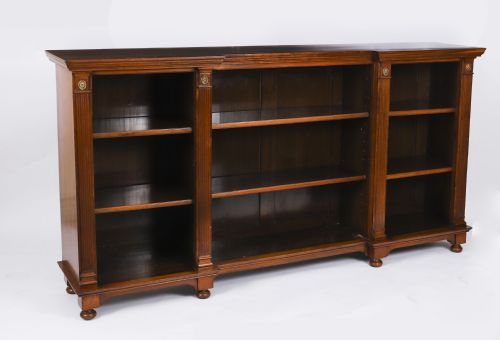

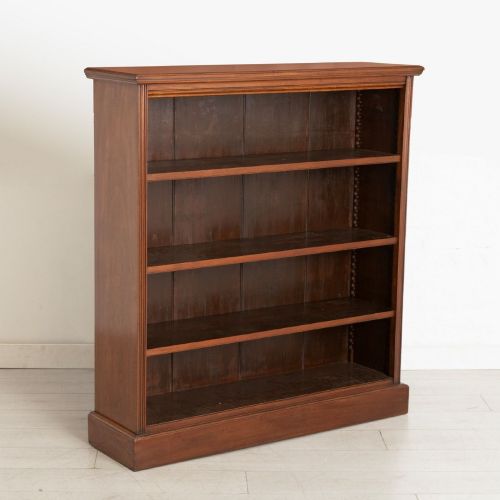
Dark Walnut Bookcase
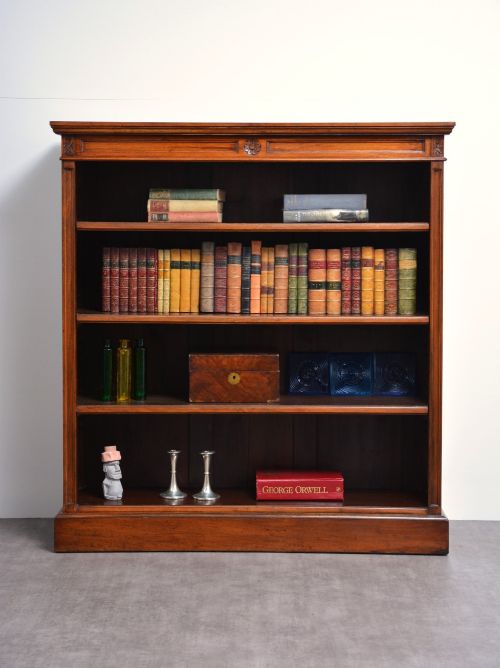
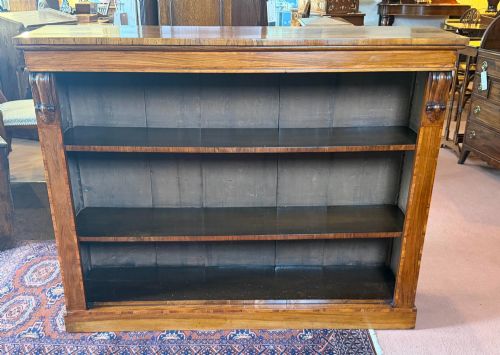
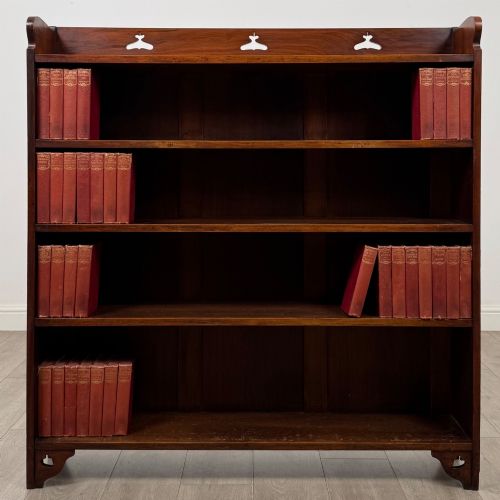
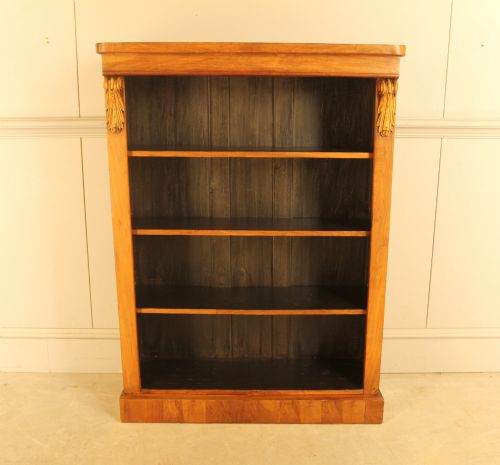
A dark walnut bookcase brings deep timber grain and substantial presence to a room, offering the enclosed shelving every serious reader needs.
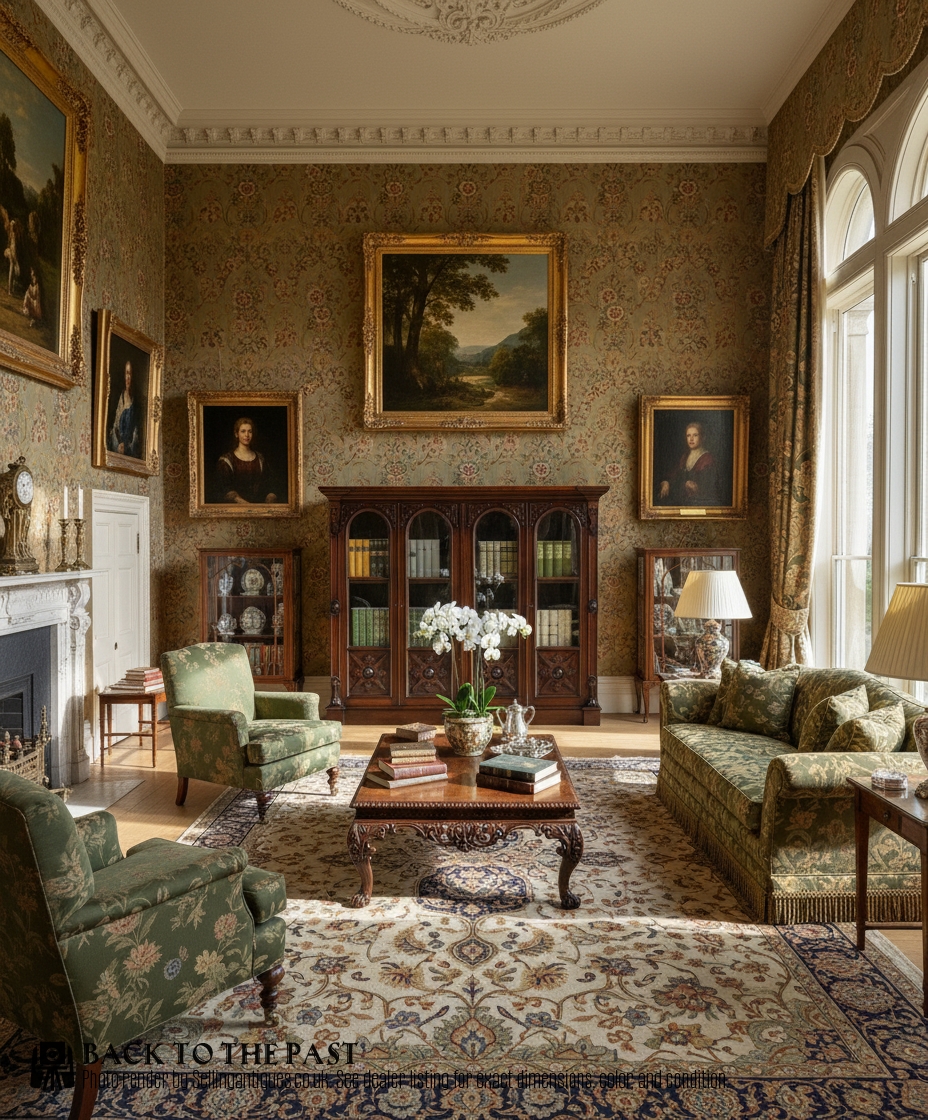
What a dark walnut bookcase is
A dark walnut bookcase combines open or glazed shelving with the rich, deep tones characteristic of walnut timber. These pieces typically date from the Victorian period, including items from around eighteen eighty and the wider nineteenth century.
The selection on this page ranges from freestanding bookcases and library cabinets to small inlaid display cabinets and secretaire forms. Gothic Revival influences and pieces in the style of Pugin occasionally appear among these Victorian examples.
Buyers searching for a dark walnut bookcase most frequently encounter late nineteenth-century specimens that reflect the craftsmanship of that era. These forms serve both practical storage needs and display functions within domestic interiors.
How they were made
The construction relies heavily on solid wood and timber veneers applied to a supportive wood carcase. Walnut provides the primary visual surface, whilst contrasting carved decoration and wood inlay enhance specific sections of the furniture.
Glazed doors utilise fitted glass panels to protect books and display items from dust. Brass hardware, such as hinges, handles or locks, secures doors and drawers while adding metallic detail to the dark wood.
The listings on this site feature Victorian pieces from the nineteenth century, utilising walnut, glass, brass, and wood inlay.
What varies in quality
Quality in these bookcases rests on the depth of the timber figure and the precision of the wood inlay or carved decoration. Superior examples display careful grain matching across the doors and panels rather than plain or uniform surfaces.
Structural integrity and the retention of original brass fittings and glass distinguish finer library cabinets from more utilitarian pieces. The architectural ambition, such as Gothic Revival detailing, also separates standard items from exceptional ones.
The Dark Walnut Bookcase Glossary
- Walnut
- A dense, dark hardwood prized for its rich colour and prominent grain patterns. It forms the primary material for these Victorian bookcases.
- Secretaire
- A cabinet incorporating a pull-down writing drawer that conceals small pigeonholes and compartments. This hybrid form combines a desk with bookcase storage.
- Gothic Revival
- An architectural and decorative style drawing inspiration from medieval design. Pieces in this manner often feature pointed arches and heavy carved decoration.
- Inlay
- The technique of inserting contrasting pieces of wood or other materials into a recessed surface to form decorative patterns. It adds visual complexity to cabinet doors.
Frequently Asked Questions
What is a dark walnut bookcase?
A dark walnut bookcase is a nineteenth-century storage piece constructed from walnut timber, often featuring glazed doors or inlaid decoration. These items provide enclosed shelving for libraries and living spaces.
They originate predominantly from the Victorian era, reflecting the design preferences of the period through architectural styling and timber selection.
How do I date a Victorian bookcase?
Dating relies on construction methods, timber choice, and stylistic markers such as Gothic Revival details or wood inlay. Pieces from around eighteen eighty typically show specific Victorian proportions and hardware.
Comparing the secondary woods and joinery helps confirm whether a piece belongs to the late nineteenth century.
Where should I place a library bookcase?
Library bookcases require stable room environments away from direct sunlight and excessive heat sources to protect the walnut timber and any veneer. Placing them against a sturdy wall in a study or drawing room ensures safety and visual balance.
Allow sufficient clearance for doors to open fully, especially on cabinets with glazed or secretaire sections.
What features define Pugin style furniture?
Furniture in the style of Pugin draws on strict Gothic Revival principles, featuring austere architectural lines and purposeful construction. These pieces emphasise honest materials and medieval-inspired motifs.
They stand apart from standard Victorian cabinetry through their academic approach to ornament and form.