
Victorian Display Dresser
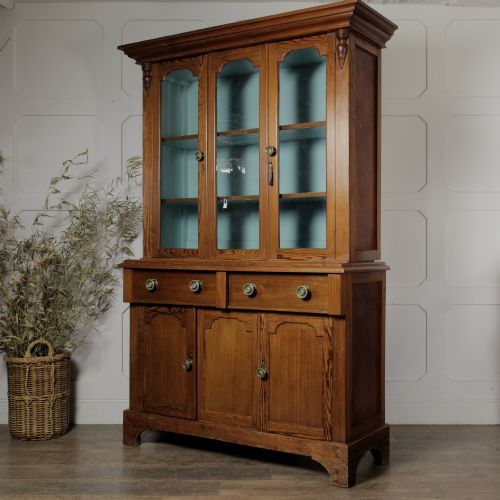
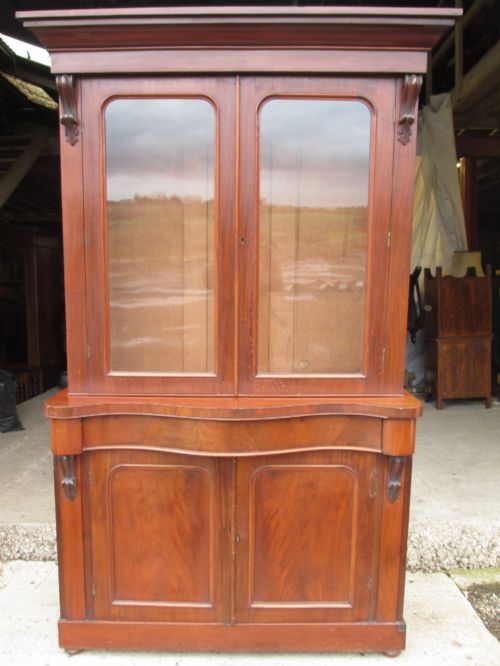
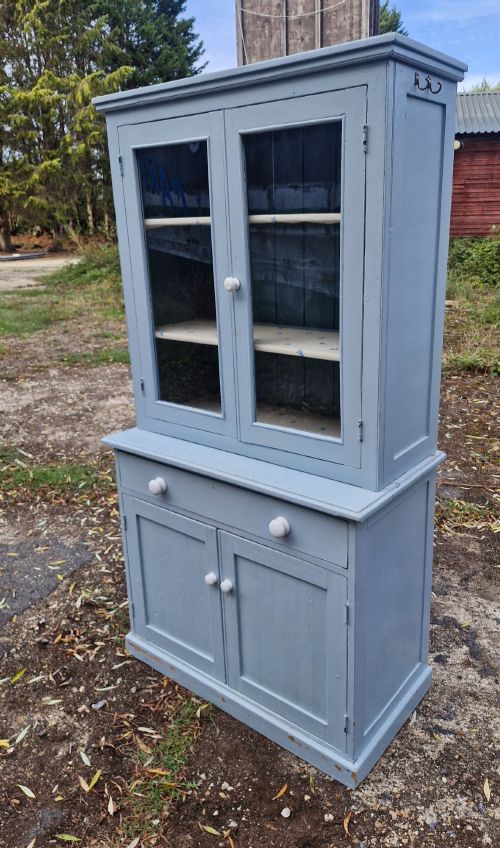
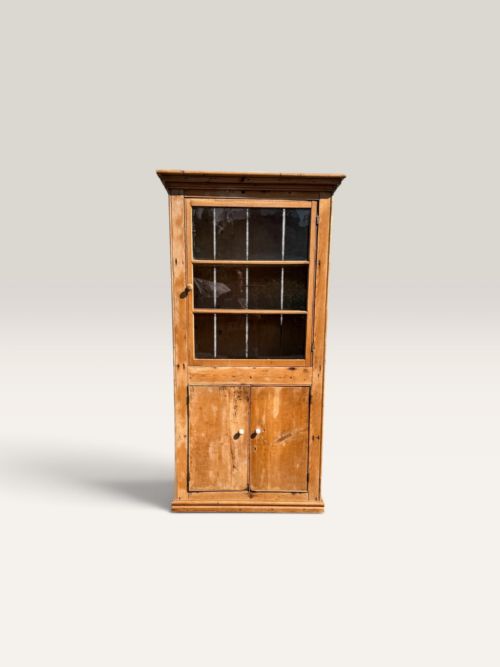
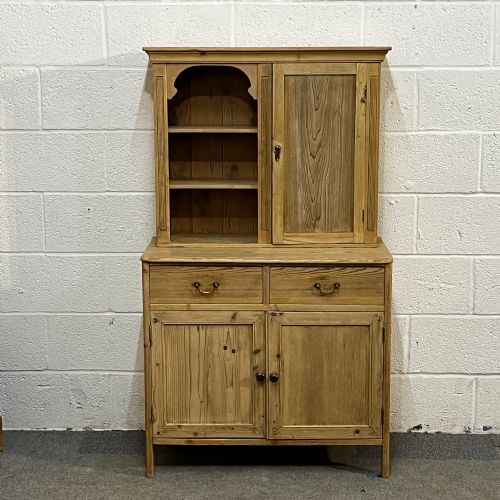
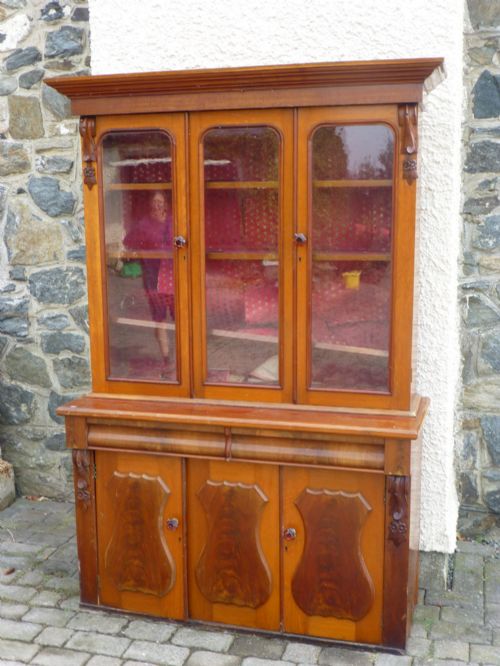
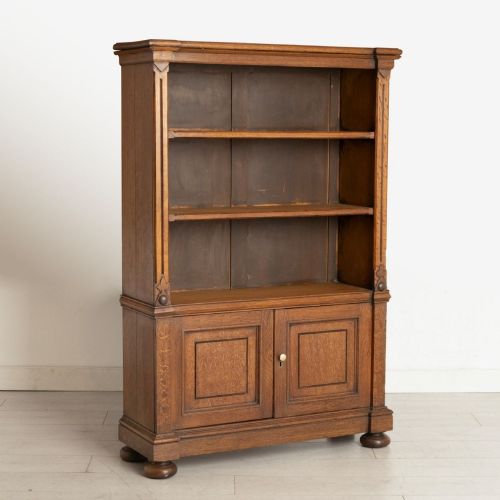
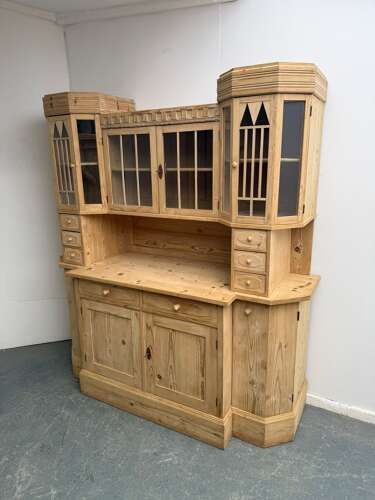
When you search for a victorian display dresser, you are looking at substantial timber storage combining glazed upper cabinets and fitted lower cupboards.
Victorian Display Dresser
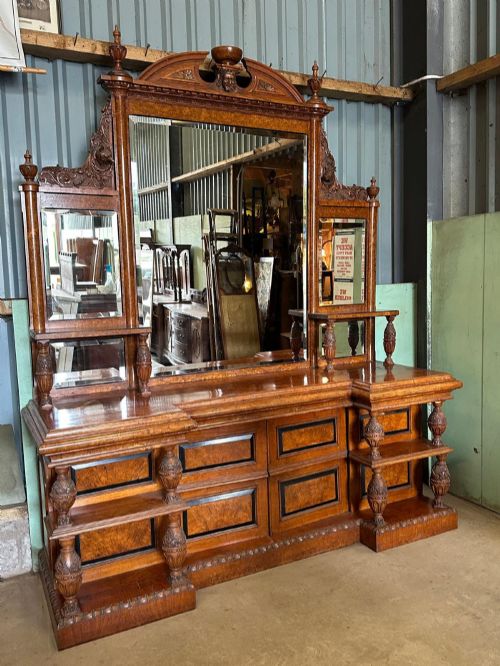
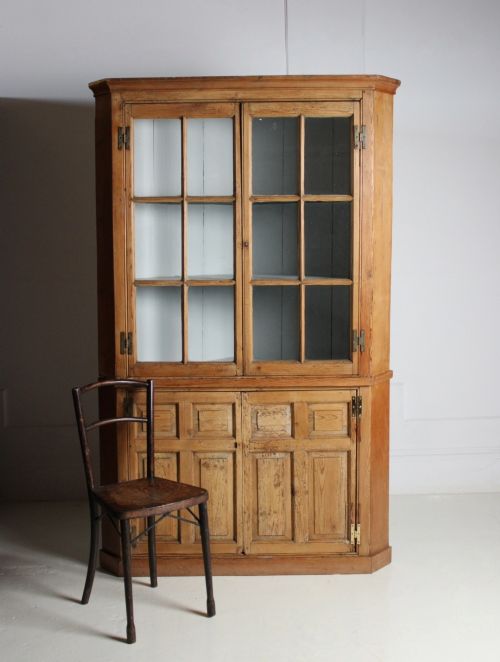
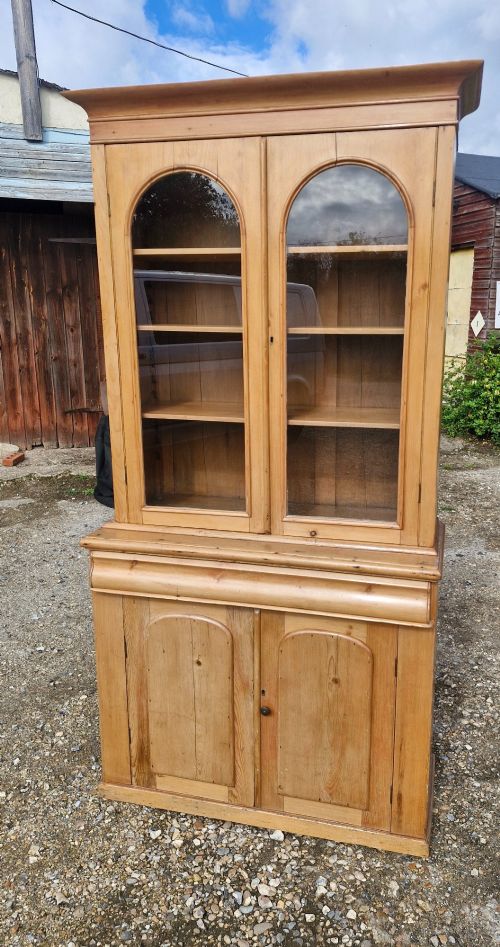
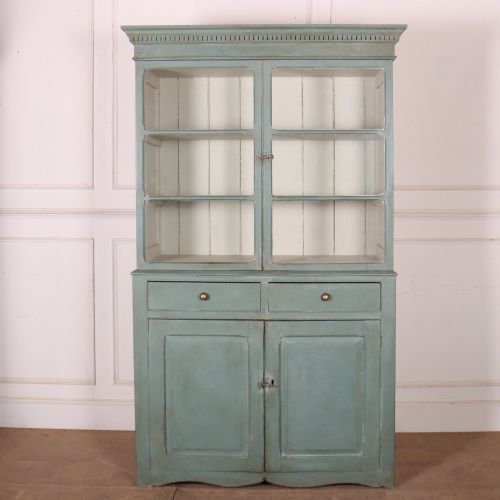
A victorian display dresser functions primarily as a storage and display unit, uniting glass-fronted upper shelves or cabinets with a solid base of drawers and cupboards. These pieces bridge the domestic utility of country kitchens and the formal presentation of parlours.
Origins stretch from Welsh and English country workshops to urban cabinet makers, reflecting both vernacular traditions and revivalist tastes including Gothic and Jacobean styles.
What varies in quality
The division between standard utility pieces and finer examples rests upon the selection of timber and the ambition of the carpentry. Matched grain figures, elaborate carved mouldings, and secondary woods of superior weight separate bespoke town furniture from simpler country workshops.
Proportion and integrity dictate the standing of a piece, particularly where upper display cabinets meet lower sideboards. Intact original glazing, well-balanced two-part forms, and minimal structural alteration preserve the historical coherence expected by collectors.
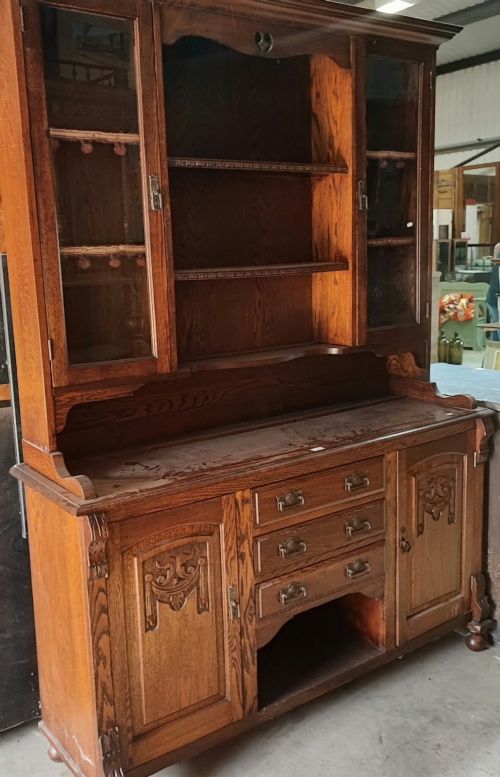
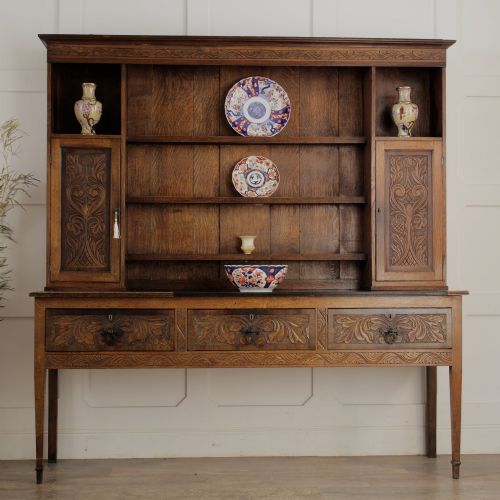
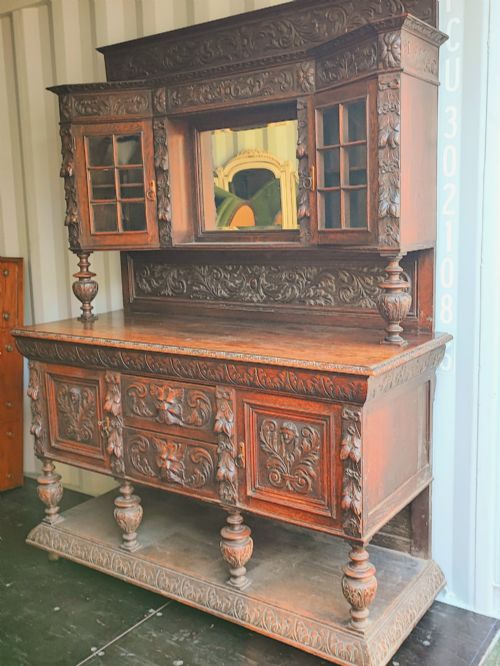
Several oak pieces proudly display spirited green man carvings, keeping a watchful, leafy eye over the dining room.
Gillows
The Victorian Display Dresser Glossary
- Glazed cabinet
- A storage unit featuring glass panel doors designed to protect display items while keeping them visible.
- Plate rack
- Open timber shelving fitted with vertical slats or grooves specifically to hold ceramic plates upright for viewing.
- Welsh dresser
- A traditional kitchen unit combining a lower sideboard base with an open plate rack or shelving superstructure above.
- Two-part form
- Furniture constructed as a separate upper display section resting upon a lower sideboard or cupboard base.
- Ormolu
- Gilded bronze mounts applied as decorative highlights on high-status revivalist furniture.
Victorian Display Dresser: Frequently Asked Questions
What is a victorian display dresser?
A victorian display dresser is a dual-purpose timber furniture piece featuring glazed upper shelving or cabinets above a lower set of drawers and cupboards. They were built to store household provisions while exhibiting prized ceramics and glassware.
These units range from utilitarian pine kitchen furniture to ornate hardwood sideboards influenced by Gothic and Renaissance revival styles. Their configuration balances practical pantry storage with formal display.
How were these dressers used?
In nineteenth-century homes, these dressers anchored the domestic routine by keeping everyday tableware accessible in the lower cupboards while displaying decorative plates and glassware above. They served as both functional workspace and decorative focal points.
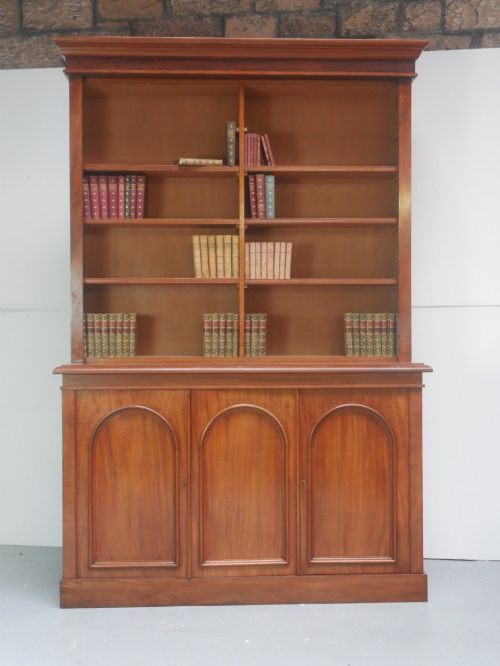
Kitchen variants held pantry stores and kitchenware, whereas parlour models functioned as refined bookcases and display cabinets. Their dual nature made them central to both working spaces and reception rooms.
How do I live with one?
Living with these pieces involves appreciating their substantial timber presence and utilising their deep shelves for storage and display. They require stable room humidity to protect historic wood and glass.
Positioning them against a sturdy wall is essential due to their height and weight, particularly for two-part forms. Regular maintenance involves gentle waxing and mindful loading of shelves.
How do I tell periods apart?
Distinguishing periods relies on observing timber choices, construction techniques, and decorative styles like Gothic Revival or Arts and Crafts. Early pieces often utilise heavy native oak and pine, while later Victorian items incorporate machine-planed boards and varied veneers.
Hardware styles, dovetail precision, and the presence of stamped maker marks further help date a piece. Comparing regional vernacular traits with revivalist motifs clarifies the manufacturing era.