
Late Victorian Cupboard
When you search for late victorian cupboard, you enter a diverse field of sturdy bedside cabinets, tall oak bookcases, and mahogany display pieces produced near the turn of the nineteenth century.
Late Victorian Cupboard
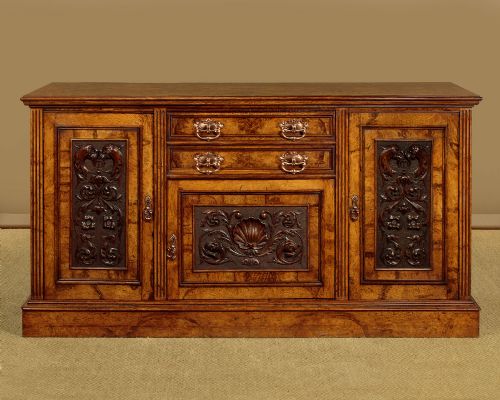
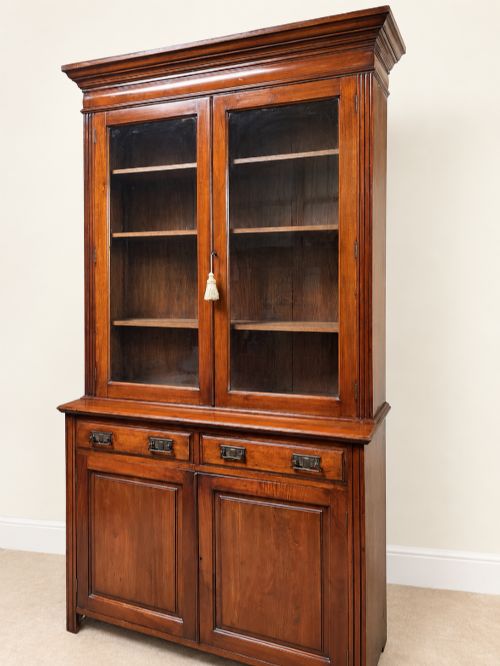
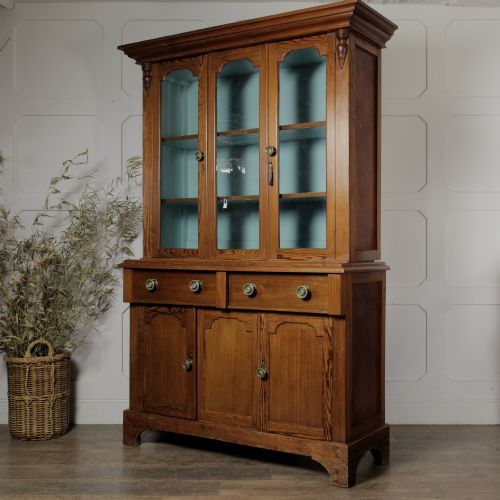
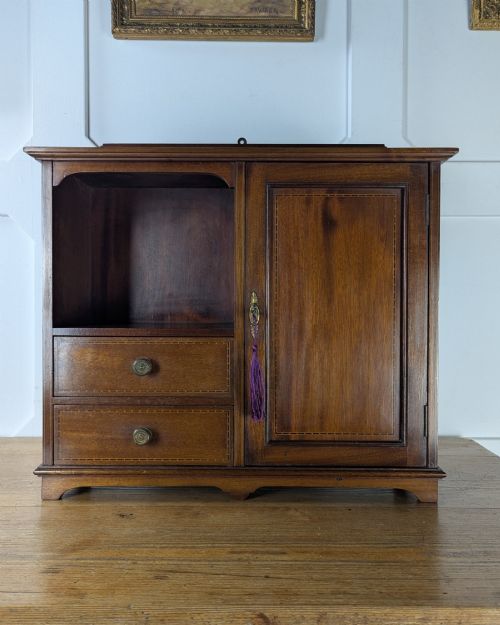
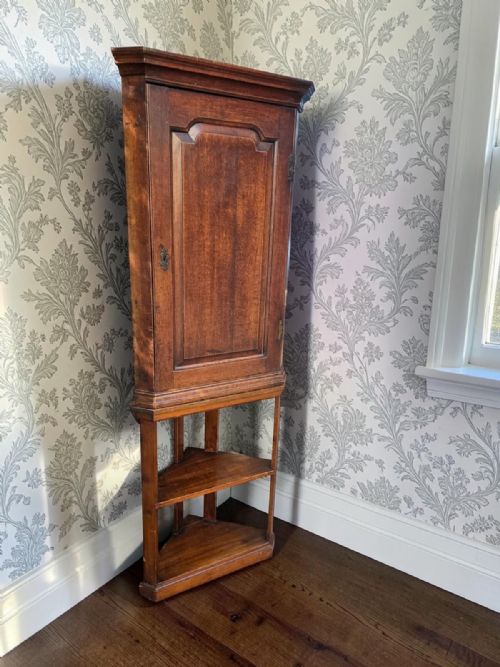
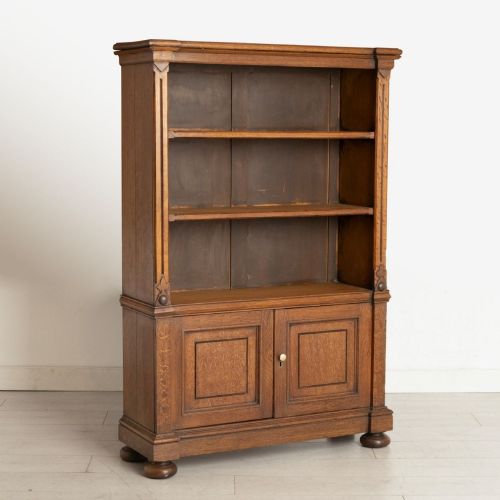
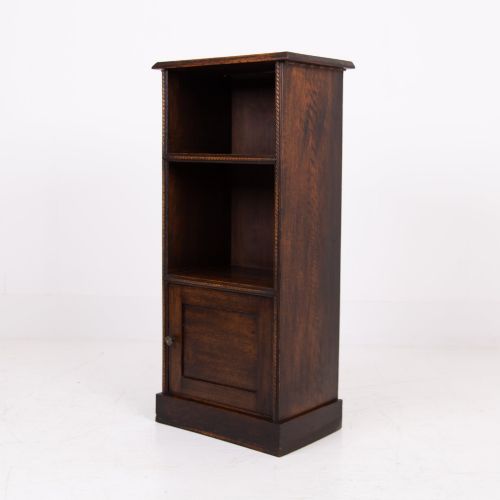
A late victorian cupboard encompasses a broad assortment of domestic furniture produced across the final decades of the nineteenth century, including bedside cabinets, corner units, glazed bookcases, and larger wardrobes. The selection leans heavily towards mahogany and oak construction, reflecting the period's preference for robust timbers suited to daily household use.
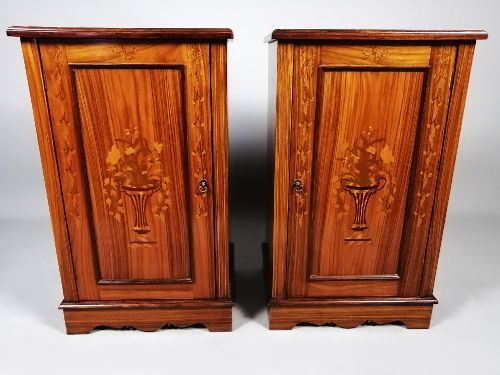
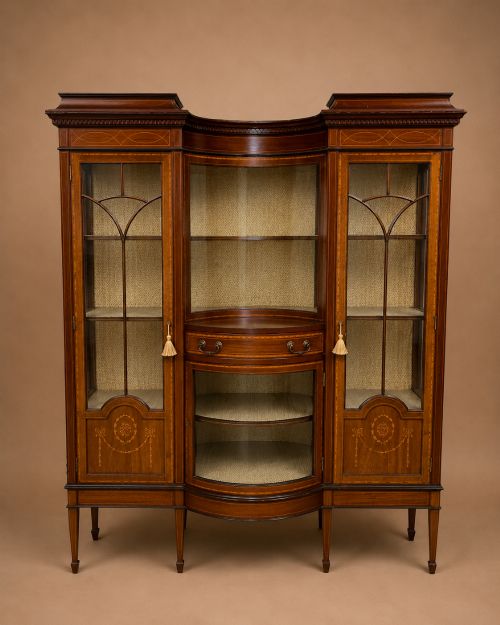
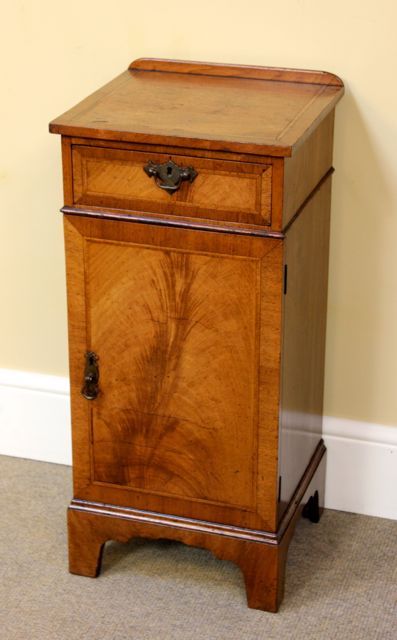
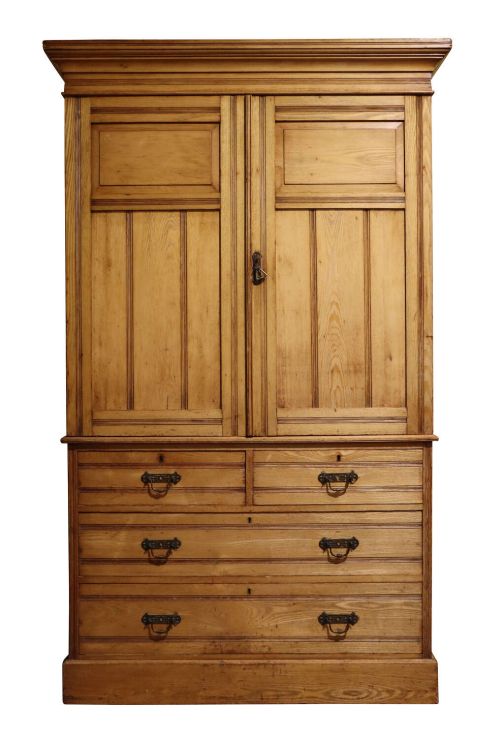
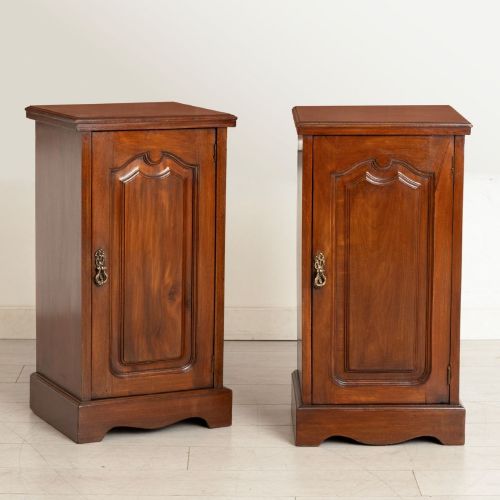
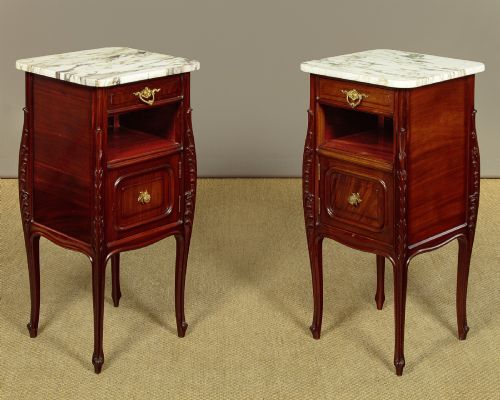
Bedside cabinets and smaller pot cupboards dominate the smaller scale items, frequently pairing timber doors with marble tops or internal shelving. Larger iterations range from breakfront bookcases to combination wardrobes and housekeeper units, spanning standard domestic rooms and grander reception spaces.
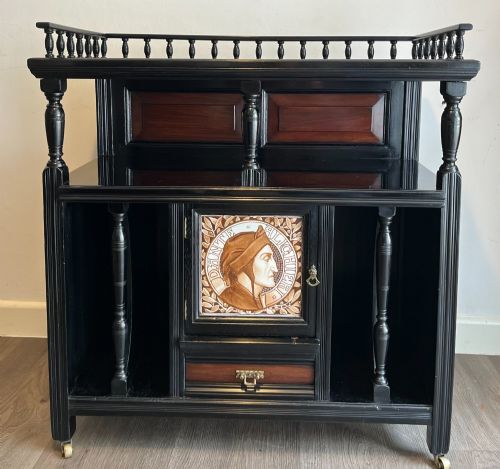
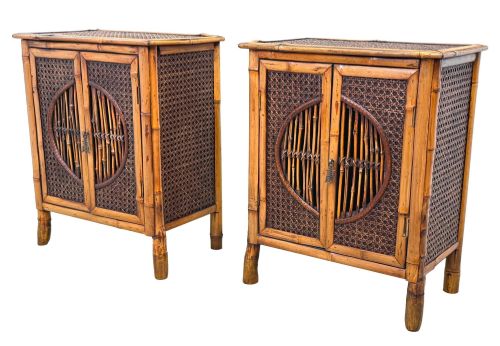
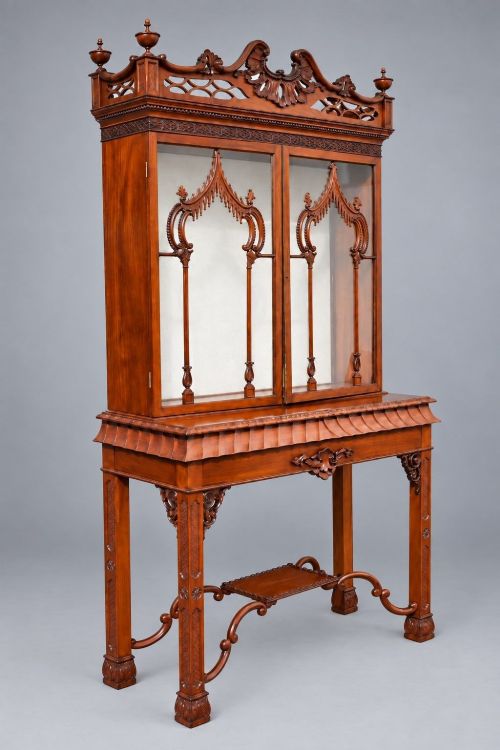
Stylistic influences stretch from traditional Victorian designs to the Aesthetic Movement, Sheraton revivals, and occasional Chinese Chippendale motifs. These pieces demonstrate how late nineteenth century makers adapted historical vocabularies for contemporary homes.
Materials and Technique
Makers relied primarily on mahogany, walnut, oak, and pine, applying satinwood, rosewood, and marquetry veneers for decorative contrast. Structural elements frequently utilised brass hardware, glass panels for display doors, and marble inserts for functional tabletop surfaces.
Construction techniques combined traditional joinery with decorative surface treatments, including hand carving, ebonising, and intricate inlay work. Drawers and doors were fitted with brass castors, hinges, and locks, while specific items incorporated faux bamboo turnings or lacquer finishes.
Listings feature oak, mahogany, walnut, and pine, spanning bedside cabinets to large modular bookcases and wardrobes.
Evaluating Construction and Detail
Quality rests upon the selection of timber and the precision of the cabinetmaker's joinery, distinguishing utilitarian pine pieces from finely figured mahogany or burr walnut creations. Superior examples exhibit balanced proportions, tight joints, and carefully matched wood grains across doors and panels.
The degree of hand-carved ornamentation, marquetry inlay, and brass hardware quality dictates the tier of the piece. Workshops known for high production standards integrated thoughtful interior fittings and stable construction methods that endure through successive generations.
Edwards & Roberts·Maple & Co·Trapnell & Gane
The Late Victorian Cupboard Glossary
- Pot cupboard
- A small bedside cabinet originally designed to house a chamber pot behind a single door. These compact units frequently feature marble tops and internal shelves.
- Marquetry
- The art of applying decorative pieces of veneer to a structure to form intricate geometrical patterns or pictorial designs. This technique frequently appears on satinwood and walnut panels.
- Breakfront
- A cabinet design where the central section projects forward from the flanking wings. This architectural arrangement adds visual depth to large bookcases and sideboards.
- Astragal glazed
- A glass door divided into smaller panes by narrow wooden bars called glazing bars. This method is common on late nineteenth century bookcases and display cabinets.
- Ebonised
- Timber treated with a dark stain or finish to imitate ebony. This treatment was popular in Aesthetic Movement pieces to create stark visual contrast.
Late Victorian Cupboard: Frequently Asked Questions
What is a pot cupboard?
A pot cupboard is a small bedside cabinet featuring a single door and an internal shelf, originally built to contain a chamber pot.
Today, these compact pieces function well as bedside tables or small accent storage units in contemporary bedrooms.
How do I identify a revival style?
Revival styles draw upon historical design vocabularies from earlier centuries, such as Sheraton or Chippendale, adapted to late nineteenth century manufacturing methods.
Look for characteristic motifs like cabriole legs, classical stringing, or specific fretwork patterns executed in woods common to the Victorian era.
Where were these cupboards used?
These pieces served practical storage roles across domestic interiors, from bedrooms and libraries to kitchens and reception rooms.
Bedside units sat beside sleeping quarters, while tall bookcases and corner cabinets organised books and display items in main living spaces.
Are marble tops original?
Marble inserts on bedside cabinets and washstands provided a durable, water-resistant surface for washing equipment and nighttime items.
Makers frequently integrated these stone slabs into walnut and mahogany pieces to combine practical utility with decorative contrast.