
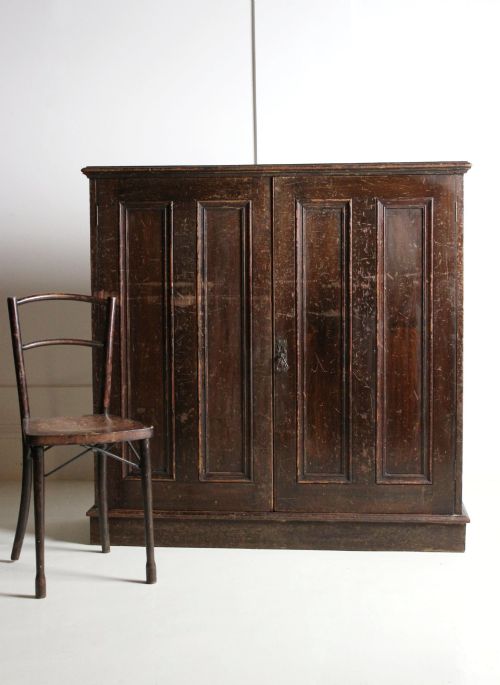
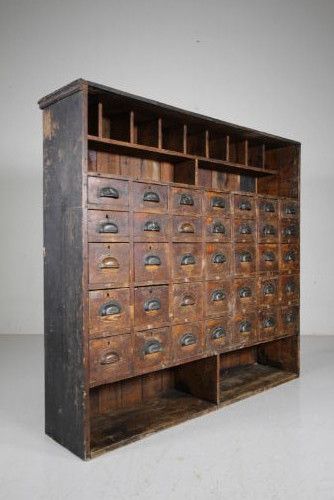
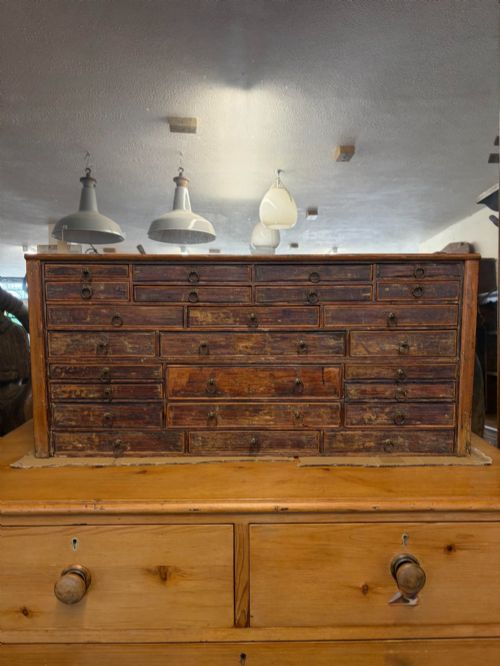
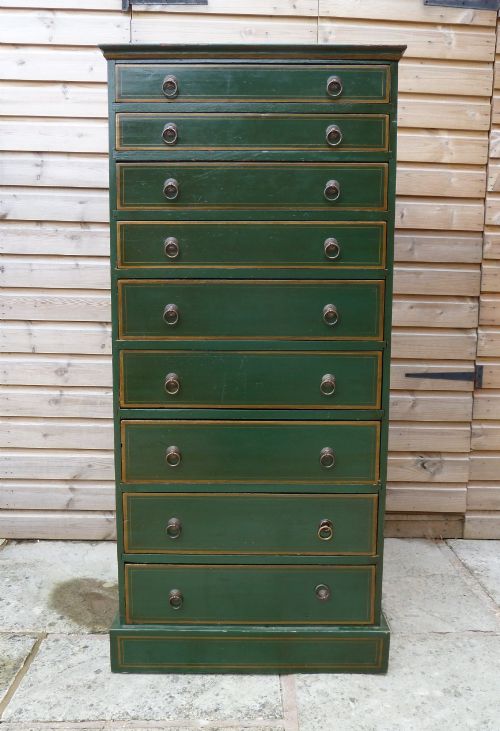



Victorian Dark Pine Cabinet
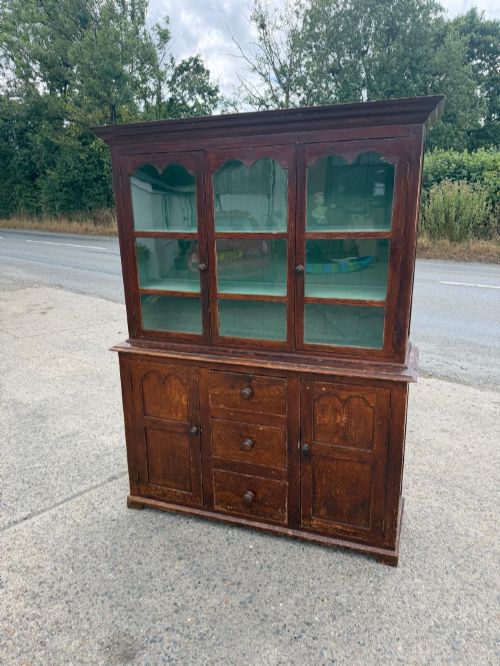
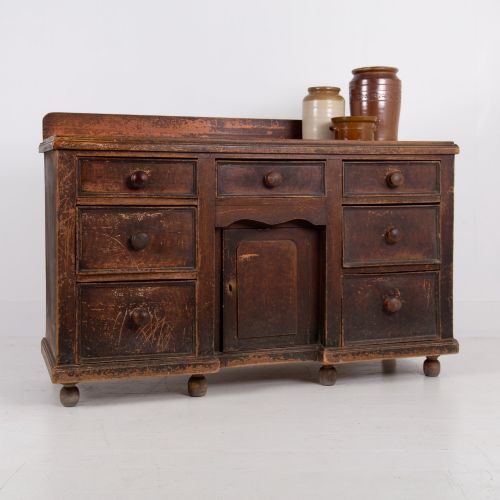
These Victorian dark pine cabinet pieces are honest utilitarian storage, prized for their sturdy timber and honest workshop utility.
Victorian Dark Pine Cabinet
A victorian dark pine cabinet brings functional storage into domestic and workshop spaces, taking the form of cupboards, bedside units, and banks of drawers. Buyers searching for a victorian dark pine cabinet encounter pieces spanning the nineteenth century alongside related Edwardian examples.
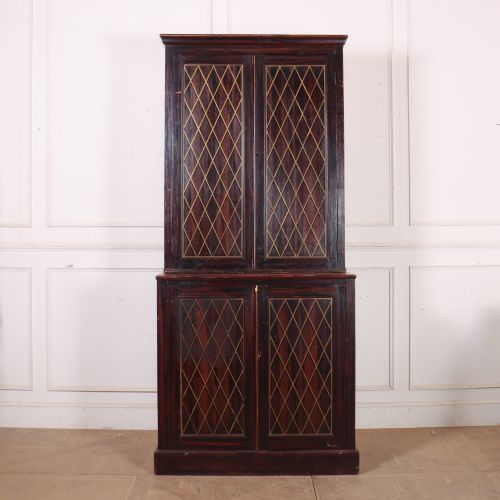
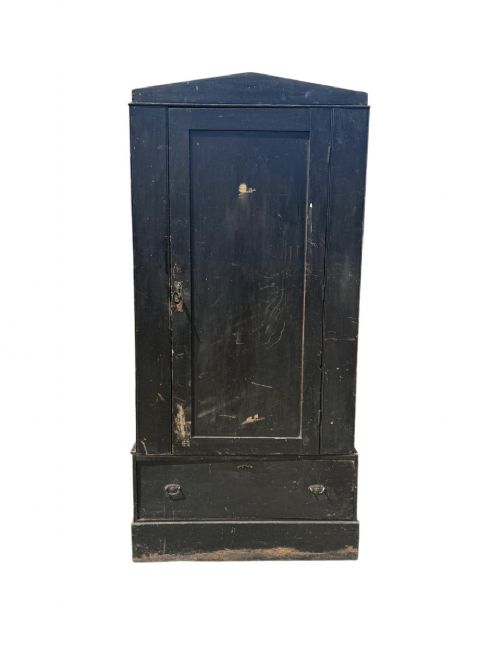
The selection ranges from tall school cupboards and library bookcases to bedside units and multi-drawer specimen chests. Regional varieties such as Welsh vernacular styles and English country pieces appear frequently across the inventory.
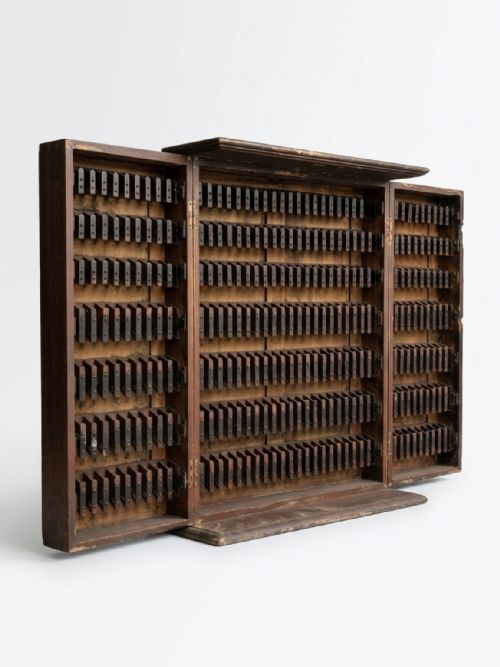
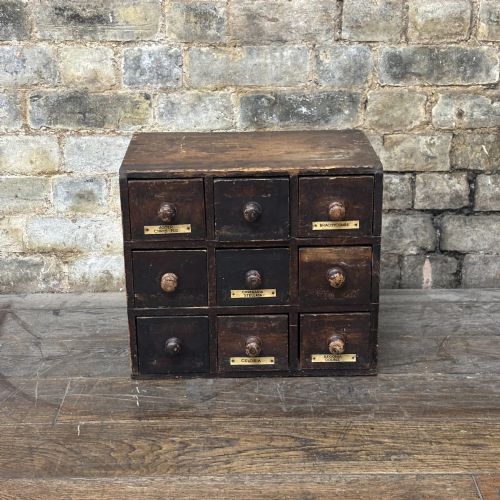
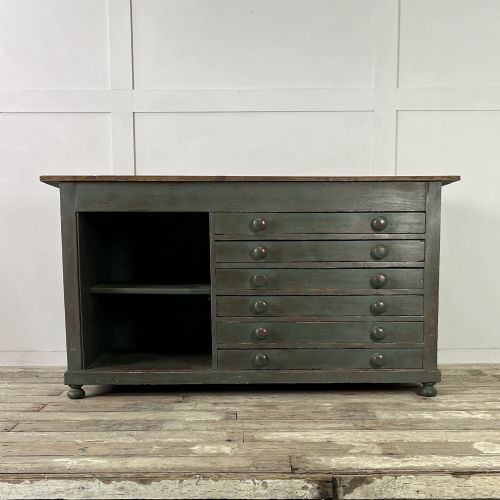
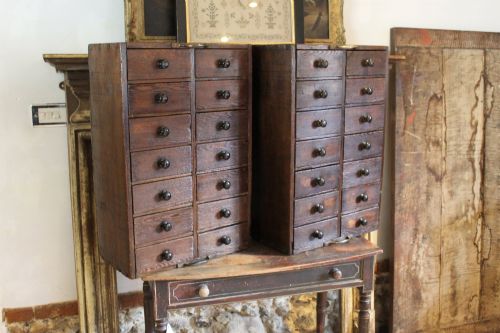
Utility and workshop pieces dominate the selection, including railway ticket cupboards, florist seed chests, and watchmakers' banks of drawers. These utilitarian items served commercial and domestic purposes alike, resulting in robust proportions built for heavy use.
Evaluating quality and proportion
Quality rests in the survival of original surface finishes, where untouched paint or genuine aged patination elevate a piece above later stripped examples. Untouched hardware and maker markings add distinct historical value to functional storage.
Proportion and scale dictate desirability, with well-balanced architectural mouldings and intact internal shelving setting finer specimens apart. Superior examples maintain their original configuration without heavy structural alterations from later eras.
Several cabinets spent their early working lives sorting railway tickets and flower seeds before finding a quiet retirement.
Luxmore's of Ilfracombe·D Napier & Sons
The Victorian Dark Pine Cabinet Glossary
- Vernacular furniture
- Domestic pieces made by local craftspeople using regional traditions and readily available native timbers. These items prioritise simple utility over high-style cabinetmaking.
- Bank of drawers
- A multi-drawer unit designed for specific trades, offices, or workshops to organise small components or documents. They feature numerous shallow drawers configured in vertical or horizontal tiers.
- Specimen chest
- A specialised cabinet housing shallow drawers intended for storing natural history collections, geological samples, or small artefacts. Such pieces often display fine internal compartmentalisation.
- Original paint
- The initial decorative or protective coating applied to a wooden surface, surviving without modern stripping or repainting. Collectors prize these honest, aged finishes for their historical authenticity.
Victorian Dark Pine Cabinet: Frequently Asked Questions
What defines a dark pine cabinet?
A dark pine cabinet is a utilitarian storage piece constructed primarily from softwood timber treated with historical dark stains, wax, or aged paint layers. These items emerged from domestic kitchens, schools, and workshops during the nineteenth century.
Their straightforward construction focuses entirely on practical storage rather than ornate decorative display. This makes them enduringly popular for modern interiors requiring robust character.
Where were these cabinets used originally?
These cabinets served diverse roles in railway stations, florist shops, watchmakers' benches, and domestic sculleries. Many functioned as school cupboards, library bookcases, or merchants' drawer units.
Because they were built for demanding commercial environments, their timber frames and drawer assemblies were engineered for heavy daily service.
How should I care for painted pine?
Painted pine surfaces require gentle maintenance using a dry cloth or a very lightly dampened duster to preserve historical finishes. Avoid modern chemical solvents that can strip away aged patination or original paint layers.
Keep the wood away from direct heat sources and drastic humidity shifts to prevent timber movement or paint flaking over time.
How can I tell a nineteenth-century piece apart?
Nineteenth-century pieces typically display hand-cut joinery, older stock timber dimensions, and authentic wear patterns built up over generations of use. Hardware elements like cast iron pulls or brass key escutcheons often match the period's manufacturing methods.
Examining the interior linings and drawer bases reveals construction traits distinct from twentieth-century reproductions.