
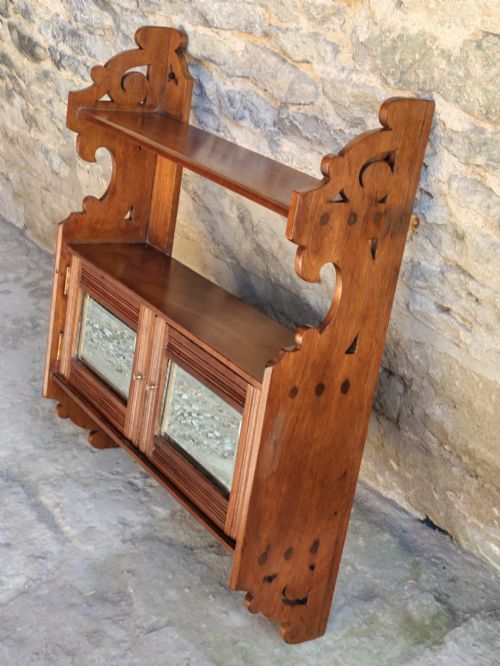
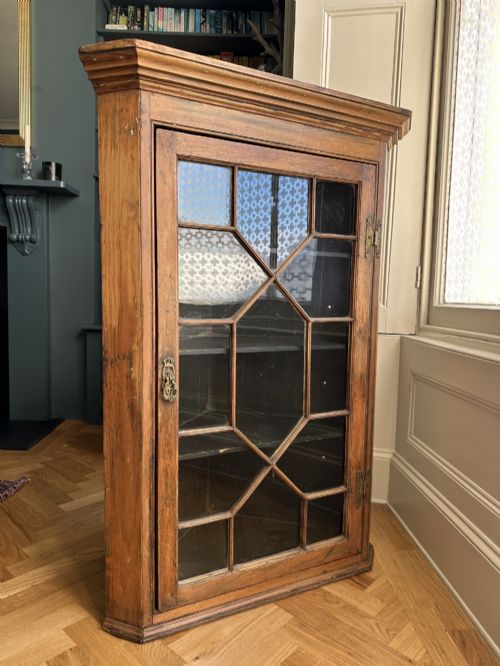
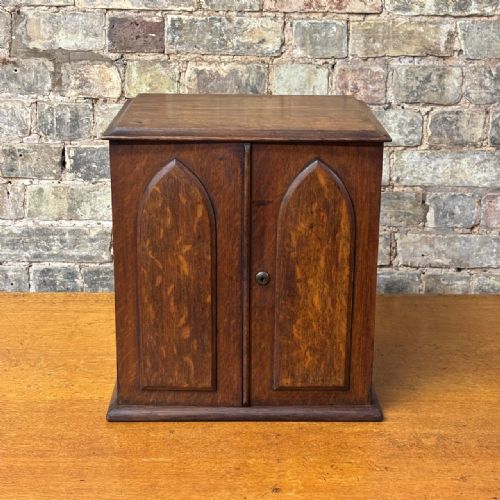


Victorian Wall Cupboard
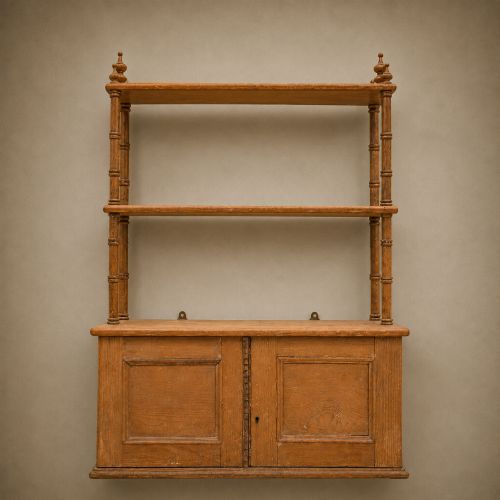
A victorian wall cupboard is a hanging cabinet designed to save floor space while displaying or storing household goods.
What They Are
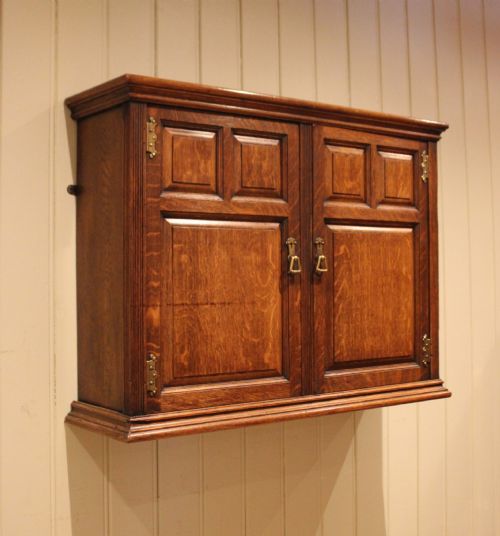
A victorian wall cupboard brings practical storage and period character to any room, utilising vertical wall space effectively. These pieces range from simple kitchen cupboards to refined reception hall cabinets.
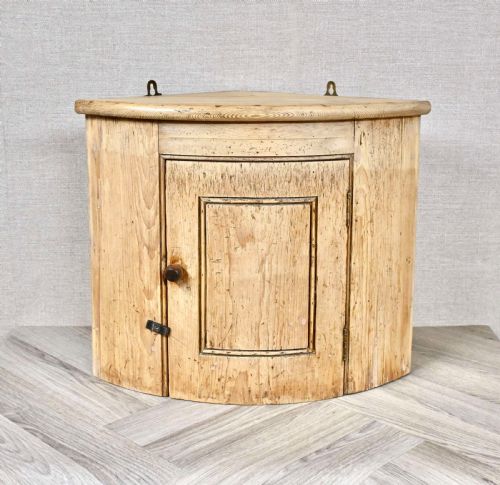
Pine appears frequently among these wall-mounted items, often found in corner formats or country house settings. Mahogany, oak, walnut, and satinwood examples offer a more formal appearance for principal rooms.
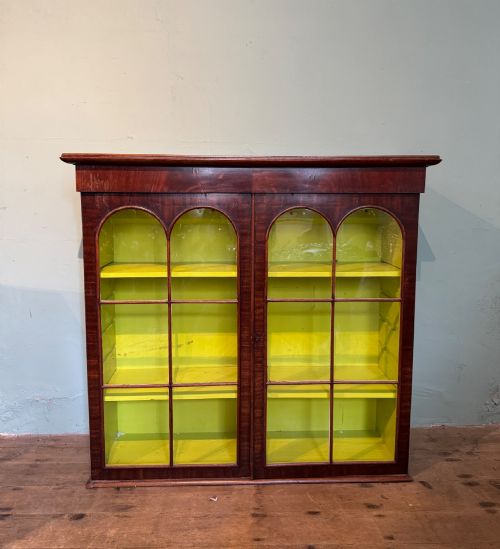
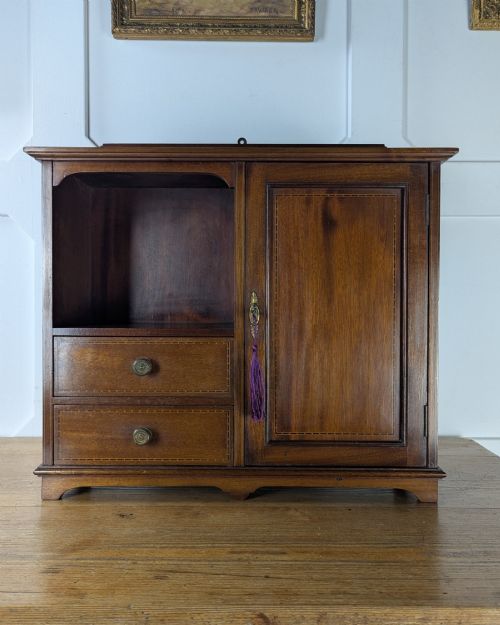
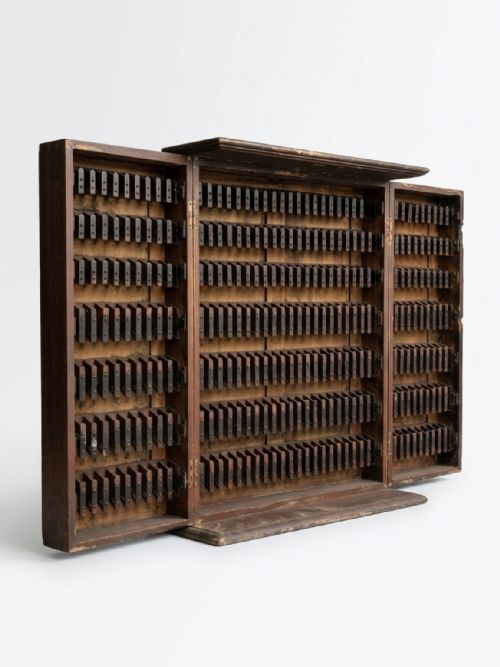
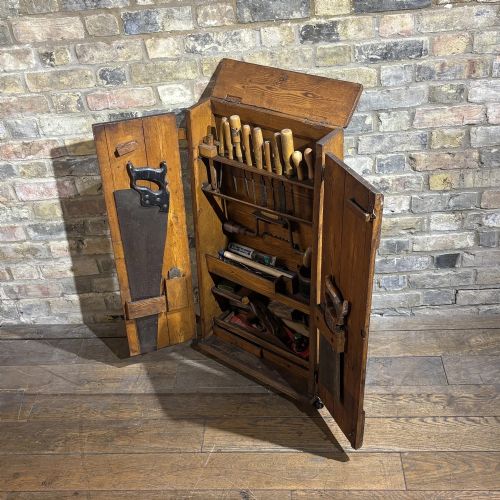
Makers produced both glazed display cabinets and solid door cupboards. Some feature interior shelves or drawer arrangements tailored for chemist items, collectors pieces, or smokers requisites.
How They Were Made
Carpenters constructed these cabinets using timbers such as mahogany, oak, pine, ash, fruitwood, and pitch pine. Fine examples incorporate decorative veneers and stringing in satinwood, tulipwood, or ebonised wood.
Makers employed brass for hinges, key escutcheons, and glazing bars on display doors. Glass panes allow collectors to view contents within glazed wall cabinets and corner cupboards.
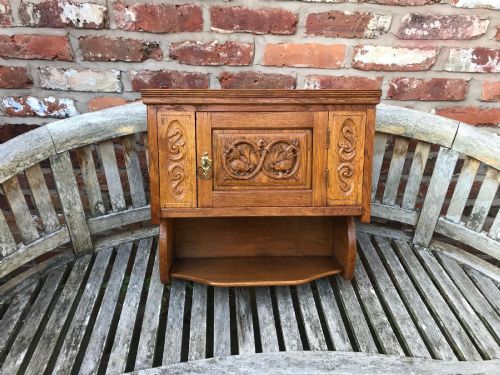
Carving, tracery, and inlaid details reflect aesthetic movement, gothic revival, and rococo revival design influences. Joinery techniques include astragal glazing bars secured across door frames.
Retail Price Guide 2026
Typical UK retail prices for victorian wall cupboard, calculated from the Sellingantiques database of over a million retail prices indexed since 2003. This retail price guide relies exclusively on Sellingantiques data; no external sources or auction records are used, so the figures do not describe the wider market.
Some Victorian wall cupboards were dedicated entirely to smokers, housing pipes and tobacco behind locked doors.
What Varies in Quality
The choice of primary timber and secondary wood dictates the refinement of each cabinet. Dense hardwoods and figured veneers denote a higher grade of manufacture than utilitarian softwoods.
The complexity of the decorative scheme separates standard pieces from ambitious workshops. Hand-carving, detailed inlay work, and shaped bow fronts elevate the status of a wall cupboard.
Original hardware, such as cast brass handles and functional locks with keys, preserves the integrity of the piece. The crispness of astragal glazing bars and tight joinery also signal superior construction.
Town and Emanuel
The Victorian Wall Cupboard Glossary
- Astragal glazed
- A door constructed with thin wooden mouldings holding individual glass panes together in a grid pattern. This method creates the classic multi-light window appearance seen on display cabinets.
- Bow front
- A convex curved cabinet front that projects outward from the corners. This shape requires advanced woodworking skill to bend or shape the timber and surrounding frame.
- Ebonised wood
- Timber treated with a dark stain or finish to imitate ebony wood. Makers used this technique to achieve sharp contrast on Victorian furniture.
- Pitch pine
- A resinous variety of pine timber known for its durability and distinct grain pattern. It appears often in country house and utility cabinets from the period.
- Reformed gothic
- A Victorian design style that reinterpreting medieval architectural motifs with geometric simplicity. Cabinets in this taste display pointed arches and structural honesty.
Frequently Asked Questions
Where should I hang a wall cupboard?
These cabinets suit hallways, kitchens, and reception rooms where floor space remains at a premium. Ensure secure fixings into wall studs or masonry to support the weight of timber and contents.
Corner designs utilise empty wall junctions effectively, softening room angles while providing useful display or storage capacity.
How do I identify a Victorian wall cupboard?
Examine the timber selection, construction methods, and hardware styles. Victorian pieces frequently utilise pine, mahogany, or oak with hand-cut dovetails and brass fittings.
Stylistic cues such as aesthetic movement inlays, gothic revival arches, or rococo curves help date pieces to the nineteenth century.
Can these cabinets hold heavy items?
Wall-mounted cupboards feature sturdy timber carcasses designed for domestic storage. Solid oak and mahogany models safely hold books, ceramics, or glass collections.
Pine and lighter softwood versions suit lighter items such as kitchen goods, small collectors pieces, or smoker requisites.
What is the difference between a corner and flat wall cupboard?
Corner cupboards feature angled backs designed specifically to fit into room junctions. Flat wall cabinets have rectangular backs intended for straight wall surfaces.
Both formats employ hanging brackets or internal screw holes for secure wall mounting.