
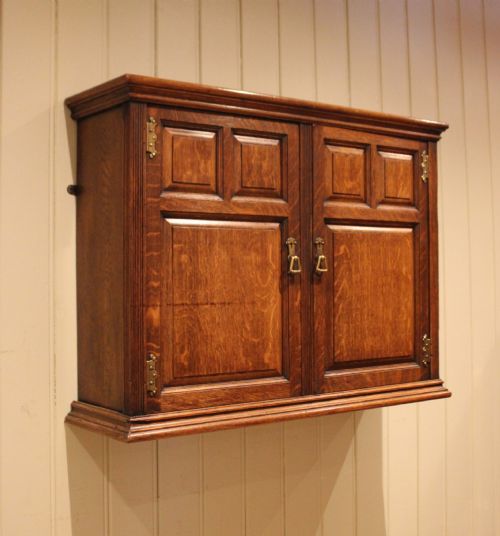
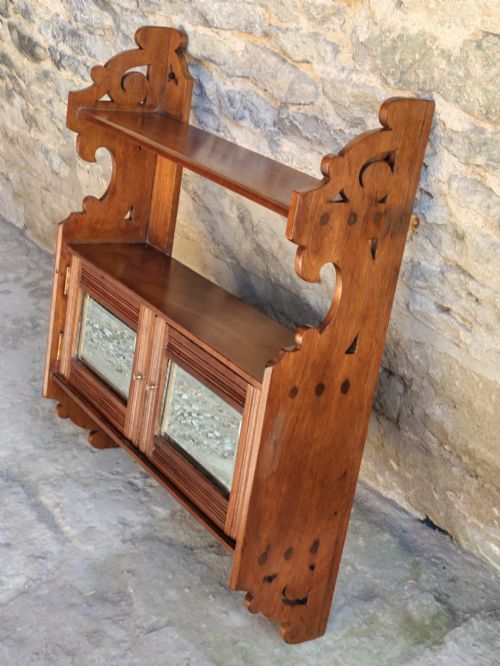


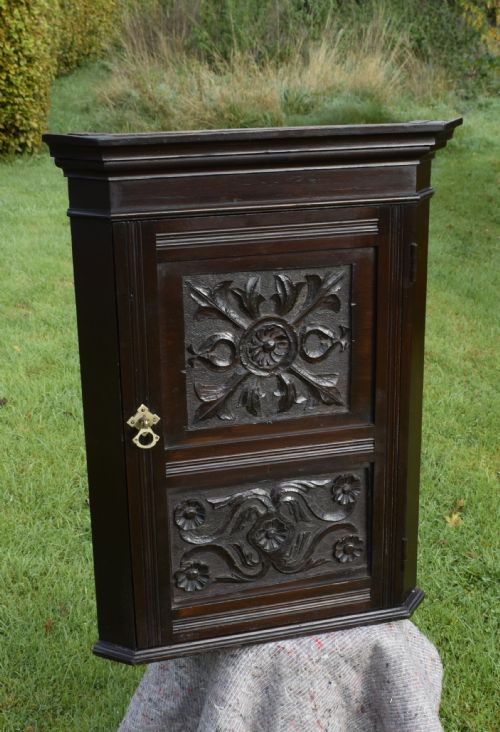


Late Victorian Wall Cabinet
A late victorian wall cabinet offers practical display and storage, bringing period character directly to your walls.
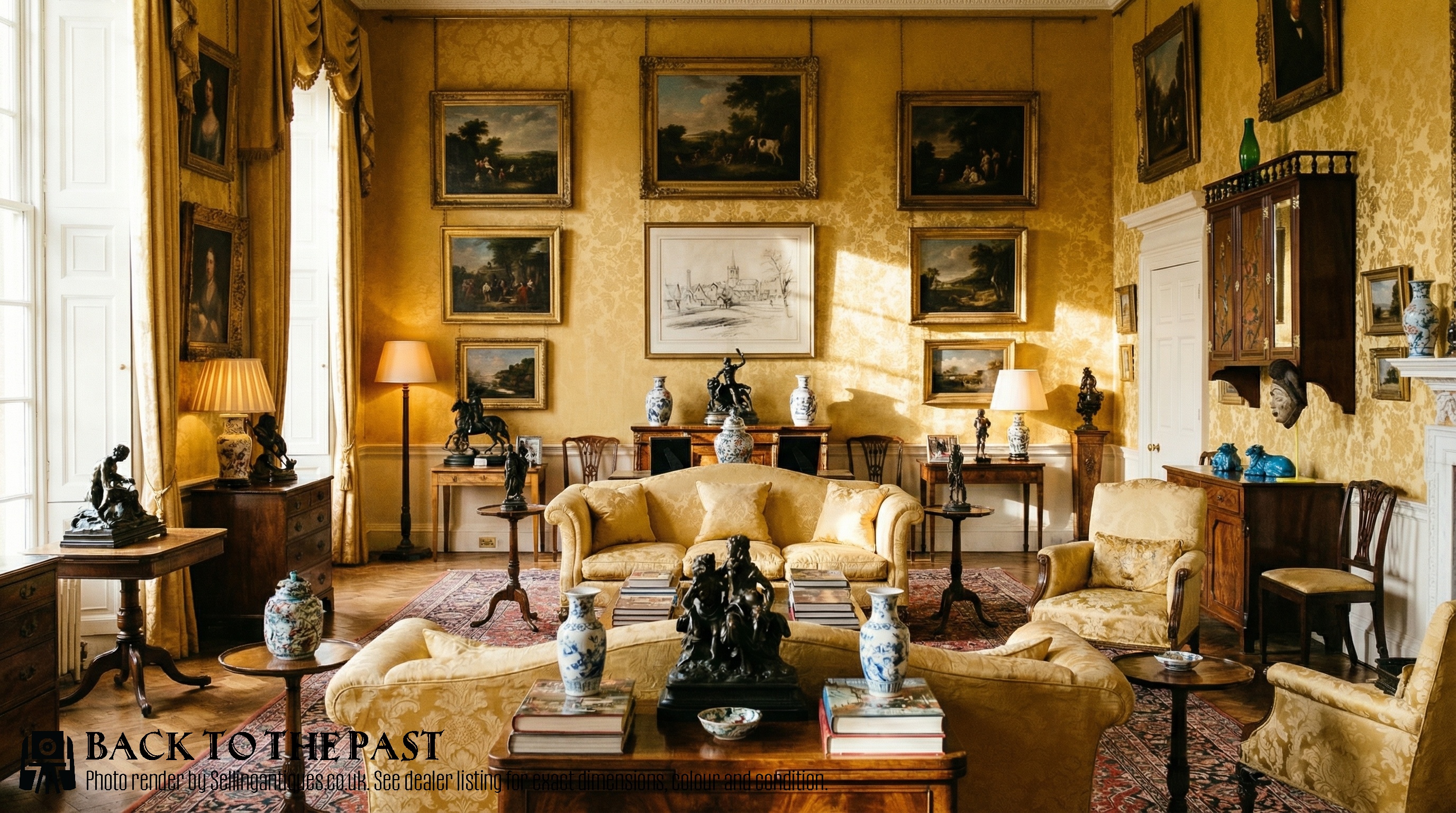
Late Victorian Wall Cabinet
A late victorian wall cabinet encompasses hanging cupboards, corner cupboards, and smokers' cupboards designed to save floor space while displaying cherished items. These pieces emerge from the later decades of the nineteenth century, reflecting the domestic habits of the era.
The versions most commonly met on this page are constructed from timbers such as oak, walnut, and mahogany, frequently featuring glazed doors or open shelving. They range from simple pine corner cupboards to more elaborate Aesthetic Movement Anglo-Japanese walnut hanging cabinets.
Makers of the period also produced specialised forms, including reception hall cabinets and educational museum collectors cabinet wall cases. Each piece serves to elevate interior walls through functional compartmentalization.
How they were made
Cabinet makers utilised solid and veneered hardwoods like mahogany, walnut, oak, and satinwood, applying techniques such as inlay and carving to enrich the surfaces. Brass hardware, including hinges and latches, secures doors and mounts the furniture firmly to walls.
Glass panels are integrated into doors to protect contents while allowing visibility, often seen in glazed wall cupboards and hanging cabinets. Gilding and carved giltwood appear on specific decorative shelves, highlighting the craftsmanship of the period.
Listings feature oak, walnut, mahogany, satinwood, and pine timbers, spanning the period from eighteen-eighty to nineteen-hundred.
What varies in quality
The standard of timber selection and the precision of joinery define the upper tier of these cabinets. Finely figured walnut, crisp hand-carving, and delicate satinwood inlay elevate a piece far above utilitarian pine storage.
Hardware choice and glazing execution also distinguish finer examples. Original brass fittings and well-fitted glass demonstrate superior workshop origin during the late nineteenth century.
The Late Victorian Wall Cabinet Glossary
- Aesthetic Movement
- A late nineteenth-century design style emphasising visual beauty over narrative or moral themes, often drawing inspiration from Japanese art.
- Anglo-Japanese
- A style combining British furniture forms with decorative motifs and construction principles borrowed from traditional Japanese design.
- Glazed
- Fitted with glass panes, allowing contents to be viewed while protected from dust.
- Reticulated
- Having an openwork pattern resembling a net or lattice, frequently seen on decorative ceramic plates.
- Satinwood
- A durable, yellowish wood with a lustrous sheen, utilised for fine cabinetmaking and decorative inlay work.
Late Victorian Wall Cabinet: Frequently Asked Questions
Where should I hang a wall cabinet?
These cabinets suit dining rooms, hallways, or kitchens where wall space allows for eye-level display and storage.
Ensure the wall construction supports the weight of hardwood timbers and glass before mounting.
How do I identify a late victorian piece?
Look for timber choices like oak, walnut, and mahogany combined with stylistic cues from the Aesthetic Movement or late nineteenth-century revival styles.
Construction methods and hardware typical of the period around eighteen-ninety also help confirm the date.
Are corner cabinets practical for small rooms?
Corner cupboards utilise unused wall intersections, making them effective for compact spaces.
They provide enclosed storage without protruding into the main living area of the room.
What is a smokers cupboard?
A smokers cupboard is a small wall-mounted cabinet designed to store tobacco, pipes, and smoking accessories.
These compact units often feature specialised internal compartments and decorative inlay.