
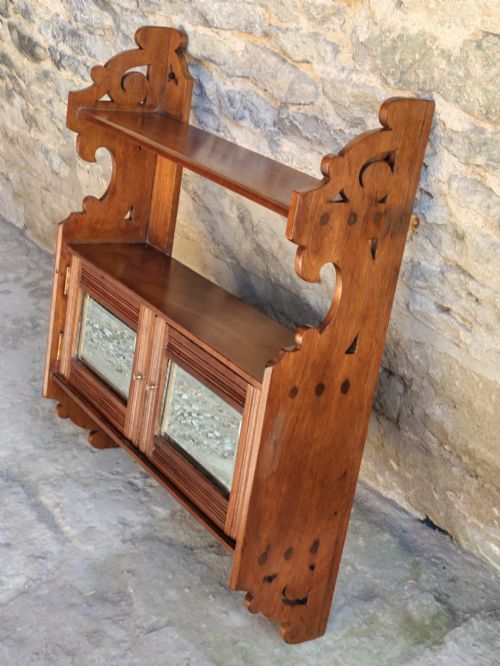


Walnut Hanging Cabinet
A walnut hanging cabinet brings timber warmth and practical storage off the floor, making it a sound choice for compact rooms.
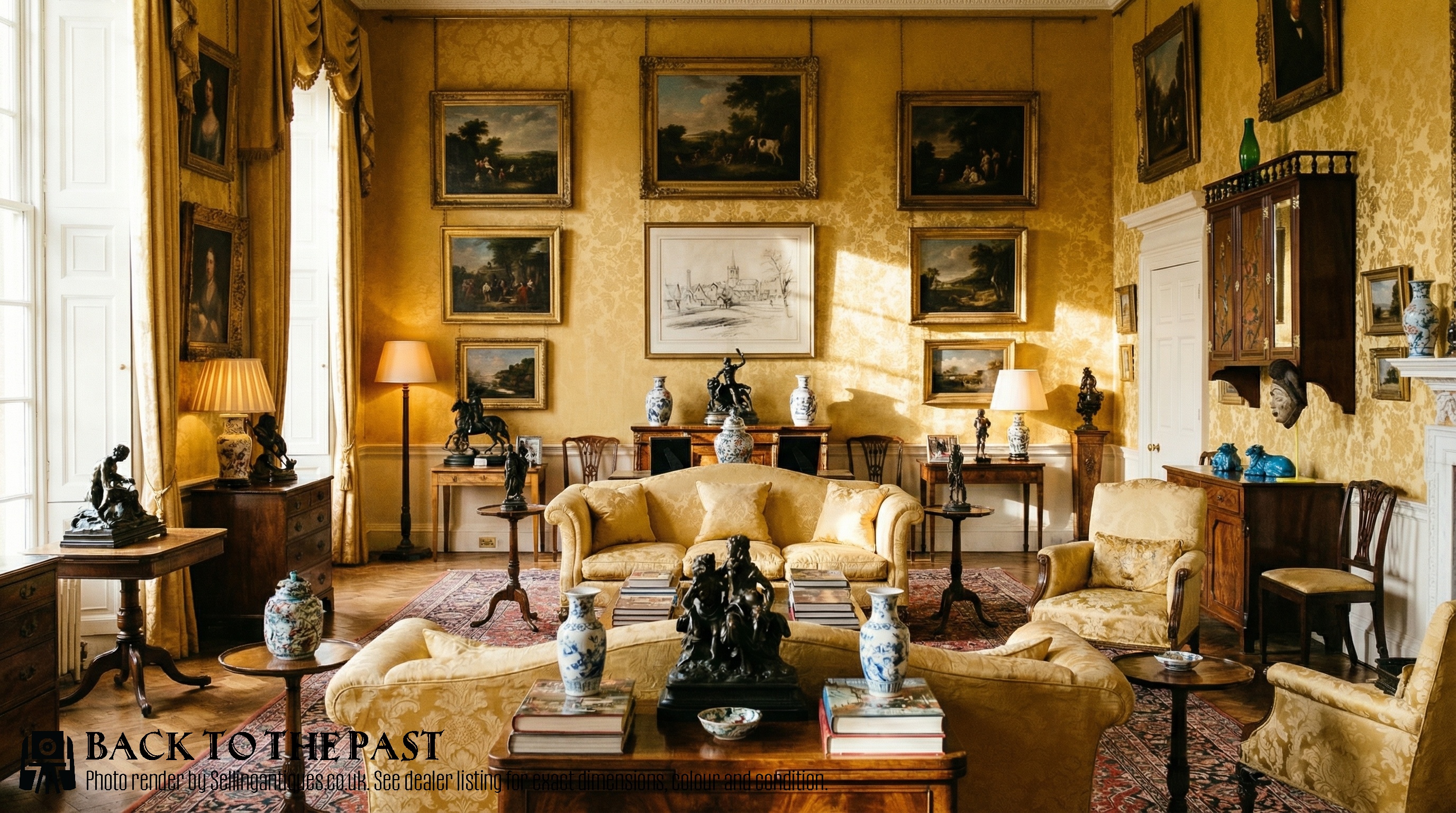
Walnut Hanging Cabinet
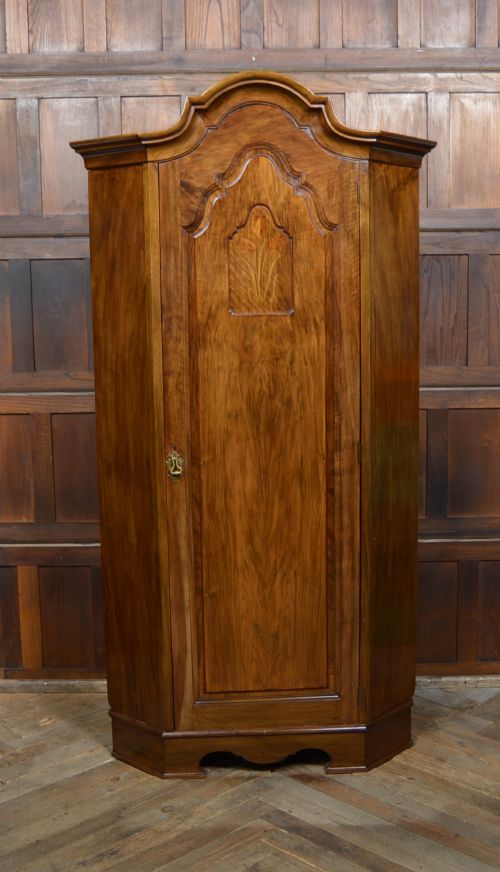
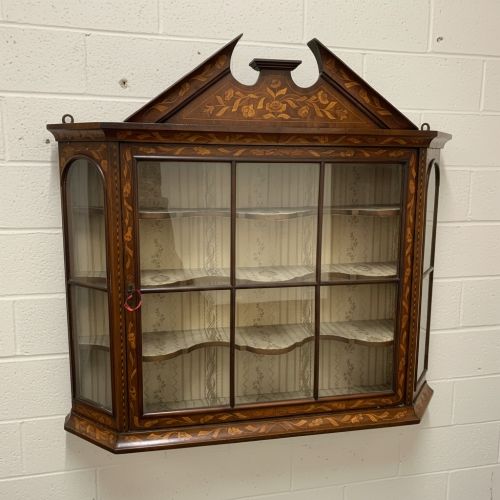
A walnut hanging cabinet is a wall-mounted storage piece designed to save floor space while displaying or concealing belongings. When searching for a walnut hanging cabinet, buyers encounter a mix of forms including corner cupboards, flat wall cabinets, and display cases secured directly to timber studs or masonry.
The pieces on this page span from the early eighteenth century through to the Edwardian period and the 1920s, reflecting shifts in domestic tastes over two hundred years. Eighteenth-century examples often feature architectural cornices and fielded panels, while Victorian and Edwardian versions lean towards glazed doors and display shelves.
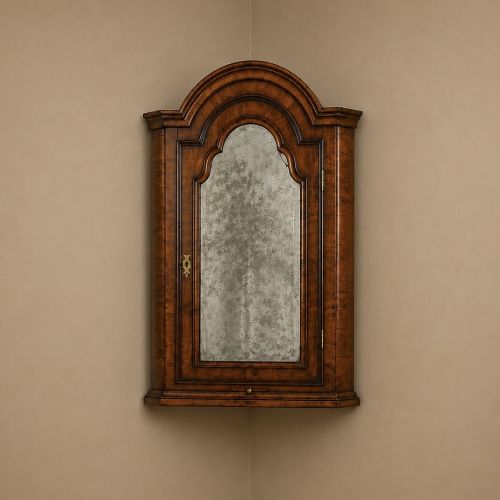
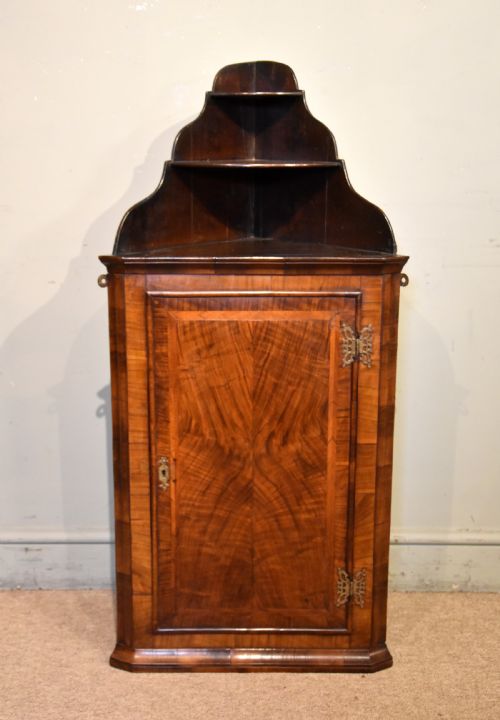
Corner variants dominate the selection, built specifically to utilise awkward angles in period rooms. Alongside these sit flat-fronted wall cabinets, bow-front designs, and occasional specialist items such as shaving mirrors and key cabinets.
Materials and Construction
Cabinetmakers relied heavily on solid walnut and burr walnut veneers, prized for their rich figuring and warm dark tones. Secondary timbers such as oak, fruitwood, and elm frequently appear on interior carcases, backboards, and drawer linings.
Decorative techniques include intricate marquetry inlay, particularly on Dutch and English pieces, alongside carved mouldings, turned finials, and brass hinges or escutcheons. Glazed doors utilise individual timber glazing bars to hold small panes of glass safely in place.
Design styles represented in the inventory include Queen Anne, George I, Dutch Baroque, Aesthetic Movement, Art Nouveau, and classical Georgian forms.
Judging Quality
Quality rests in the selection of the timber and the crispness of the cabinetmaker's joinery. High-end pieces display matched burr veneers and finely dovetailed drawer construction that holds firm across centuries of atmospheric changes.
Proportion and decorative restraint separate standard utility cupboards from masterworks. The best examples balance their cornice mouldings, door panels, and brass hardware into a cohesive architectural statement rather than a mere box on the wall.
Arthur Simpson
The Walnut Hanging Cabinet Glossary
- Marquetry
- The art of forming decorative patterns by fitting together small pieces of veneer. Cabinetmakers used contrasting timbers like fruitwood to create floral or geometric scenes.
- Corner Cupboard
- A storage unit built with a triangular plan to fit snugly into the meeting point of two walls. These pieces maximise unused angles in smaller rooms.
- Burr Walnut
- Timber taken from a tree growth where the grain has grown in a deformed, swirling manner. It yields highly figured veneers used on prominent door panels.
- Cornice
- The decorative moulding that crowns the top of a cabinet. It provides a visual cap to the architectural lines of the piece.
- Escutcheon
- A flat plate of brass or other metal surrounding a keyhole. It protects the surrounding wood from wear caused by the key.
Walnut Hanging Cabinet: Frequently Asked Questions
How do I hang an antique wall cabinet safely?
Antique wall cabinets require secure fixings matched to the weight of the timber and the specific construction of your walls. Most period pieces rely on heavy internal screw points or sturdy metal brackets added to the back stiles.
Because walnut is dense and heavy, professional installation using wall anchors suited to brick or studwork ensures the piece remains secure without straining historical joints.
Where were these cabinets placed in period homes?
Corner cupboards and wall cabinets found purpose in parlours, dining rooms, and hallways where floor space was at a premium. Corner units filled dead angles while keeping tableware or valuables within easy reach.
Smaller variants also served specialised domestic roles in bedrooms and bathrooms as shaving cabinets or enclosed shelving for personal items.
How do I tell an 18th-century cabinet from a Victorian copy?
Eighteenth-century pieces typically feature hand-cut dovetails, pegged mortise and tenon joints, and secondary woods native to the period like oak or pine. The timber patination tends to show a deep, soft wax finish accumulated over generations.
Victorian and later interpretations often display machine-sawn timber elements, different secondary woods, and standardised hardware that lacks the irregularities of hand-forged brass work.
How should I care for walnut furniture?
Walnut benefits from stable room environments away from direct sunlight and sudden temperature shifts that can dry out old timber. A light application of natural beeswax preserves the moisture and sheen of the wood.
Avoid silicone-based polishes, which sink into the pores of the grain and attract dust over time.