


Dark Walnut Wall Cupboard
A dark walnut wall cupboard brings rich timber grain and compact storage to any room, offering both period character and practical utility.
Dark Walnut Wall Cupboard
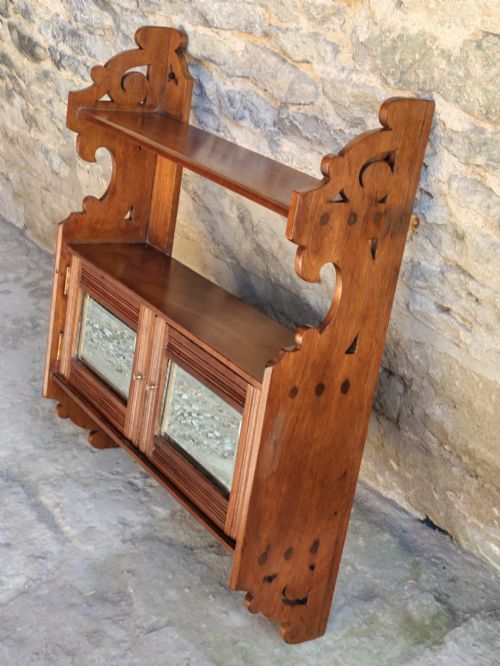
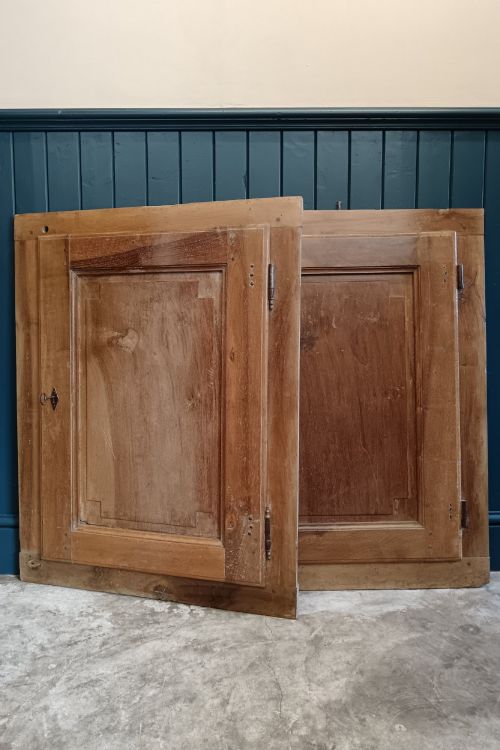
A dark walnut wall cupboard spans various eras from the eighteenth century through to the Edwardian period, appearing in forms such as hanging cabinets, corner cupboards, and architectural salvage doors. These pieces utilise deep timber tones and serve to organise small spaces while displaying refined historical styles like Gothic Revival, Aesthetic Movement, and Italian Baroque.
How they were made
Makers constructed these wall cupboards primarily from solid walnut and red walnut timber, selecting boards for rich grain patterns and deep natural colour. Joinery techniques varied by period, supporting both robust structural frames and delicate architectural mouldings.
Hardware elements such as brass hinges and iron latches accompanied glass panels in glazed doors, securing the contents while adding textural contrast to the dark wood surfaces.
The listings span multiple centuries, including eighteenth-century pieces, Victorian examples, and Edwardian designs.
What varies in quality
Quality in a dark walnut wall cupboard rests upon the selection of timber and the precision of the joinery rather than surface embellishment alone. Superior examples display harmonious grain matching across doors and panels, alongside original hardware that integrates seamlessly with the structure.
The sophistication of the period styling - whether the restrained lines of an Aesthetic Movement piece or the intricate carving of an Italian Baroque or Gothic Revival design - distinguishes finer workshops from standard production.
The Dark Walnut Wall Cupboard Glossary
- Walnut
- A dense, dark hardwood prized for its rich grain and durability in cabinet making. It forms the primary structural and visual material for these pieces.
- Red Walnut
- A specific tonal variety of walnut timber often seen in eighteenth-century furniture. It yields a warmer reddish-brown hue across cupboard surfaces.
- Aesthetic Movement
- A late nineteenth-century design style emphasising visual beauty and Anglo-Japanese motifs. Cabinets from this movement feature clean lines and decorative metal fittings.
- Breakfront
- A cabinet design where the central section projects forward from the flanking sections. This configuration adds architectural depth to larger wall units.
Dark Walnut Wall Cupboard: Frequently Asked Questions
How do I hang a heavy walnut wall cupboard?
Ensure the cabinet is anchored directly into wall studs using appropriate fixings rated for the weight of dense hardwood. Distribute the internal load evenly across shelves.
Consult a professional installer if the wall construction is lath and plaster or masonry to guarantee secure mounting.
Where should I place a corner cabinet?
Corner cabinets fit neatly into ninety-degree room junctions, making efficient use of otherwise neglected floor space. They work well in dining rooms or hallways for displaying small objects.
Keep them away from direct heat sources and strong sunlight to protect the walnut timber finish.
How do I clean antique walnut furniture?
Dust the surfaces regularly with a soft, dry cloth to prevent particulate buildup in the grain. Avoid silicone-based polishes which can damage the historic polish over time.
Apply a microcrystalline wax occasionally to nourish the wood and maintain a gentle protective sheen.
What is architectural salvage?
Architectural salvage consists of rescued building elements such as cupboard doors, frames, and panels removed from older structures. These pieces retain historical craftsmanship and materials ready for repurposed use.
They allow buyers to integrate authentic period woodwork into modern interior schemes.