


Small Glazed Wall Case
These small glazed wall case pieces offer compact display space, combining timber frames with glass panels to protect and exhibit collectibles.
Small Glazed Wall Case
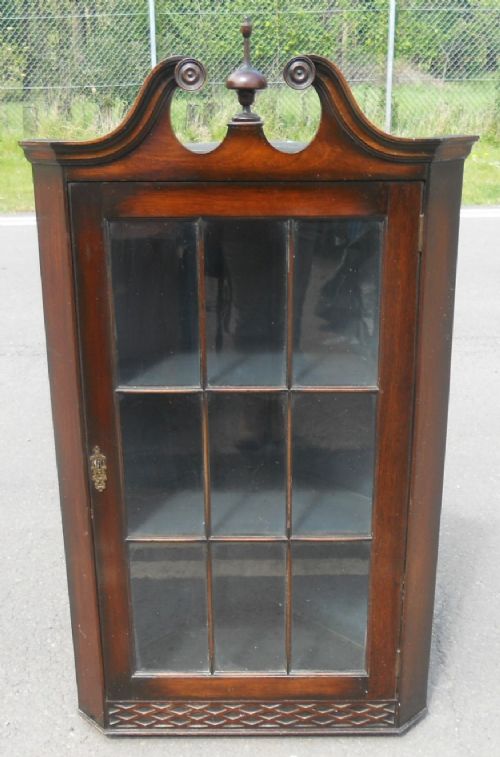
When you search for a small glazed wall case, you find timber hanging cupboards designed to mount on walls or sit upon surfaces for displaying small objects. The selection includes hanging corner cupboards, miniature display cabinets, and key cupboards from various periods.
Most examples you meet on this page date from the nineteenth century, the Edwardian era, or around nineteen hundred. They use woods such as mahogany and oak, frequently fitted with glass doors to reveal the interior shelves.
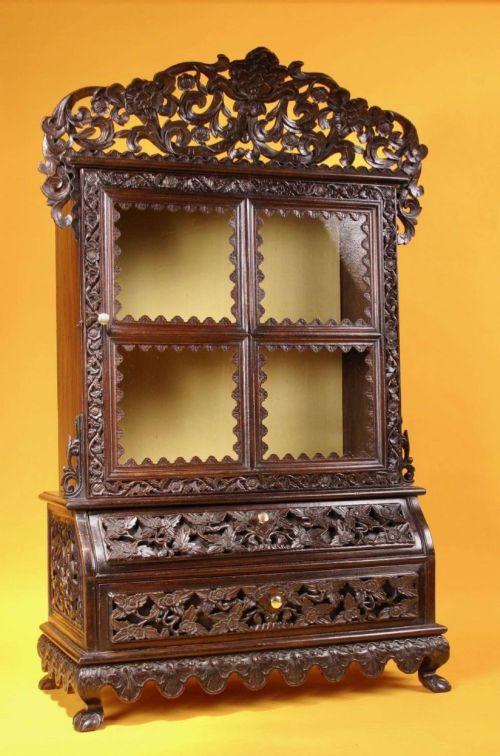
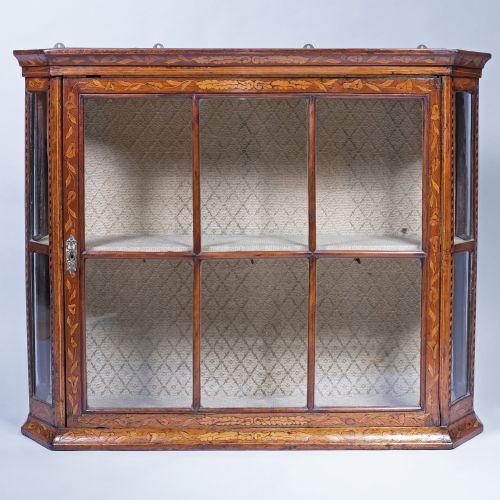
The forms range from flat-backed wall cabinets to angled corner cabinets built to utilise room space efficiently. Some feature specific details like fabric linings, mirror backs, or marquetry inlay.
How they were made
Cabinet makers constructed these pieces primarily using mahogany and oak, often adding brass hardware such as hinges and latches to secure the glazed doors. Marquetry inlay and carved hardwood appear on specific stylistic examples.
Glass panels are set into timber frames to allow visibility while keeping contents protected from dust. Interiors occasionally incorporate fabric linings or mirrors to enhance the display of small items.
Listings span from the eighteenth century through the Victorian and Edwardian eras up to nineteen thirty, showing mahogany, oak, and glass.
What varies in quality
The distinction between standard utility cupboards and finer display pieces rests in the choice of timber and the precision of the cabinet work. Mahogany and figured woods with delicate marquetry inlay sit at a different level from utilitarian oak key cupboards.
The Small Glazed Wall Case Glossary
- Glazed
- Fitted with glass panels. This allows contents to be viewed while protected from dust.
- Hanging corner cabinet
- A storage or display unit shaped to fit into the corner of a room and suspended from the wall. This form makes use of otherwise unused room junctions.
- Marquetry inlay
- Decorative patterns formed by inserting small pieces of wood into a veneered surface. It adds visual texture and colour variation to the timber.
- Miniature display cabinet
- A scaled-down version of a larger freestanding cabinet. These were built to display small collections on a wall or tabletop.
Small Glazed Wall Case: Frequently Asked Questions
How do I hang a wall cabinet safely?
These cabinets attach to walls using internal screw fixings or sturdy rear brackets designed to bear the weight of the timber and glass. You must anchor them securely into wall studs or use appropriate masonry plugs.
Because antique woods and glass add considerable weight, checking the integrity of the hanging points before loading shelves with heavy objects is essential.
What were small wall cabinets used for originally?
Original uses varied from displaying small ornaments and miniatures to storing keys in specialised cupboards. Domestic interiors utilised them to keep valued items visible yet secure.
Some variants, such as corner cabinets, served to store china or glassware in dining spaces without occupying floor area.
How do I tell an Edwardian cabinet from a Victorian one?
Victorian pieces often display heavier mahogany construction with darker finishes and traditional proportions. Edwardian examples tend to show lighter framing and occasionally incorporate satinwood details.
Construction methods and secondary woods inside the cabinet also help indicate the manufacturing period.
Can these cabinets support heavy items?
Internal shelves in these small cases are generally built for lightweight collectibles, porcelain, or keys rather than heavy books. The timber supports and glass panels are proportioned for delicate displays.
Overloading the shelves can strain the historical joints and the brackets holding the cabinet together.