


Small Hanging Corner Cupboard
A small hanging corner cupboard turns wasted wall junctions into useful display space using timber built to last centuries.
Small Hanging Corner Cupboard
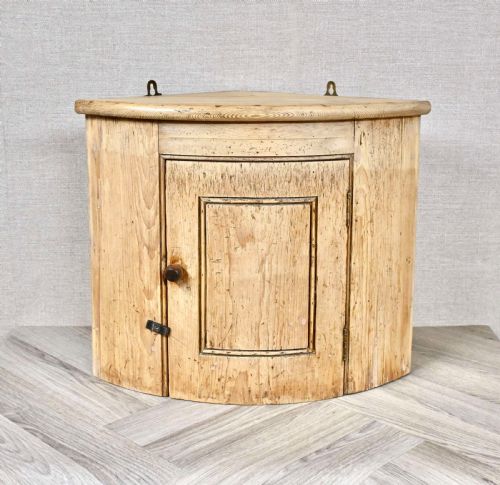
A small hanging corner cupboard provides storage designed specifically to mount into room angles where normal rectangular furniture fails to fit. These compact wall cabinets make intelligent use of awkward spatial intersections while keeping floor areas entirely clear.
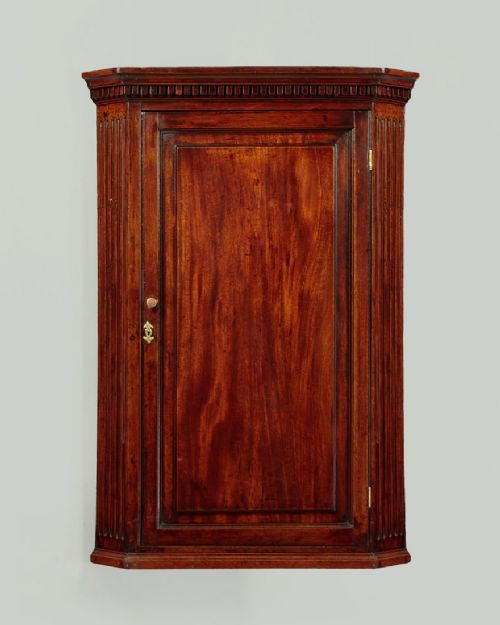
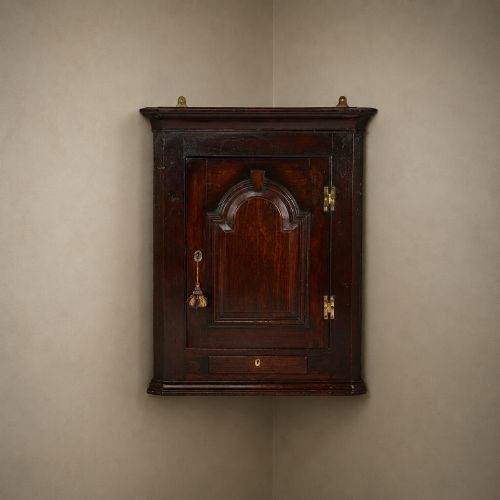
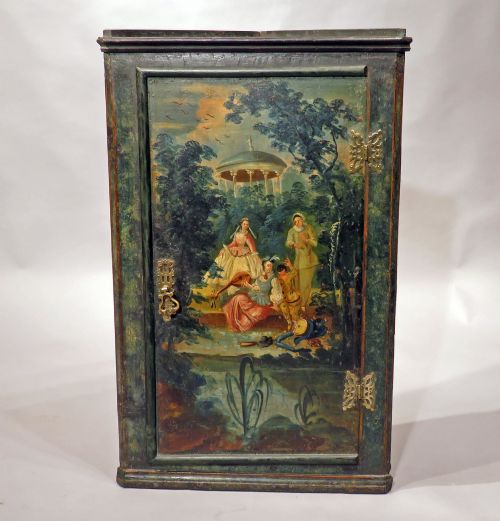
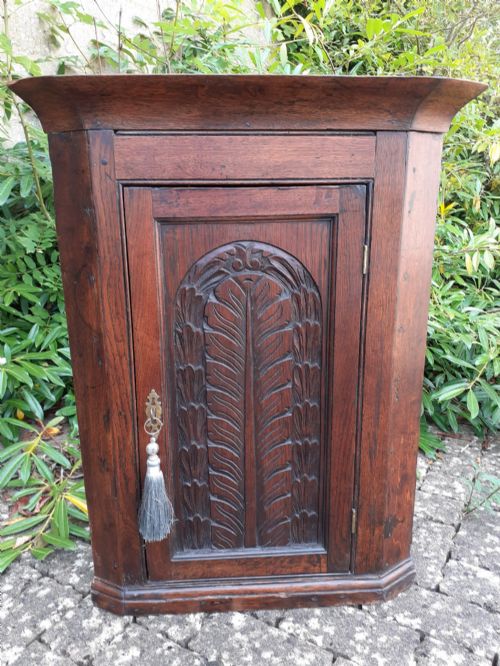
The pieces appearing here span Georgian, Victorian, and Edwardian eras, alongside rustic farmhouse and Arts and Crafts examples. Oak and mahogany dominate the selection, often featuring panelled wooden doors or glazed panels for displaying contents.
Most examples originate from British provincial workshops and domestic settings where space economy mattered. Buyers encounter everything from plain utilitarian pine to finely figured burr walnut and mahogany pieces with detailed cornices.
Materials and construction methods
Cabinet makers relied primarily on solid oak, mahogany, and pine for structural stability, housing them with traditional joinery like dovetails and mortise and tenon joints. Backboards typically consist of narrow vertical timber planks secured to wall-mounting brackets.
Surfaces received various treatments depending on the period, ranging from clear wax finishes on golden oak to painted pine interiors and faux tortoiseshell effects. Brass hinges and latches, alongside iron fittings, secure the doors while brass keys operate traditional mortise locks.
Many surviving cupboards retain their tiny original brass keys, proving that previous owners spent centuries successfully avoiding the drawer lock smith.
Distinctions in quality
Quality rests on timber selection and the refinement of subsidiary details like cross-banding, string inlay, and carved cornices. Mahogany and walnut pieces with figured veneers or tambour fronts represent a higher tier of joinery than standard painted or plain pine storage.
Originality dictates overall integrity, noting whether brass hardware, glass panes, and backboards remain undisturbed from the period of manufacture. Cabinets retaining their original surface patination and working keys carry greater historical completeness.
The Small Hanging Corner Cupboard Glossary
- Bow front
- A convex curved cabinet face that projects forward from the corner angles. This shape softens the geometric rigidity of standard square-fronted wall furniture.
- Tambour
- A flexible shutter door constructed from narrow vertical strips of wood glued to a canvas backing. It slides sideways within grooved tracks to conceal the interior.
- Cornice
- The decorative moulded projection running along the top edge of the cabinet. It crowns the structure and provides a visual transition to the ceiling line.
- Glazed door
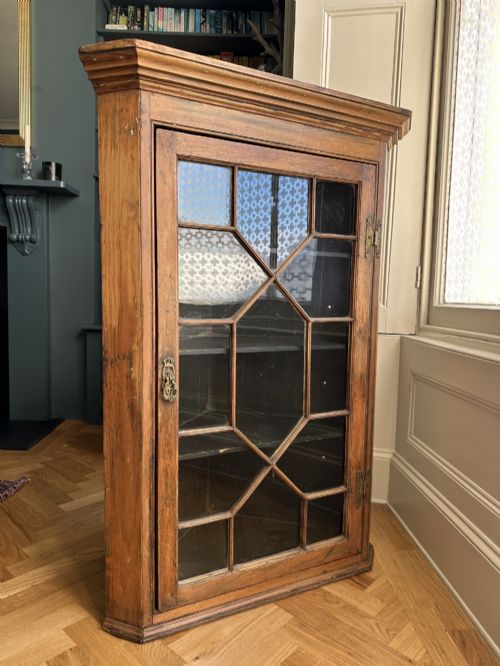
- A door fitted with glass panes to permit the display of ceramics or glassware stored inside. These often incorporate wooden glazing bars arranged in geometric patterns.
- Escutcheon
- A small protective plate surrounding the keyhole aperture on the cabinet door. It is commonly cast from brass and pinned directly into the wood face.
Small Hanging Corner Cupboard: Frequently Asked Questions
How do I hang a corner cupboard safely?
These cabinets mount using internal fixing holes drilled through the solid backboards or via sturdy brackets screwed directly into the corner framing. Securing the weight into structural wall studs or using heavy masonry anchors ensures the piece remains stable.
Because original timbers carry substantial weight, professional installation prevents strain on antique joints and old mounting points.
What rooms suit a corner cupboard best?
Kitchens, dining rooms, and hallways benefit most from these wall units because they utilise dead angles without encroaching on living space. They provide compact storage for tableware, spices, or books.
Bedrooms and studies also accommodate smaller variants for displaying collections or holding daily essentials.
How do I tell an 18th century cupboard from a later revival?
Early pieces from the seventeen-hundreds display hand-cut joinery marks, native oak or early mahogany timbers, and hand- wrought iron or early brass hardware. Construction methods show subtle irregularities from hand tools.
Revival pieces from the Victorian and Edwardian eras often utilise machine-sawn backing boards, standardised screw types, and cleaner, more uniform timber cuts.
How do I care for antique wood surfaces?
Maintaining the finish requires occasional applications of beeswax applied with a soft cloth and buffed gently along the grain. Avoid silicone sprays and keep cabinets away from direct heat sources and damp walls.
Protecting the surface from excessive sunlight prevents the mahogany and walnut tones from fading over decades of use.