


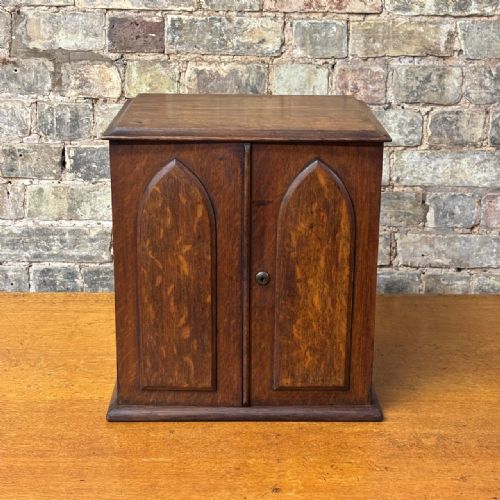


Carved Oak Wall Cupboard
A carved oak wall cupboard provides compact storage while adding rich grain and historic character to a room.
Carved Oak Wall Cupboard
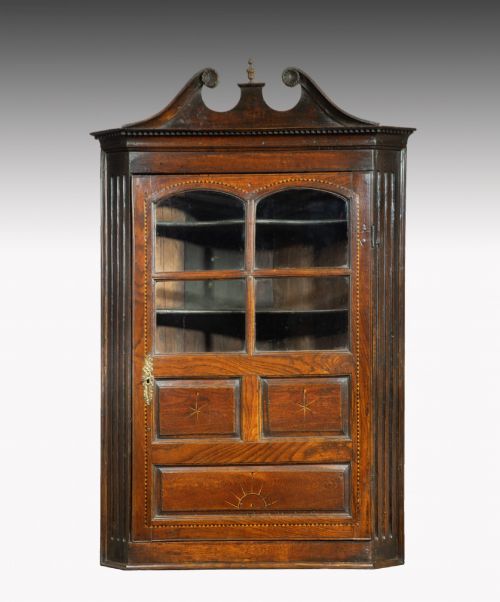
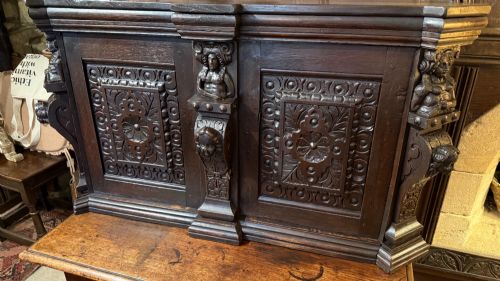
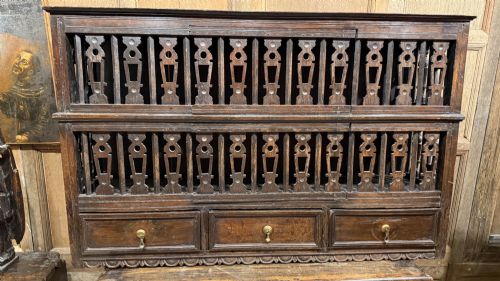
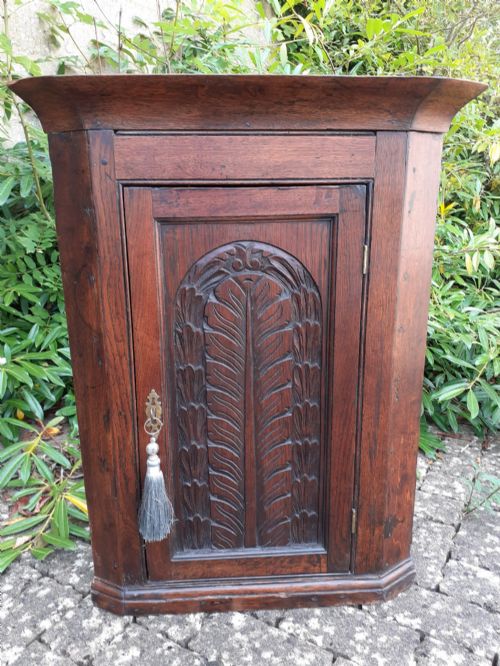
A carved oak wall cupboard is a hanging cabinet designed to mount directly onto a wall or fit neatly into a room corner. These pieces appear across several distinct historical eras, including the seventeenth, eighteenth, and nineteenth centuries, as well as the Victorian and Arts and Crafts periods.
The most frequent examples found in this inventory are Georgian corner cupboards and nineteenth century hanging wall cabinets. They originate from British, Welsh, and continental workshops, offering enclosed shelving for domestic spaces.
Distinctions in Standard
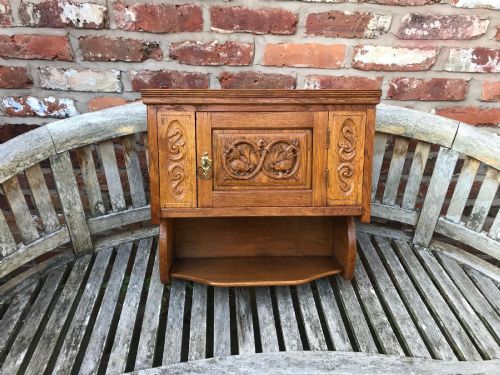
Quality rests in the crispness of the hand carving and the selection of figured timber for the main door panels. Pieces exhibiting balanced proportions and integrated architectural mouldings stand apart from simpler utility cabinets.
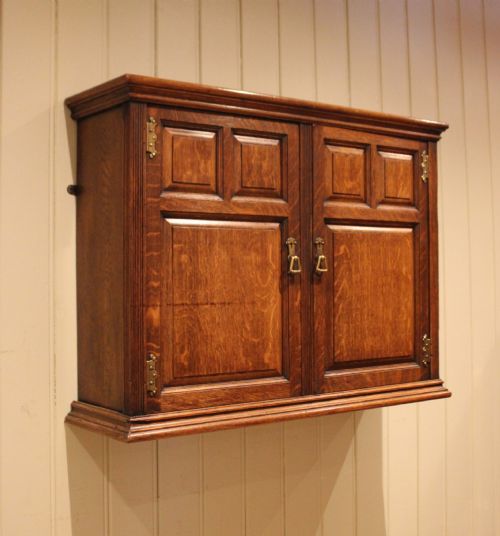
The integrity of the original hinges, locks, and internal shelving further separates standard regional pieces from finer workshops. Well-executed joinery ensures the heavy timber doors hang true without sagging over decades of use.
Several centuries ago, a dedicated food cupboard kept the cheese safe from the household cat.
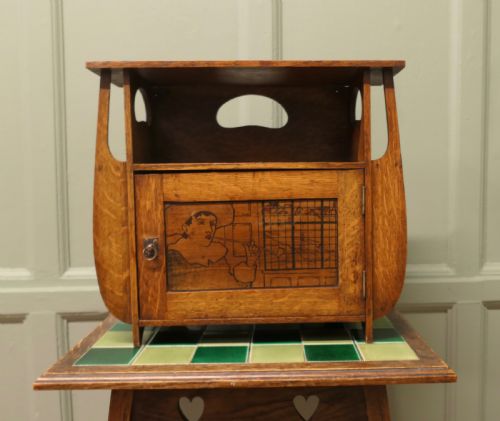
John Moyr Smith
The Carved Oak Wall Cupboard Glossary
- Corner cupboard
- A cabinet specifically constructed with a triangular footprint to fit into the internal corner of a room. This form maximises unused spatial areas in smaller chambers.
- Hanging cupboard
- An enclosed storage unit fitted with suspension brackets or sturdy backboards designed to be secured above floor level. They keep provisions or tableware elevated and accessible.
- Raised panel
- A central wooden insert within a door frame with edges thinned down to fit into a groove, allowing the wood to expand and contract. This technique adds depth and shadow lines to the facade.
- Pokerwork
- A decorative technique involving the burning of designs into the surface of wood using heated metal points. It is frequently encountered on Arts and Crafts examples.
- Fruitwood inlay
- Contrasting timber inserts embedded into the primary oak surface to create geometric or pictorial patterns. This decorative method enhances the visual richness of the cabinet door.
Carved Oak Wall Cupboard: Frequently Asked Questions
How do I hang a heavy oak wall cupboard?
These pieces require secure anchoring directly into wall studs or masonry using heavy-duty brackets suited to the weight of solid timber.
Professional installation ensures the cabinet supports the load of stored items safely.
Were these cabinets meant for kitchens or living rooms?
Historic wall cupboards served multiple domestic roles, functioning as food storage, spice cabinets, or display units in parlours and dining spaces.
Their placement depended entirely on the room layout and household needs.
How do I tell an 18th century cupboard from a Victorian one?
Eighteenth century examples typically display hand-planed surfaces, pegged mortise and tenon joinery, and simpler raised panels associated with regional cabinet makers.
Victorian pieces often incorporate revival styles, machine-sawn backing boards, and heavier decorative mouldings.
How should I care for antique oak furniture?
Maintain the timber by applying a traditional beeswax polish sparingly and buffing with a soft cloth to preserve the finish.
Keep the cabinet away from direct heat sources and dramatic humidity fluctuations to prevent wood splitting.