

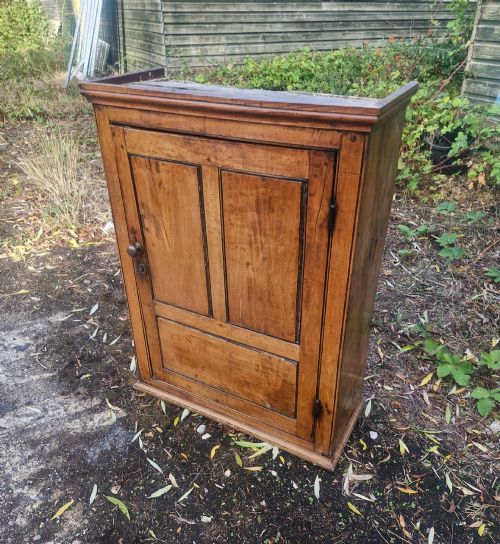
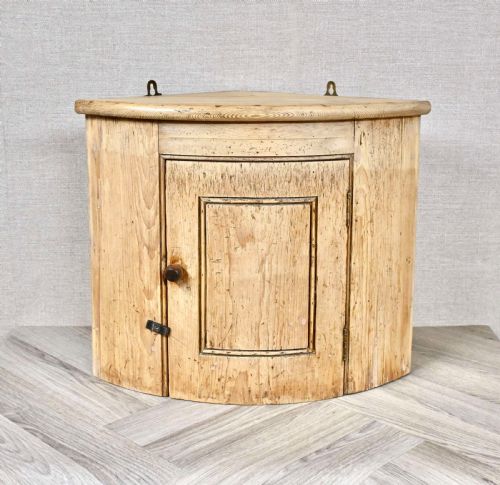
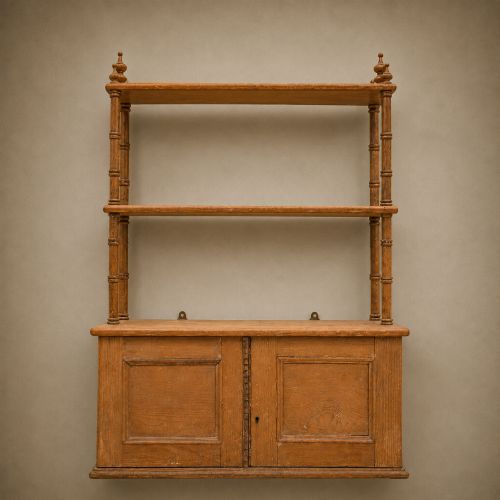
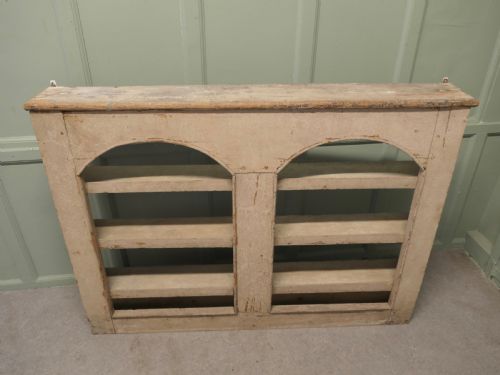
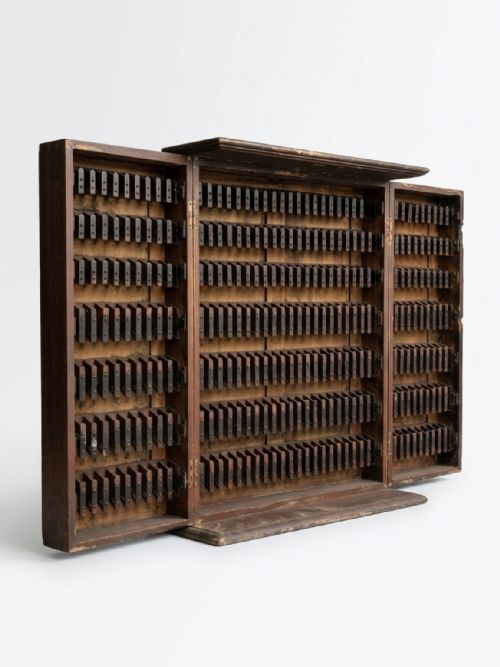
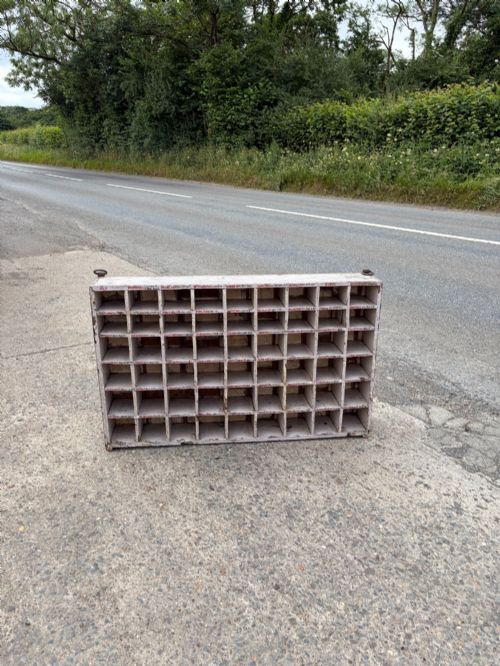
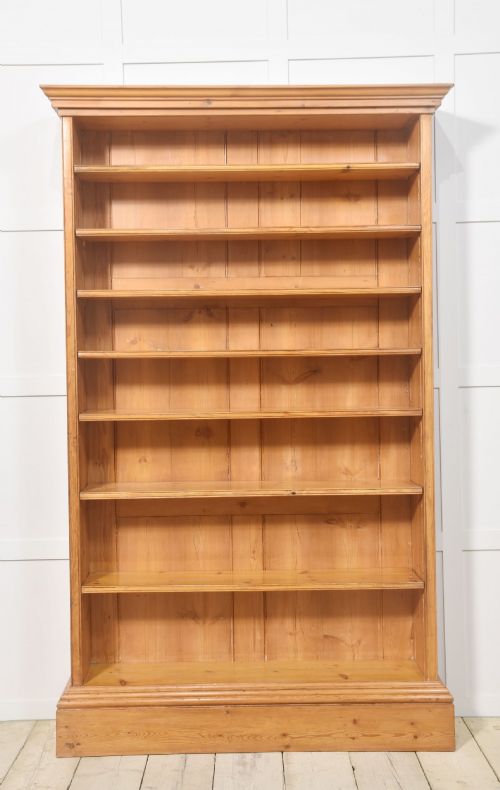
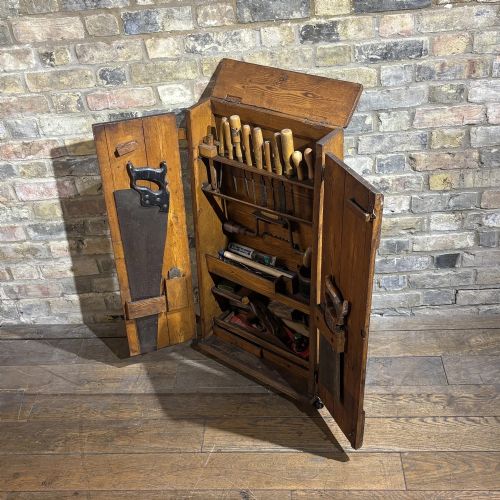
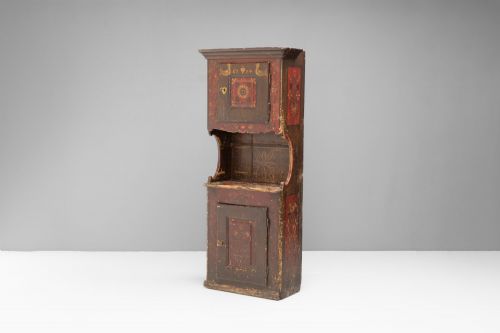
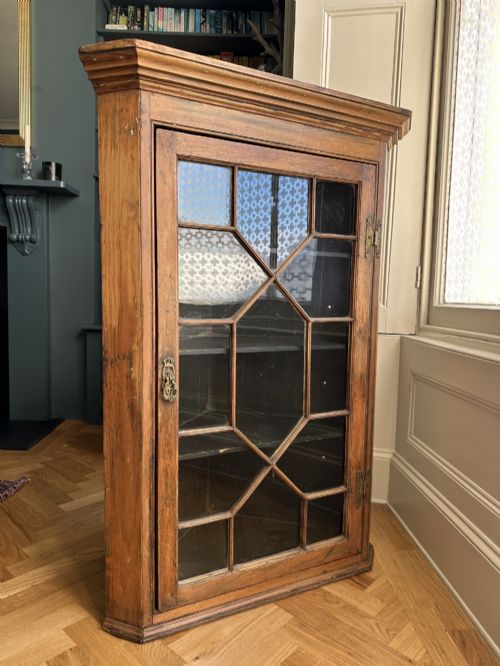
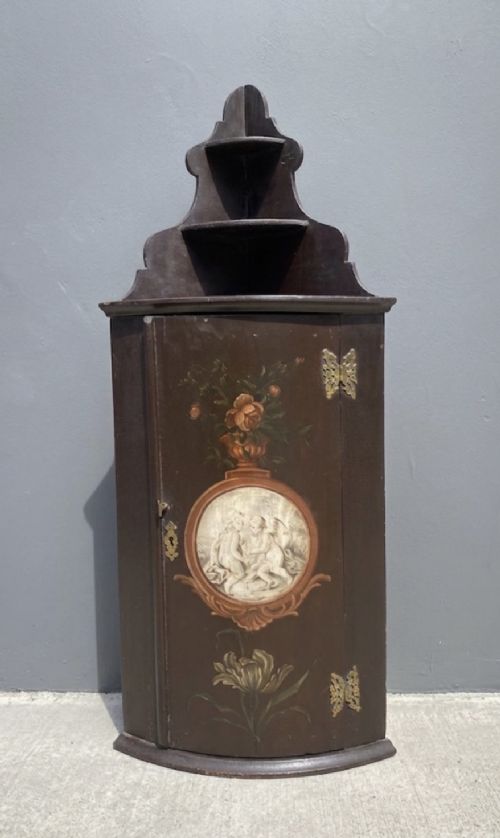


Pine Wall Cabinet
A pine wall cabinet brings utilitarian warmth to a room, offering compact storage with simple domestic charm.
Pine Wall Cabinet
A pine wall cabinet spans simple provincial cupboards and glazed display pieces designed to mount directly onto a wall or sit within a corner.
The pieces appearing here range from late eighteenth-century Georgian and provincial continental examples to Victorian and later twentieth-century iterations.
Forms include single-door hanging cupboards, corner cupboards, glazed display units, spice boxes, and open shelving combinations.
How they were made
Construction relies primarily on pine timbers, sometimes paired with oak or pitch pine, assembled with traditional joinery and paired with iron or brass hardware.
Many surfaces retain original or later paint finishes, ranging from muted tones on Swedish and Finnish cupboards to stripped wood and waxed surfaces.
Glazing appears on selected display cabinets, while smaller compartments utilise peg fixtures, drawers, and pigeon holes for specialised storage.
Materials recorded across these pieces include pine, oak, pitch pine, brass, iron, paint, metal, and glass.
What varies in quality
Quality rests upon the integrity of the original timber, the subtlety of hand-painted surfaces, and the survival of early glass panes and hardware.
Proportion and architectural detailing distinguish finer Georgian and continental vernacular pieces from simpler utilitarian workshop iterations.
The Pine Wall Cabinet Glossary
- Pine
- A softwood widely used in vernacular and country furniture for its workability and distinct grain. It takes paint and wax finishes readily.
- Pitch pine
- A denser, resinous variety of pine known for a pronounced grain pattern. It frequently appears in Victorian and later utility pieces.
- Corner cupboard
- A triangular cabinet designed to fit snugly into the corner of a room. These make efficient use of wall space in compact interiors.
- Glazed door
- A door fitted with glass panes to display contents while keeping dust out. This feature is common on wall-hanging bookcases and display cabinets.
- Spice box
- A small wall-hanging cabinet with internal drawers or compartments. These were traditionally used in kitchens for storing herbs and spices.
Pine Wall Cabinet: Frequently Asked Questions
Where should a pine wall cabinet go?
These pieces hang securely on kitchen, bathroom, or hallway walls where floor space is limited. Their shallow depth allows them to sit comfortably above counters or sideboards.
Corner models utilise unused angles in smaller rooms to provide enclosed storage without crowding the floor plan.
How do I care for painted pine?
Painted surfaces respond best to gentle dusting with a dry or slightly damp cloth. Avoid harsh chemical cleaners that can lift older layers of paint.
Waxed pine surfaces benefit from occasional application of traditional beeswax to nourish the wood and maintain a soft sheen.
Are these cabinets heavy to hang?
Weight depends on the density of the timber, with pitch pine and larger glazed versions requiring sturdy wall fixings. Most pieces use internal screw brackets or hanging plates secured directly into wall studs.
Solid construction means proper anchor points are essential for safe installation.
How can I tell the age of a cabinet?
Construction marks, such as hand-cut joints, old glass irregularities, and forged iron hinges, often point toward eighteenth or nineteenth-century origins. Painted finishes also offer clues through craquelure and weathering patterns accumulated over decades.
Later Edwardian and twentieth-century pieces generally display more uniform machining and modern hardware.