
19th Century Wall Cabinet
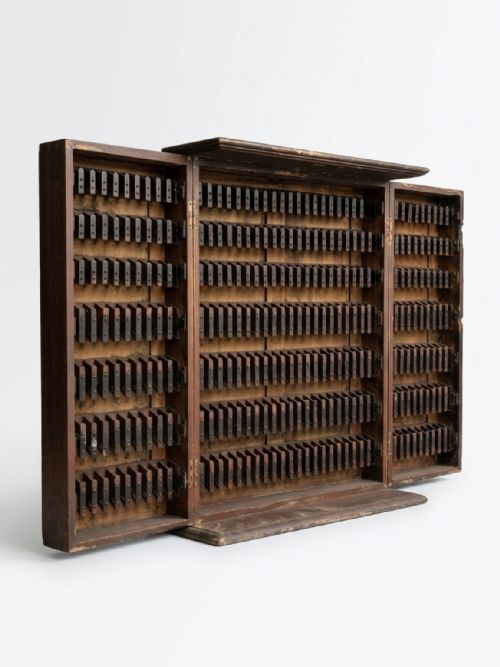
A 19th century wall cabinet organises domestic space while displaying prized possessions within compact, timber-built frames designed to be hung safely at eye level.
19th Century Wall Cabinet
A 19th century wall cabinet encompasses a wide array of hanging storage units designed during the Georgian and Victorian eras to economise floor space.
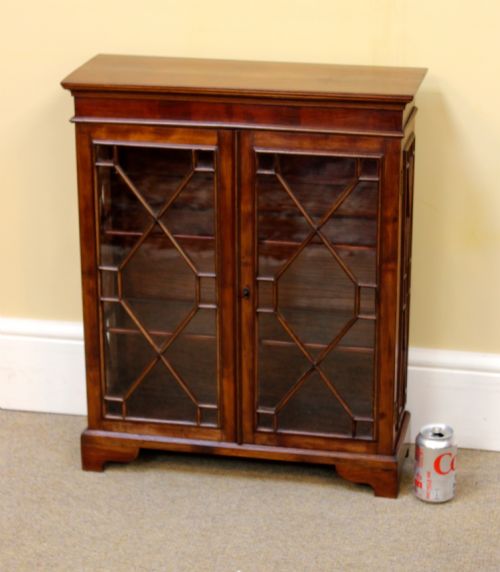
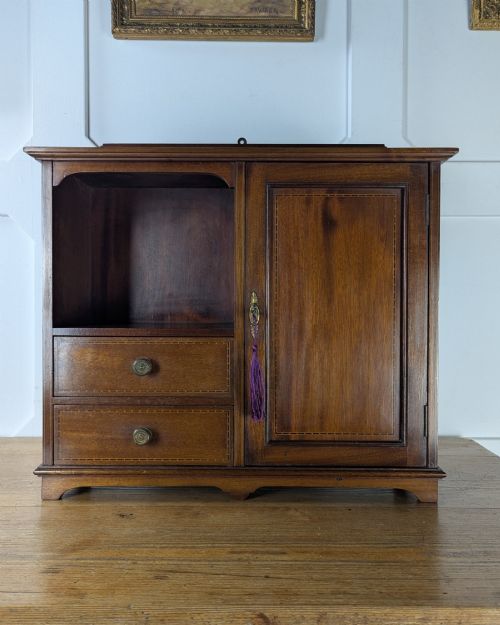
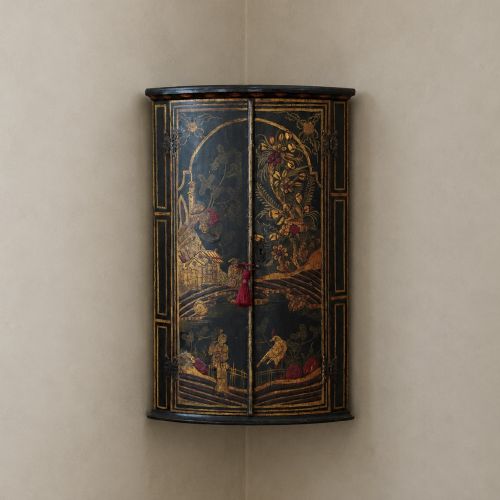
The versions most commonly met on this page include mahogany, oak, and pine corner cupboards, glazed display units, and panelled smoker's cupboards originating from English, French, and Dutch workshops.
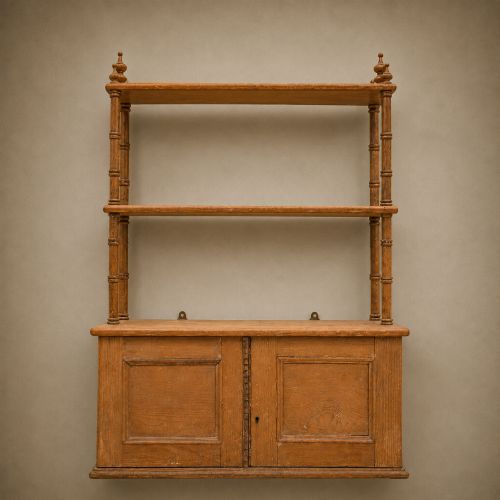
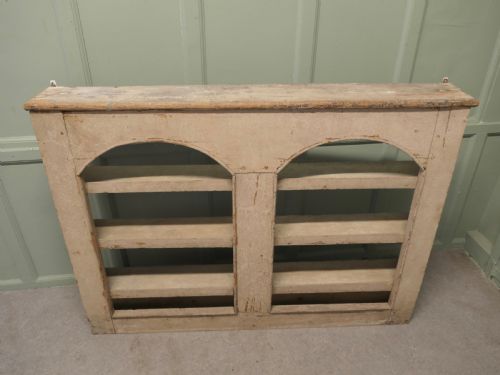
These pieces range from utilitarian painted pine kitchen boxes to finely inlaid satinwood and burr walnut cabinets intended for formal parlours.
Materials and Construction
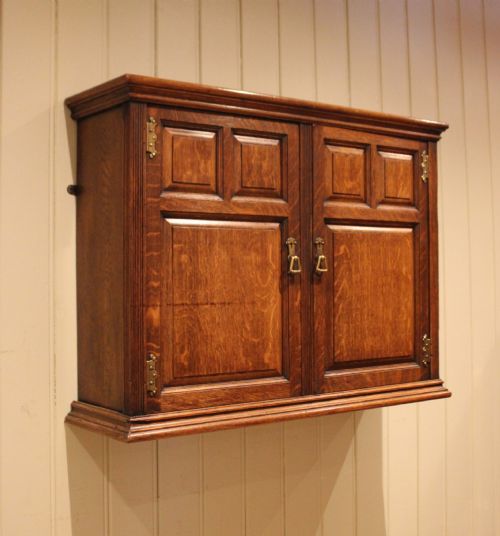
Cabinetmakers utilised dense hardwoods such as mahogany, oak, walnut, and fruitwood alongside softer timbers like pine and limewood, frequently applying gilt, paint, or satinwood veneers to the exterior surfaces.
Joinery techniques involved sturdy dovetail joints for the carcase and mortise and tenon frames for doors, often fitted with brass hinges, locks, and glazed panels to protect the interior contents.
Listings feature woods including mahogany, oak, walnut, satinwood, pine, and limewood, alongside painted, japanned, and inlaid decorative finishes.
Design and Execution
Quality rests upon the selection of timber figure, such as flame mahogany or burr walnut, and the precision of decorative inlays.
Finer examples display careful hand-carved mouldings, balanced proportions, and original brass hardware, whereas utilitarian pieces rely on simpler construction methods and plain painted finishes.
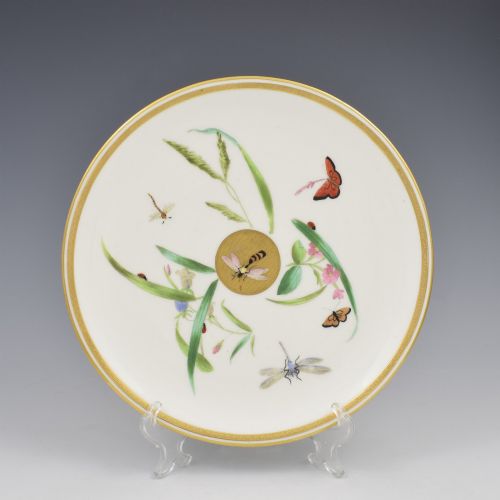
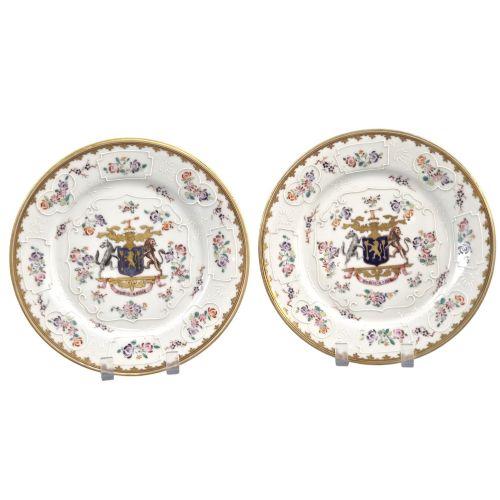
William Bird MD FLS·Spode·Minton·Edmé Samson et Cie·John Ridgway
The 19th Century Wall Cabinet Glossary
- Bow Front
- A convex curved cabinet front that projects outward from the corners, popular during the Georgian and Regency periods. This shape softens the room's angles while adding internal depth.
- Glazed
- Fitted with glass panes held in place by timber or metal glazing bars to display contents securely. It protects delicate items from dust while maintaining visibility.
- Corner Cupboard
- A specialised storage unit built at a right angle to fit snugly into room corners. These save valuable floor space while utilising overlooked architectural junctions.
- Inlay
- A decorative technique where contrasting woods, brass, or shell are inserted into hollowed-out recesses on the timber surface. This creates flat, ornamental patterns across the doors or frieze.
19th Century Wall Cabinet: Frequently Asked Questions
How were 19th century wall cabinets used?
These units held household provisions, ceramics, tobacco, or valuable personal items within easy reach above floor-standing furniture.
Their elevated position kept contents safe from damp floors and busy rooms while serving as decorative focal points on panelled walls.
Where should I hang my cabinet?
Select a wall capable of supporting the weight of dense hardwoods like oak or mahogany, preferably away from direct sunlight and fluctuating radiator heat.
Corner models fit neatly into dead space, while flat-backed glazed cabinets suit prominent wall spaces above sideboards.
How do I identify the wood type?
Examine the grain patterns and colour variations across the cabinet door panels and frame. Mahogany exhibits a reddish-brown tone with interlocked grain, while walnut shows darker, swirling figures.
Pine and fruitwood present lighter, softer hues that often carry historical painted finishes or transparent varnish.
Are the locks and glass original?
Inspect the glass panes for slight surface ripples, bubbles, or minor thickness variations characteristic of nineteenth-century manufacturing methods.
Original brass locks typically show patination and correspond neatly to the keyholes without secondary screw insertions nearby.