
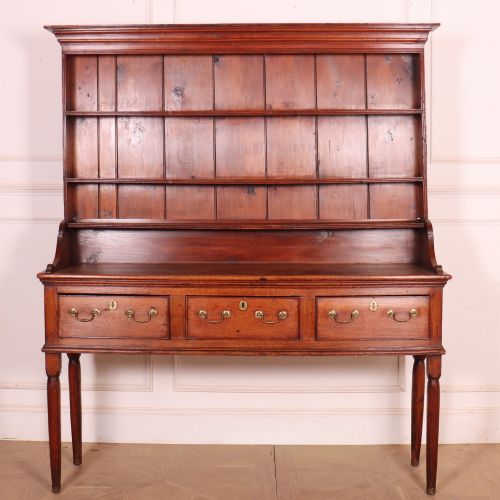

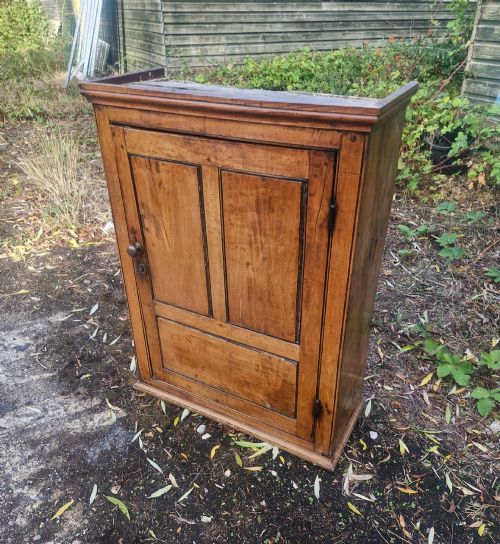
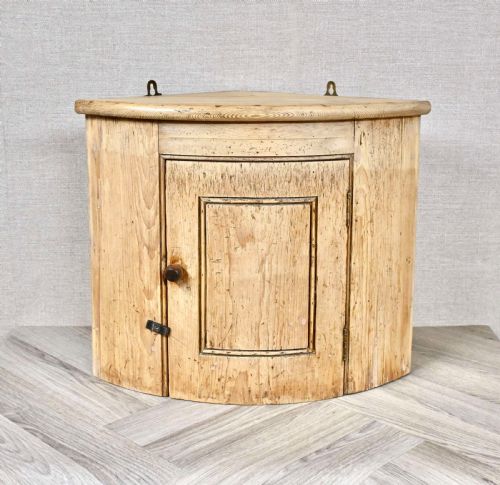
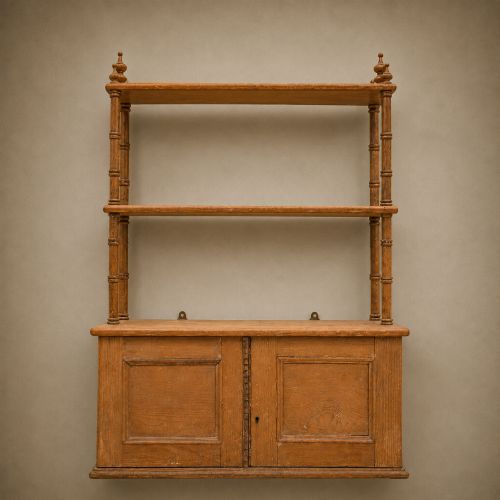


Country Pine Wall Cabinet
Country pine wall cabinets bring practical storage and simple charm to domestic spaces, ranging from rustic farmhouse forms to painted Scandinavian designs.
Country Pine Wall Cabinet
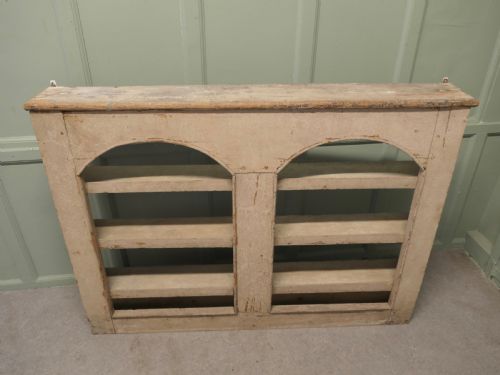
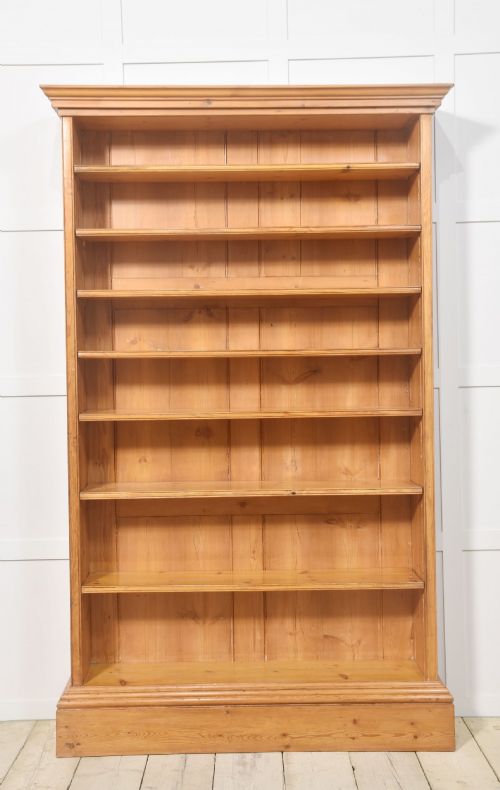
A country pine wall cabinet provides compact wall-mounted storage through enclosed cupboards, open shelving, and corner configurations. These pieces serve functional roles in kitchens, living spaces, and utilitarian rooms across domestic properties.
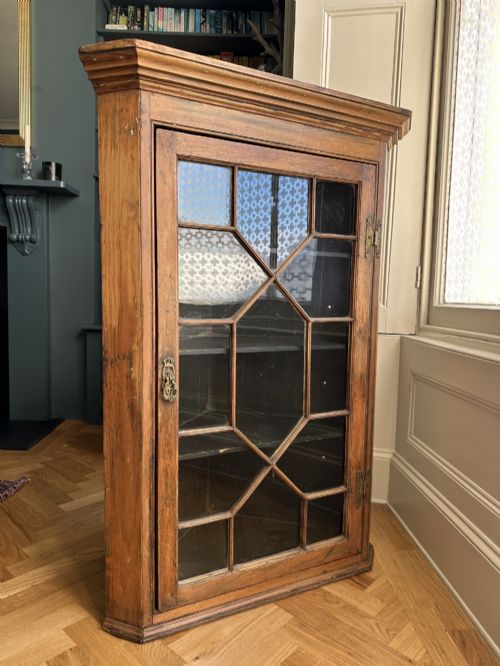
Forms include wall cabinets, bookcases, corner cupboards, wall shelves, alcove shelving, corner cabinets, spice cabinets, and spice boxes. Pieces frequently employ pine alongside secondary woods like oak, complemented by brass and iron hardware.
Surfaces vary between stripped timber, distemper paint, and glazed doors with original painted interiors. Certain examples display later decorative sign writing or functional kitchen rack additions.
How they were made
Joinery relies on solid pine construction, frequently paired with oak elements for structural reinforcement or secondary sections. Iron and brass hinges, latches, and hooks secure doors and support wall hanging functions.
Surface treatments range from natural finishes to applications of paint and distemper paint. Glazed door panels incorporate glass within timber frames, while painted interiors preserve early pigments.
Listings feature pine and oak constructions finished with glass, iron hardware, and distemper paint.
What varies in quality
The integrity of original painted surfaces and distemper finishes distinguishes standard examples from those retaining early decorative schemes. Surviving original hardware, such as brass or iron latches, contributes to authenticity.
Construction methods and timber selection influence the structural stability of hanging cupboards and corner cabinets. Clean proportions and balanced joinery separate utilitarian storage from finer decorative regional pieces.
The Country Pine Wall Cabinet Glossary
- Pine
- A soft timber widely utilised in regional furniture making for its accessibility and workability. It takes paint, distemper, and wax finishes readily.
- Distemper paint
- A traditional water-based medium bound with size or glue, frequently found on historic country furniture. It yields a matte finish that mellows with age.
- Spice cabinet
- A small wall-hanging storage piece traditionally designed with internal drawers or small compartments for culinary ingredients. These compact units save valuable worktop space.
- Alcove shelving
- Fitted storage units designed to occupy wall recesses or awkward corners. They maximise available room proportions in domestic interiors.
- Corner cupboard
- A triangular cabinet engineered to fit flush into room angles. These pieces utilise dead space efficiently in smaller apartments and cottage rooms.
Country Pine Wall Cabinet: Frequently Asked Questions
Where should I hang a wall cabinet?
These pieces suit kitchens, dining areas, and hallways where floor space remains limited. Secure them directly into structural wall studs to support the weight of the timber and stored contents.
Ensure the mounting height aligns with eye level or functional reach depending on whether the unit contains open shelves or an enclosed cupboard.
How do I care for painted pine surfaces?
Dust surfaces gently with a dry, soft cloth to prevent particulate accumulation. Avoid chemical cleaners and excessive moisture, which can damage historic paint and distemper layers.
Wax finishes benefit from occasional application of suitable natural paste wax applied sparingly and buffed gently with a clean cloth.
What is the difference between a spice box and a wall cabinet?
Spice boxes are smaller wall-hanging enclosures traditionally built with internal subdivisions or miniature drawers for provisions. Wall cabinets offer larger general storage capacities with shelves or full-sized cupboard doors.
Both forms utilise the same pine construction methods and regional vernacular styles seen across nineteenth-century interiors.
Are corner cupboards difficult to install?
Corner cupboards require accurate measurement of wall angles to ensure the frame sits flush against both adjacent surfaces. Fixing points must anchor into solid masonry or timber framing behind the plaster.
Level the unit carefully during mounting to ensure doors swing correctly and internal shelves remain even.