
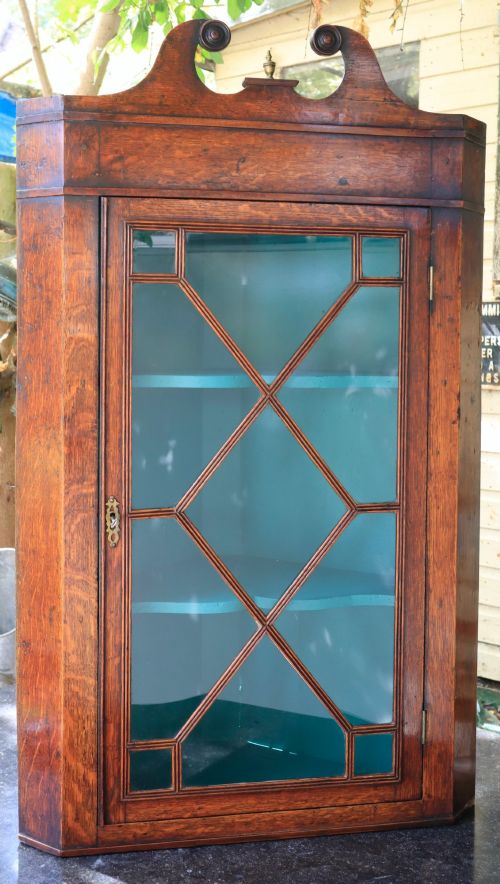
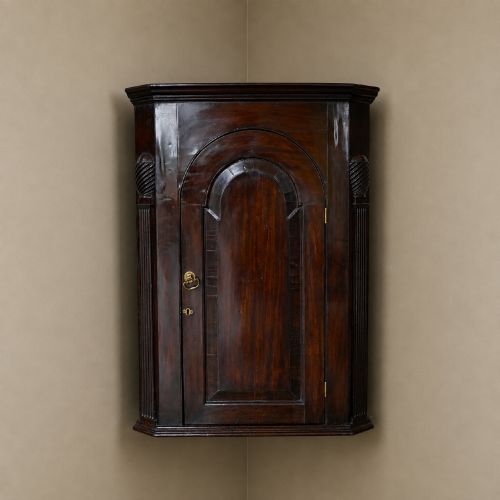
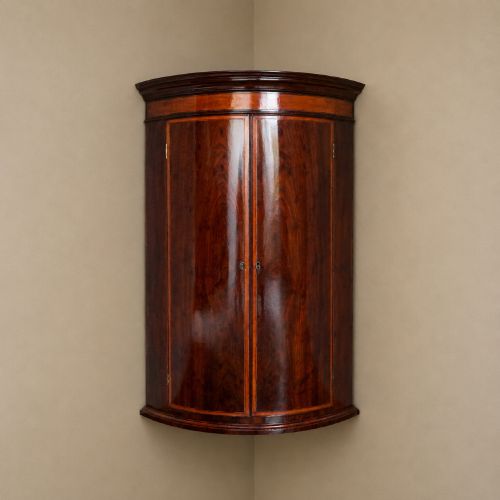
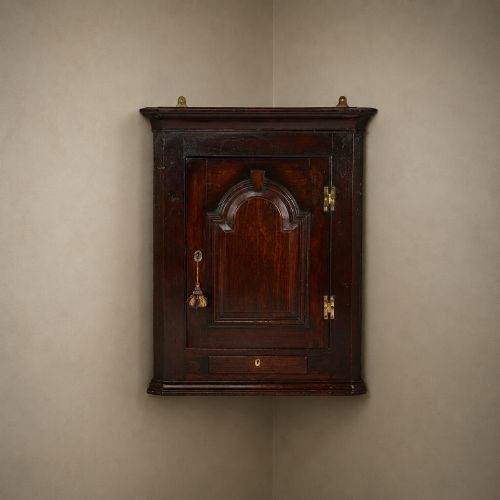
Vintage Wall Hanging Cupboard
When you search for a vintage wall hanging cupboard, you find timber cabinets designed to mount directly onto rooms to hold household goods.
Vintage Wall Hanging Cupboard
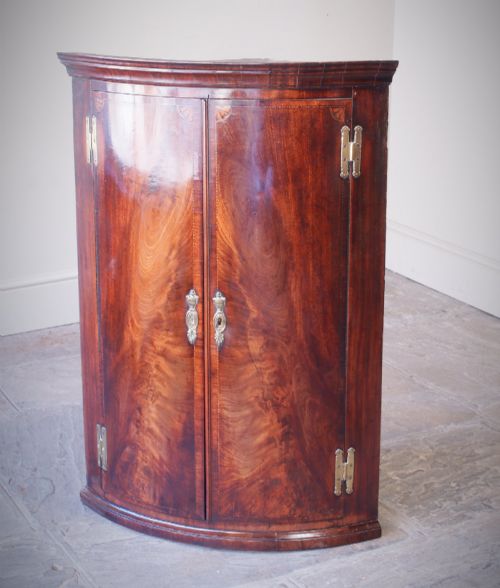
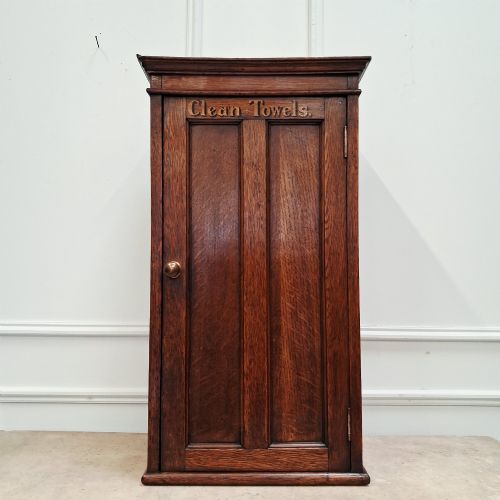
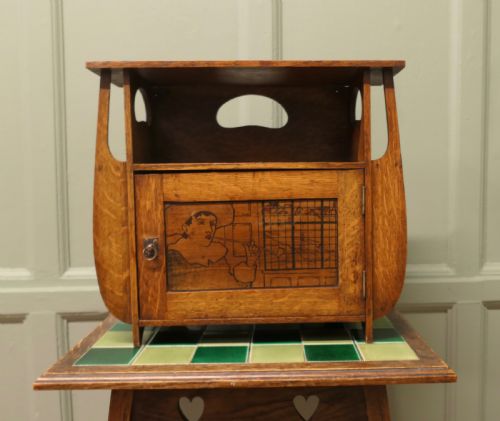
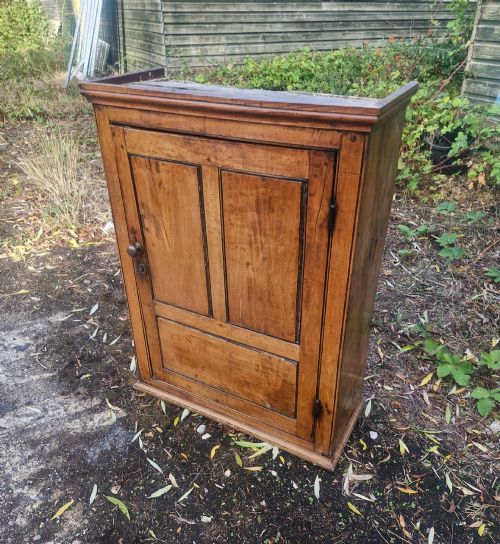
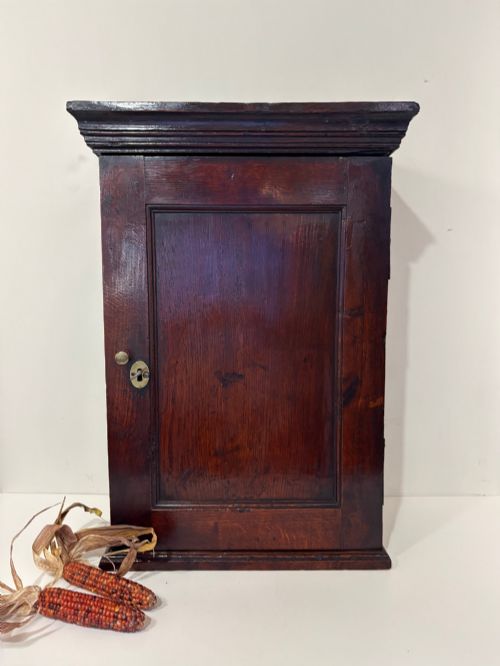
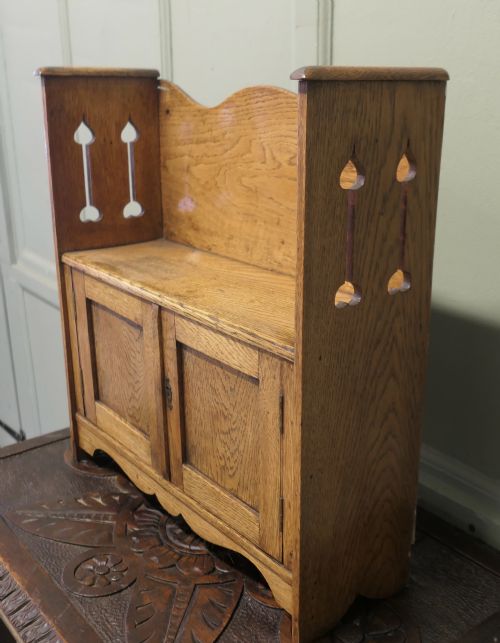
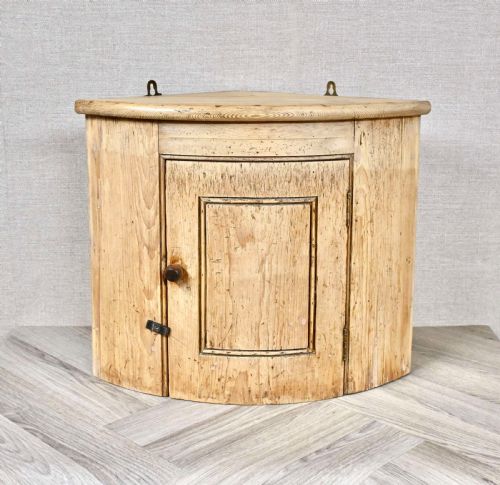
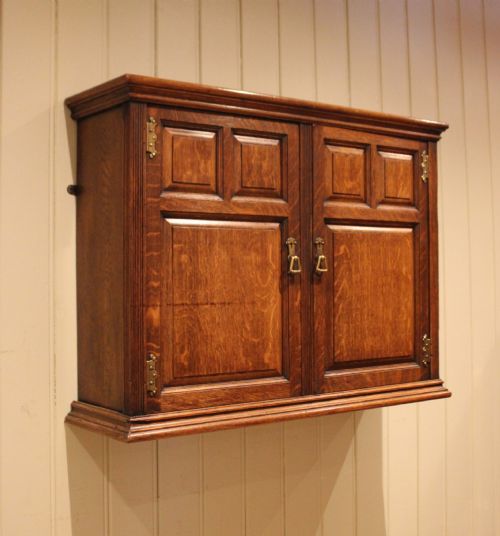
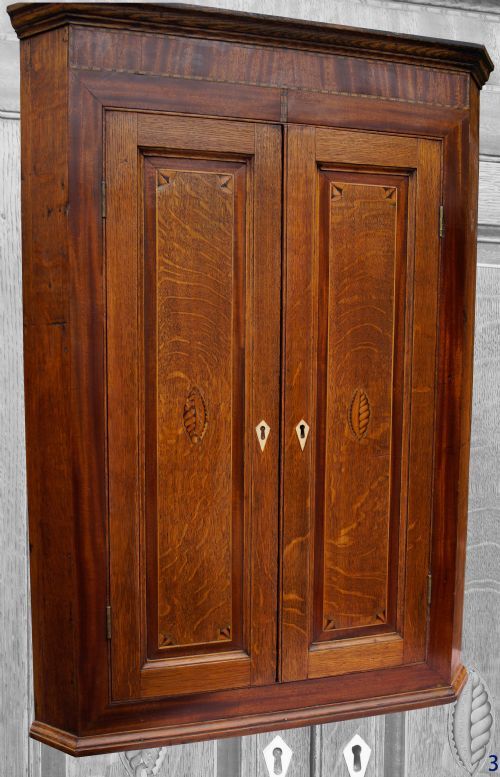
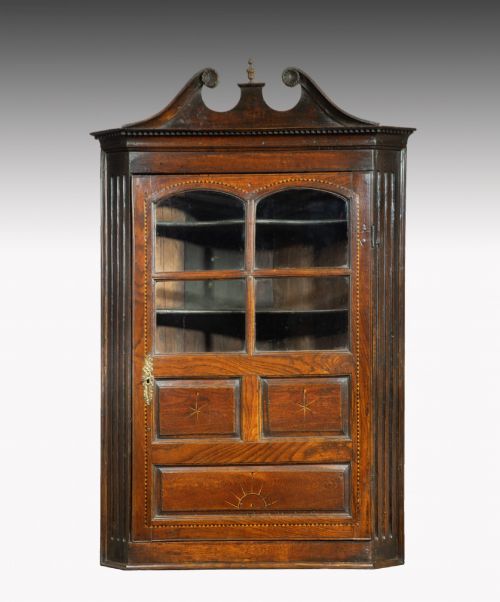
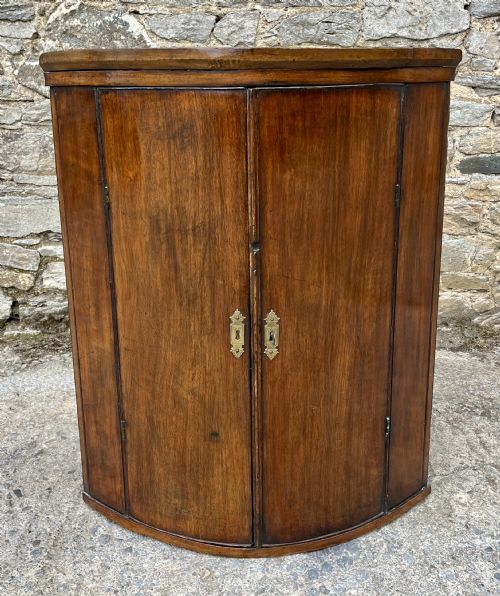
A vintage wall hanging cupboard typically presents as a corner cabinet, a flat wall cabinet, or a display unit designed to save floor space in domestic interiors. These pieces span centuries of cabinet making, appearing in forms from eighteenth-century Georgian oak and mahogany to later Edwardian and Arts and Crafts iterations.
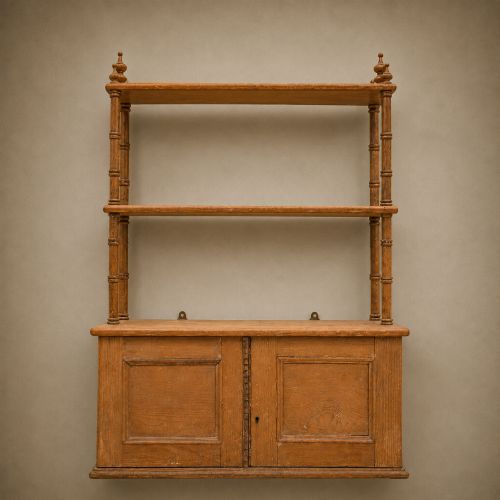
Corner units dominate the selection, utilising otherwise dead angles in rooms to provide storage behind panelled or glazed doors. Alongside these, flat fronted wall cupboards and open shelf combinations offer storage and display surfaces suitable for kitchens, halls, and living spaces.
Origins stretch across Britain and continental Europe, including English country workshops, Swedish painted pieces, and French provincial examples. Buyers encounter everything from robust rustic pine and oak to refined mahogany and walnut constructions.
Materials and construction methods
Cabinet makers relied predominantly on solid timbers such as oak, mahogany, pine, and walnut, often selecting figured woods like plum pudding mahogany for formal display pieces. Secondary woods and structural elements incorporated brass hinges and locks, iron fittings, and glass panels for glazed doors.
Surface treatments vary widely from polished and waxed timber grains to painted, japanned, and Chinoiserie finishes. Construction involved traditional joinery techniques, accommodating curved bow fronts, inlaid details, and carved decoration.
Listings feature wall cupboards spanning from the seventeenth century through the Georgian, Victorian, and Edwardian eras into the nineteen thirties.
Judging the standard of a wall cupboard
Quality rests in the choice of timber and the sophistication of its preparation, from plain utility pine to figured mahogany and intricate Chinoiserie lacquer work. The integrity of the original hardware, glass, and painted interiors separates standard utility pieces from finer decorative examples.
The precision of the joinery and the survival of original surface patination dictate the standing of a cabinet. Finer examples retain their original keys, working locks, and untouched finishes that reflect the period of their manufacture.
Arthur Simpson·H. Upmann
The Vintage Wall Hanging Cupboard Glossary
- Bow front
- A convex curved cabinet front that projects outward from the wall. This shape requires advanced woodworking skill to bend timber or construct curved framing.
- Japannan
- European imitation of traditional Japanese and Chinese lacquerwork. Artisans applied layers of varnish and painted decorative motifs onto the wood surface.
- Chinoiserie
- A European artistic style incorporating Chinese and East Asian motifs. It frequently appears on painted or lacquered eighteenth-century furniture.
- Vitreen
- A glazed wall cabinet or display case designed to show fragile objects. The glass door protects contents while allowing full visibility.
- Cotswold School
- An arts and crafts design movement originating in the early twentieth century. Furniture from this circle emphasises plain construction and visible hand craftsmanship.
Vintage Wall Hanging Cupboard: Frequently Asked Questions
How were corner cupboards used historically?
Corner cupboards served to store tableware, glassware, and dry goods in dining rooms, parlours, and kitchens. Their triangular footprint allowed them to fit neatly into room angles where standard rectangular furniture would not go.
Many incorporated upper display shelves for showing ceramics alongside lower cupboards for concealed storage.
How do I identify a Georgian wall cabinet?
Georgian wall cabinets typically feature timbers such as oak, mahogany, or walnut, often built with bow fronts and brass hardware. Details like fielded panels, bracket feet profiles, and key escutcheons point to eighteenth-century construction.
Later Victorian and Edwardian revivals often copied these forms, so timber age and construction joints help clarify the actual period.
Are these cupboards suitable for modern kitchens?
These wall cupboards adapt well to modern interiors for storing spices, glassware, or decorative objects in kitchens and hallways. Their compact hanging design preserves floor space while adding period character to a room.
Careful wall fixings suited to the weight of solid timber and glass are necessary when mounting older cabinets.