



Antique Pine Wall Cupboard
An antique pine wall cupboard brings practical storage and regional character to a room, offering simple hanging utility shaped by centuries of domestic use.
Antique Pine Wall Cupboard
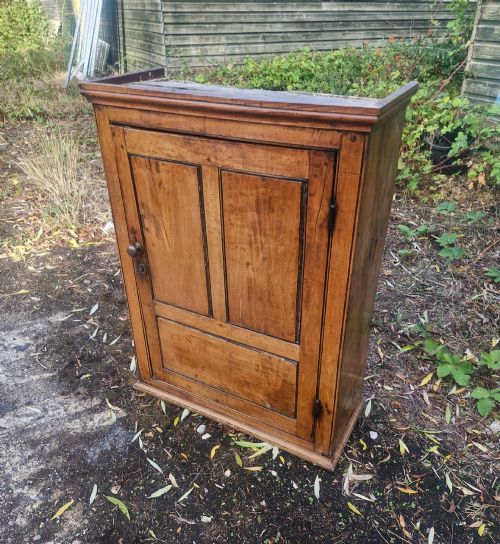
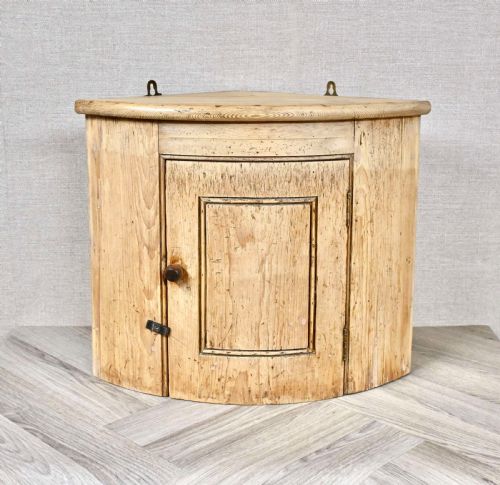
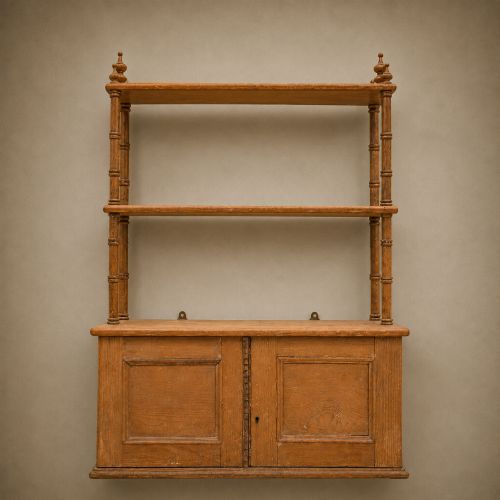
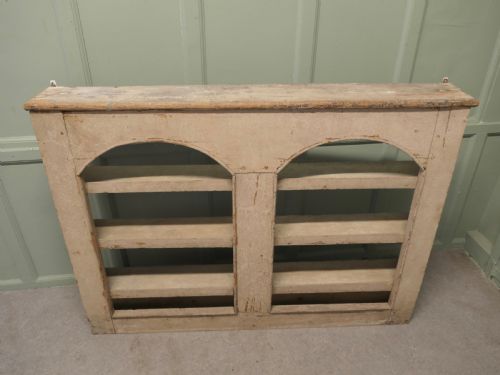
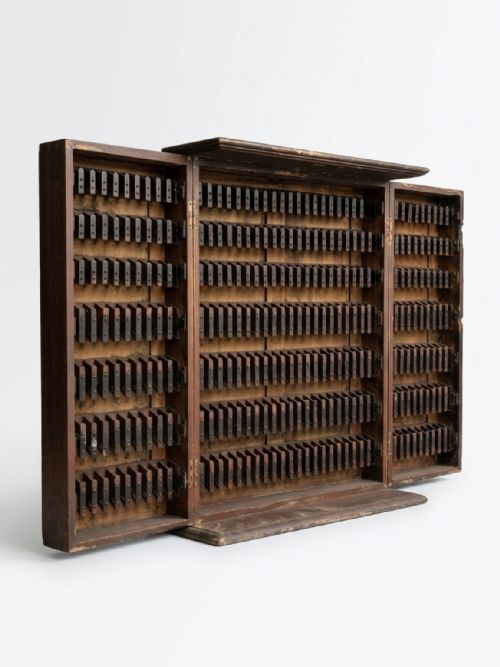
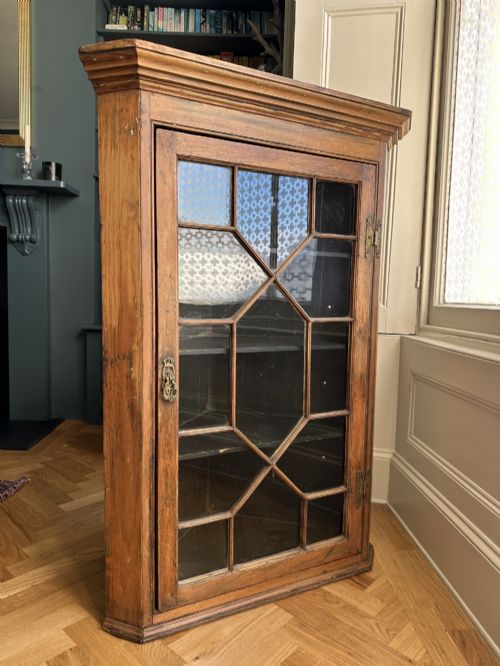
An antique pine wall cupboard is a space-saving storage piece designed to hang directly on a wall or fit neatly into a corner. You will most frequently encounter nineteenth-century examples alongside eighteenth-century pieces, spanning domestic forms like corner cupboards, shelved alcove units, and glazed cabinets.
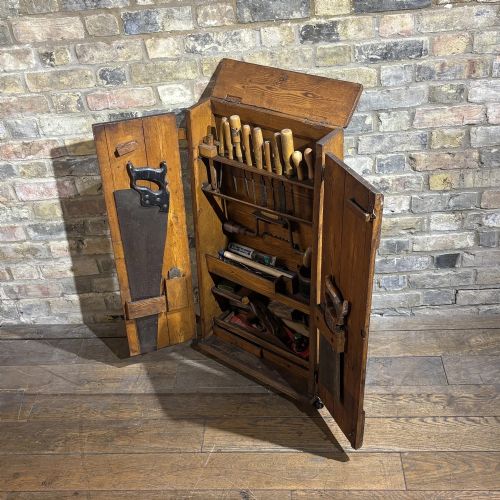
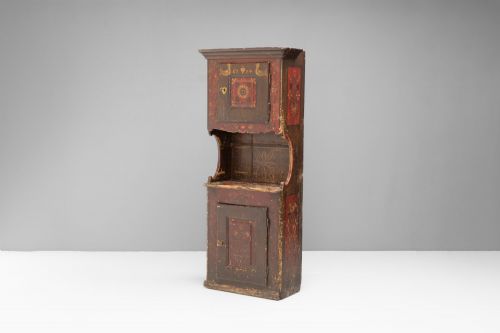
The selection ranges from British country pieces to continental examples from Sweden, Finland, and Austria. These cabinets served varied daily functions in kitchens, workshops, and halls, evolving from utilitarian storage into decorative focal points.
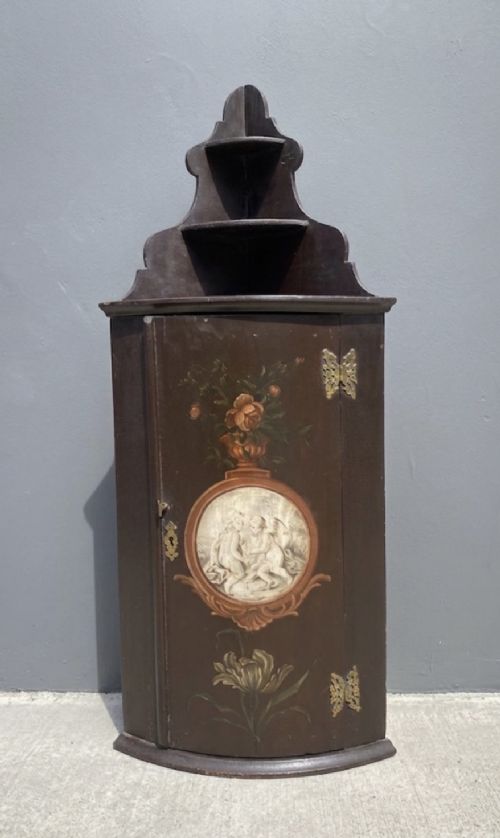
Regional styles dictate the silhouette, moving from the austere lines of Scandinavian folk art and provincial French designs to the bow fronts of the Georgian period. Whether fitted with solid doors, glass panels, or open shelving, each piece reflects the practical needs of the household it originally served.
Materials and construction
Cabinet makers built these pieces primarily using solid pine and pitch pine, selecting timber for its workability and availability. Iron and brass fittings, including hinges, latches, and hooks, secured the doors and provided structural reinforcement for hanging.
Surfaces were frequently finished with distemper paint, traditional oil paints, or left as bare wood that later underwent stripping. Glazed doors incorporated small panes of glass, while painted interiors often preserved contrasting historical colours hidden behind the outer panels.
One cheerful survivor wears later sign-writing advertising Hovis Bread, proving cupboards happily moonlighted as local billboards.
Assessing craftsmanship and finish
Quality in these cupboards rests in the integrity of the timber joinery and the survival of original surface treatments. Pieces retaining their early or original painted finishes command greater interest than those stripped down to bare wood in later eras.
Structural refinement shows in the handling of mouldings, the fit of panelled doors, and the preservation of original brass or iron hardware. The presence of period quirks, such as hand-written sign-writing or untouched interior paint, distinguishes standard utilitarian boxes from more characterful folk pieces.
The Antique Pine Wall Cupboard Glossary
- Pine
- A soft timber widely used across British and continental furniture making. It accepts paint readily and forms the foundational body of these wall cabinets.
- Distemper paint
- A traditional water-based paint mixture utilising glue or size as a binder. It produces a matte finish frequently found on older Scandinavian and country pieces.
- Bow front
- A convex, curved cabinet front that projects outward. This styling appears on Georgian and nineteenth-century examples to soften room angles.
- Pitch pine
- A resinous pine variety noted for its dense grain patterns and durability. It frequently appears in Victorian industrial and portable tool cabinets.
- Corner cupboard
- A specialised storage unit constructed with a triangular footprint designed to fit into a room angle. These maximise wall space in smaller domestic interiors.
Antique Pine Wall Cupboard: Frequently Asked Questions
How do I hang an antique pine wall cupboard safely?
These cabinets were built to be secured directly to wall studs or masonry using appropriate modern fixings that match their weight. Distribute the load evenly inside the shelves once mounted.
Check the integrity of the original hanging brackets and backboards before installation to ensure the timber can support the cabinet's weight over time.
Are painted finishes usually original?
Many cupboards retain layers of historic paint applied over decades of domestic use. Original paint often shows natural wear, craquelure, and subtle variations in tone.
Later repainting or complete stripping to raw pine occurred frequently during the twentieth century, so examining the edges and interior surfaces helps reveal the underlying finish history.
What is the difference between wall and corner cupboards?
Wall cupboards feature flat backs designed to mount flush against a single vertical surface in a room. They often incorporate rectangular doors or open shelving.
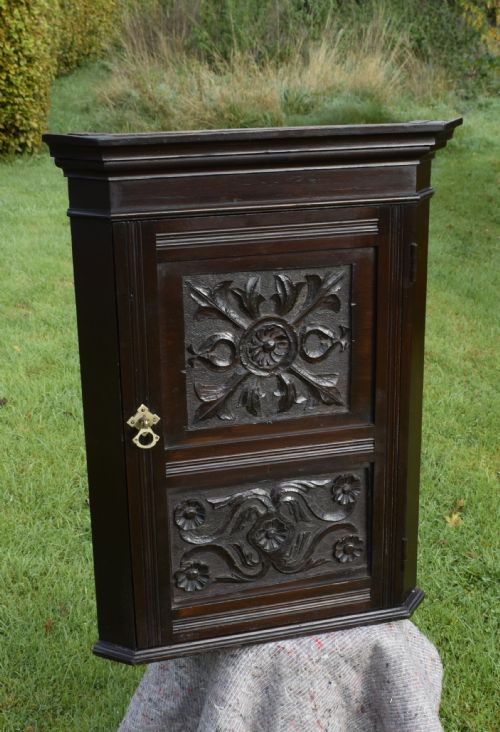
Corner cupboards utilise angled sides to fit precisely into room corners, maximising awkward spaces and frequently featuring curved or panelled front doors.
How should I care for antique pine wood?
Maintain the timber by keeping the cupboard away from direct heat sources and rapid humidity shifts that cause wood to warp or split. Dust regularly with a dry cloth.
Avoid heavy chemical polishes on painted or waxed surfaces, opting instead for gentle cleaning that preserves the historic patina of the pine.