

Gothic Glazed Cupboard
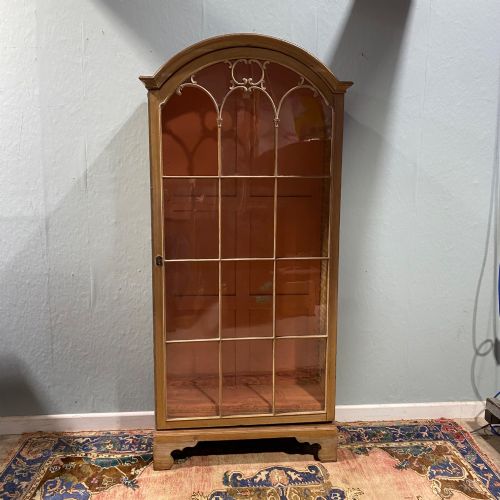
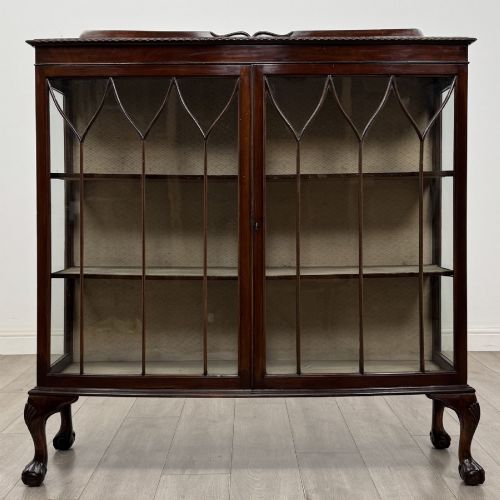
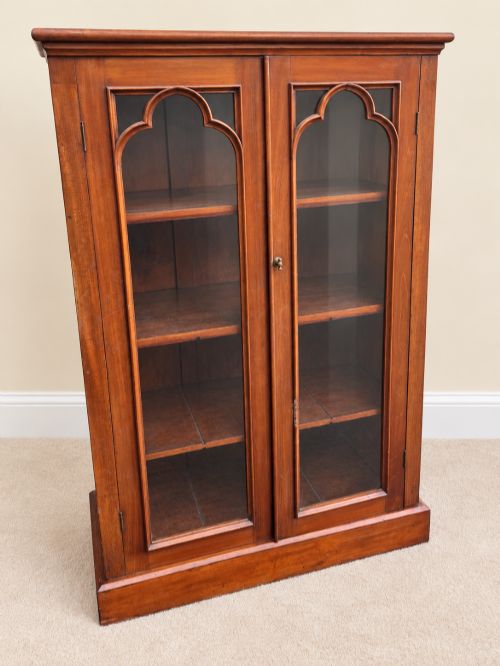
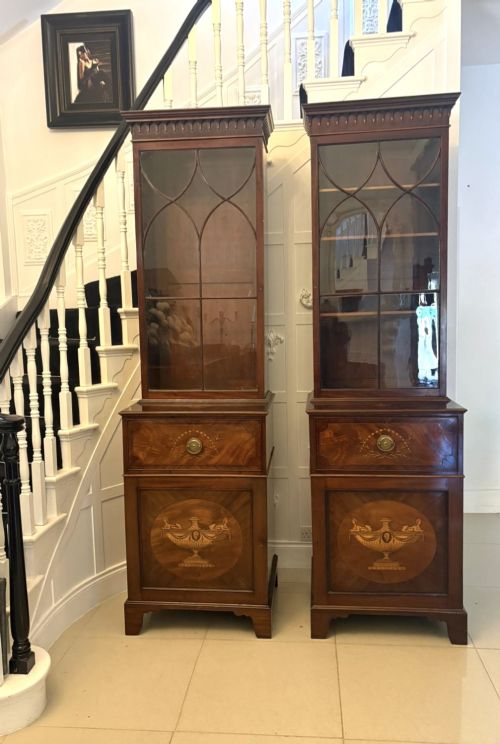
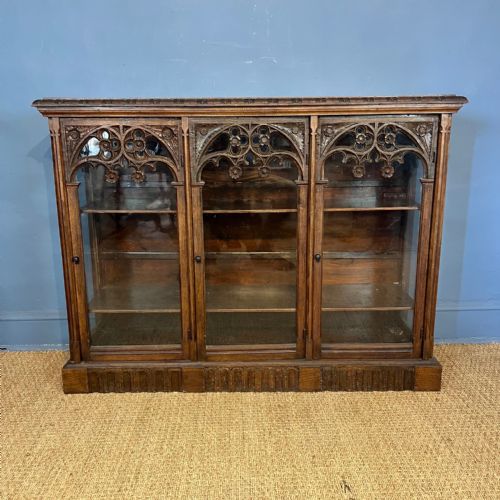
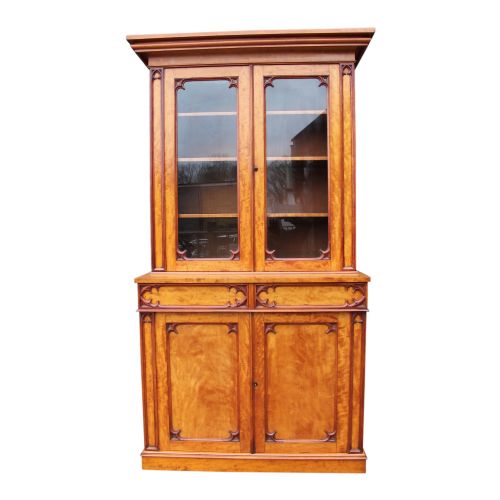
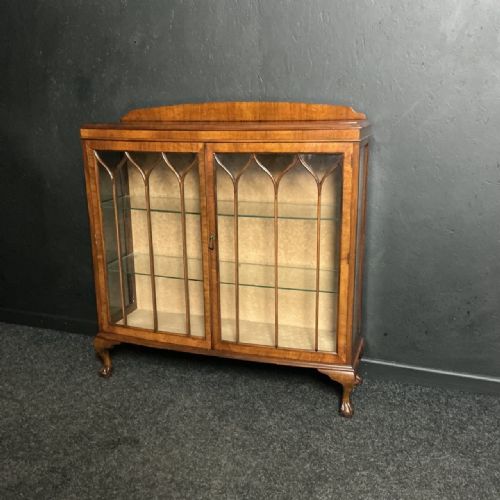
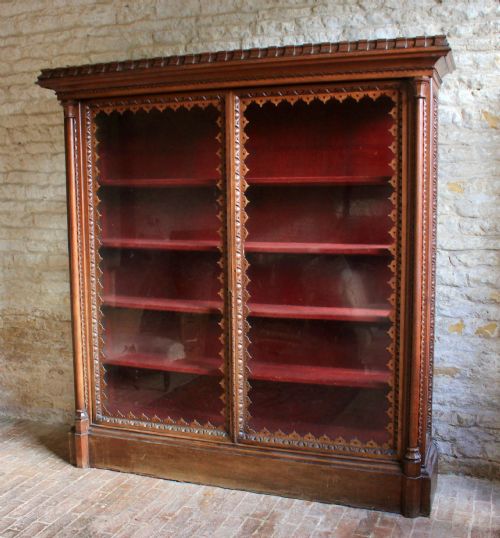
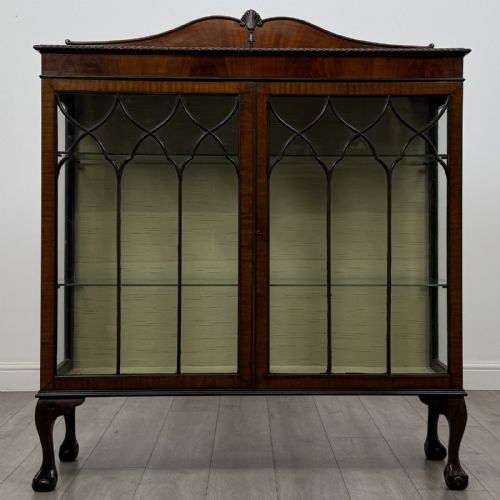
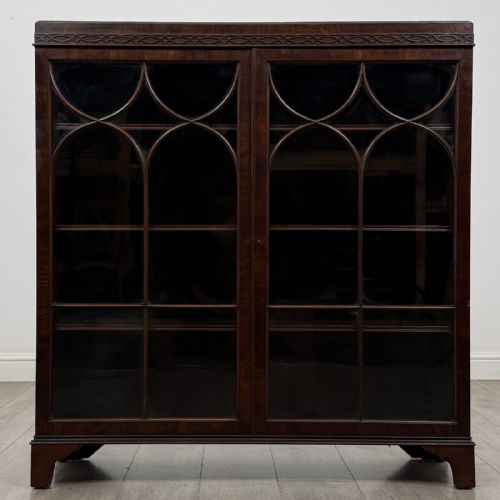
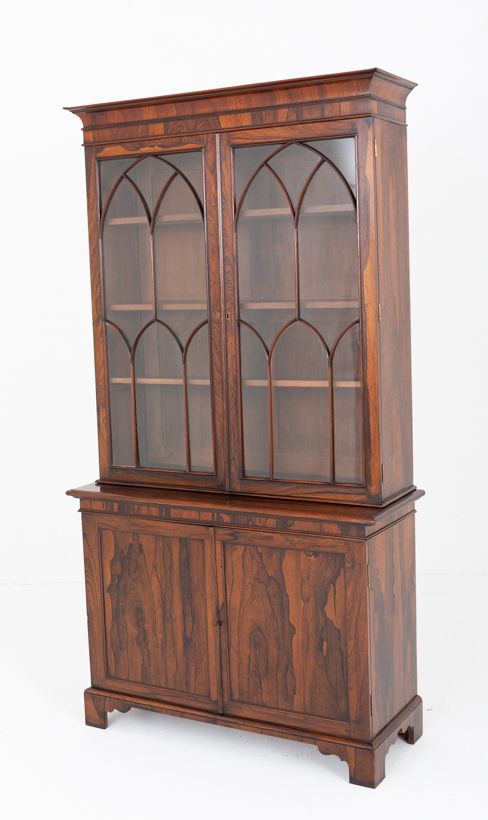
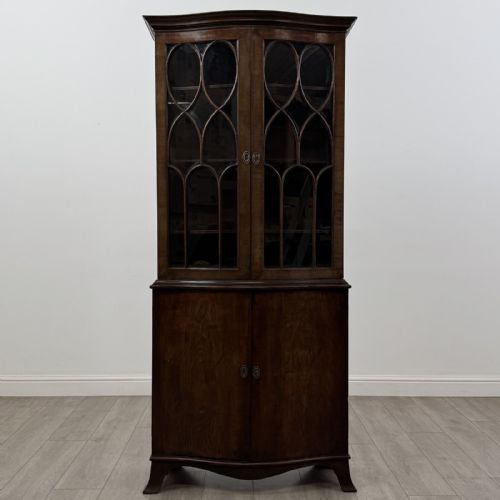
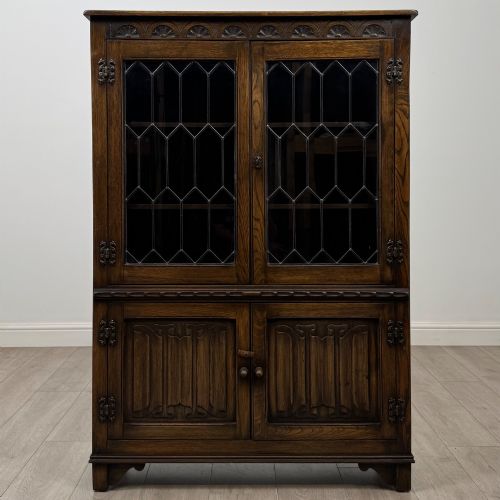
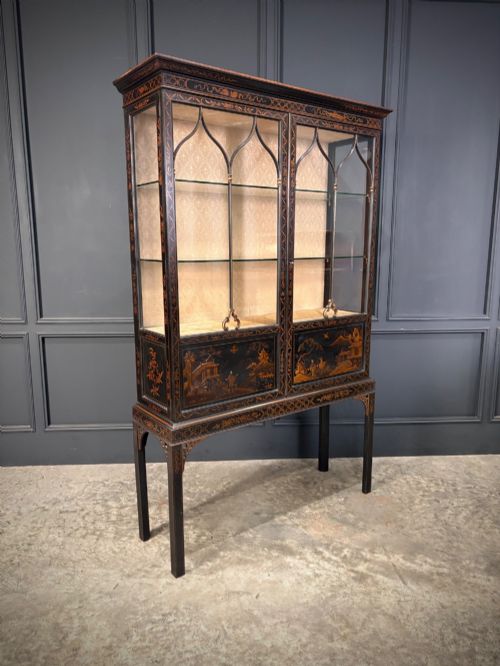
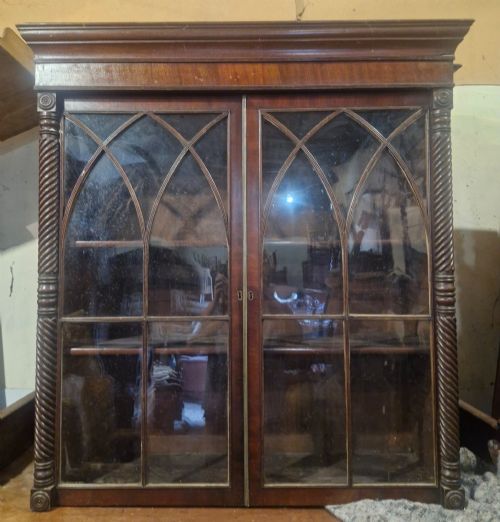
These gothic glazed cupboard pieces bring structural traceries and clear glass together to display books and porcelain.
Gothic Glazed Cupboard
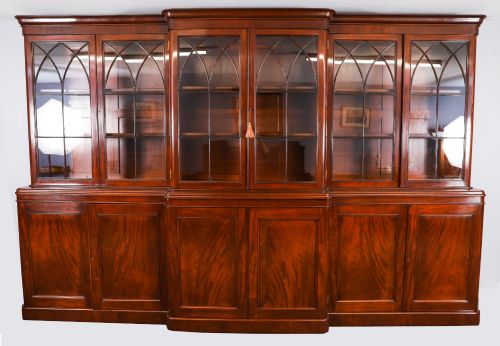
A gothic glazed cupboard unites architectural tracery with transparent panels, serving primarily as a bookcase, display cabinet or wall cabinet. Buyers searching this phrase encounter substantial breakfront library bookcases alongside smaller corner units and wall cupboards.
The material record spans centuries from the Georgian era through the Victorian period and Edwardian times, incorporating revival styles such as Gothic Revival and Jacobean Revival. Oak and mahogany dominate the structural timber, while glass and occasionally lead form the transparency of the doors.
Most examples function as storage and display in domestic interiors, holding books, china and collections behind glazed panels. The proportion ranges from small scale wall cabinets to large multi-part library bookcases.
What varies in quality
The refinement of the timber selection and the precision of the carved tracery separate standard production from superior pieces. Fine examples exhibit carefully figured mahogany or pollard oak paired with crisp, deep relief carving.
Structural complexity also distinguishes the range, moving from simple single-door wall cabinets to large breakfront library bookcases with sophisticated multi-pane glazed doors and inlay work.
Gothic Glazed Cupboard Retail Price Guide 2026
Typical asking prices for gothic glazed cupboard among the pieces listed under this phrase on Sellingantiques today, from the lower quarter to the upper quarter. They describe what is for sale here now, not the wider market.
Chimney cupboards tucked beside hearths share floor space with towering breakfront library bookcases.
Jas Shoolbred·Gillows
The Gothic Glazed Cupboard Glossary
- Breakfront
- A cabinet design where the central section projects forward from the flanking wings. This architectural arrangement creates depth and visual rhythm across large library bookcases.
- Glazing bar
- A wooden strip that holds individual panes of glass within a sash. These bars form the geometric patterns and gothic arches characteristic of the doors.
- Linenfold
- A carved wooden panel motif resembling folded cloth. This decorative technique appears frequently on Edwardian oak furniture.
- Marquetry
- The art of applying veneer pieces to a structure to form decorative patterns. Craftsmen utilise contrasting timbers like satinwood for this detailed work.
- Tracery
- Architectural stonework elements translated into woodwork for cabinet doors. It defines the pointed arches and intersecting patterns seen in Gothic Revival pieces.
Gothic Glazed Cupboard: Frequently Asked Questions
Where should I place a large bookcase?
Position large breakfront bookcases against substantial living room or library walls where ceiling height accommodates their proportions.
Ensure the room maintains stable humidity levels to protect older timber and veneer construction.
How do I care for antique glass?
Clean glazed panels gently using a soft cloth and mild glass cleaner applied to the cloth rather than sprayed directly. This prevents moisture from seeping into fragile wooden glazing bars.
Inspect the lead or wooden framing periodically to ensure the glass remains secure within the door.
What periods do these cabinets represent?
The selection spans from Georgian and Regency eras through Victorian, Edwardian, and later revival periods.
Nineteenth-century pieces frequently embrace Gothic Revival aesthetics, while later Edwardian examples often feature oak and linenfold carving.
Can I use a corner cabinet in a small room?
Corner cabinets utilise awkward room junctions efficiently, offering storage and display without dominating floor space.
Wall-mounted versions free up the floor entirely while providing secure display areas for smaller collections.