




Brown Painted Wall Cabinet
Brown painted wall cabinet pieces are timber storage fixtures finished with pigment, offering traditional utility and period character for domestic spaces.
Brown Painted Wall Cabinet
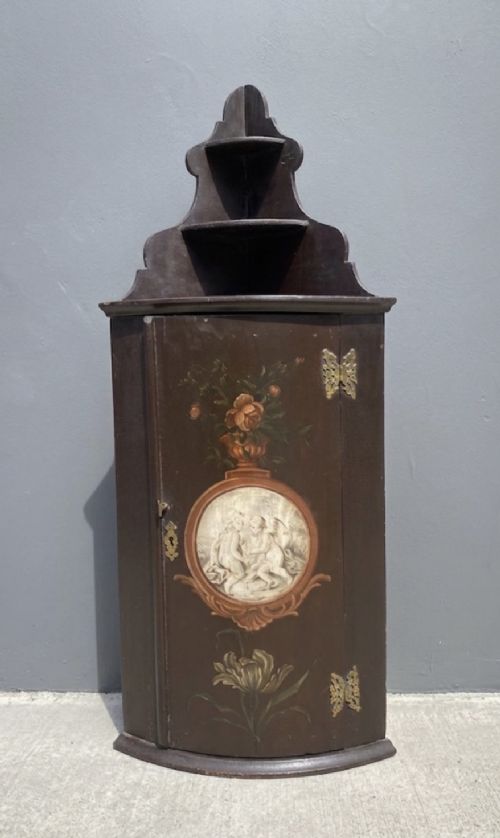
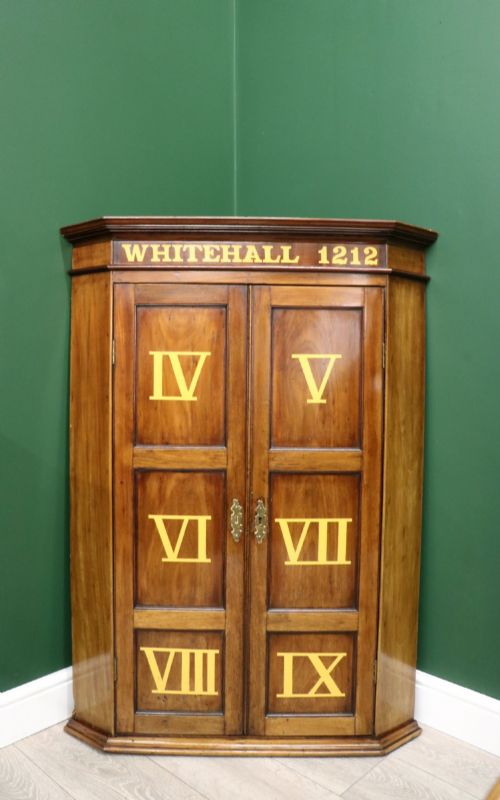
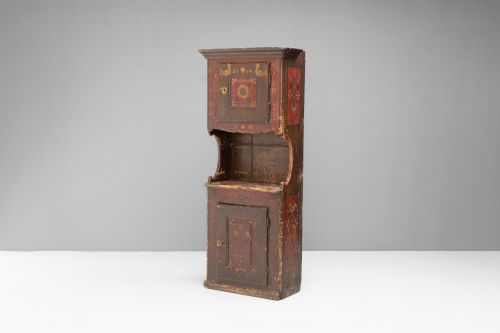
A brown painted wall cabinet serves as a compact storage unit designed to hang securely from domestic walls while displaying a pigmented surface finish. When searching for a brown painted wall cabinet, collectors encounter items spanning the Georgian, Victorian, and Arts and Crafts eras.
Surviving examples range from eighteenth-century country pieces featuring original painted surfaces to nineteenth-century interpretations incorporating faux tortoiseshell finishes and pokerwork details. Each piece brings functional shelving and period surface treatment together in domestic hardware.
How they were made
Carpenters constructed these cupboards primarily from pine and various structural timbers, employing traditional joinery methods to build sturdy wall-hanging frames and internal shelving. Surfaces received layers of protective and decorative paint, occasionally mimicking more expensive materials such as tortoiseshell.
Specialised decorative techniques like pokerwork appear on later Arts and Crafts pieces, integrating burned wood designs directly into the wooden structure. Brass fittings often secure the doors, combining structural hardware with functional closure mechanisms.
Brown Painted Wall Cabinet Retail Price Guide 2026
Typical asking prices for brown painted wall cabinet among the pieces listed under this phrase on Sellingantiques today, from the lower quarter to the upper quarter. They describe what is for sale here now, not the wider market.
Some nineteenth-century makers evidently grew tired of plain pine and spent hours meticulously brushing paint to fool everyone into seeing exotic tortoiseshell.
What varies in quality
The integrity of the original paint surface dictates much of the visual appeal, distinguishing untouched historical finishes from later overpainting. Superior examples retain their early pigment layers with natural patination intact across the timber frame.
Construction methods also separate standard utility items from finer cabinetwork, particularly in the precision of the joinery and the selection of timber. Well-balanced proportions and harmonious decorative details elevate the standing of individual cupboards within their period.
The Brown Painted Wall Cabinet Glossary
- Pine
- A softwood commonly used in the construction of country furniture and painted cupboards throughout the eighteenth and nineteenth centuries. This timber accepts pigment finishes readily and provides a stable base for wall-mounted units.
- Corner cupboard
- A storage unit specifically designed to fit into the ninety-degree junction of two walls, making efficient use of overlooked room space. These vessels frequently feature internal shelving enclosed by a single hinged door.
- Faux tortoiseshell
- A decorative paint technique applied to wood to imitate the mottled brown and amber shell of the hawksbill turtle. Craftsmen used layered glazes to achieve the translucent patterned effect.
- Pokerwork
- A method of decorating wood by burning designs into the surface with heated metal tools. This technique gained prominence during the Arts and Crafts movement.
- Brass
- A copper and zinc alloy utilised for hinges, escutcheons, and hanging brackets on period cabinetry. The metal develops a dark patination with age.
Brown Painted Wall Cabinet: Frequently Asked Questions
How do I hang a wall cabinet safely?
Wall cabinets require secure attachment directly into structural timber studs or masonry using appropriate fixings matching the weight of the timber and contents. Professional installation ensures the cabinet remains stable over time.
Distributing weight evenly across the internal shelves prevents undue stress on the historical joints and the hanging brackets attached to the backboards.
What rooms suit a corner cupboard?
Dining rooms, hallways, and living spaces accommodate corner cupboards effectively by filling empty wall junctions without protruding too far into the floor area. Their compact footprint maximises storage in smaller interiors.
Placing these units away from direct heat sources protects the timber and the painted surface from drying out or cracking.
How do I clean a painted wooden cabinet?
Dusting the exterior regularly with a soft, dry cloth prevents particulate buildup on fragile painted surfaces. Moisture should be kept to a minimum during routine maintenance.
Harsh chemical cleaning agents dissolve historical paint finishes and must be avoided entirely in favour of gentle, non-abrasive care.
How can I tell a Georgian cupboard from a Victorian one?
Georgian pieces often display restrained classical proportions and construction traits typical of eighteenth-century joinery, frequently utilising pine or native hardwoods. Their painted finishes reflect the palette of the period.
Victorian and later nineteenth-century examples incorporate varied stylistic revivals, including Scandinavian country influences and more experimental surface treatments like faux finishes.