
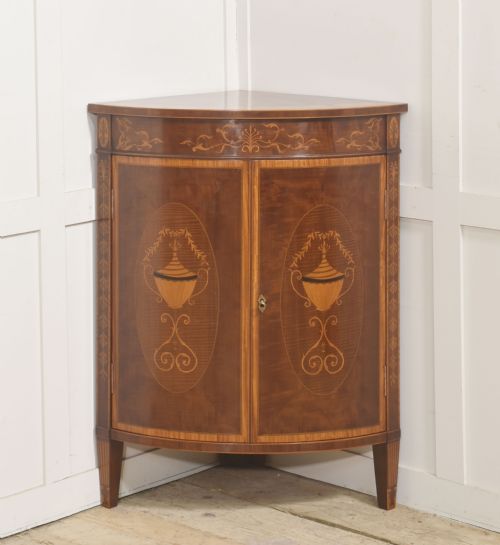


Victorian Corner Unit
A victorian corner unit makes efficient use of wasted space while providing display or storage.
Victorian Corner Unit
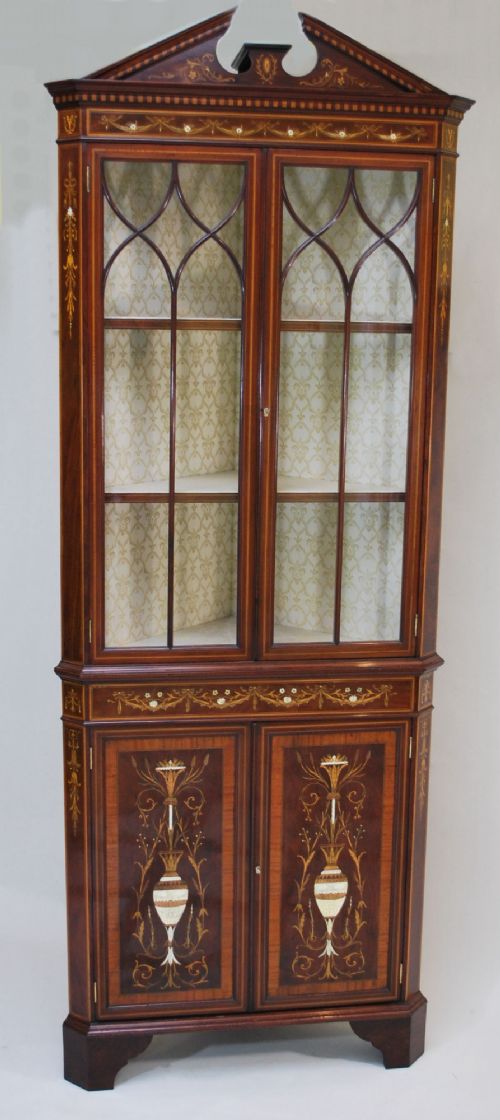
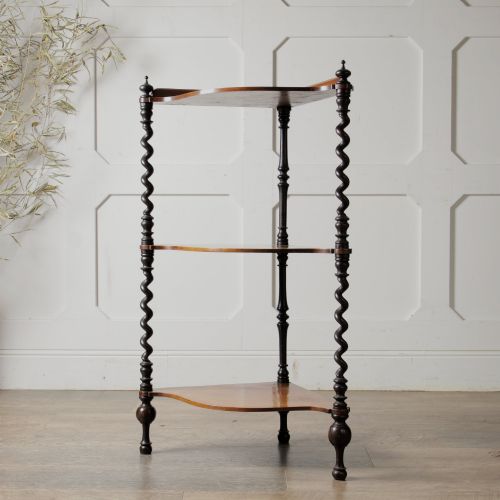
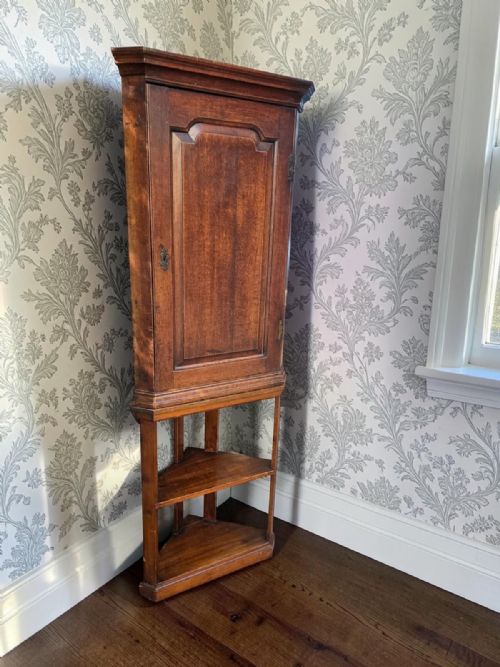
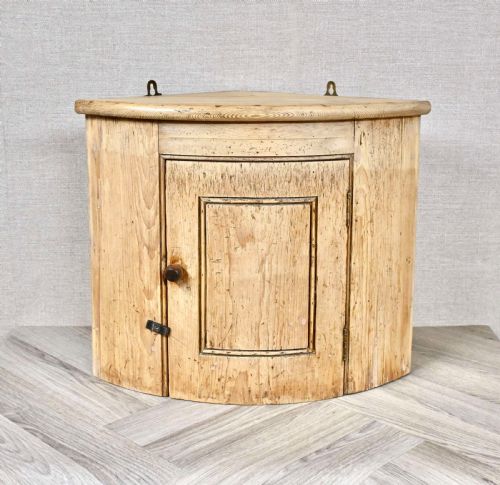
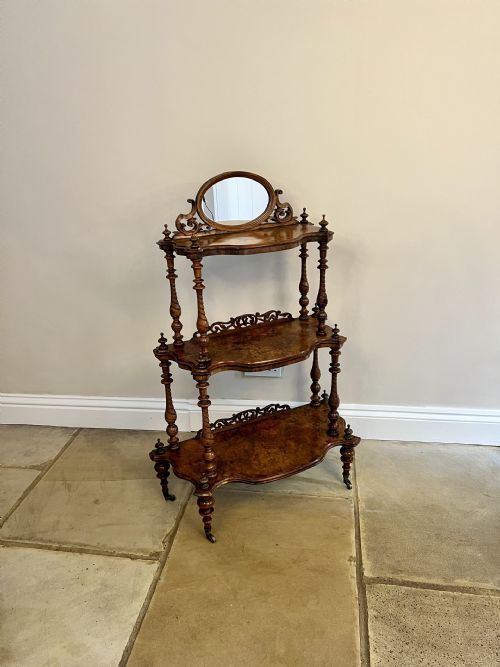
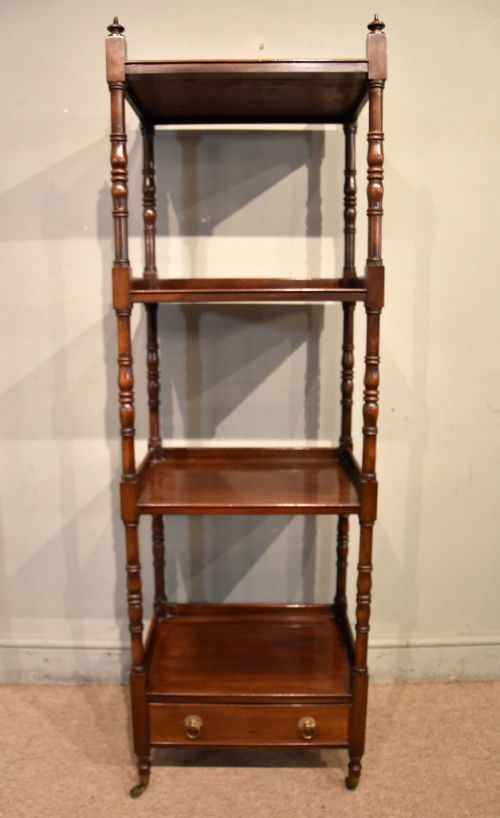
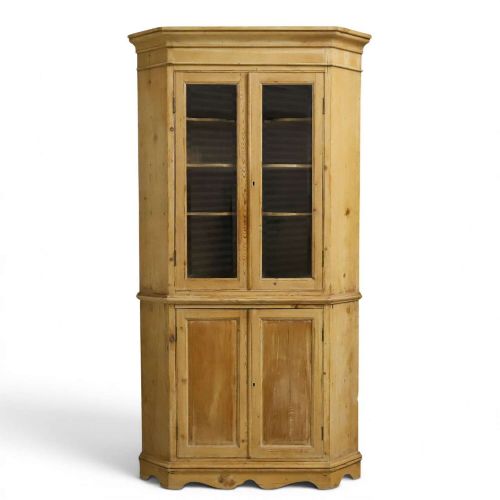
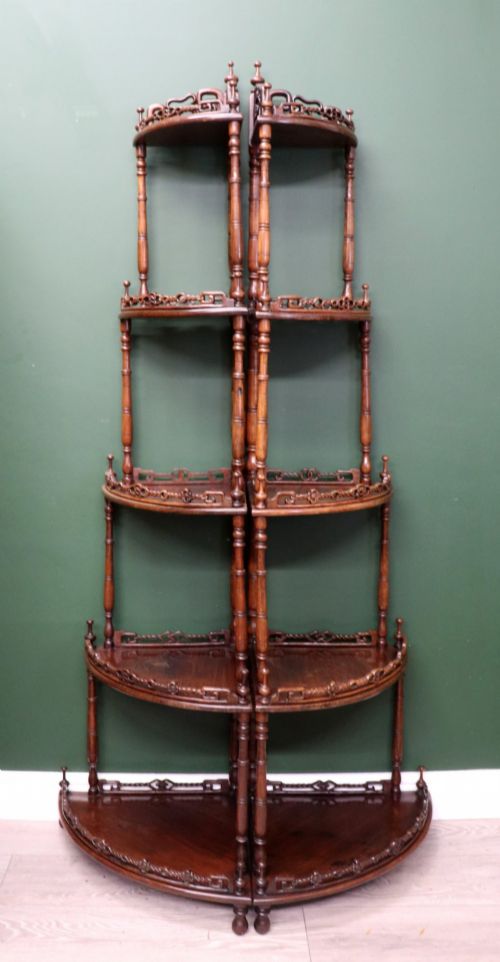
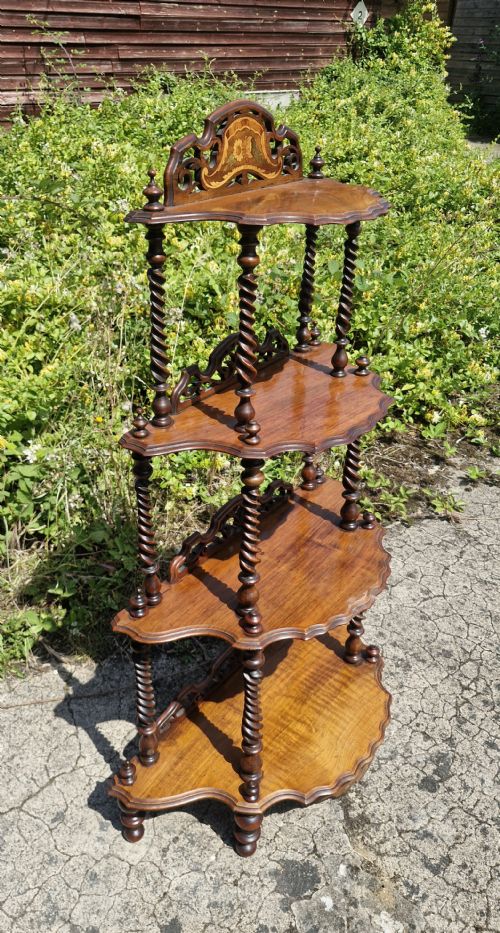
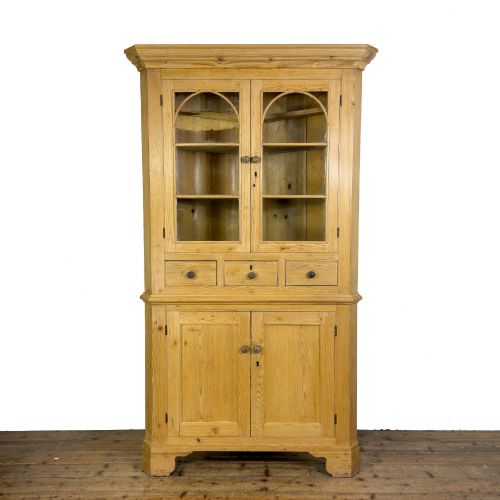
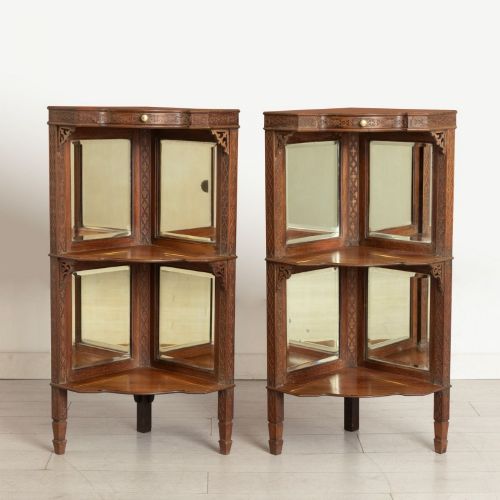
A victorian corner unit encompasses practical storage and display furniture designed to fit neatly into the ninety-degree angle of a room. Buyers searching for a victorian corner unit will encounter pieces spanning corner cupboards, corner cabinets, and multi-tiered whatnots.
The selection ranges from tall freestanding mahogany and burr walnut display pieces to rustic pine and oak wall cabinets. Most examples originate from the nineteenth century, featuring styles from plain country pine to refined Sheraton Revival inlays.
Materials and construction
Cabinet makers utilised dense hardwoods such as mahogany, walnut, and rosewood alongside softer timbers like pine and oak. Finer examples display figured burr walnut veneers, brass hardware, and delicate inlaid decoration.
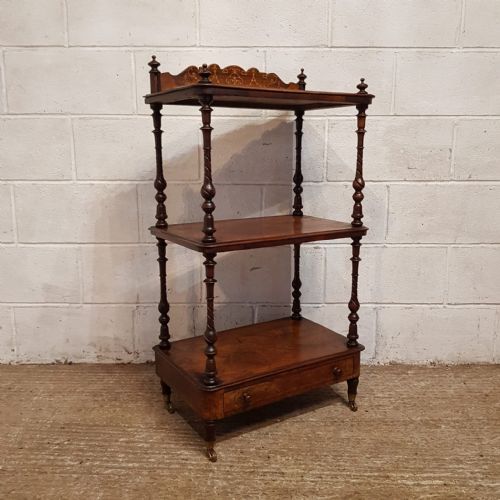
Construction methods vary from two-part forms and wall-hanging frames to sturdy tiered shelving supported by turned or barley twist columns. Glass doors, carved details, and shaped wooden brackets frequently appear across surviving pieces.
One curious survivor served as a veranda gin cabinet in distant Ceylon.
Judging quality in these pieces
Quality reveals itself in the choice of timber and the precision of the cabinet work, particularly in the figuring of burr walnut veneers and the crispness of turned columns or carved details. Superior examples maintain original glass, sturdy tiered structures, and well-fitted doors.
Lesser pieces in stripped pine or simpler timbers rely on utility rather than decorative refinement, though construction standards remain solid. The presence of makers' stamps, delicate marquetry inlay, or exhibition quality carving elevates certain models above standard production.
Edwards & Roberts·Goodhall Lamb and Heighway
The Victorian Corner Unit Glossary
- Corner Cupboard
- A cabinet enclosed by doors, built or shaped to fit directly into the corner of a room. These can be wall-mounted or freestanding on a base.
- Burr Walnut
- A highly prized wood veneer taken from the burl growths of walnut trees. It yields complex, swirling grain patterns favored by nineteenth-century cabinet makers.
- Barley Twist
- A turned wooden column carved in a spiral shape resembling a twisted rope. This decorative support is frequently seen on nineteenth-century whatnots and stands.
- Sheraton Revival
- A late nineteenth-century design style inspired by eighteenth-century neoclassical furniture. It often incorporates delicate satinwood inlay and classical motifs.
Victorian Corner Unit: Frequently Asked Questions
What is a whatnot?
A whatnot is an open tiered shelving unit designed for displaying decorative objects.
These pieces were popular in nineteenth-century interiors for holding ceramics, books, and ornaments.
How do I install a corner cupboard?
Freestanding corner units simply require placement against adjoining walls in a room angle.
Wall-mounted versions need secure fixing to wall studs to support the weight of the timber and stored contents.
What woods were commonly used?
Cabinet makers utilised mahogany, walnut, burr walnut, rosewood, oak, and pine.
Finer reception rooms featured richly figured hardwoods, while utility spaces relied on local pine or oak.
Are these pieces freestanding?
Many examples are completely freestanding, including multi-tiered whatnots and floor-standing corner cupboards.
Others are designed specifically to hang upon the wall or sit atop a matching base cabinet.