

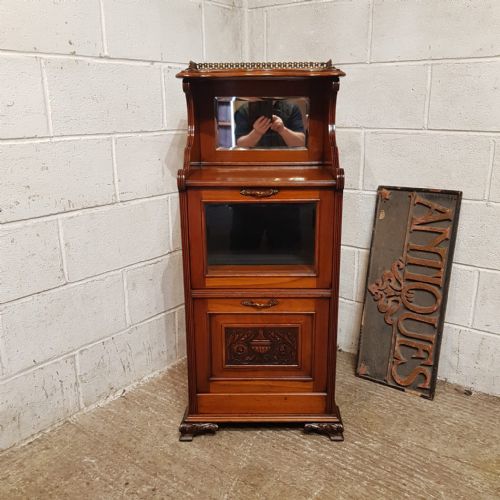
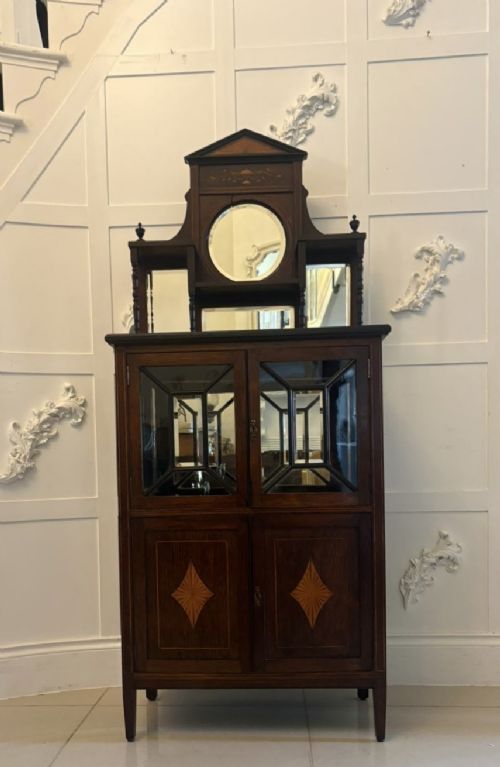
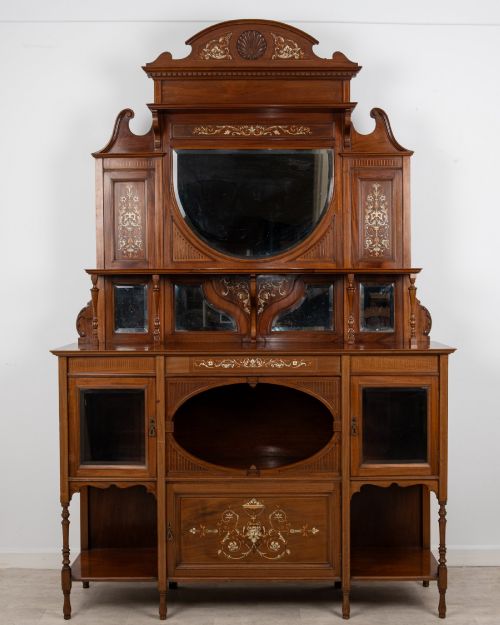
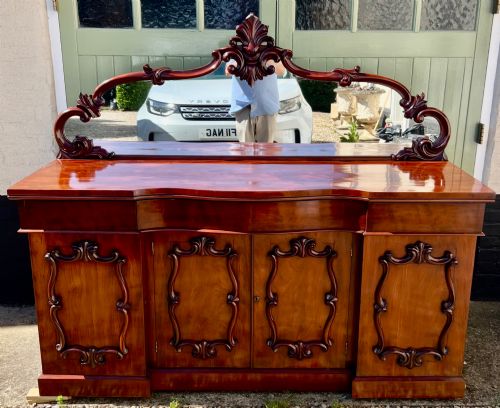
Mahogany Mirror Back Cabinet
Mahogany mirror back cabinets combine rich timber with reflective glass, offering practical storage alongside a sense of depth in a room.
Mahogany Mirror Back Cabinet
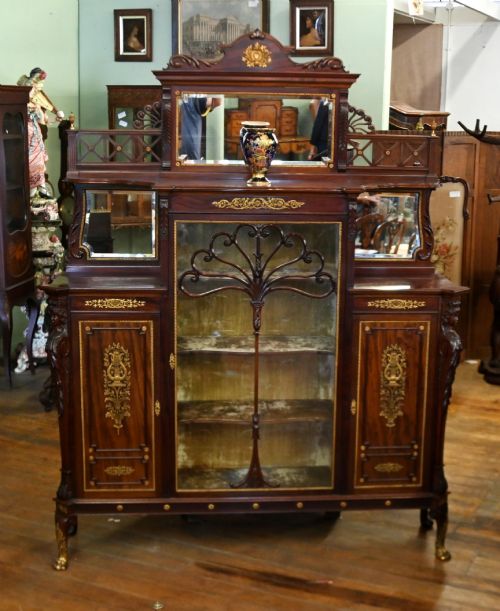
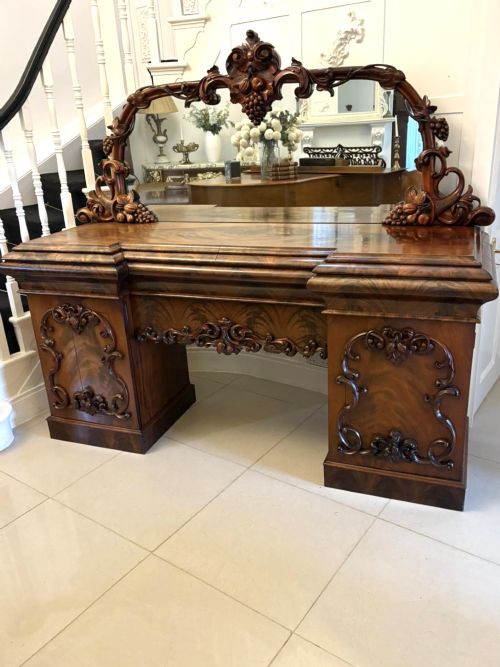
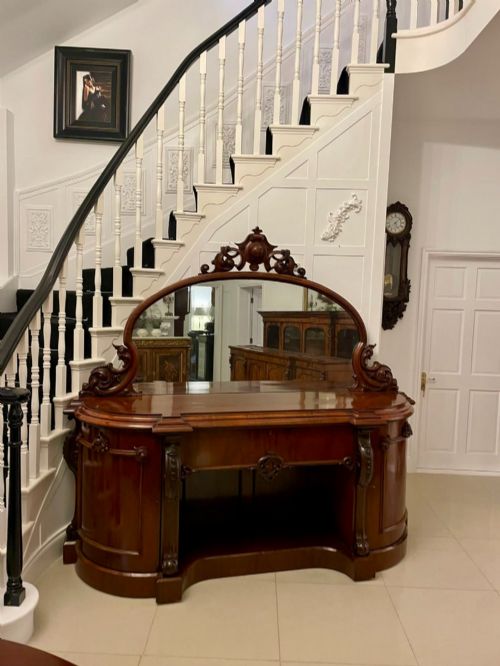
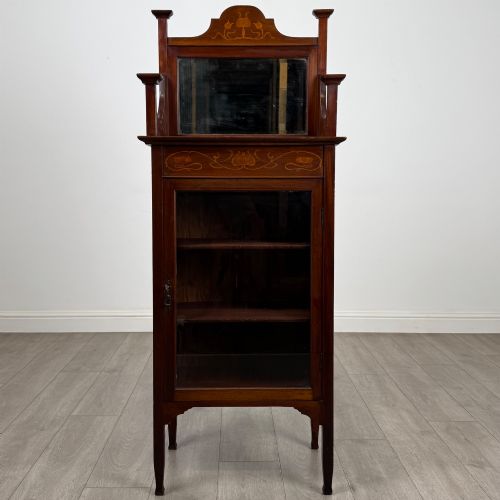
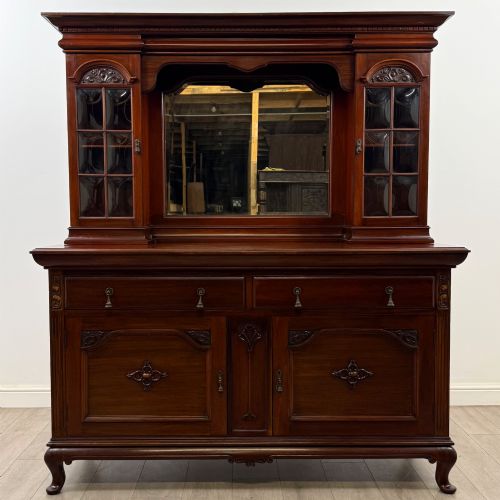
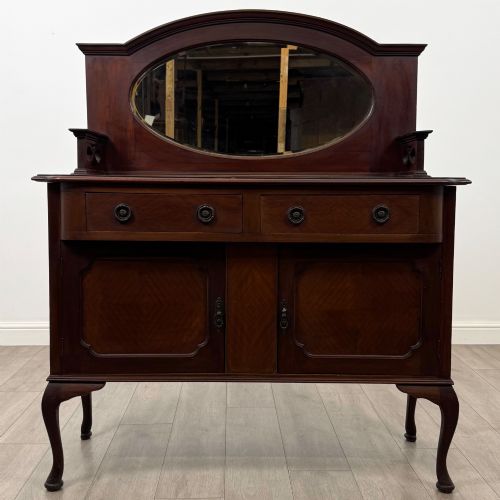
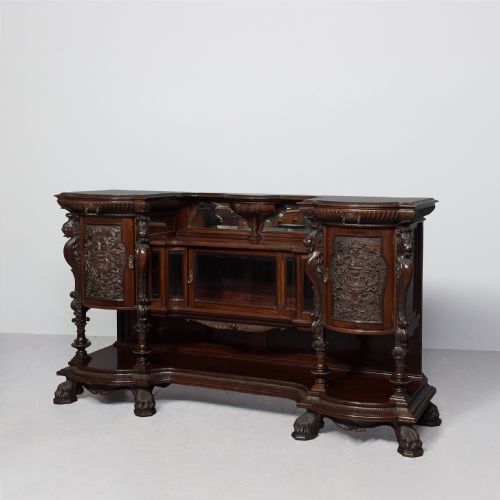
A mahogany mirror back cabinet unites substantial timber framework with an integrated glass mirror, serving functions from display to serving. These pieces appear primarily across Victorian and Edwardian periods, stretching from the mid nineteenth century into the early twentieth century.
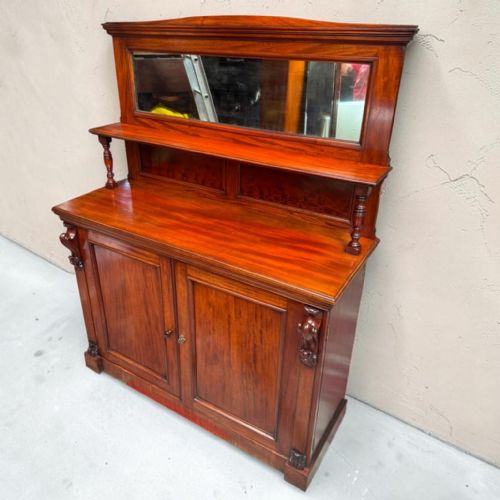
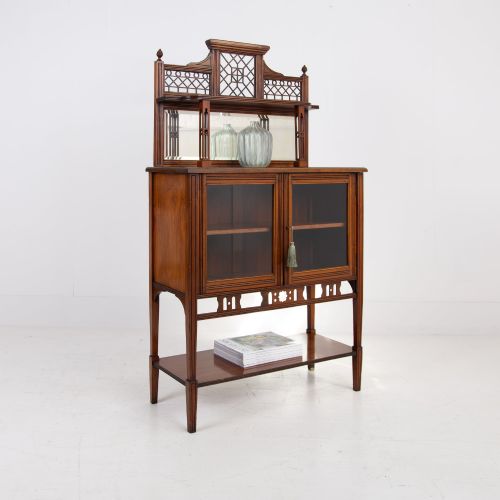
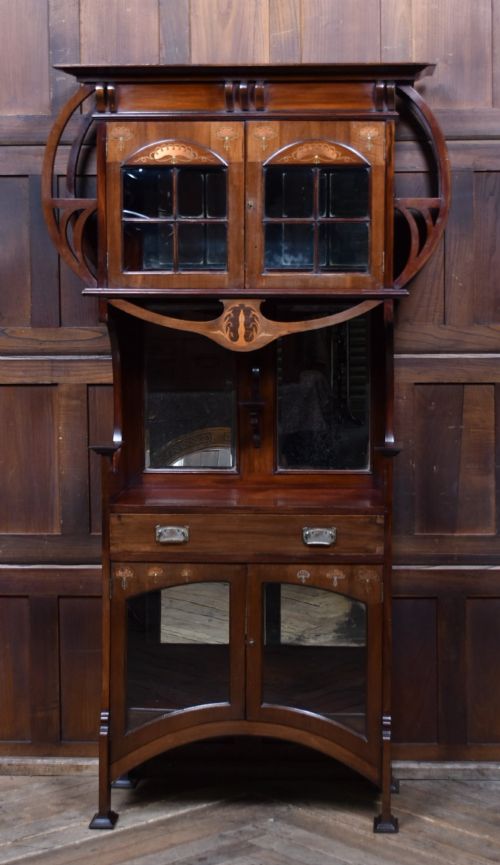
The selection ranges widely in form, encompassing display cabinets, sideboards, chiffoniers, and smaller side cabinets. Victorian examples frequently lean towards heavy carved ornamentation, whereas Edwardian pieces often incorporate lighter satinwood inlay and refined proportions.
Materials and Construction
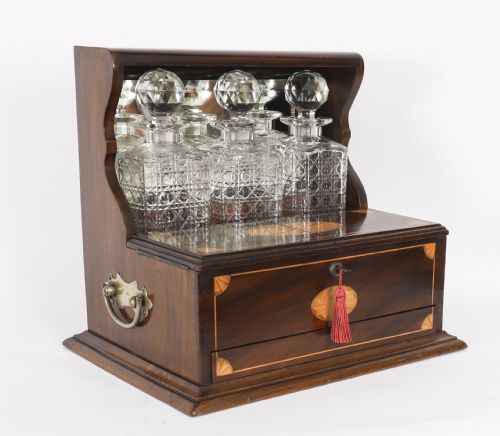
Makers utilised solid mahogany and flame mahogany veneer over secondary timbers, often pairing the dark wood with brass hardware and bevelled mirror glass. Glass panels feature heavily in display variants, alongside adjustable shelving and occasional crystal components.
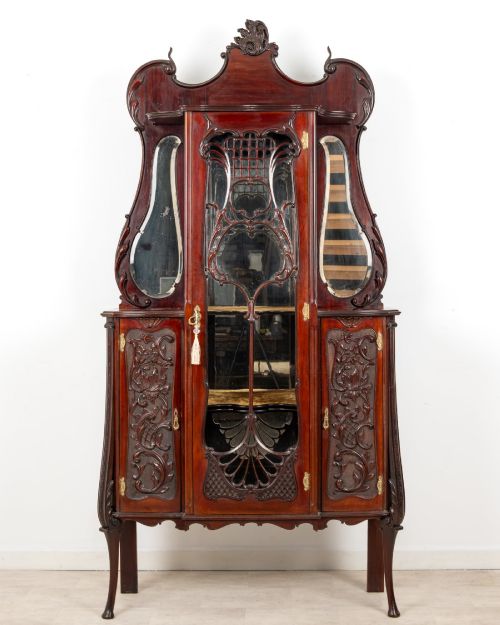
Surface decoration relies on contrasting stringing, marquetry inlay, and carved relief work characteristic of styles like Art Nouveau, Aesthetic Movement, and Arts and Crafts. Construction techniques prioritise sturdy joinery to support heavy upper mirror frames and stone or timber tops.
Mahogany Mirror Back Cabinet Retail Price Guide 2026
Typical asking prices for mahogany mirror back cabinet among the pieces listed under this phrase on Sellingantiques today, from the lower quarter to the upper quarter. They describe what is for sale here now, not the wider market.
Listings feature Victorian, Edwardian, and Regency periods alongside specific styles including Art Nouveau, Aesthetic Movement, and Arts and Crafts.
Standards of Craftsmanship
Superior examples display precise timber selection, ensuring consistent grain patterns across large surfaces like sideboard doors and breakfront panels. The crispness of carved details and the integration of the mirror back into the primary framework distinguish finer pieces from simpler workshop output.
The presence of secondary woods, original bevelled mirror plates, and intact brass or glass fittings influences the overall integrity of a piece. Finer cabinets maintain balanced proportions where the weight of the mirror complements the base without appearing overly cumbersome.
Edwards and Roberts·Gillows
The Mahogany Mirror Back Cabinet Glossary
- Chiffonier
- A low sideboard or cabinet featuring shelves or an enclosed cupboard space beneath. These often include an attached mirror back for displaying small ornaments.
- Breakfront
- A cabinet design where the central section projects forward from the flanking outer sections. This architectural arrangement creates depth and visual interest across large sideboards.
- Aesthetic Movement
- A late nineteenth century design style emphasising visual beauty over narrative subject matter. Pieces from this movement often incorporate ebonised surfaces and gilt highlights.
- Satinwood
- A durable, yellowish timber utilised extensively for contrasting stringing and inlay work. Makers paired it with dark mahogany to create decorative borders and motifs.
Mahogany Mirror Back Cabinet: Frequently Asked Questions
What is a mirror back cabinet used for?
These cabinets served multiple domestic functions, acting as sideboards for dining rooms, display units for collections, or general storage pieces in principal rooms. The reflective glass plate served to brighten darker corners and amplify candle or gas light.
In retail environments, similar glazed variations functioned as shop display cabinets for chemist goods and curated merchandise. Domestic iterations provided surface space for serving food or arranging decorative ceramics.
How do I date a mahogany cabinet?
Dating relies on examining stylistic cues, construction methods, and prevailing design movements associated with specific decades. Victorian pieces tend to show heavier proportions and deep carvings, whereas Edwardian items often feature lighter inlays and simpler lines.
The presence of specific aesthetic movements, such as Art Nouveau or Arts and Crafts motifs, helps narrow the production era. Secondary timber usage and mirror bevelling styles also offer reliable chronological indicators.
Where should I place a mirror back cabinet?
Positioning these cabinets against a solid wall in a dining room, hallway, or living space allows the timber frame and mirror to function as a focal point. Placing them opposite a window maximises the light reflected back into the room by the mirror glass.
Ensure adequate clearance for doors that swing open or drop down, particularly on breakfront or sideboard variants. Keeping them away from direct heat sources protects the mahogany veneer and prevents timber shrinkage.
How do I care for antique mahogany?
Routine maintenance involves dusting with a soft, dry cloth to prevent particulate buildup on the polished timber and glass surfaces. Avoid commercial silicone sprays, opting instead for traditional beeswax applied sparingly to nourish the grain.
Maintain stable room humidity levels to prevent the mahogany and internal veneers from warping or cracking over time. Glass cleaner applied directly to a cloth rather than the mirror plate protects the historic backing from moisture damage.