




Victorian Decorative Wall Plaque
A victorian decorative wall plaque brings a room alive with metalwork, pottery and carved wood from the nineteenth century.
Victorian Decorative Wall Plaque
When you search for a victorian decorative wall plaque, you encounter a varied selection of wall-hung art spanning the nineteenth century, including the 1870s, 1880s, and 1890s. The listings encompass ceramic tiles, earthenware and porcelain plates, cast bronze platters, and heavily worked metal chargers.
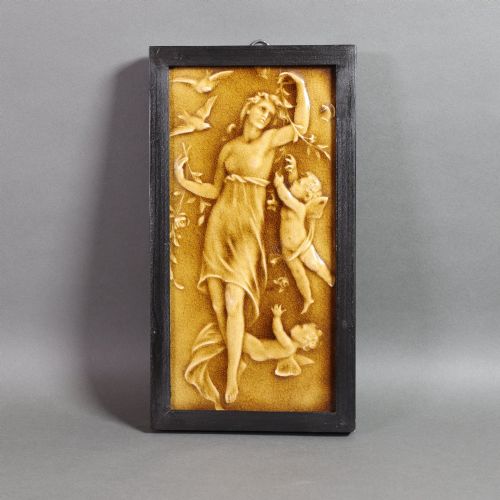
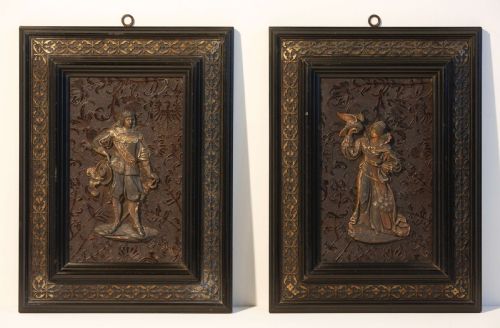
The objects take diverse forms, from copper repoussé portraits and majolica pottery depicting birds to intricate wood carvings and pâte-sur-pâte tondos. You find pieces created in English potteries alongside items reflecting Anglo-Indian, Indo-Persian, and Renaissance Revival aesthetics.
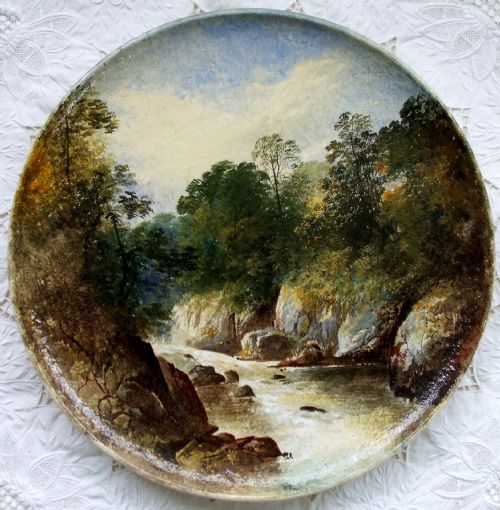
Ceramic plaques painted with landscape scenes or figures sit alongside heavy brass chargers and carved architectural panels. This range offers numerous ways to introduce period craftsmanship and texture to interior walls.
How they were made
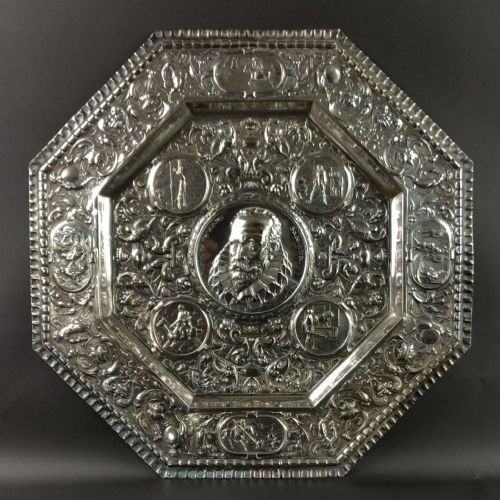
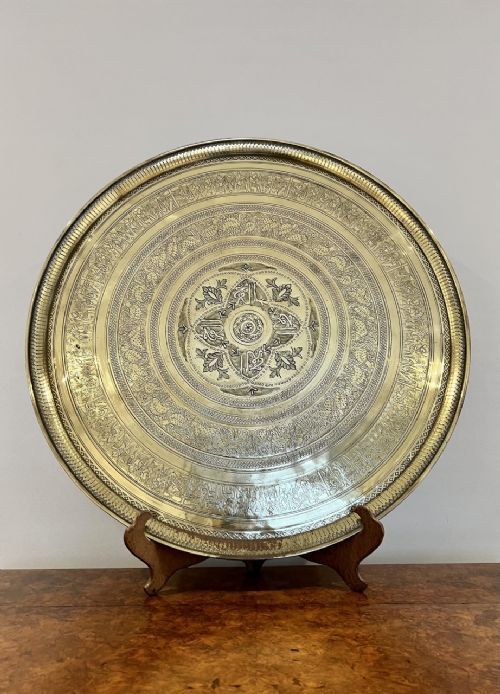
Makers utilised metals such as copper, brass, bronze, and white metal, frequently employing repoussé techniques to hammer designs from the reverse or casting them with classical and portrait motifs. Trays and chargers often show crisp hand-piercing, engraving, and electrotyping.
Ceramic and earthenware examples combine glazes, paint, and specialist pottery methods like pâte-sur-pâte, where layers of liquid clay build low-relief decoration before firing. Terracotta and majolica pieces bring moulded texture and rich colour palettes to wall display.
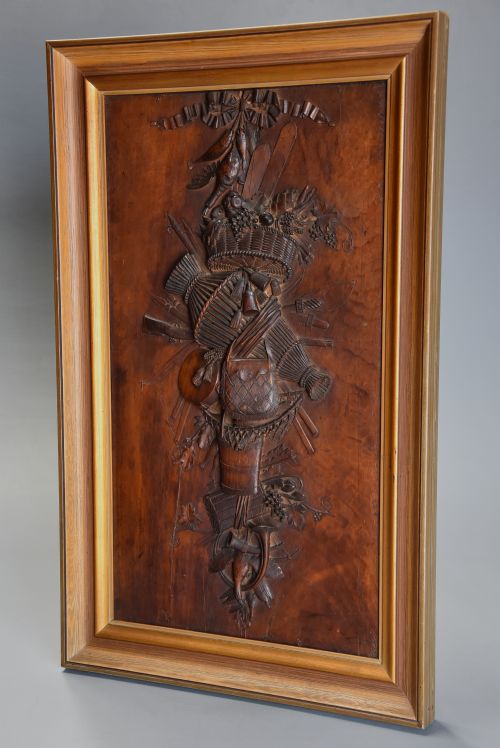
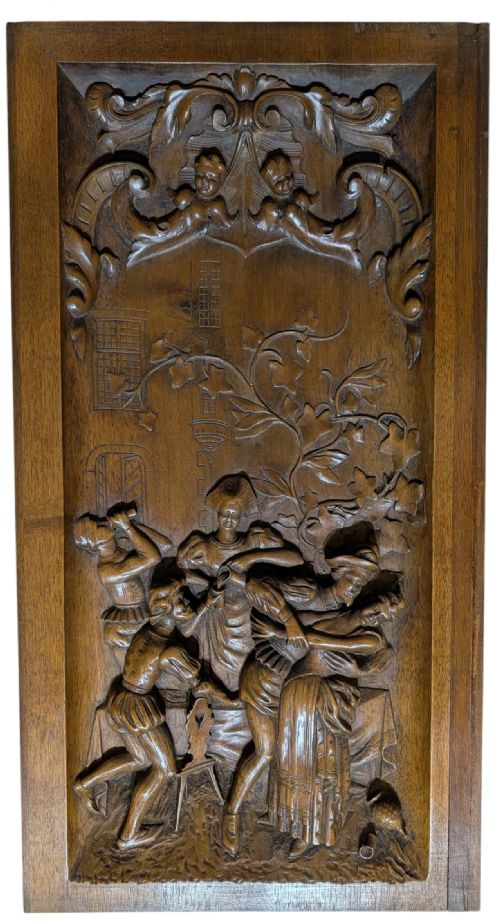
Wood pieces rely on fine carving techniques applied to fruitwood, oak, and walnut, shaping panels, masks, and architectural decorations with deep relief. Papier-mâché and leathermaché provide lightweight moulded surfaces finished with detailed paintwork.
Styles represented include Arts and Crafts, Gothic Revival, Neoclassical, and Anglo-Indian designs.
What varies in quality
The calibre of a victorian decorative wall plaque rests upon the crispness of the hand-tooling in metalwork or the precision of brushwork on ceramics. Pieces bearing identifiable artist signatures or originating from established potteries and foundries demonstrate superior execution.
Depth and complexity distinguish finer carvings and repoussé chargers from simpler production items. The weight of the metal, the fidelity of cast bronze details, and the subtlety of ceramic glazes separate standard decorative items from exhibition-quality works.
Ernst Wahliss·Copeland Pottery·Sherwin & Cotton·Elkington & Co·Royal Worcester·Coalbrookdale·Mintons
The Victorian Decorative Wall Plaque Glossary
- Repoussé
- A metalworking technique where a design is hammered into relief from the reverse side. This process creates tactile, three-dimensional surface decoration on copper and brass chargers.
- Pâte-sur-pâte
- A ceramic decorating method involving successive layers of liquid white clay built up on a coloured body. This technique allows artists to achieve delicate translucent relief portraits and figures.
- Majolica
- A type of earthenware coated with an opaque tin glaze and painted with metallic oxide colours. It produces vibrant, glossy surfaces found on nineteenth-century animal and floral plaques.
- Charger
- A large decorative plate or tray intended for display on a wall or sideboard rather than for dining use. These substantial pieces frequently feature detailed historical or portrait subjects.
- Tondo
- A circular work of art, whether a painting, ceramic plaque, or relief carving. The format draws the eye naturally to the detailed composition contained within the border.
Victorian Decorative Wall Plaque: Frequently Asked Questions
What is a wall charger?
A wall charger is a large decorative plate, typically made of metal or ceramic, designed to be hung for display rather than used at the table.
These substantial pieces often feature intricate repoussé work, classical scenes, or portraits that make them natural focal points on a wall.
How do I hang a heavy bronze plaque?
Heavy bronze and cast metal plaques require secure fixings anchored directly into wall studs or solid masonry.
Ensure any hanging wire or integrated brackets on the back of the piece are robust enough to support the weight safely before mounting.
What is pâte-sur-pâte?
Pâte-sur-pâte is a ceramic technique where an artist paints successive layers of liquid white porcelain slip onto a contrasting dark clay body.
This builds up a cameo-like relief decoration that gains depth and translucency after firing.
How do I date a copper repoussé charger?
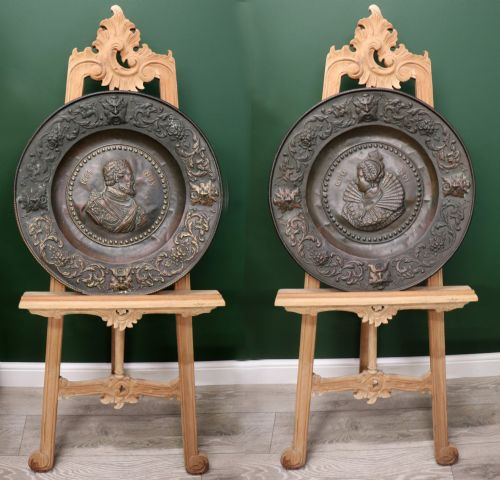
Dating a copper repoussé charger involves examining the style of the portraiture, the method of edge finishing, and any maker marks or stamps on the reverse.
Nineteenth-century examples frequently combine revival motifs with hand-hammered textures characteristic of the period's metalwork revival.