






Imari Ceramic Charger
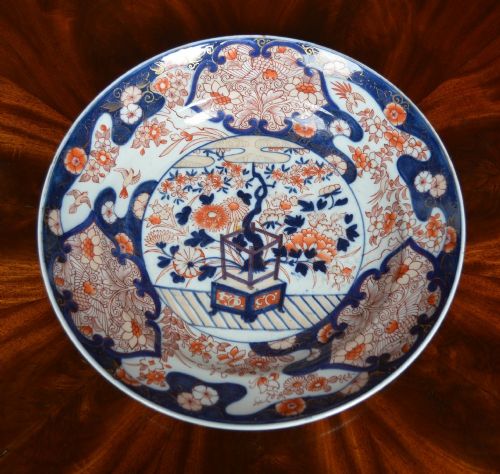
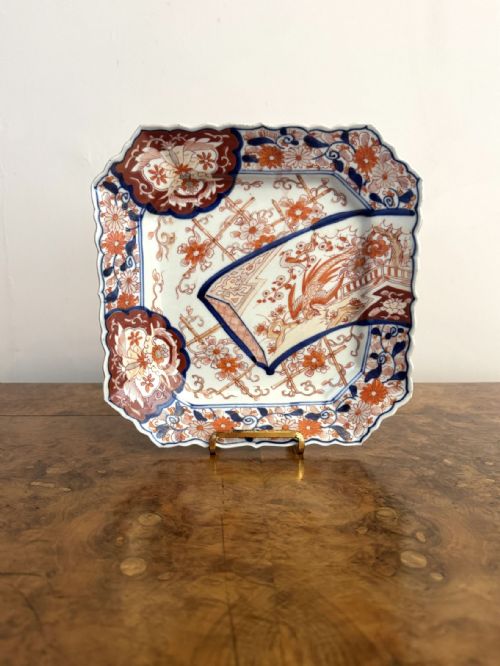
An imari ceramic charger brings rich cobalt underglaze, enamel and gilding to a room, offering striking panels of traditional floral and bird designs.
Imari Ceramic Charger
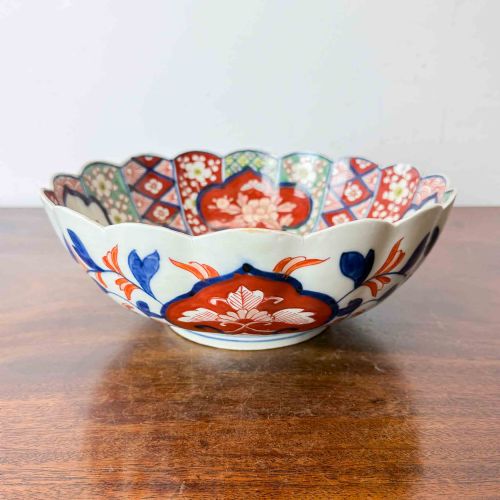
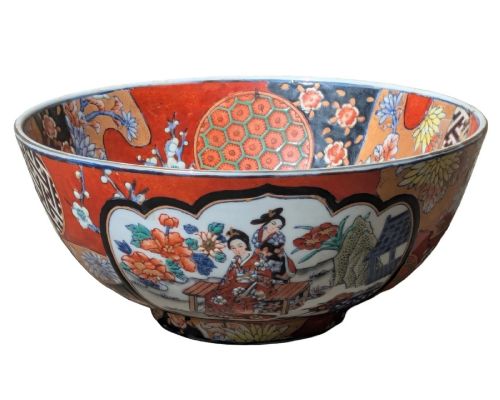
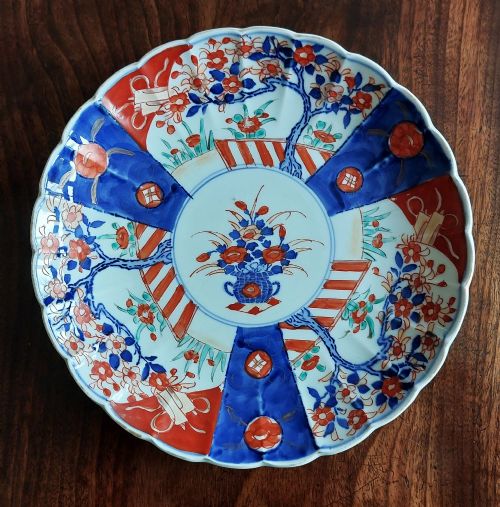
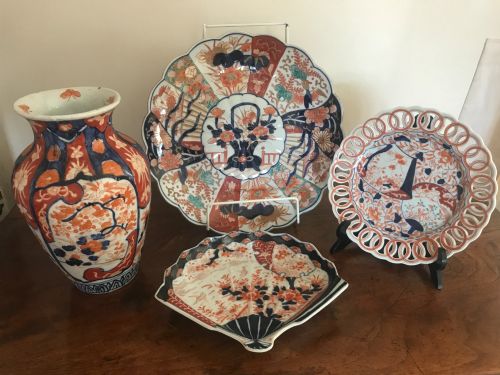
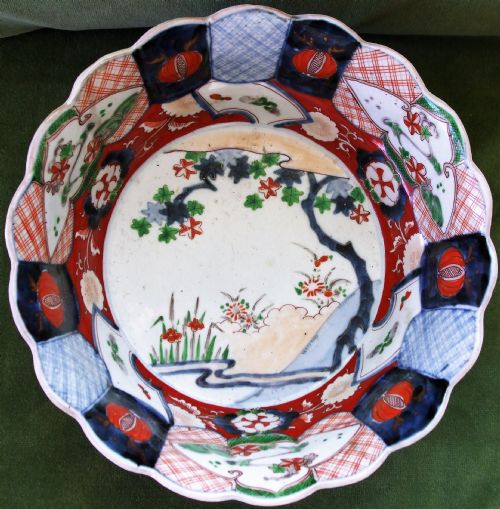
The form appears in various shapes including round chargers, scalloped edges, square plates, hexagonal plates and deep decorative bowls. These items were made for display, bringing intricate colour palettes into domestic interiors.
How they were made
These pieces rely on porcelain bodies decorated with cobalt underglaze blue combined with iron red enamel and gold leaf gilding. Artisans applied hand painted floral and bird motifs directly onto the ceramic surface before glazing and firing.
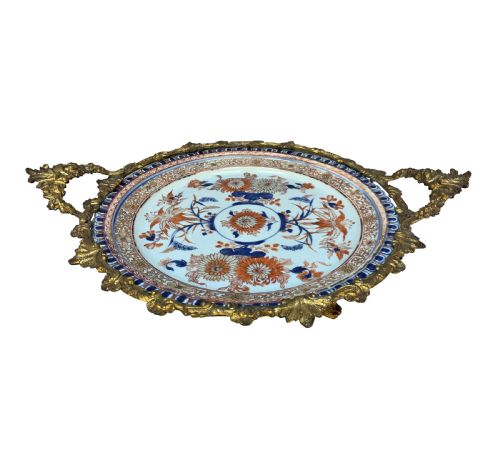
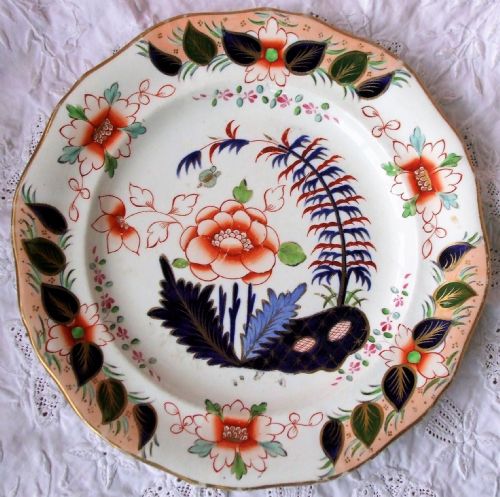
Some examples incorporate metalwork, such as ormolu mounts fitted to Chinese porcelain plates. Ironstone bodies also appear in English interpretations utilising the traditional pattern.
Exotic birds peer out from gilded branches across centuries of plates, keeping watch over quiet sideboards.
What varies in quality
The refinement of the hand painted detail separates standard domestic wares from exceptional examples. Crispness in the cobalt underglaze and precision in the enamel and gilding define the upper end of the range.
Complexity of form also dictates quality, with scalloped edges, square shapes, hexagonal profiles and matching pairs demanding greater skill from the potter and decorator.
John Davenport of Longport
The Imari Ceramic Charger Glossary
- Cobalt Underglaze
- A blue pigment applied to the ceramic body before glazing and firing that produces a deep, durable colour under the clear glaze.
- Enamel
- Coloured vitreous glass applied over the fired glaze and fixed at a lower temperature to build vibrant red and secondary hues.
- Gilding
- The application of gold leaf or powdered gold to highlight decorative motifs and borders on the porcelain surface.
- Scalloped Edge
- A decorative curved border shaped in rhythmic lobes around the perimeter of a plate or bowl.
- Arita
- A Japanese town and production centre renowned for creating porcelain wares decorated in the traditional style.
Imari Ceramic Charger: Frequently Asked Questions
How do I display an imari ceramic charger?
These large decorative plates sit well on plate stands for tabletop display or can be mounted securely on walls using specialist hangers. Their vibrant palettes draw the eye when placed against neutral backgrounds in dining rooms or living spaces.
Ensure the hanging or display method supports the weight of the porcelain safely without obscuring the hand painted borders.
What is the difference between Japanese and Chinese imari?
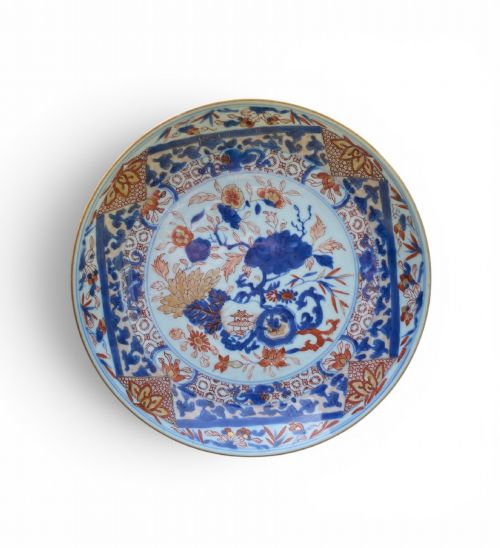
Japanese pieces, particularly from the Meiji period, often display dense floral and bird motifs with stark cobalt blue and iron red contrasts. Chinese export examples from the Qing dynasty frequently exhibit finer porcelain bodies with specific export style painting.
Both traditions influenced later European potteries, which adopted the distinctive colour scheme on local ceramic bodies.
Can I use these chargers for serving food?
Antique ceramic chargers are intended primarily for display and decorative use rather than daily dining. The delicate enamel work and gold leaf gilding can wear down with frequent washing and cutlery contact.
Keep these pieces for visual enjoyment on walls or sideboards to preserve their historical surface decoration.
How do I identify a Meiji period piece?
Meiji period items date from the late 19th and early 20th centuries, often featuring crisp cobalt blue paired with rich enamel and gilding. Forms commonly include scalloped edge chargers and bowls decorated with exotic birds and floral panels.
Examining the weight of the porcelain and the hand painted brushwork helps distinguish these pieces from later mass produced reproductions.