




Asian Export Ceramic Dish
An asian export ceramic dish brings centuries of East Asian kiln craft directly to the table.
Asian Export Ceramic Dish
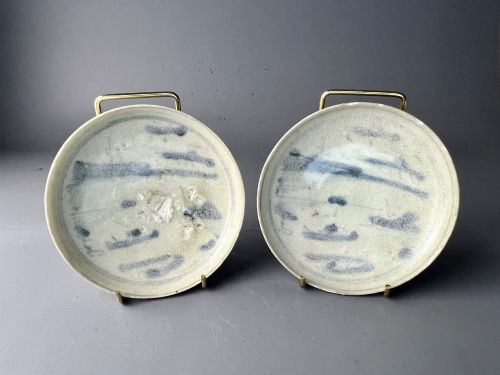
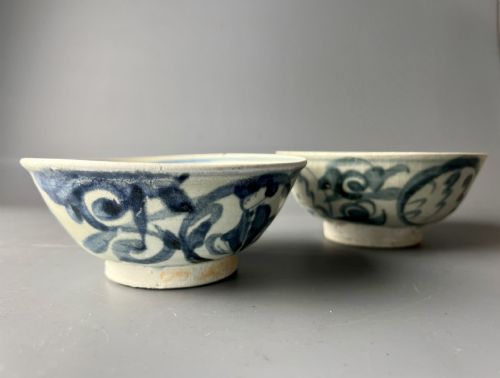
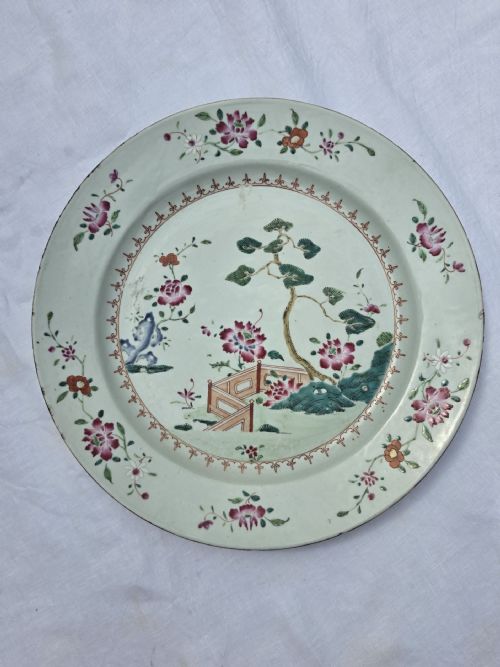
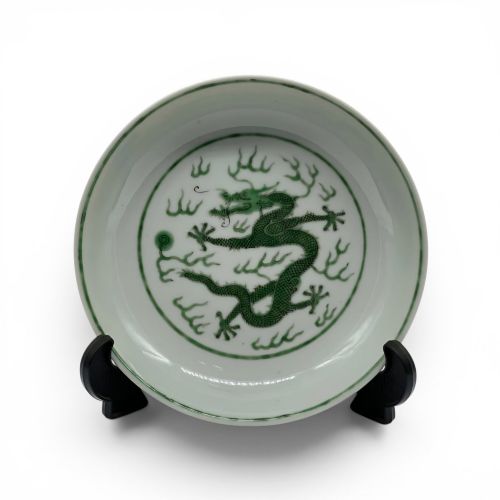
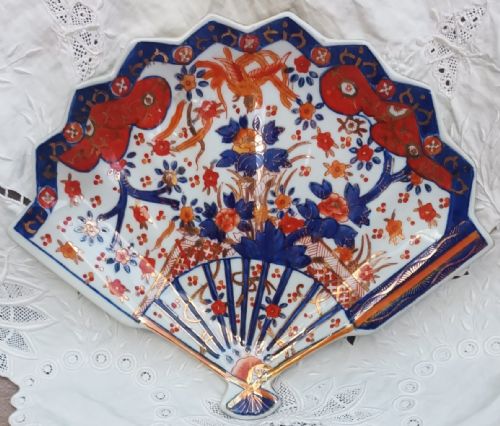
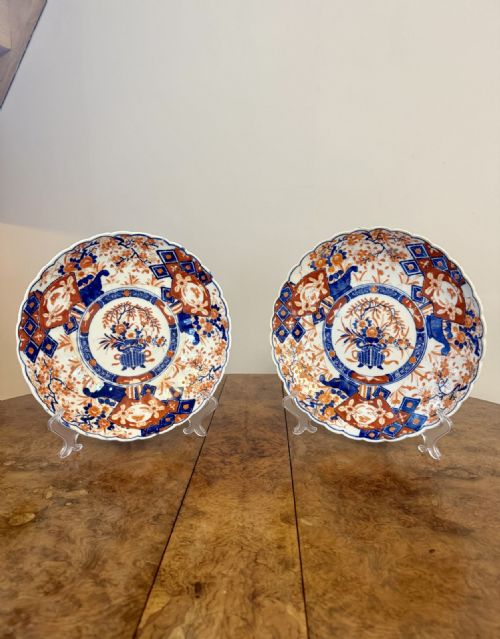
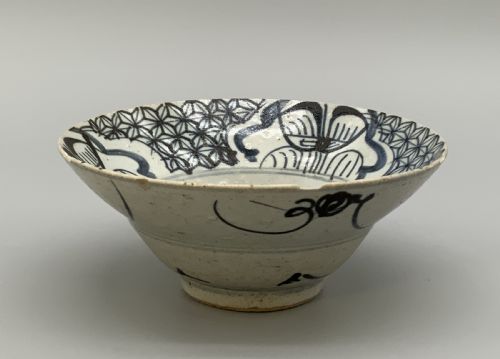
When searching for an asian export ceramic dish, collectors encounter pieces produced in China and Japan primarily for overseas markets. These items range from large chargers and deep plates to bowls and platters designed for functional use or display. The selection on this page leans heavily towards Japanese Imari and Chinese export porcelain spanning several centuries.
The objects stem from various historical milestones, including the Ming, Qing, and Edo periods, alongside later Meiji and Edwardian eras. Makers utilised traditional forms such as scalloped edges, fluted bodies, and deep plate formats. Buyers often discover pairs and sets alongside substantial single chargers intended as centrepieces.
Materials and methods of construction
The foundation of these items rests on hard-paste porcelain and ceramic bodies shaped by skilled potters. Artisans applied cobalt underglaze for deep blue pigments directly onto the clay before firing. Subsequent applications frequently introduced vibrant enamel colours and gold leaf highlights.
Many surfaces display intricate hand-painted detailing executed with fine brushes. Potters employed specialised glazes to seal the ceramic body, while decorators integrated gilt accents to catch the light on chargers and plates.
Listings feature porcelain, enamel, and gold leaf applied across plates, chargers, and bowls from the seventeenth to the twentieth century.
Assessing quality in export ceramics
Quality separates ordinary utilitarian ware from superior examples through the precision of the brushwork and the vibrancy of the palette. Finer pieces demonstrate careful control during high-temperature kiln firings, resulting in stable glazes and balanced forms. Superior porcelain bodies exhibit thinness without losing structural integrity.
The sophistication of the design composition dictates the upper tier of the range. Master painters achieved exceptional depth in cobalt underglaze and applied gold leaf or enamel with strict adherence to traditional motifs such as exotic birds and floral arrangements.
The Asian Export Ceramic Dish Glossary
- Imari
- A style of Japanese porcelain decorated in underglaze blue, iron red, and gold, originating from the town of Arita. These wares gained immense popularity across Europe during the export boom.
- Kraak porcelain
- A type of Chinese export porcelain characterised by panelled decoration and blue and white designs, produced mainly during the Wanli period. Ships belonging to the Dutch East India Company frequently transported these items.
- Famille rose
- A palette of Chinese porcelain enamels dominated by opaque pink or rose colours, introduced during the Qing dynasty. Artisans used this technique to render delicate floral and figural scenes.
- Charger
- A large decorative plate or platter utilised historically for serving food or displayed upright on sideboards. These substantial vessels provide a wide canvas for complex painted narratives.
- Cobalt underglaze
- A blue pigment applied to raw ceramic pottery before glazing and firing at high temperatures. The resulting colour fuses permanently beneath the glossy surface layer.
Asian Export Ceramic Dish: Frequently Asked Questions
How do I date an imari dish?
Dating relies on stylistic shifts in the palette, the quality of the porcelain body, and foot-ring characteristics. Earlier pieces often display thicker potting and deeper cobalt tones compared to later iterations.
Examining the brilliance of the enamel and the presence of gold leaf also assists in establishing the production era within the Meiji or Edo periods.
What is kraak porcelain?
Kraak porcelain is a distinct category of Chinese export ware featuring segmented panel borders surrounding a central motif. It dates primarily to the late Ming dynasty and seventeenth century.
These pieces were salvaged from historic shipwrecks and treasured by European merchants for their durability and striking blue and white contrast.
Can I use these dishes daily?
Most antique pieces function best as decorative display items rather than for everyday dining. The delicate nature of the enamel and gold leaf decorations requires gentle handling.
Hand washing in lukewarm water with mild soap preserves the integrity of the antique ceramic body and prevents surface wear.
How do chinese and japanese wares differ?
Chinese export ceramics often feature nuanced famille rose palettes or detailed blue and white underglaze scenes reflecting imperial or literati traditions. Japanese pieces frequently incorporate dense Imari or Kutani aesthetics with vibrant iron red and gold.
Clay composition and throwing techniques also vary between the distinct regional kilns of Arita, Jingdezhen, and surrounding production centres.