






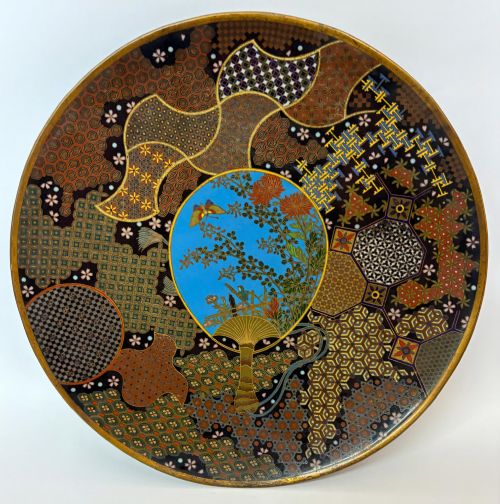

Meiji Period Charger Plate
A meiji period charger plate brings intricate hand-painted detail and metalwork from late-nineteenth-century Japan into any interior.
Meiji Period Charger Plate
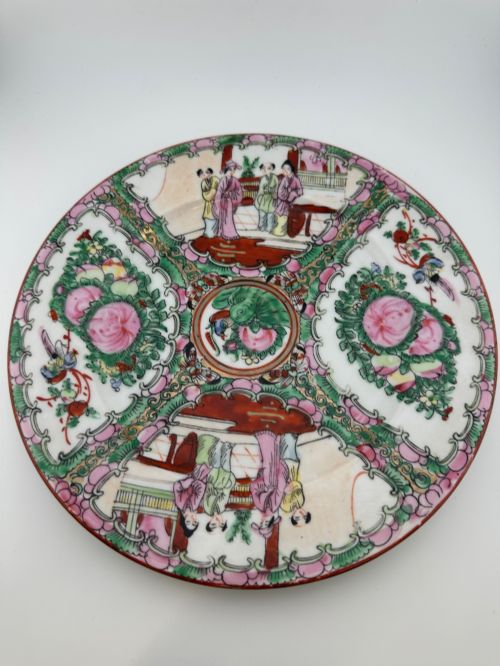
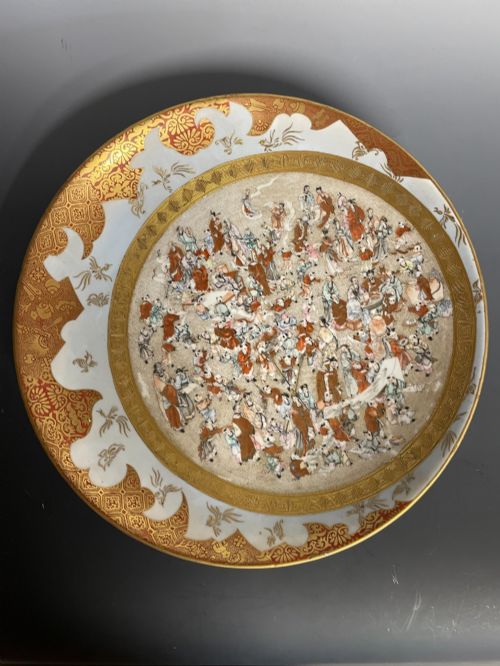
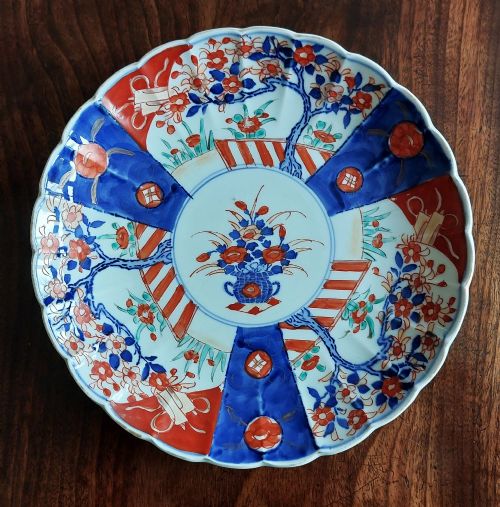
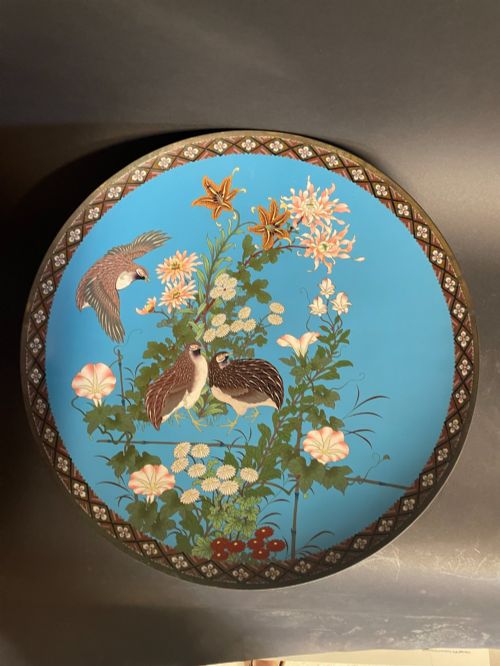
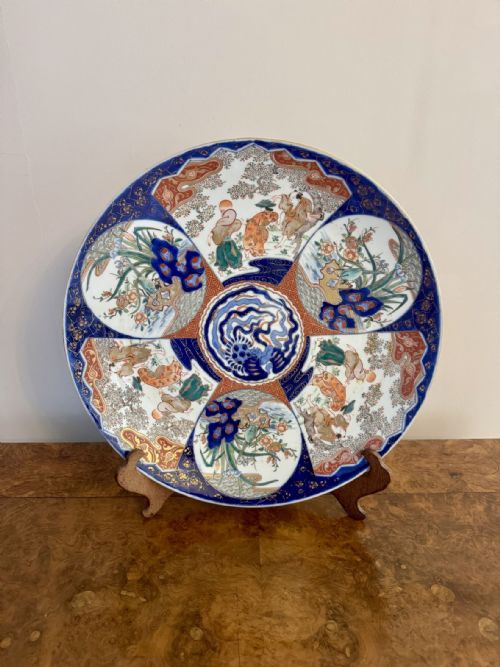
A meiji period charger plate is a large decorative vessel produced in Japan during the late nineteenth and early twentieth centuries. These works include large Imari porcelain chargers, Satsuma earthenware pieces, and detailed metalwork trays.
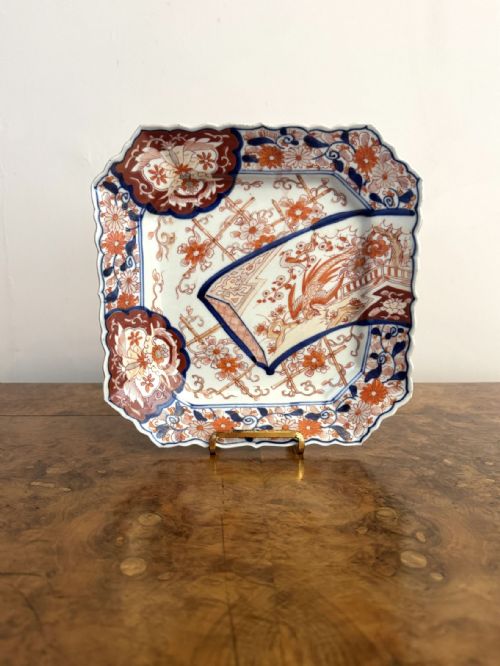
The objects take the form of decorative plates, dishes, and square trays designed primarily for display. Buyers frequently encounter scalloped edges and broad surfaces filled with birds, florals, and landscapes.
Originating across different production centres, these items span the Meiji and Taisho eras, with many examples dating from the 1880s through to 1910.
How they were made
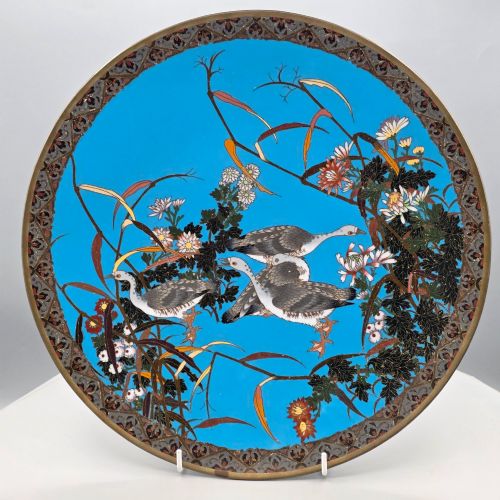
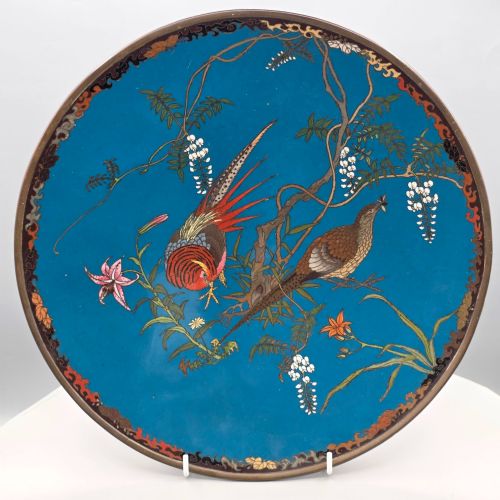
Porcelain and earthenware forms receive hand-painted glazes, often incorporating blue and white pigments alongside rich enamels and gold leaf. Makers construct cloisonné pieces using copper or brass bases combined with intricate enamel wires.
Kiln firing sets the vitreous glazes and enamels onto the ceramic bodies or metal foundations. Artisans then polish the surfaces to create a smooth, finished display item.
Listings feature items spanning from eighteen-fifty through to the early twentieth century, incorporating porcelain, copper, and cloisonné enamel.
What varies in quality
The intricacy of the painted motifs and the precision of the cloisonné wirework separate standard production from finer examples. Complex subject matter such as leaping koi, chrysanthemums, and exotic birds demands higher technical skill.
The crispness of the porcelain body and the depth of the glaze application determine the visual impact of the piece. Scalloped edges and balanced compositional layouts reflect greater care during formation.
Koshida·Nagoya
The Meiji Period Charger Plate Glossary
- Imari
- A style of Japanese porcelain featuring cobalt blue and iron red underglazes, often highlighted with gold. These pieces display dense floral and geometric patterns.
- Cloisonne
- A decorative metalwork technique where flat wire creates small compartments that artisans fill with enamel paste. The surface undergoes firing and polishing.
- Charger
- A large ornamental plate utilised for display rather than dining. These items occupy a central position on walls or tables.
- Satsuma
- A type of Japanese earthenware characterised by a crackled ivory glaze decorated with polychrome enamels and gold leaf. Many items depict figural or floral scenes.
Meiji Period Charger Plate: Frequently Asked Questions
How were charger plates used?
These large plates serve primarily as decorative display items rather than functional tableware. Owners place them on walls, stands, or tables to showcase intricate painted or enamelled designs.
In Japanese interiors and Western export markets, they function as focal points within a room.
How do I identify a Meiji period piece?
Dating relies on stylistic markers such as dense Imari palettes, moriage relief work, and detailed cloisonné wirework typical of late nineteenth-century production. The materials reflect manufacturing methods common between eighteen-eighty and nineteen-ten.
Changes in export regulations and kiln techniques during this era help separate these items from earlier Edo wares.
What is the difference between Imari and Satsuma?
Imari pieces consist of hard porcelain decorated with cobalt blue, iron red, and gold. They offer a durable surface with crisp, contrasting patterns.
Satsuma items utilise a softer earthenware body covered in a finely crackled cream glaze painted with detailed enamels and gilt.
How do I care for antique ceramic and enamel plates?
Keep these items away from direct sunlight to preserve the stability of the enamel and the brilliance of the gold leaf. Dust them gently with a dry, soft cloth.
Avoid moisture and harsh cleaning agents that could damage the delicate glaze or metal wires.