

Victorian Decorative Urns
Victorian decorative urns combine classical form with nineteenth-century craftsmanship, offering striking focal points for both interior rooms and garden settings.
Victorian Decorative Urns
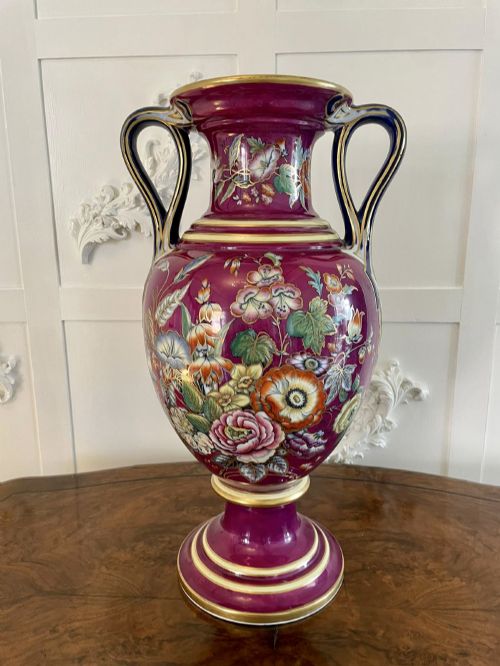
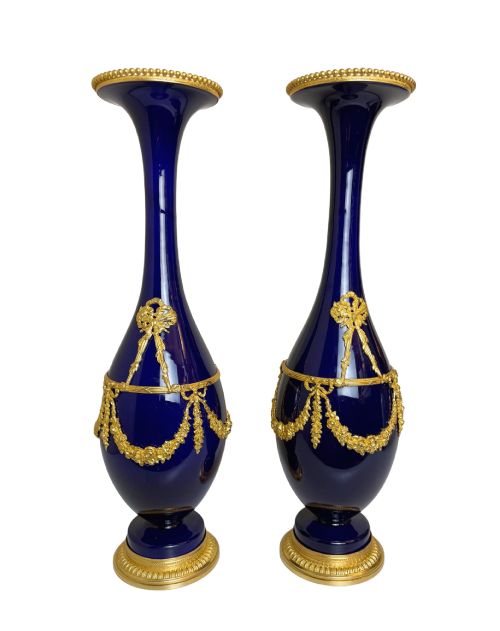
Victorian decorative urns encompass a diverse selection of ornamental vessels designed for display rather than utility. When searching for this phrase, buyers encounter pieces ranging from indoor porcelain table pieces to substantial cast iron garden containers.
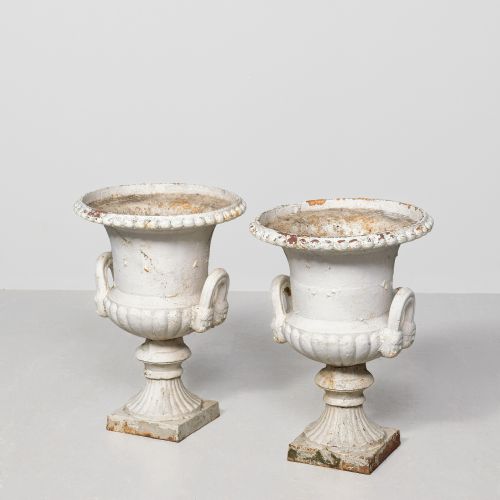
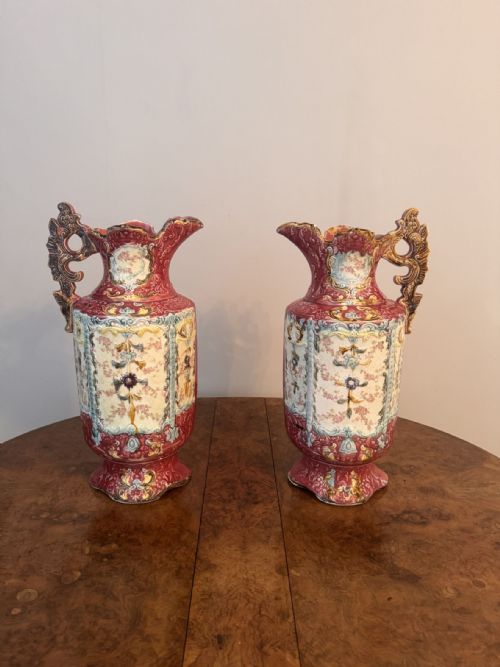
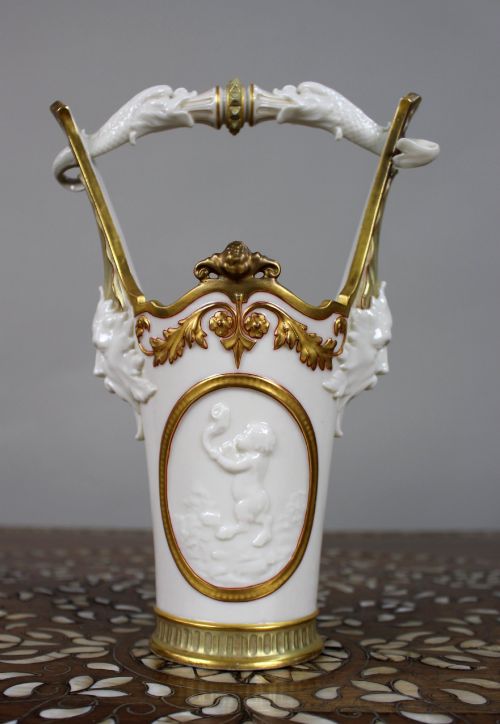
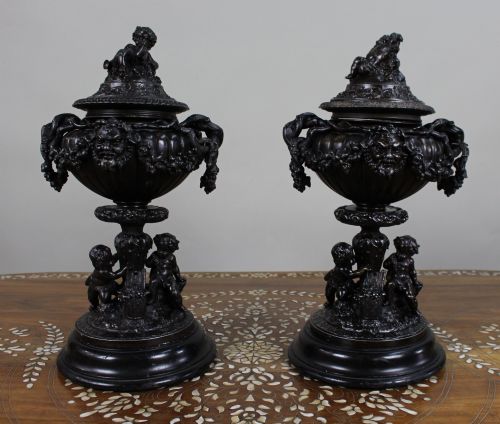
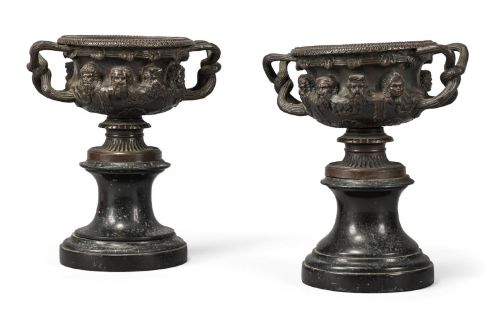
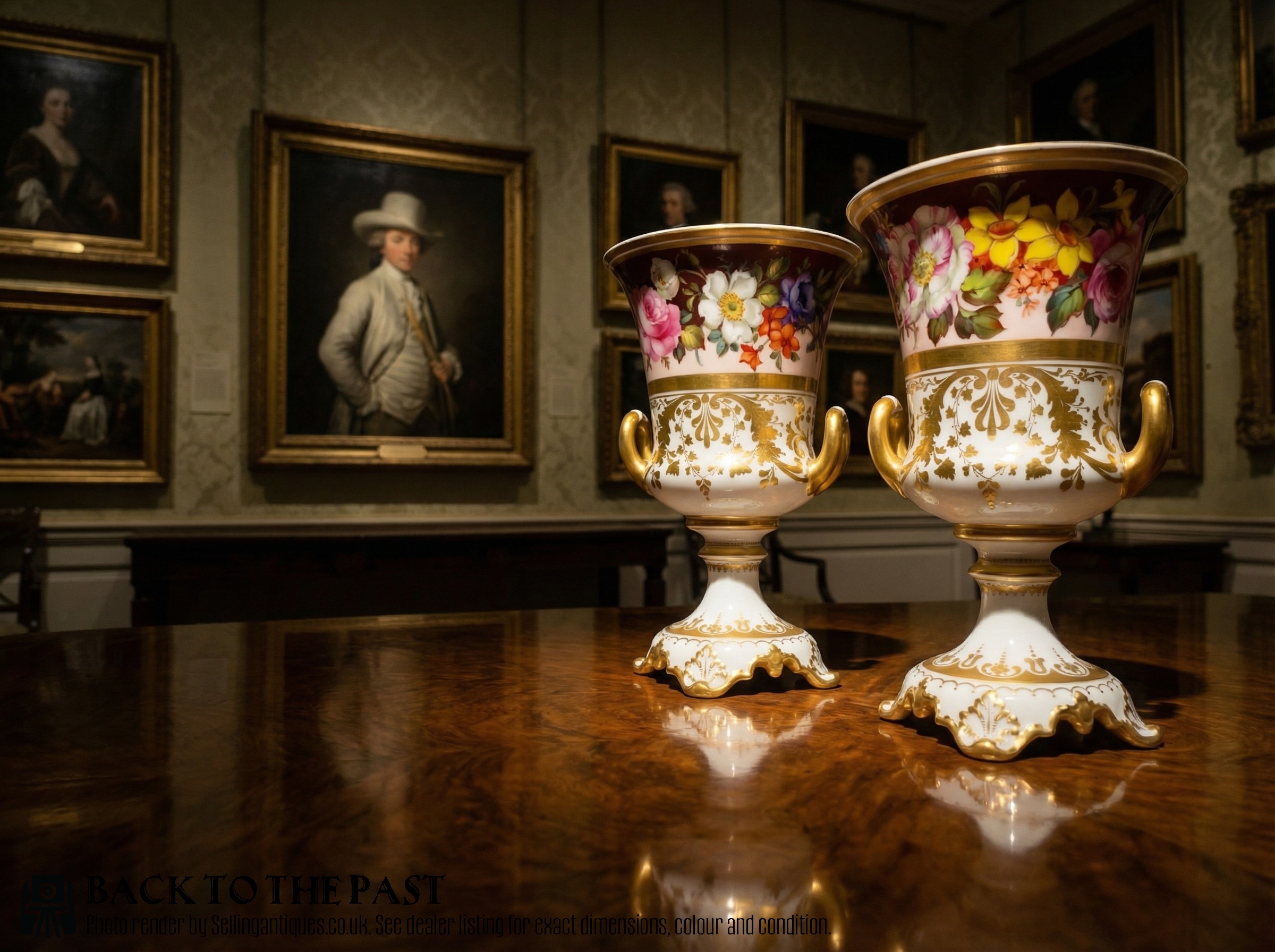
The selection includes items shaped as Campana vases, handled ewers, and classical vessels drawing on neoclassical and revivalist styles. Many examples originate from British potteries and continental foundries active during the nineteenth century.
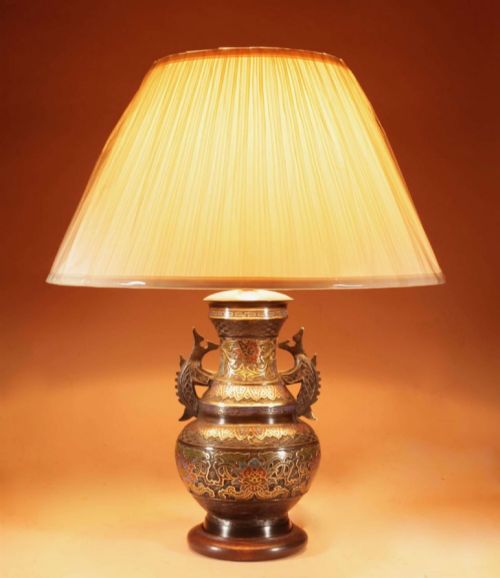
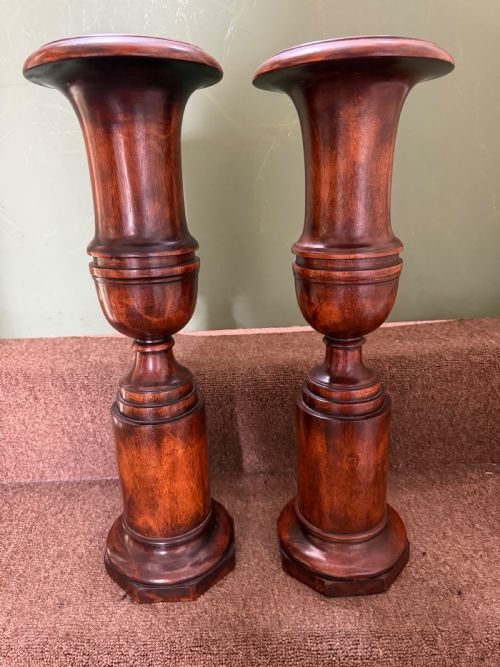
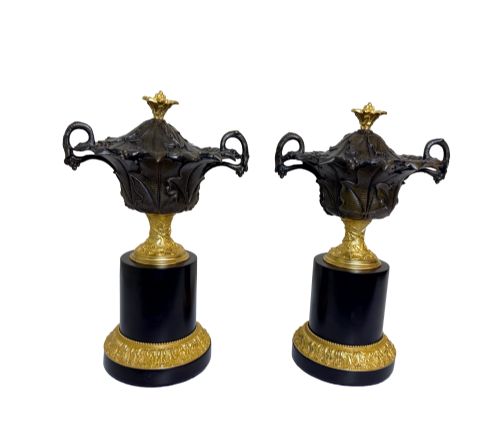
Indoor variations frequently utilise glazed ceramics, enamel, and gilt bronze, whilst garden iterations rely on durable metals like cast iron. Pairs dominate the available forms, reflecting the Victorian preference for symmetrical interior and exterior arrangement.
How they were made
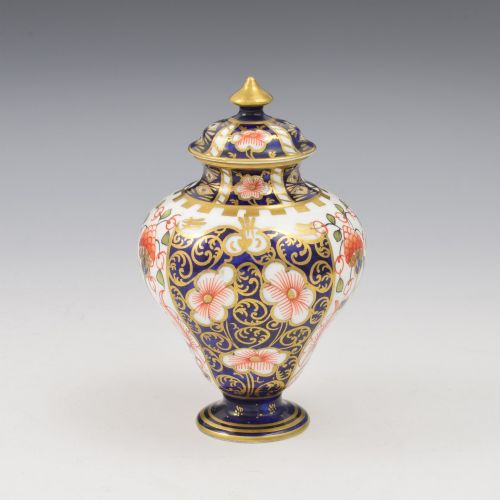
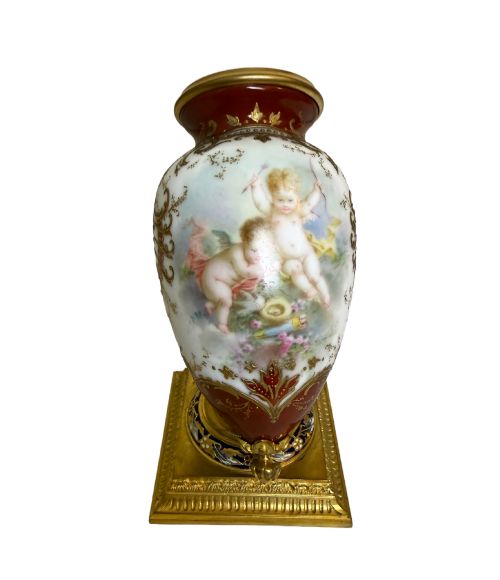
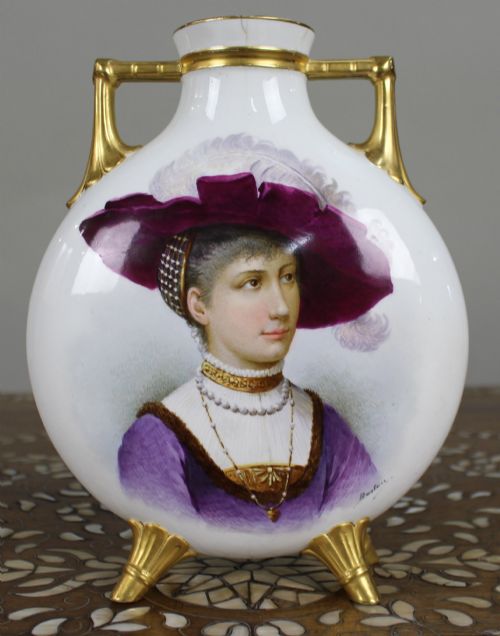
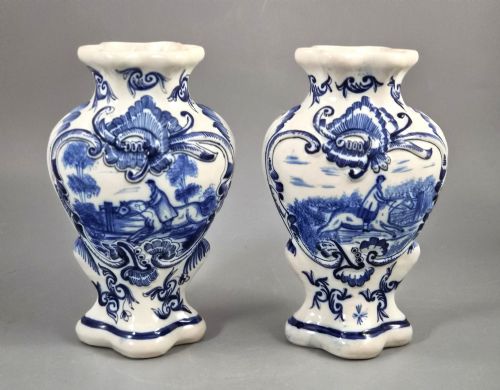
Ceramic examples rely on moulded earthenware, porcelain, and faience, often finished with hand-painted details, gilding, and colourful glazes. Potters shaped these materials into intricate vases, moon flasks, and lidded urns before firing.
Metal versions utilise cast iron, bronze, and spelter, produced by pouring molten metal into detailed moulds to achieve classical motifs such as acanthus leaves and bacchic masks. Foundries then applied patination, paint, or bronze finishes to the cooled surfaces.
Victorian Decorative Urns Retail Price Guide 2026
Typical asking prices for victorian decorative urns among the pieces listed under this phrase on Sellingantiques today, from the lower quarter to the upper quarter. They describe what is for sale here now, not the wider market.
What varies in quality
The refinement of the casting and modelling separates standard production from exceptional work. Superior metal urns display crisp relief on motifs like masks and swags, whilst finer ceramics show precise hand-painting and controlled gilding without blurring.
Material integrity and the survival of original surface treatments dictate the standing of a piece. Original patination on cast iron or intact hand-painted details on porcelain elevate the desirability of these vessels.
Royal Crown Derby·Royal Worcester·Fourmaintraux-Courquin·Doulton Lambeth·Val D Osne Foundry·Mettlach Pottery·Andrew Handyside
The Victorian Decorative Urns Glossary
- Cassolette
- A decorative vessel shaped like an urn, often fitted with a reversible lid that functions as a small bowl or burner. These items frequently incorporate gilt bronze mounts and porcelain bodies.
- Faience
- Tin-glazed earthenware produced across Europe during the nineteenth century. This technique allows for vibrant painted decoration applied directly over an opaque white glaze.
- Spelter
- An alloy of zinc used as a cheaper alternative to bronze for decorative figures and urns. It is typically given a bronze or patinated finish to mimic heavier metalwork.
- Ewer
- A large jug with a wide spout and a looped handle, often paired with a basin. Victorian examples frequently serve purely decorative functions on mantelpieces or pedestals.
Victorian Decorative Urns: Frequently Asked Questions
Where were Victorian decorative urns displayed?
These vessels appeared across both domestic interiors and external landscapes. Indoors, smaller porcelain and bronze versions occupied mantelpieces, side tables, and dedicated pedestals.
Outdoors, robust cast iron urns marked garden paths, patio corners, and formal lawn boundaries, functioning as standalone planters.
How do I identify garden urn materials?
Cast iron is heavy, magnetic, and frequently shows weathered original paint or surface rust. Spelter is lighter than bronze, non-magnetic, and often reveals a greyish metal beneath any worn surface finishing.
Lead and bronze develop distinct patinas over decades of exposure, helping distinguish them from later reproductions.
What styles influenced Victorian urn design?
Neoclassical revivalism heavily shaped nineteenth-century production, drawing directly from ancient Greek and Roman forms. Makers also incorporated French Rococo revival elements and Japanese motifs during periods of global trade expansion.
Arts and Crafts aesthetics emerged later, prioritising simpler forms and honest material expression over classical ornamentation.
Are original lids common on antique urns?
Original matching lids remain uncommon because many covers suffered breakage or separation over generations of use. Surviving lids significantly enhance the completeness and character of lidded vases and cassolettes.
Listings explicitly note the presence of original covers when they accompany the main body.