

Turn of Century Gateleg Table
A turn of century gateleg table offers clever folding leaves and solid timber frames that suit compact dining spaces.
Turn of Century Gateleg Table
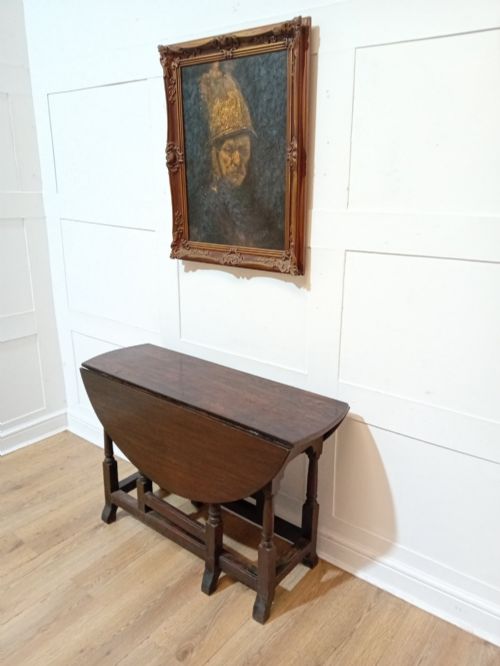
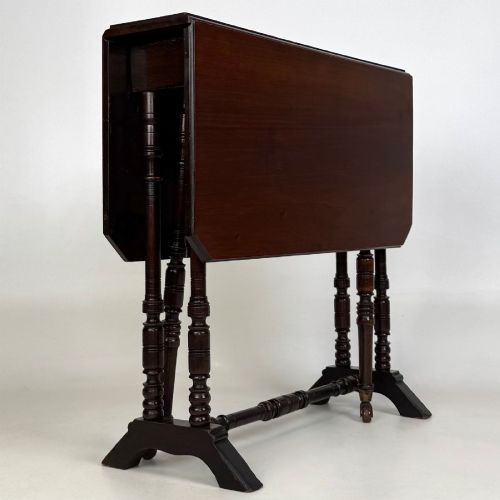
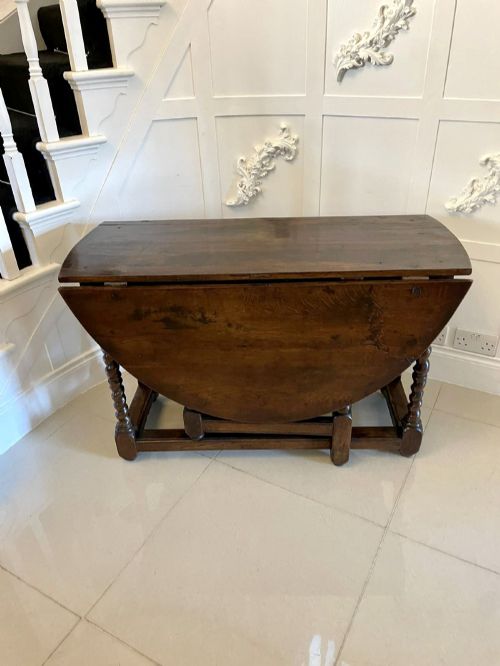
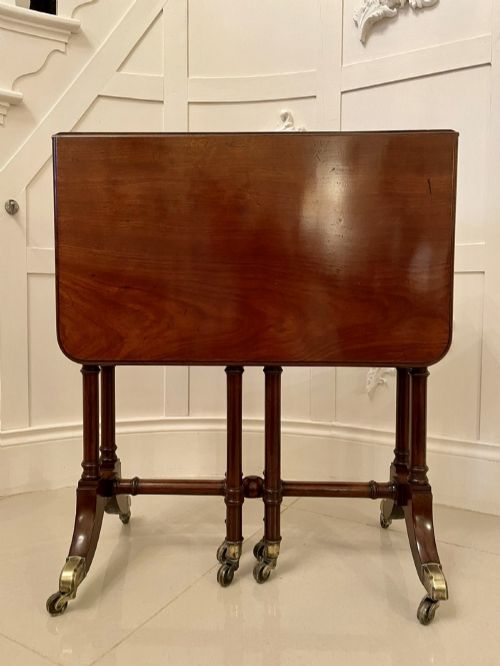
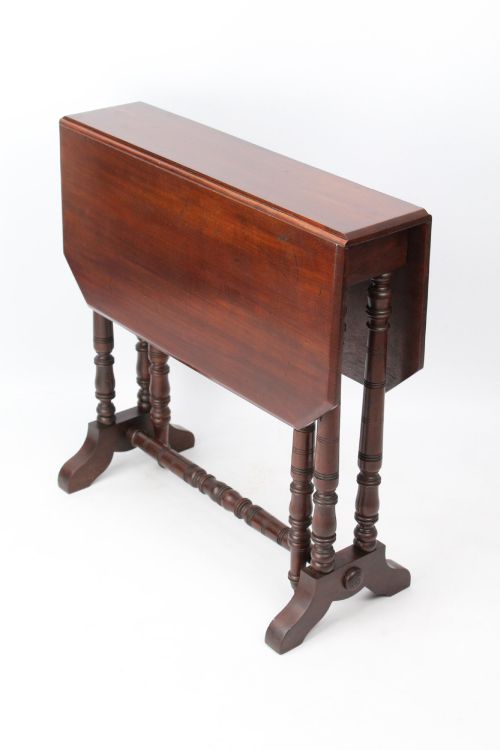
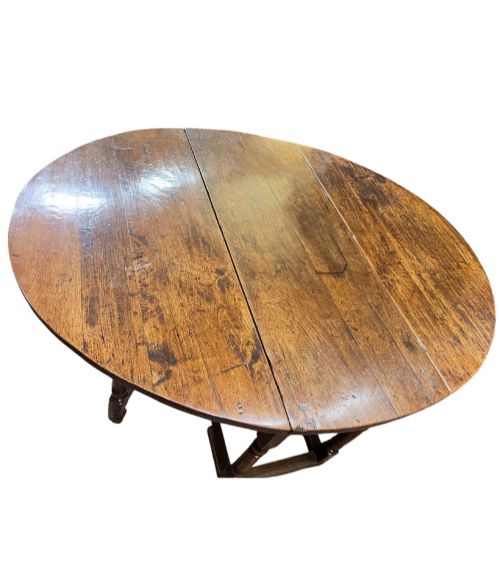
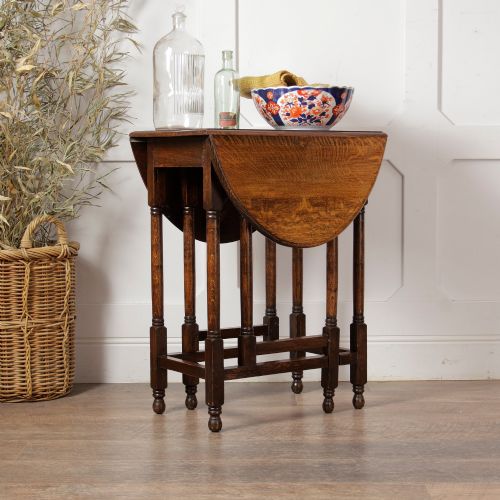
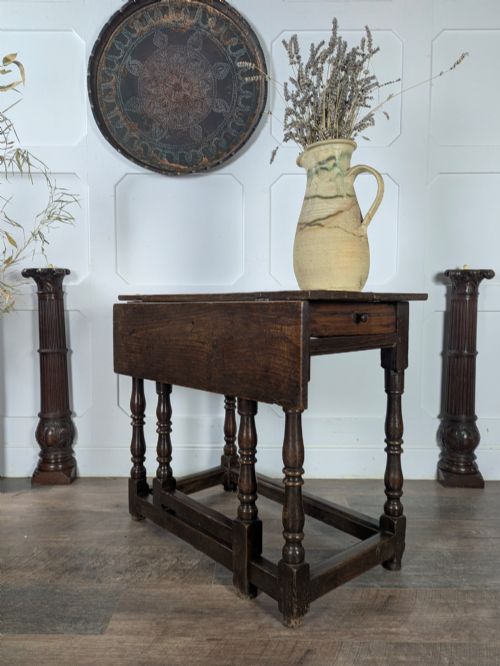
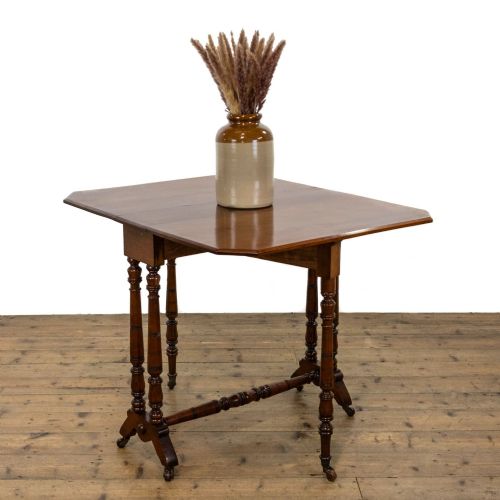
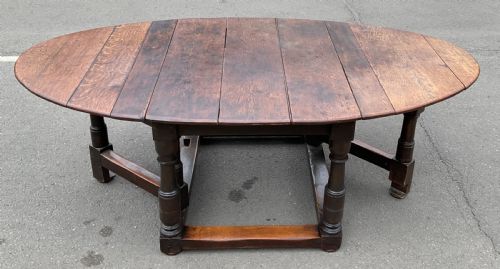
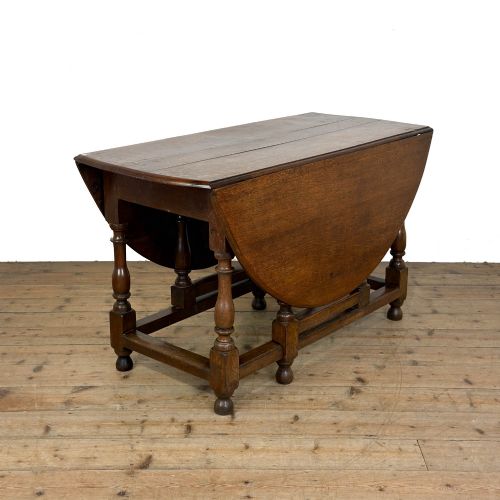
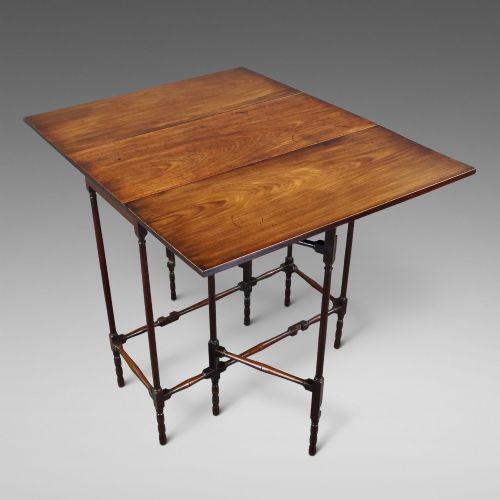
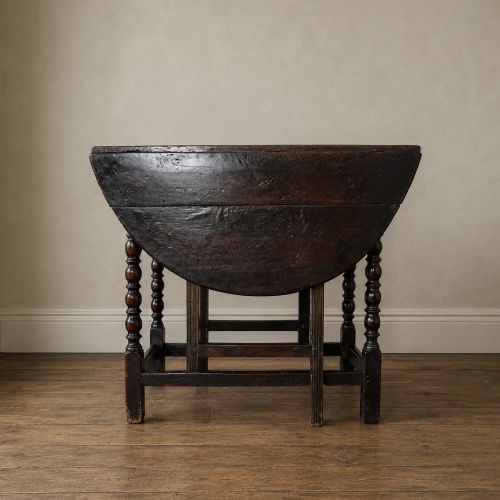
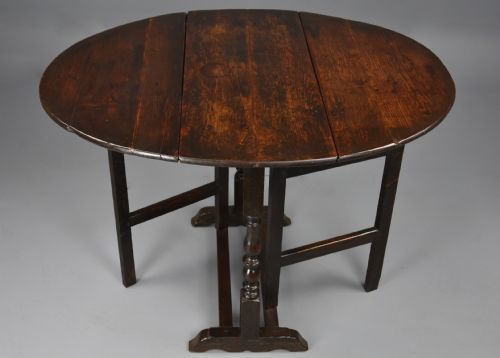
When you examine a turn of century gateleg table, you look at drop leaf designs created to expand surface area when needed and fold flat against walls otherwise. The pieces seen here span centuries of British cabinet making, featuring both compact side variants and large dining formats.
Oak dominates the early examples from the seventeenth and eighteenth centuries, while mahogany, walnut, and yew appear in later Georgian and Victorian iterations. These tables serve daily utility while displaying the rich grain patterns favoured by period makers.
How they were made
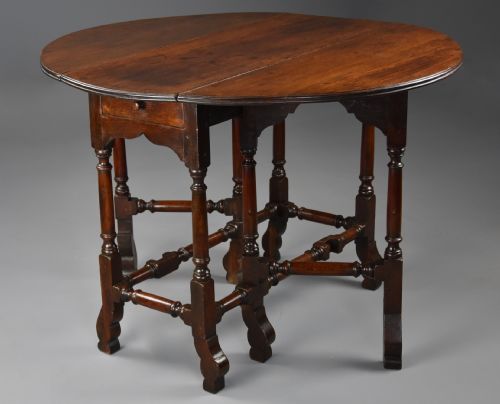
Cabinet makers utilised dense hardwoods such as oak, mahogany, and walnut, joining sections with traditional pegged mortise and tenon joints to withstand the movement of folding leaves. Turning lathes shaped structural components like baluster, bobbin, and spider legs to support the pivoting gate frame.
Iron and brass hinges secured the drop leaves to the fixed top, allowing the hinged legs to swing outward and lock the flaps in place. Hand finishing with oils and wax protected the timber while developing the warm surface patina found on surviving examples.
Listings span seventeenth, eighteenth, and nineteenth century periods, incorporating oak, mahogany, walnut, and yew materials in various table formats.
What varies in quality
The degree of material selection and timber figuring separates standard domestic items from high workshop output, particularly in walnut and red variants. Tables retaining original hinges, untouched surface finishes, and unaltered proportions command greater regard among collectors.
Structural integrity relies on the snugness of the pivoting gate mechanism and the straightness of the turned legs, which can suffer from centuries of uneven floor wear or loose joints. The depth of the wood patina reflects the age and care each piece has experienced.
The Turn of Century Gateleg Table Glossary
- Gateleg table
- A table with hinged leaves supported by swinging legs that pivot outward like a gate. This construction provides sturdy support for the extended top.
- Drop leaf table
- A table featuring a fixed central section and one or more hinged flaps that drop down when not in use. These designs maximise floor space in smaller rooms.
- Bobbin turned
- A style of leg decoration shaped on a lathe to resemble a series of wooden reels or bobbins stacked end to end. This turning style is common on seventeenth century English pieces.
- Patina
- The surface sheen and mellow colour developed by aged timber through decades of handling, polishing, and exposure to light. Original patination indicates minimal chemical stripping.
- Baluster leg
- A vertical architectural support shaped with a swelling lower portion, frequently seen on seventeenth and eighteenth century tables. It provides robust weight distribution for heavy oak tops.
Turn of Century Gateleg Table: Frequently Asked Questions
How do I use a gateleg table in a small room?
Keep both leaves dropped against the central frame to use the piece as a narrow side or console table against a wall. Raise one or both flaps and swing the gate legs outward when you need a surface for dining or writing.
Fold the leaves back down immediately after use to restore floor space in compact kitchens or sitting rooms.
How do I tell a seventeenth century table from a later revival piece?
Examine the construction marks underneath the top, where hand sawn timber surfaces, pegged joints, and forged iron or brass hinges indicate genuine period manufacture. Seventeenth century examples typically utilise heavy English oak with deep surface patination built up over centuries of use.
Revival pieces from later eras often display machine cut components, standardised screw fixings, and timber finishes that lack the depth of genuine age.
What is the difference between an oak and a mahogany gateleg table?
Oak tables generally date from the seventeenth and eighteenth centuries, displaying coarse grain patterns, heavy timber construction, and turned baluster or bobbin legs. They offer a rustic aesthetic associated with early English dining.
Mahogany and walnut versions tend to appear in eighteenth and nineteenth century formats, presenting finer grain details, slender legs, and formal proportions suited to refined interiors.
How should I care for the wood surface?
Apply traditional beeswax sparingly with a soft cloth and buff gently to maintain the moisture and natural lustre of the timber. Avoid placing these tables near direct heat sources or in areas with fluctuating humidity to prevent wood splitting.
Use protective coasters and placemats beneath hot dishes or liquids to safeguard the historic finish from heat rings and stains.