

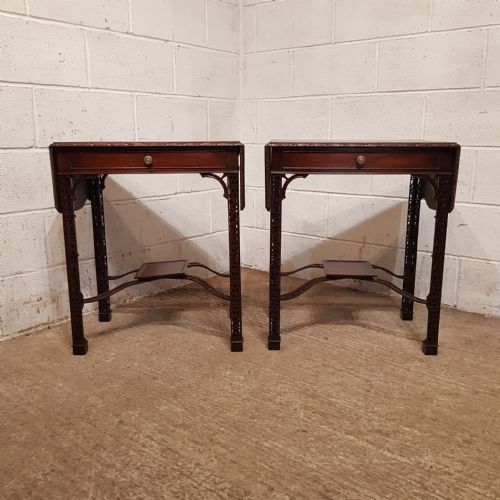
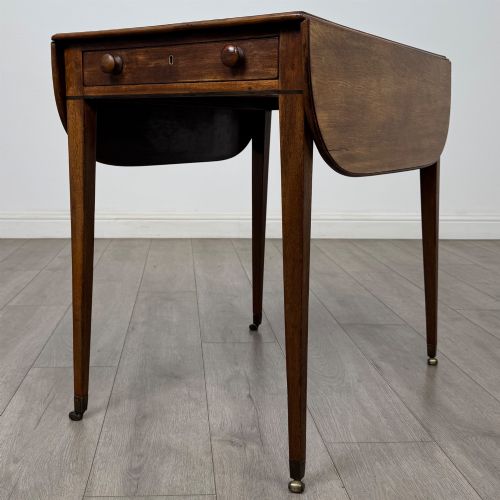
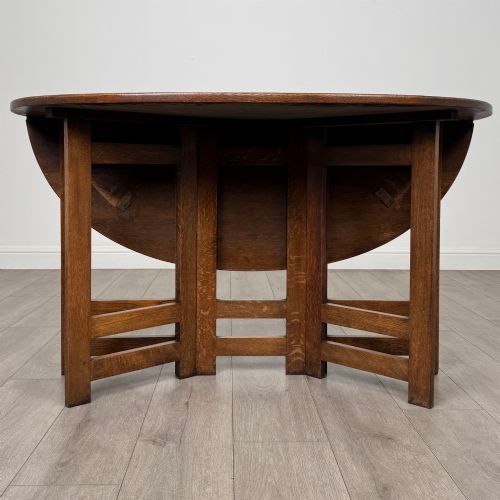
Edwardian Drop Leaf Side Table
An Edwardian drop leaf side table offers practical folding flaps that adapt easily to compact living spaces.
Edwardian Drop Leaf Side Table
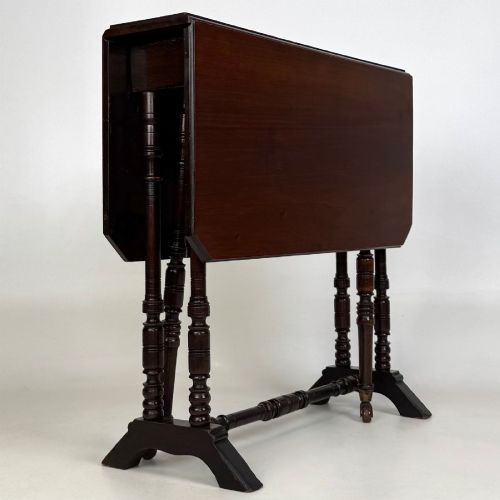
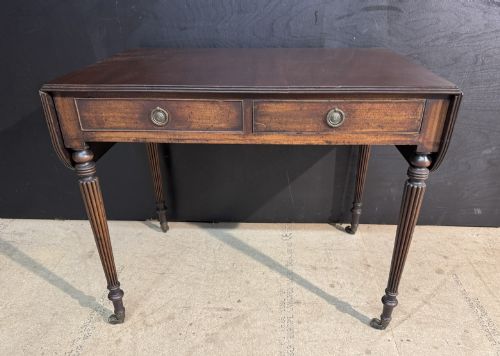
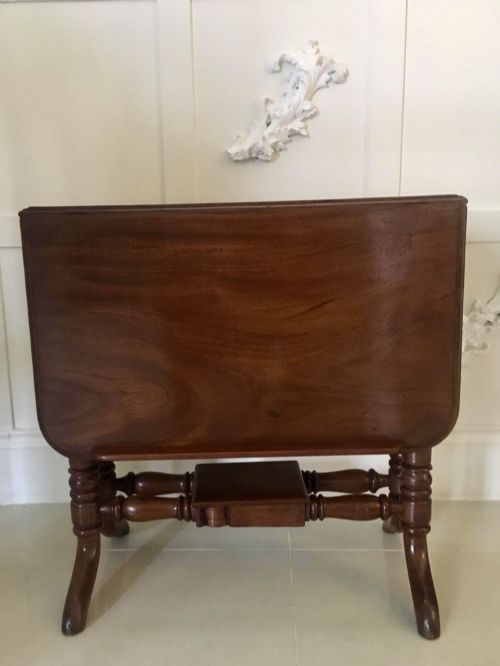
An edwardian drop leaf side table brings versatile surface space into a room through hinged flaps that fold down when not in use. These pieces appear primarily in Edwardian forms alongside earlier Victorian and Regency iterations.
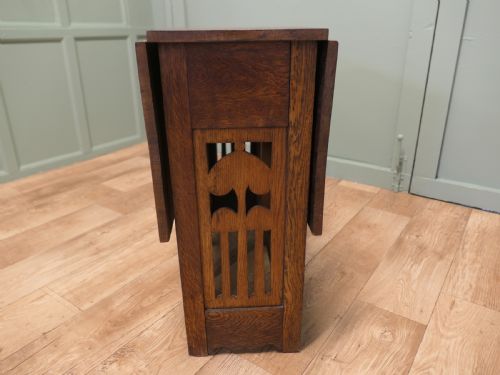
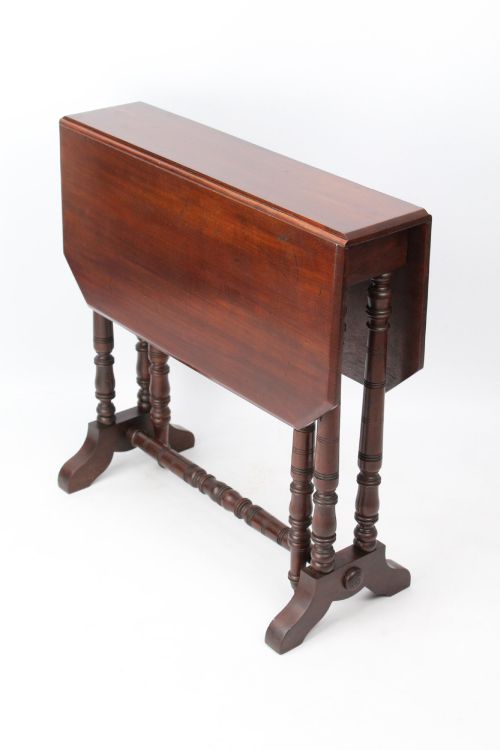
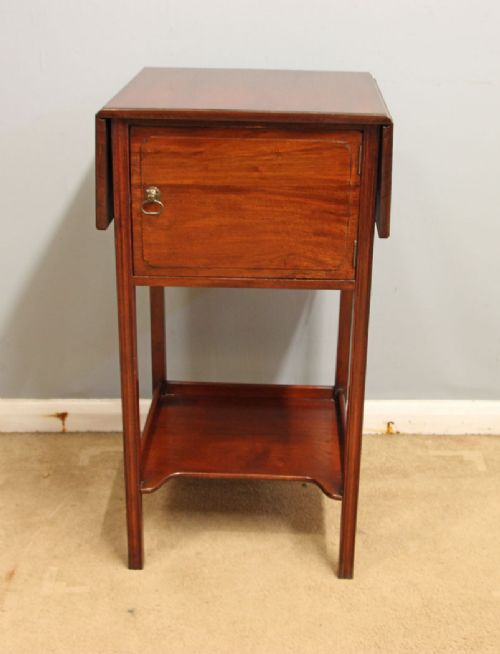
Makers constructed these tables to function as occasional, Sutherland, Pembroke, or gateleg tables. The evidence shows frequent appearances of mahogany, oak, and rosewood structures equipped with drop sides.
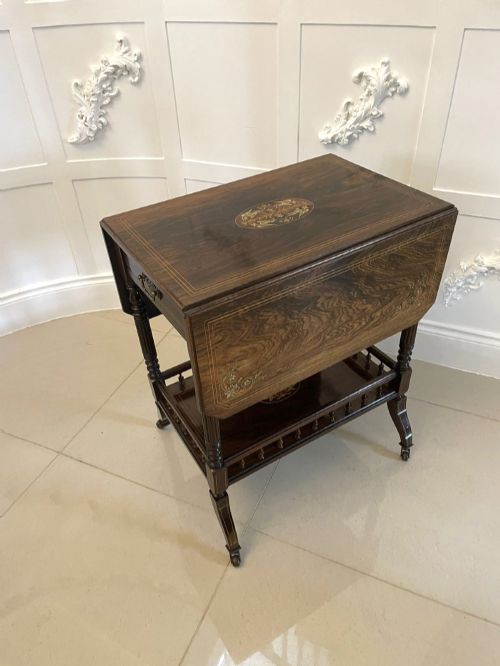
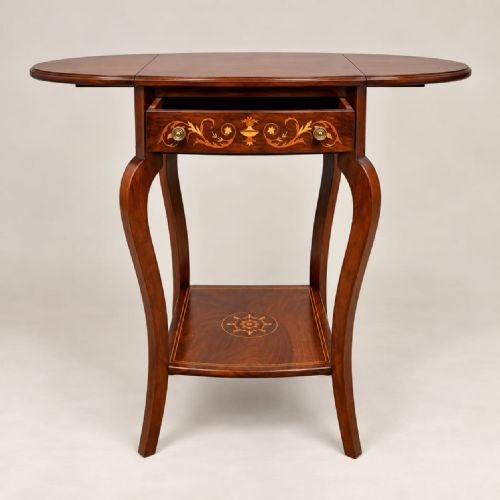
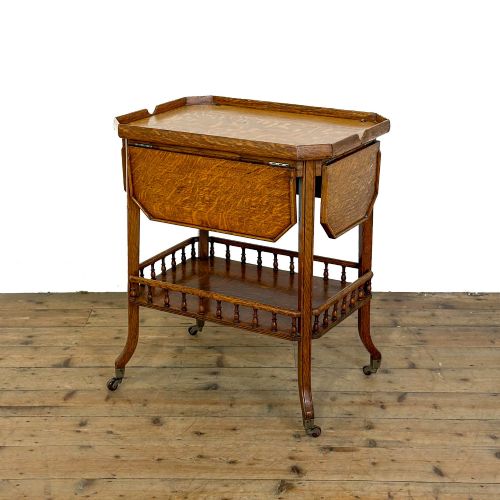
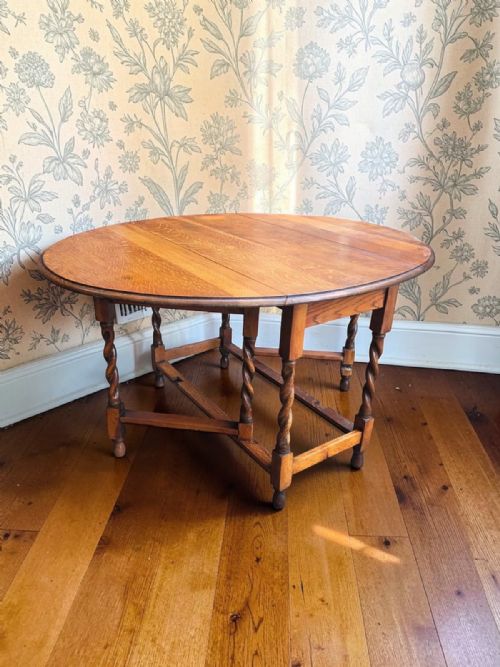
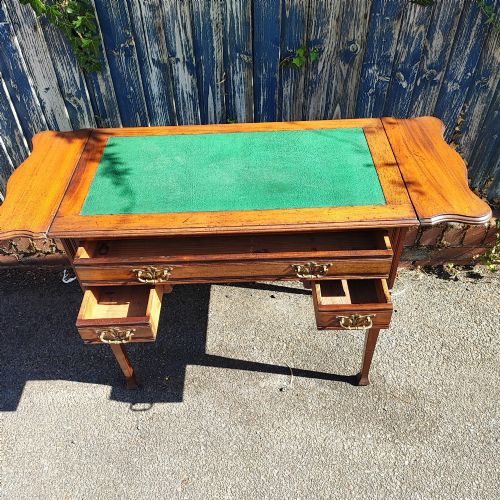
Buyers meet variations ranging from simple oak trolley designs to inlaid satinwood and rosewood examples. Oval forms, writing tables, and lamp tables also populate the selection.
How They Were Made
Craftsmen utilised solid timbers and veneers such as mahogany, oak, walnut, and rosewood to build the primary frames and drop leaves. Satinwood, boxwood, and harewood provided contrasting details for marquetry and inlay work.
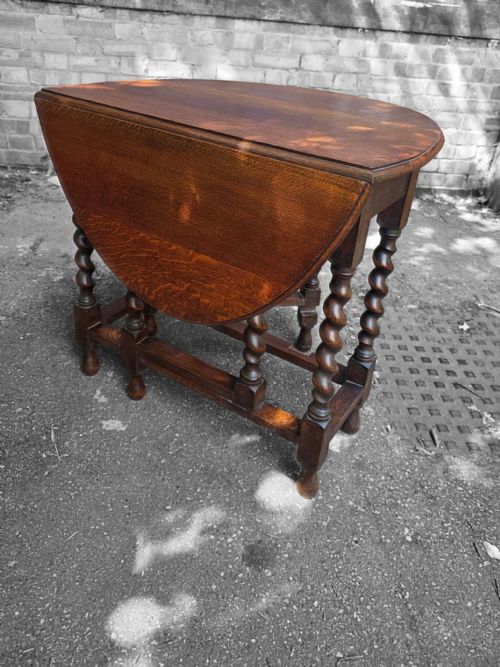
Structural support relied on diverse leg configurations including bamboo-turned legs, spider legs, and barley twist turnings. Brass fittings and hinges secured the drop leaves and drawers, allowing the flaps to move smoothly.
Listings demonstrate that mahogany remains the most prevalent timber, accompanied by oak and rosewood alongside inlay materials like boxwood and satinwood.
What Varies in Quality
The refinement of timber selection dictates visual distinction, moving from plain utilitarian oak to figured mahogany and elaborate rosewood with satinwood inlay. Finer examples display meticulous marquetry and careful matching of wood grain across the folding leaves.
Joinery execution separates standard production from superior craftsmanship, visible in the stability of the drop leaf hinges and the clean movement of drawers. The sophistication of the leg turning, whether simple tapering or intricate bamboo-turned styles, influences the character of the piece.
Andrew Thomson And Sons
The Edwardian Drop Leaf Side Table Glossary
- Drop leaf
- A table with a fixed central section and hinged flaps that fold down. These leaves extend the surface area when supported by swing legs or brackets.
- Sutherland table
- A narrow table with exceptionally slender drop leaves that fold down almost vertically. They conserve space efficiently when fully closed.
- Pembroke table
- A small occasional table featuring two drop leaves on opposite sides. Many include a single drawer and delicate leg forms.
- Gateleg table
- A table with hinged legs that swing outward to support the drop leaves. This design provides sturdy reinforcement for larger folding surfaces.
- Marquetry
- Decorative veneer work forming pictorial or geometric patterns using various coloured woods. Craftsmen embed these thin pieces into the primary surface.
Edwardian Drop Leaf Side Table: Frequently Asked Questions
Where should I place an Edwardian drop leaf side table?
These tables fit well beside seating areas or against walls where space fluctuates. Lowering the flaps creates a compact footprint in narrow hallways or small rooms.
Raising the leaves provides extra surface area when hosting guests or displaying lamps and books.
How do I care for mahogany and rosewood surfaces?
Dust the timber regularly with a soft, dry cloth to prevent accumulation. Avoid placing the wood in direct sunlight or near heat sources to protect the finish.
Apply suitable beeswax periodically to nourish the grain and maintain the natural lustre of the antique surface.
How can I identify an Edwardian piece?
Edwardian tables often display lighter timbers, refined satinwood inlay, and influences from earlier Georgian or Sheraton revivals. Construction methods reflect early twentieth-century workshop standards.
Comparing the legs and secondary woods to documented examples from the period helps confirm the approximate date of manufacture.