

Antique Mahogany Folding Table
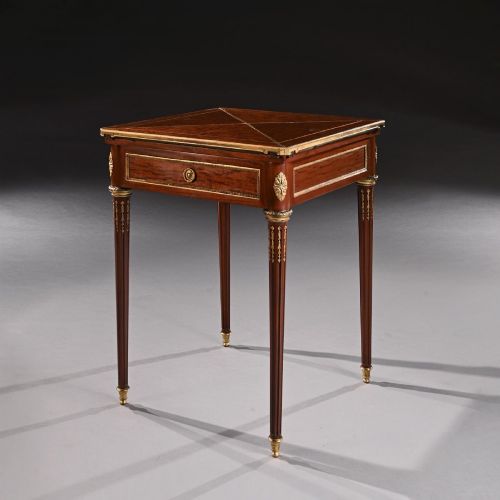
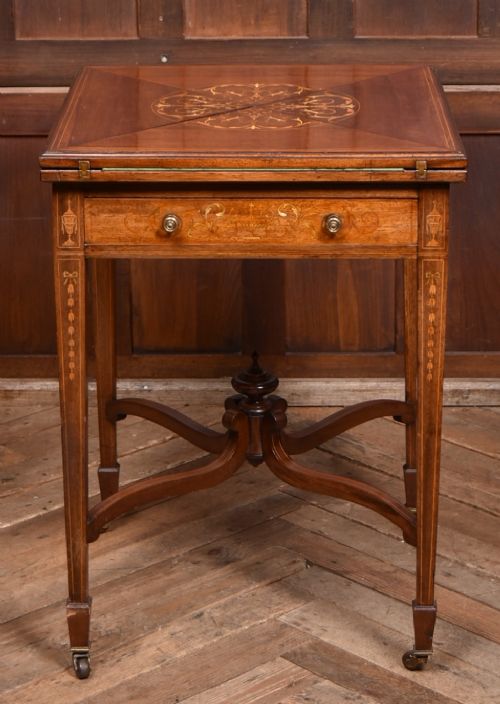
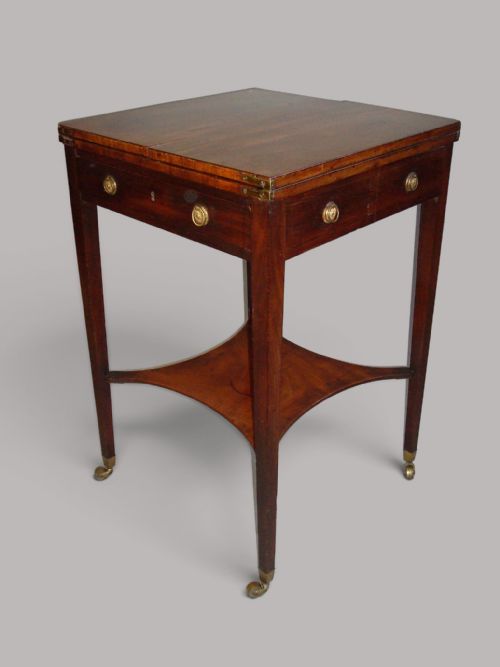
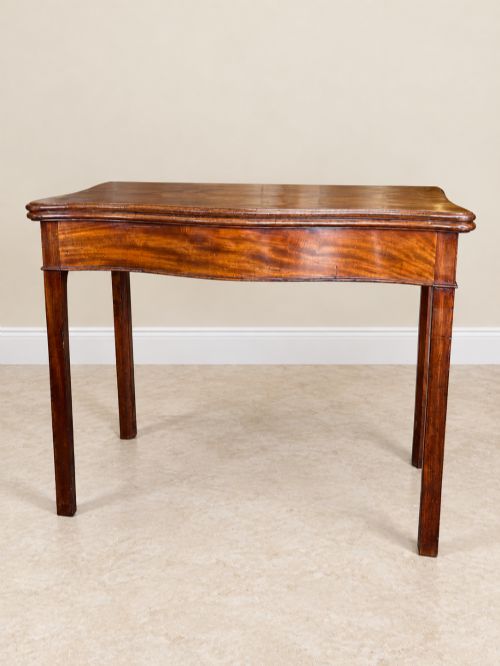
An antique mahogany folding table serves as a versatile piece of furniture, offering clever space-saving design combined with rich timber grain.
Antique Mahogany Folding Table
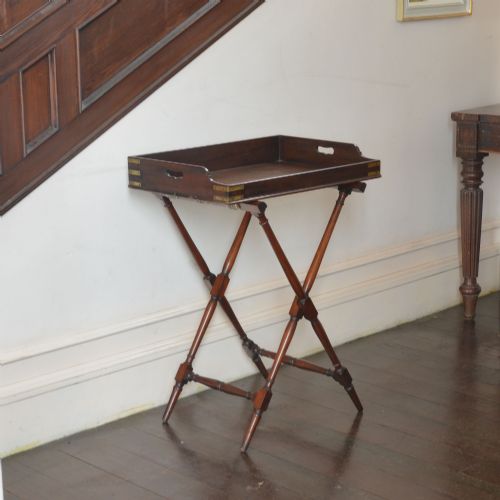
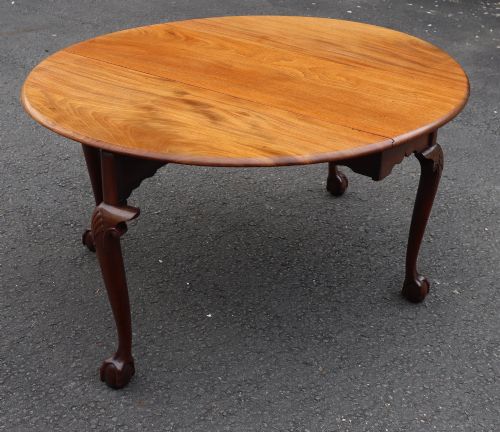
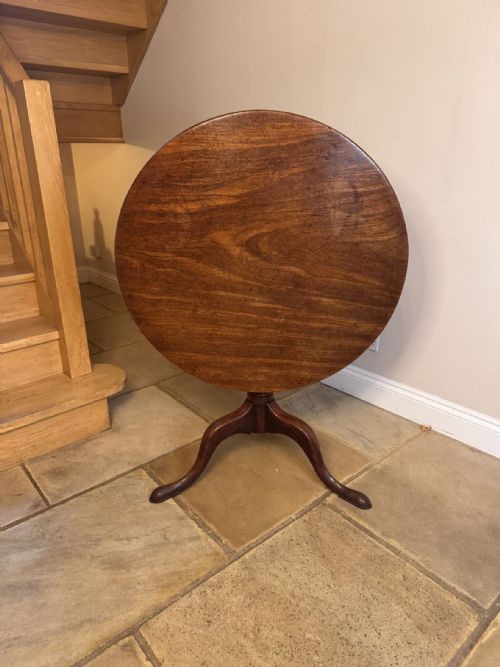
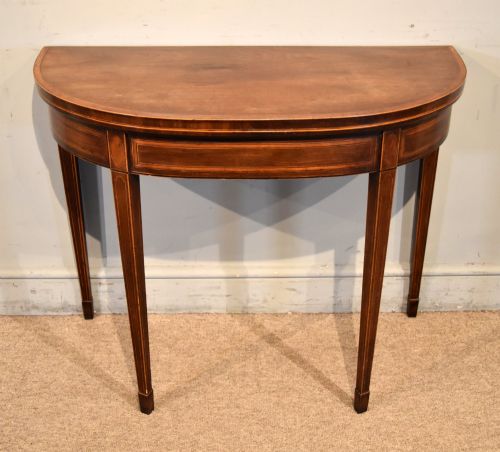
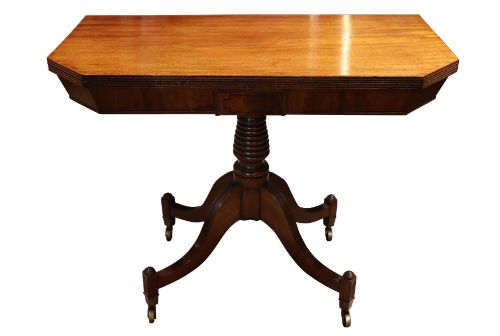
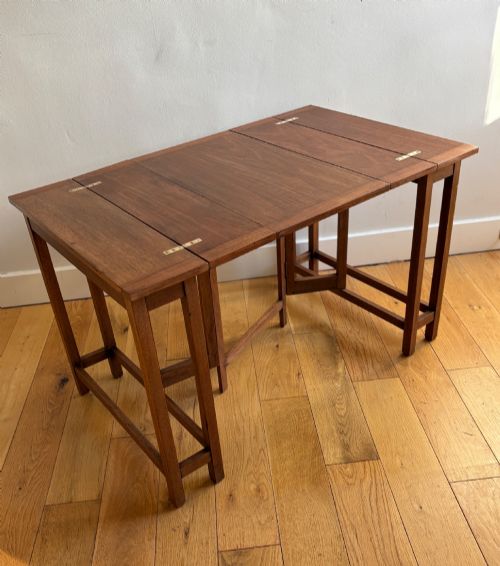
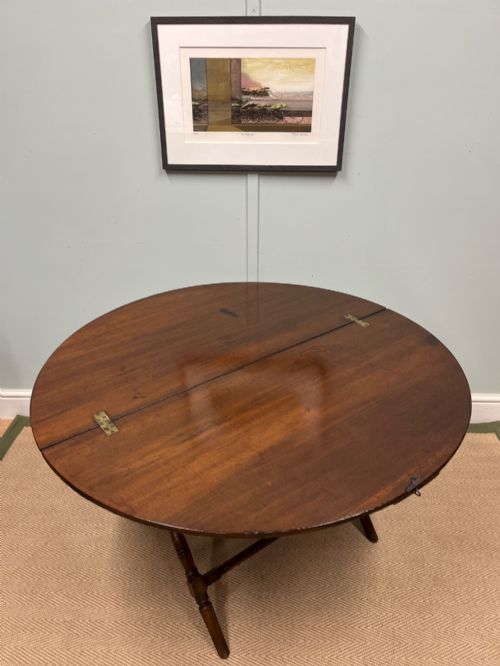
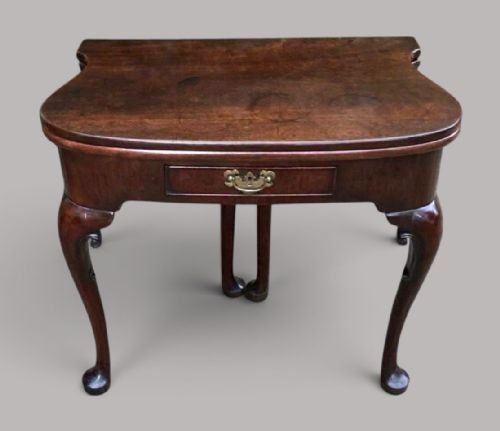
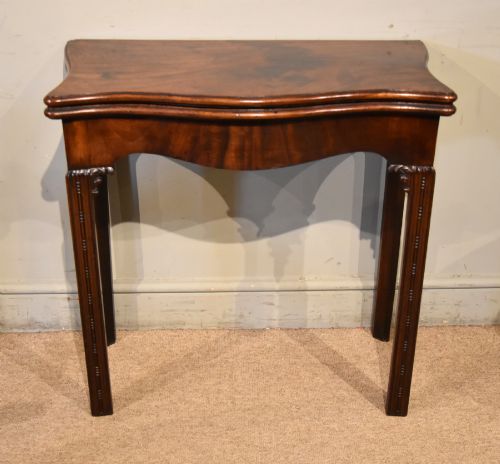
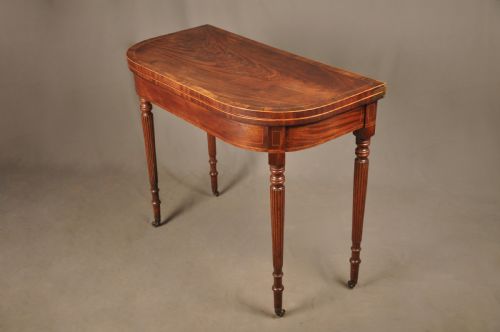
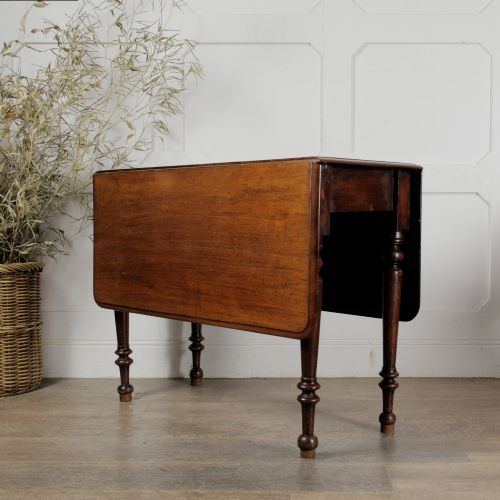
An antique mahogany folding table spans diverse forms from the Georgian era through to the Edwardian period, including card tables, tea tables, gateleg dining tables, and occasional tables. These pieces were designed to adapt to changing domestic needs, expanding for social gatherings and folding away when floor space was required.
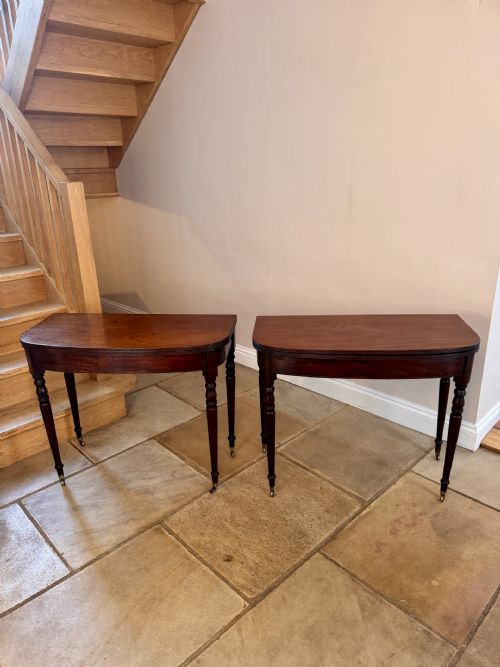
The George III and 18th century examples often feature demi-lune shapes, fold-over tops, and sophisticated concertina actions for games or tea. Later Edwardian and Victorian versions introduce tray tops, spider legs, and campaign styles, showing how cabinet makers continually refined the folding mechanism.
Judging quality
The distinction between tiers rests upon the choice of timber and the precision of the mechanism. Superior pieces display carefully matched mahogany veneers, crisp boxwood inlay, and hinges that operate smoothly without sagging.
Proportion and stability separate standard examples from finer works. A well-balanced frame, tight joints, and uncompromised structural integrity during the folding action mark the higher end of the range.
Antique Mahogany Folding Table Retail Price Guide 2026
Typical asking prices for mahogany folding table among the pieces listed under this phrase on Sellingantiques today, from the lower quarter to the upper quarter. They describe what is for sale here now, not the wider market.
Listings feature mahogany, boxwood, and brass across Georgian, Edwardian, and 18th century periods.
The Antique Mahogany Folding Table Glossary
- Demi-lune
- A half-moon shape popular for console, tea, and card tables that sit flat against a wall until opened out. This profile defined many elegant Georgian reception rooms.
- Gateleg
- A table with hinged legs that swing outward to support a drop-leaf top when opened. It provides sturdy support while remaining compact when folded.
- Concertina action
- An expanding frame mechanism used on card and tea tables that pulls outward like an accordion to support a fold-over top. It keeps the table square and balanced when open.
- Boxwood stringing
- Thin inlaid lines of pale boxwood set into darker mahogany surfaces to create geometric borders. It adds crisp contrast to table edges and friezes.
- Spider leg
- A style featuring exceptionally slender turned legs supported by delicate stretchers. Found on light occasional tables designed for portability.
Antique Mahogany Folding Table: Frequently Asked Questions
How do you use a fold over tea table?
A fold over tea table sits against a wall as a console until evening tea, when the top unfolds to rest on a swinging rear leg. This doubles the surface area for cups and silver.
Today, these tables serve wonderfully as hall consoles or side tables, opening only when you need extra tabletop space for entertaining.
Were these tables used for card games?
Yes, many Georgian and Victorian folding tables were built specifically for card games like whist and ombre. Their interiors often feature baize or leather lined surfaces for playing.
When not in use for gaming, the folded top hides the playing surface entirely, functioning as a regular side table in a sitting room.
How do I spot a Georgian folding table?
Georgian folding tables typically show restrained classical proportions, straight or tapering legs, and dense Cuban mahogany timber with deep natural patination. Look for authentic hand-cut dovetails and period brass hardware.
Later Victorian and Edwardian iterations often introduce heavier frames, occasional tray tops, or revival styles like Chippendale influence.
Can I use a folding table every day?
These tables handled daily domestic life in period homes and remain sturdy enough for regular modern use. The folding mechanisms are engineered for practical utility rather than mere display.
Care should be taken not to overload extended leaves, and coasters help protect the polished mahogany surface from moisture.