


Traditional Fireside Armchair
A traditional fireside armchair brings warmth and proper support to a room, offering deep seating wrapped in leather, fabric or velvet.
Traditional Fireside Armchair
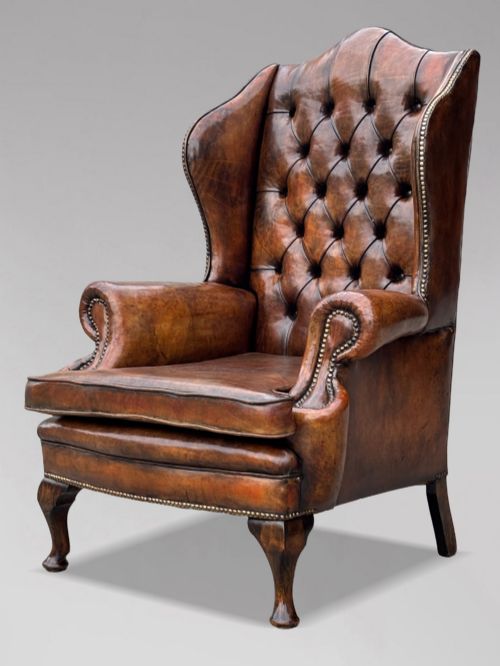
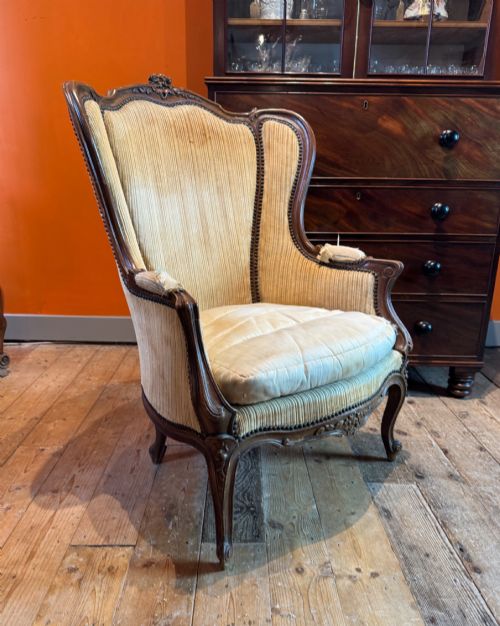
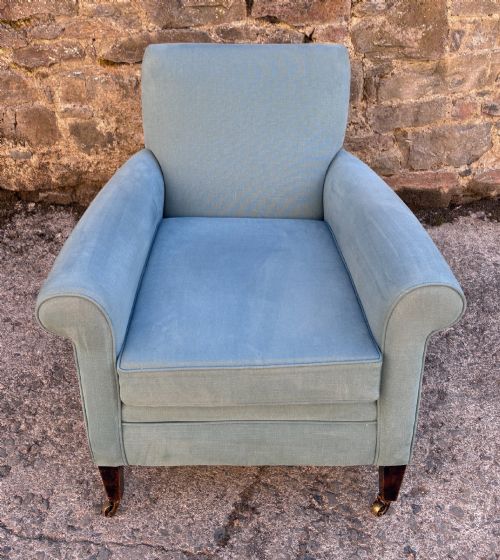
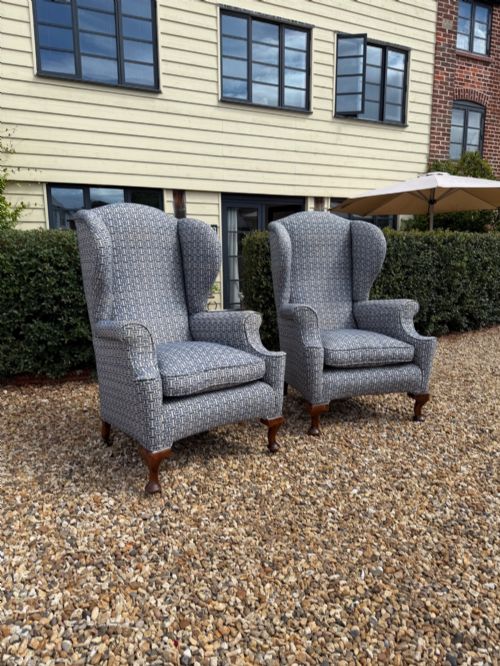
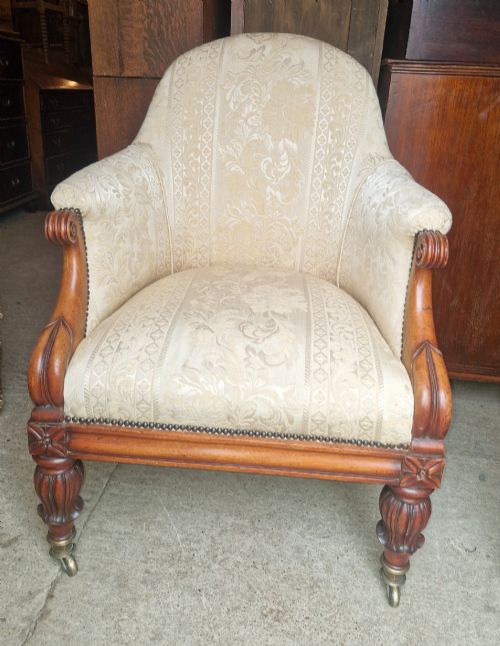
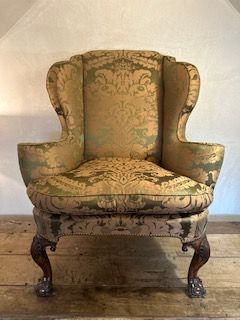
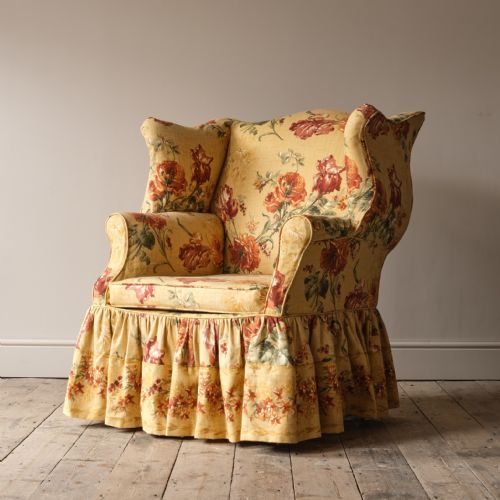
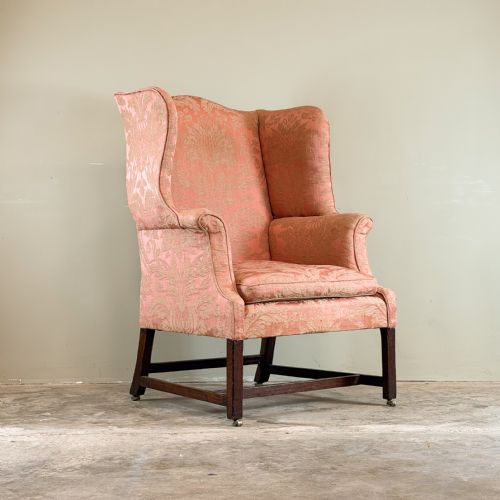
When searching for a traditional fireside armchair, buyers encounter seating designed for comfort beside a hearth, spanning the eighteenth, nineteenth and early twentieth centuries. These pieces encompass wingbacks, library chairs, club chairs and Windsor forms constructed for domestic utility.
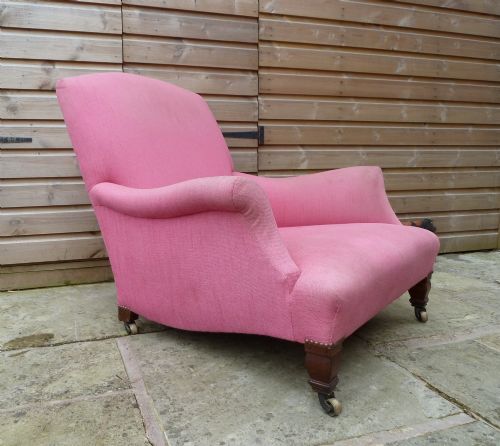
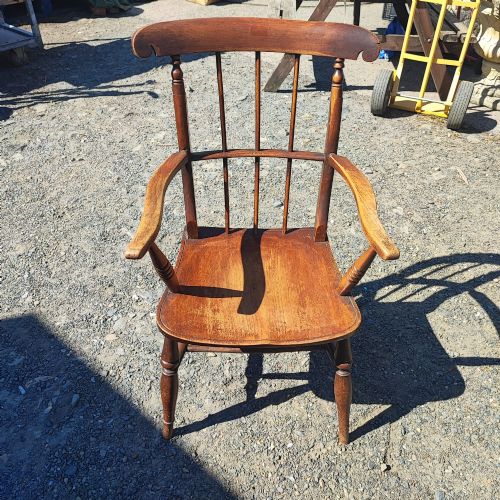
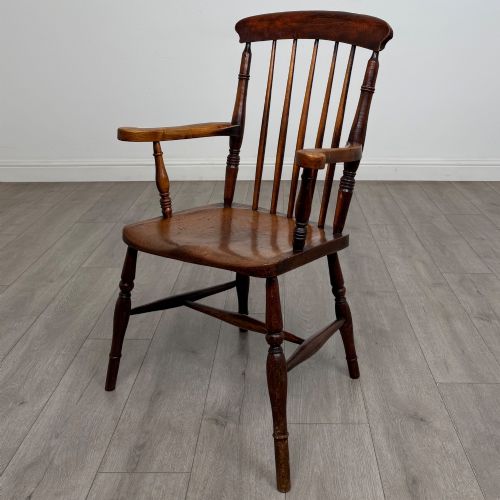
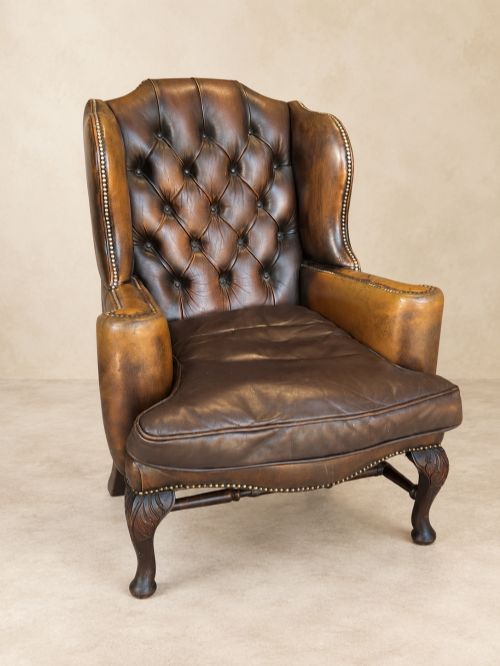
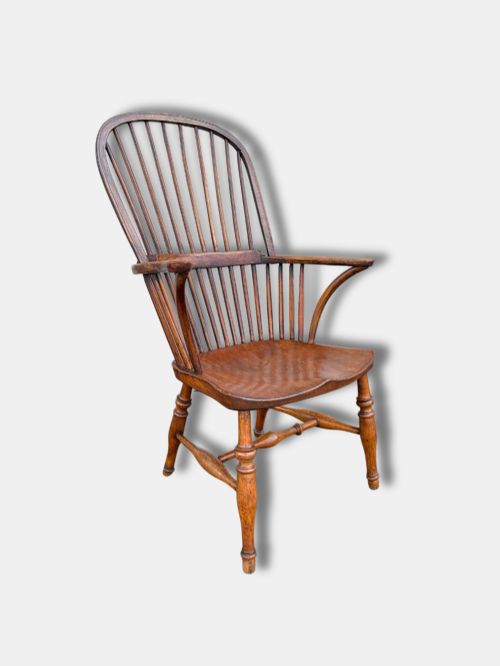
The most common versions on this page are nineteenth-century wing armchairs and button-backed upholstered seats, alongside vernacular stick-back and hoop-back Windsor chairs originating from country houses and farmhouses.
Styles range from Georgian and Regency forms to Victorian, Edwardian and revival interpretations, showing how seating evolved to suit parlours, libraries and drawing rooms across Britain and France.
Materials and construction
Frames rely on sturdy timbers including mahogany, walnut, oak, ash, elm and mahogany, providing the structural skeleton needed for heavy daily use. Turnings, carved cabriole legs and steam-bent components demonstrate period carpentry techniques.
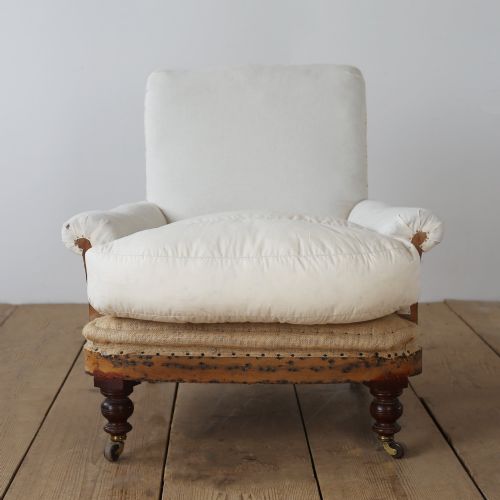
Upholstery incorporates traditional stuffing held by webbing and springs, finished in leather, velvet, fabric or ivory textiles. Buttoning and hand-tacking secure the outer coverings to the internal frames.
Traditional Fireside Armchair Retail Price Guide 2026
Typical asking prices for traditional fireside armchair among the pieces listed under this phrase on Sellingantiques today, from the lower quarter to the upper quarter. They describe what is for sale here now, not the wider market.
Some nineteenth-century Windsor chairs retain distinct tool marks left by country joiners working by window light.
Variations in quality
Quality rests in the integrity of the timber frame and the balance of proportions, where finer examples display confident carving, well-turned legs and harmonious lines. Heavier timbers and superior joinery distinguish bespoke workshop production from simpler vernacular pieces.
The execution of the upholstery, from the depth of the springing to the hand-stitched detailing on leather or fabric, separates standard utility seating from master-built library and drawing room armchairs.
Howard and Sons·Gillows·Shoolbred·SF Cullen
The Traditional Fireside Armchair Glossary
- Wingback
- An upholstered armchair with side panels designed to shield the occupant from draughts near a fireplace. These wings trap heat and frame the upper body.
- Windsor chair
- A wooden chair constructed with a solid wooden seat into which the legs and back spindles are separately bored. Country variants often combine ash and elm.
- Stick back
- A chair design featuring thin turned wooden spindles forming the backrest rather than a solid splat. They appear frequently in vernacular farmhouse seating.
- Bergere
- An enclosed upholstered armchair with wooden framing, often featuring cane panels on the sides and back. This French style gained popularity in various periods.
- Button back
- An upholstery method where deep buttons are pulled through the padding to create a padded diamond pattern. This technique secures the stuffing and adds texture.
Traditional Fireside Armchair: Frequently Asked Questions
How do I choose the right armchair for a fireplace?
Consider the scale of the hearth and the height of the backrest to ensure proper proportions in your room. Winged designs specifically help deflect draughts from open fires while offering head support.
Check the seat depth and overall height to match your seating preferences and ensure comfortable daily use.
What is the difference between a wingback and a club chair?
Wingback armchairs feature protective side panels attached to the backrest, designed originally to trap heat from a fire. They typically stand on exposed wooden legs.
Club chairs offer lower, deeply padded upholstered backs and arms without wings, focusing on rounded comfort and heavy leather or fabric covering.
How do I date an antique wooden armchair?
Examine the timber species, tool marks and construction methods used in the underframe. Eighteenth-century pieces often use walnut or mahogany with hand-cut joinery, while nineteenth-century examples show machine-assisted turning.
Stylistic cues such as cabriole legs point to Georgian periods, whereas stick-back Windsor forms follow traditional vernacular regional patterns.
Are leather or fabric armchairs better for daily use?
Leather develops a rich patina over time and handles regular wear with straightforward maintenance. It suits libraries and studies well.
Fabric and velvet options provide softer texture and greater variety in pattern and colour, suiting drawing rooms and bedrooms.