



Staffordshire Blue Plates
Staffordshire blue plates bring robust nineteenth-century ceramic history directly to the table through deep cobalt transfers.
Staffordshire Blue Plates
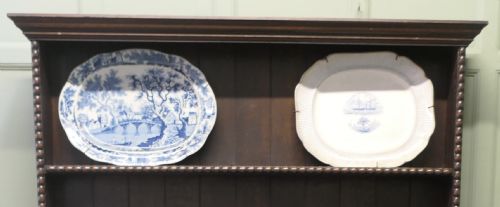
Staffordshire blue plates span the nineteenth century, encompassing Georgian, Regency, and Victorian eras of British ceramic production. These pieces range from small tea plates to large meat platters and chargers, designed for both display and everyday dining.
Buyers encounter earthenware, pearlware, ironstone, and stoneware bodies decorated with cobalt blue transfer prints. The forms include soup bowls, meat drainers, and serving dishes alongside standard dinner plates.
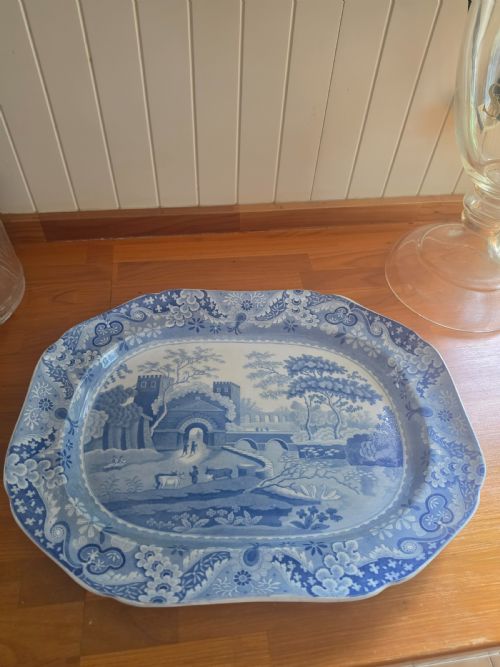
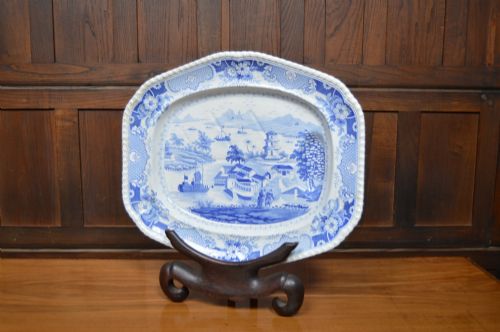
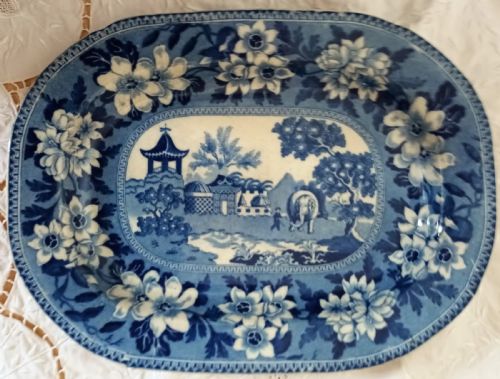
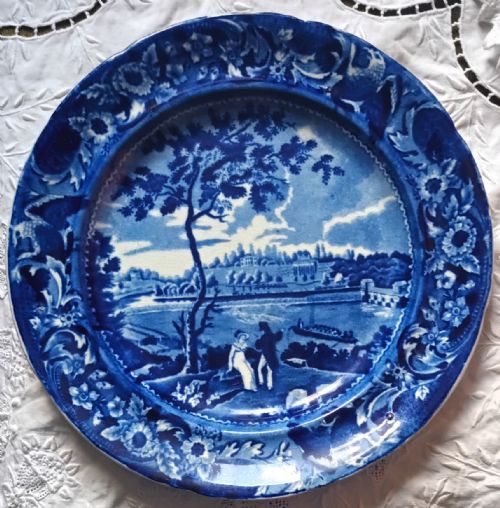
Most examples feature topographical scenes, architectural views, or romanticized pastoral patterns applied via copperplate printing. These domestic wares represent the industrious output of Staffordshire potteries during a period of massive global export.
Materials and Techniques
Potters shaped earthenware, pearlware, and ironstone bodies before applying an initial bisque firing in the kiln. Artisans then transferred intricate designs from engraved copper plates onto tissue paper and rubbed them onto the porous ceramic surface.
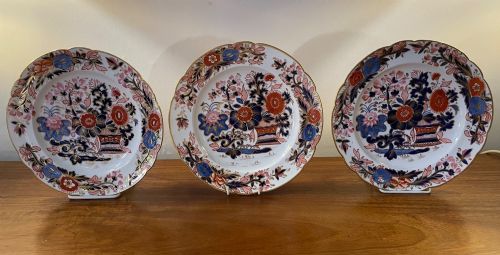
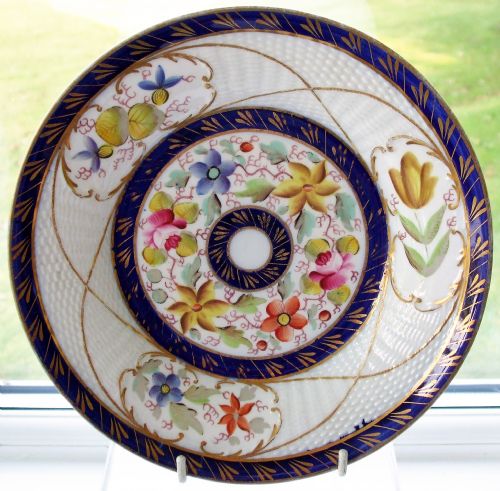
A glossy lead or salt glaze sealed the cobalt pigment during a subsequent high-temperature glost firing, locking the deep blue hue beneath a protective glass layer. Some specialised wares incorporated enamel colours or gold leaf highlights over the glaze for added visual depth.
Elephants, powder mills, and rogue beemasters march across these plates, proving nineteenth-century Staffordshire potters drew inspiration from everywhere except dullness.
Assessing Quality
Clarity of the transfer print dictates the visual success of the piece, with crisp lines and deep cobalt saturation separating superior items from blurred impressions. Early pearlware bodies and fine ironstone display greater refinement in weight and potting skill than later mass-produced earthenware.
The complexity and artistic merit of the pattern also influence distinction, as bespoke topographical views or multi-figure pastoral narratives demand higher engraving skill than generic floral borders. Intact glaze coverage without excessive kiln pitting or warping indicates superior workshop standards.
John Rogers and Son·Stubbs·John Ridgway·William Adams·Brameld and Co·John Davenport·Elkin and Newbon·Minton·Spode
The Staffordshire Blue Plates Glossary
- Transferware
- Ceramic decorated by printing an engraved design from a copper plate onto tissue paper, which is then transferred onto the unglazed or bisque-fired clay. This technique allowed intricate pictorial scenes to be produced rapidly on an industrial scale.
- Pearlware
- A refined earthenware developed by Josiah Wedgwood in the late eighteenth century, featuring a bluish-white glaze that pooled in recesses to mask the natural cream body. It served as a direct precursor to standard nineteenth-century white ironstone.
- Ironstone
- A heavy, durable type of ceramic patented in the early nineteenth century to imitate Chinese porcelain while offering superior strength for heavy-use items like meat platters. Its dense body resists chipping and staining.
- Charger
- A large decorative plate or platter utilised primarily for serving food at large feasts or as a wall-hanging display piece in domestic interiors. These oversized vessels showcase expansive landscape transfers.
- Meat Drainer
- A perforated ceramic insert placed inside a matching platter to elevate joints of meat and allow juices to drain into the well below. They feature matching blue and white transfer designs to maintain aesthetic continuity at the table.
Staffordshire Blue Plates: Frequently Asked Questions
How do I date an early nineteenth-century plate?
Dating relies on body composition, such as the bluish tinge of pearlware versus the whiteness of later ironstone, alongside maker marks and registry diamonds stamped into the ceramic.
Stylistic cues within the transfer print, like Regency architectural details or specific historical events, further narrow the production window to a specific decade.
Can I use antique transferware for dining?
Most nineteenth-century earthenware and ironstone plates are structurally sound enough for careful everyday dining, provided they avoid thermal shock from microwaves or harsh dishwashers.
Crazing in the glaze means older pieces should be washed by hand rather than left to soak in standing water.
What is the difference between earthenware and ironstone?
Earthenware is a porous, lower-fired ceramic body that requires a reliable glaze to remain water-resistant, commonly found on early tea plates and delicate serving dishes.
Ironstone is a heavily vitrified, dense stoneware variant designed to withstand the rigours of heavy meat platters and soup bowls without sustaining easy damage.
Why are some blue and white plates darker than others?
Colour depth depends on the cobalt oxide concentration mixed into the printing oil and the thickness of the transparent glaze applied over the top.
Kiln temperature fluctuations during the final firing also altered how deeply the cobalt settled into the porous ceramic body.