





Antique Wall Display Plate
An antique wall display plate brings hand-painted pottery and rich glaze to empty wall space.
Antique Wall Display Plate
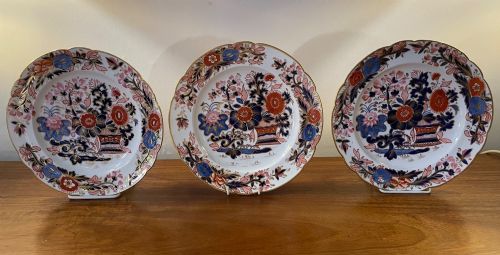
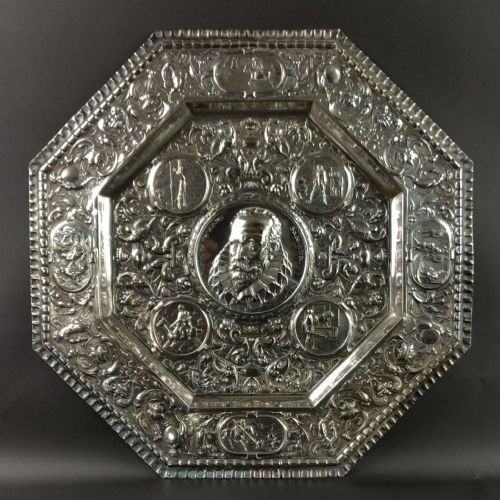
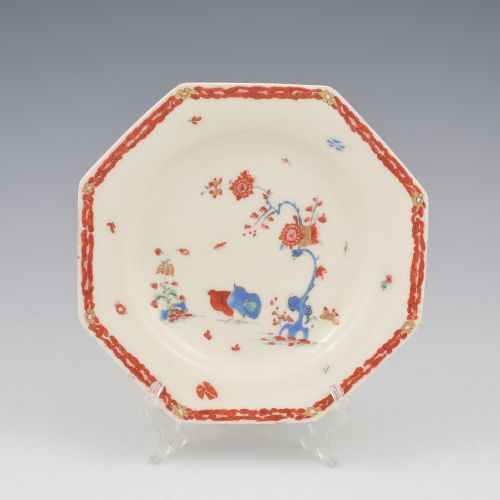
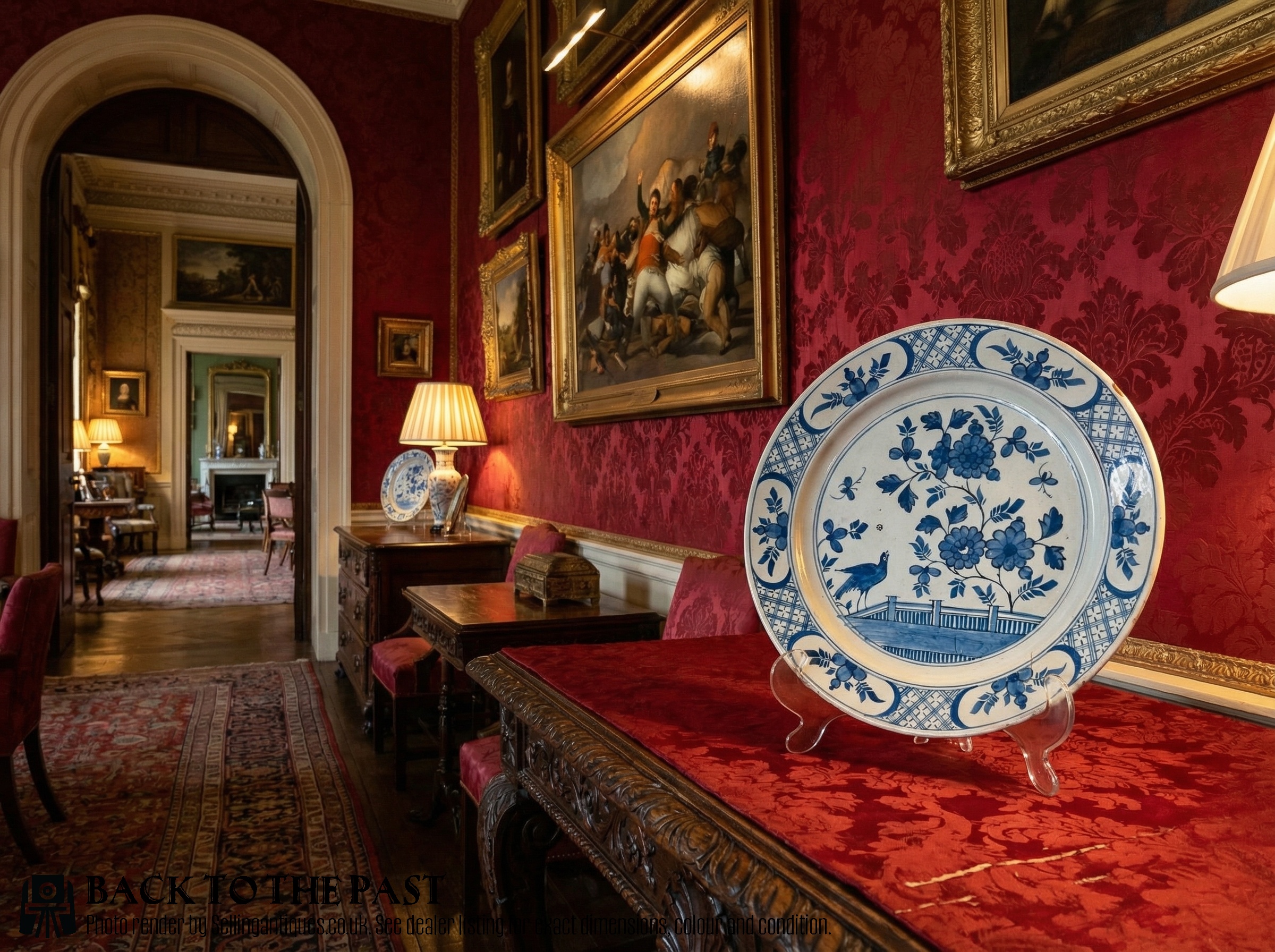
An antique wall display plate encompasses decorative chargers, cabinet plates, and functional oak plate racks originating from the seventeenth century through the mid-twentieth century. The selection leans heavily towards English earthenware, continental porcelain, and Japanese Imari chargers made for visual presentation rather than daily dining.
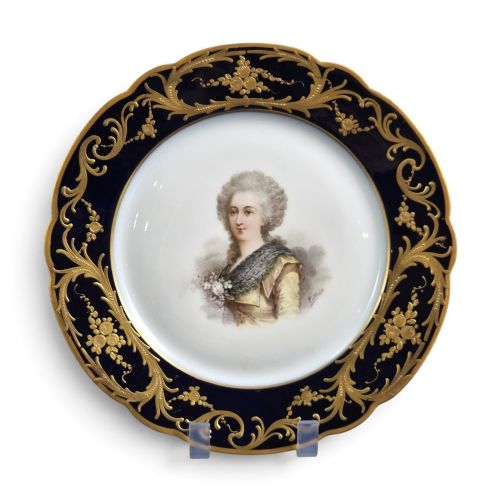
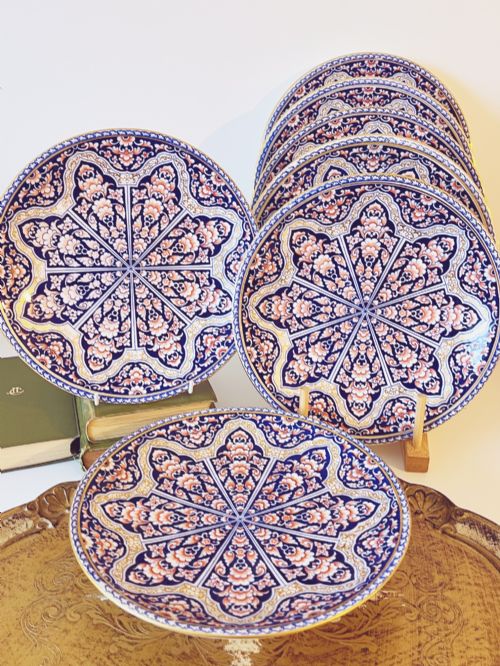
Buyers encounter diverse regional traditions ranging from Dutch Baroque delftware and French Sèvres-style cobalt porcelain to Staffordshire wares and Chinese export Famille Rose. Forms span octagonal cabinet plates, lobed dishes, and deep chargers intended to sit securely on wall shelves or be hung directly from integrated pierced footrings.
How they were made
Potters shaped these objects from earthenware, bone china, porcelain, and stone china, applying tin glazes, enamel pigments, and gold leaf by hand. Many pieces underwent multiple kiln firings to set complex underglaze blue and polychrome motifs before final gilding.
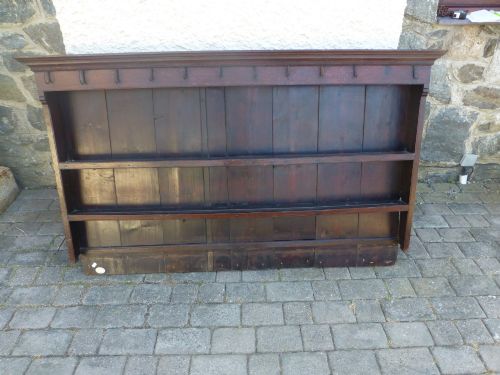
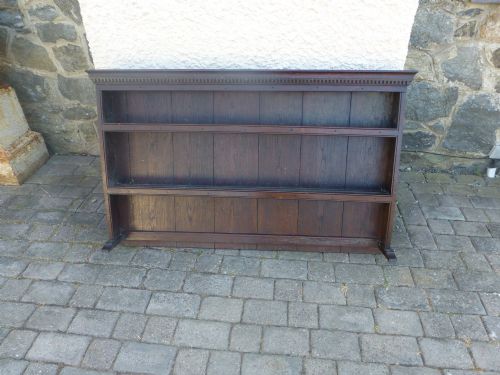
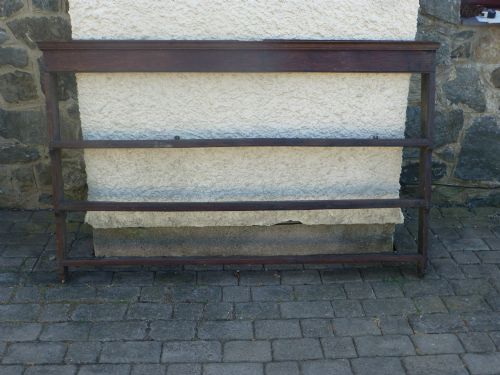
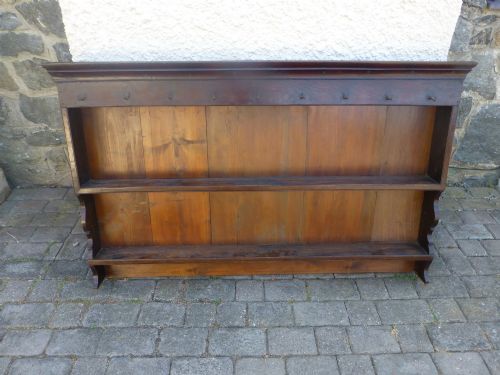
Carpenters constructed complementary wall furniture using solid pine and oak, joining boards with traditional methods to support heavy rows of ceramic chargers and plates.
Listings feature porcelain, earthenware, and bone china pieces spanning the Georgian, Victorian, and Edwardian periods.
What varies in quality
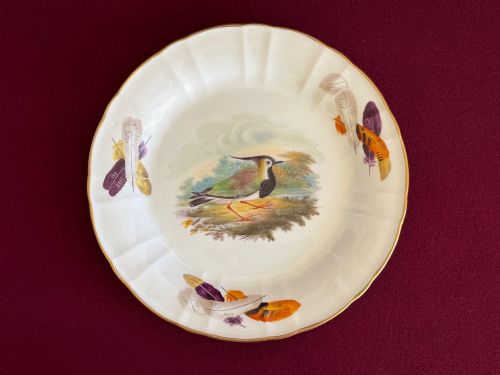
Quality rests upon the crispness of the hand-painted brushwork, the depth of the glaze, and the precision of the firing process. Pieces featuring detailed hand-painted ornithological studies, portraiture, or complex botanical fruit work executed by known artists sit at the upper end of the scale.
The sophistication of the palette and the preservation of delicate gilt highlights distinguish standard production items from exceptional cabinet pieces produced by major porcelain manufactories.
Royal Crown Derby·Royal Worcester·Wedgwood·Spode·Meissen·Minton
The Antique Wall Display Plate Glossary
- Charger
- A large decorative plate or dish, typically measuring over twelve inches in diameter, designed to be stood on a sideboard or hung on a wall. These substantial pieces display broad borders and central painted scenes.
- Cabinet plate
- A high-quality ceramic plate intended strictly for display in a cabinet or on a wall rather than for practical table use. They often feature elaborate hand-painted decoration and rich gilding.
- Delftware
- Tin-glazed earthenware produced in England, the Netherlands, and elsewhere, frequently decorated in blue and white with Chinoiserie or floral motifs. The opaque white glaze mimics Chinese porcelain.
- Imari
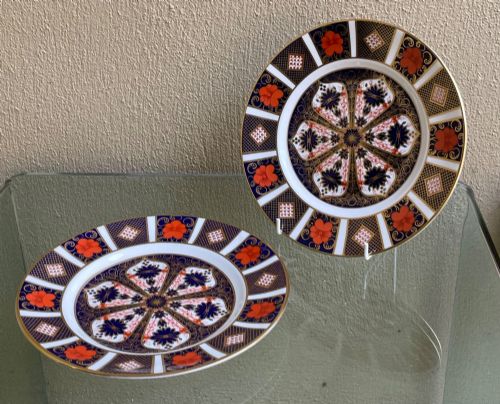
- A style of Japanese porcelain decorated in underglaze blue, iron red, and gold, which heavily influenced European pottery factories during the eighteenth and nineteenth centuries. The patterns are dense and colourful.
- Plate rack
- A wall-mounted wooden shelf featuring vertical slats or grooves designed to hold display plates upright. These fixtures are commonly fashioned from oak or pine.
Antique Wall Display Plate: Frequently Asked Questions
How do I hang a heavy antique wall plate safely?
Heavy ceramic chargers require specialised spring-loaded brass hangers that distribute the weight evenly across the rim without putting stress on the ceramic body. Ensure the wall fixing engages directly with a stud or utilises a proper wall anchor.
Wooden plate racks offer an alternative method of display, allowing plates to rest safely in vertical grooves without requiring individual hardware attached to each piece.
Were these plates meant for daily dining?
Most pieces categorized as cabinet plates or decorative chargers were manufactured exclusively for visual presentation in dining rooms, parlours, and drawing rooms. Their delicate enamel painting and extensive use of gold leaf meant they were rarely subjected to the wear of daily meals.
Functional kitchenware existed alongside these decorative items, but the painted porcelain and tin-glazed dishes found in display contexts served primarily to showcase household wealth and taste.
How do I distinguish eighteenth-century delft from later wares?
Early delftware exhibits a softer earthenware body with a tin glaze that often shows minor pitting, crazing, and glaze pooling around the foot rim. The blue pigments tend to sink slightly into the opaque white glaze during firing.
Later nineteenth and twentieth-century revivals feature harder ceramic bodies, brighter chemical pigments, and much more uniform glaze surfaces lacking the organic irregularities of earlier periods.
What is the difference between Imari and Chinoiserie styles?
Imari decoration originates from Japan and utilises a distinct palette of rich underglaze blue, iron-red, and heavy gold highlights in crowded, symmetrical geometric and floral layouts. It emphasises bold contrast and metallic brilliance.
Chinoiserie reflects European imaginative interpretations of Chinese life, featuring pagodas, figures in gardens, and exotic birds rendered in blue and white or soft pastel tones on tin-glazed earthenware.
How should I clean antique painted plates?
Dust ceramic surfaces gently with a soft, dry brush to prevent abrasive particles from scratching delicate hand-painted enamel or gilding. Avoid submerging antique earthenware in water, as moisture can penetrate old glaze crazing and cause staining.
Wood plate racks require occasional treatment with suitable wax to nourish the dry oak or pine without transferring oils to the nearby ceramics.