

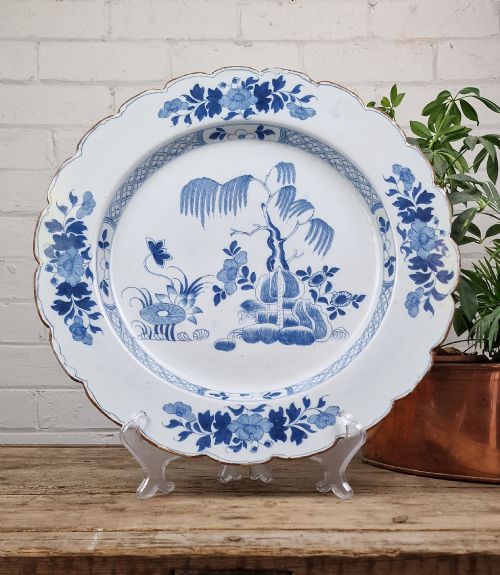
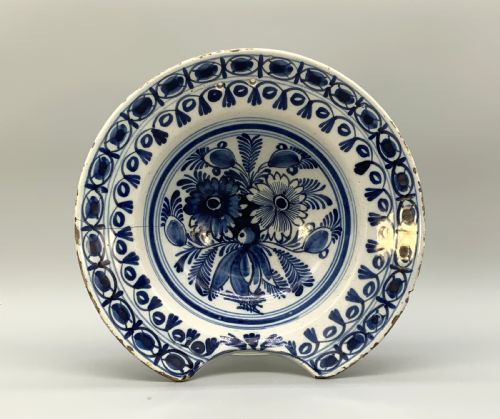
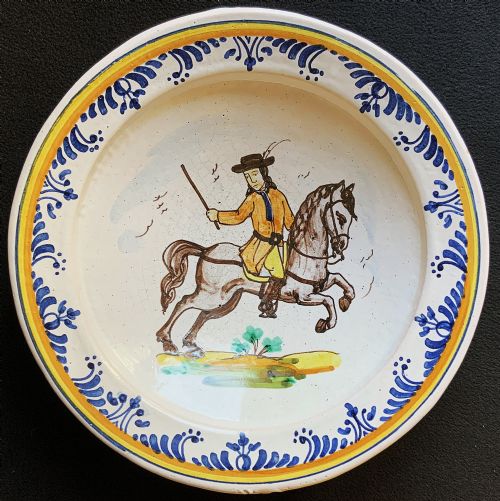
18th Century Delft Charger
An 18th century delft charger brings centuries of tin-glazed earthenware artistry and hand-painted coastal character into a modern interior.
18th Century Delft Charger
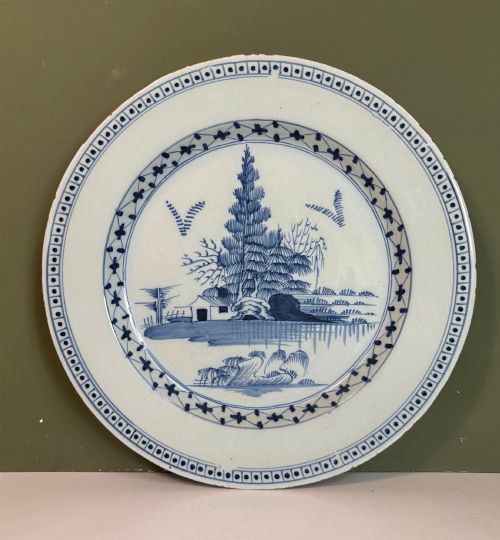
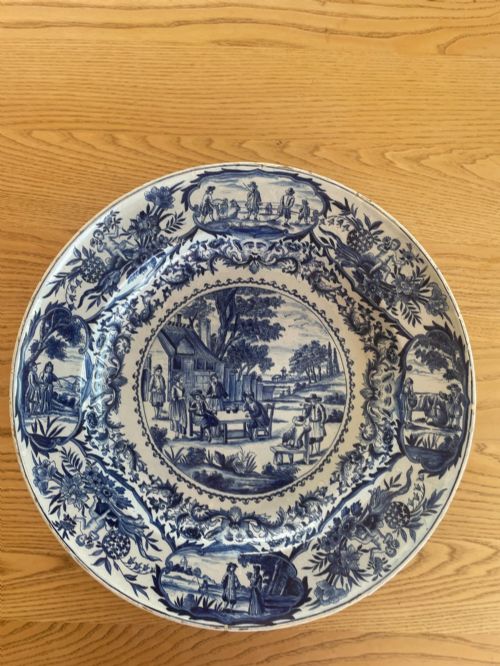
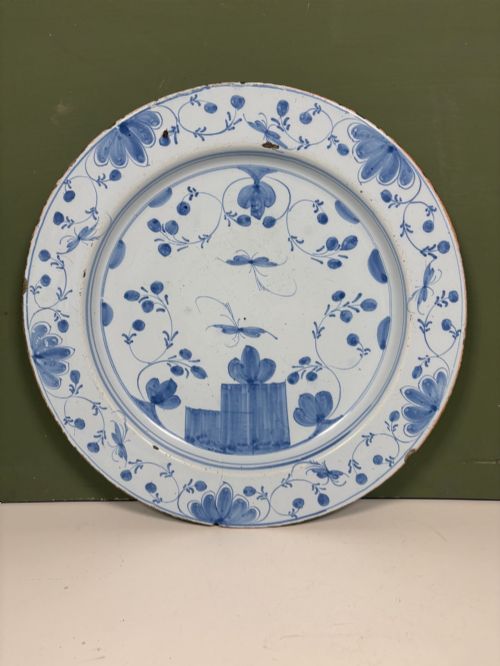
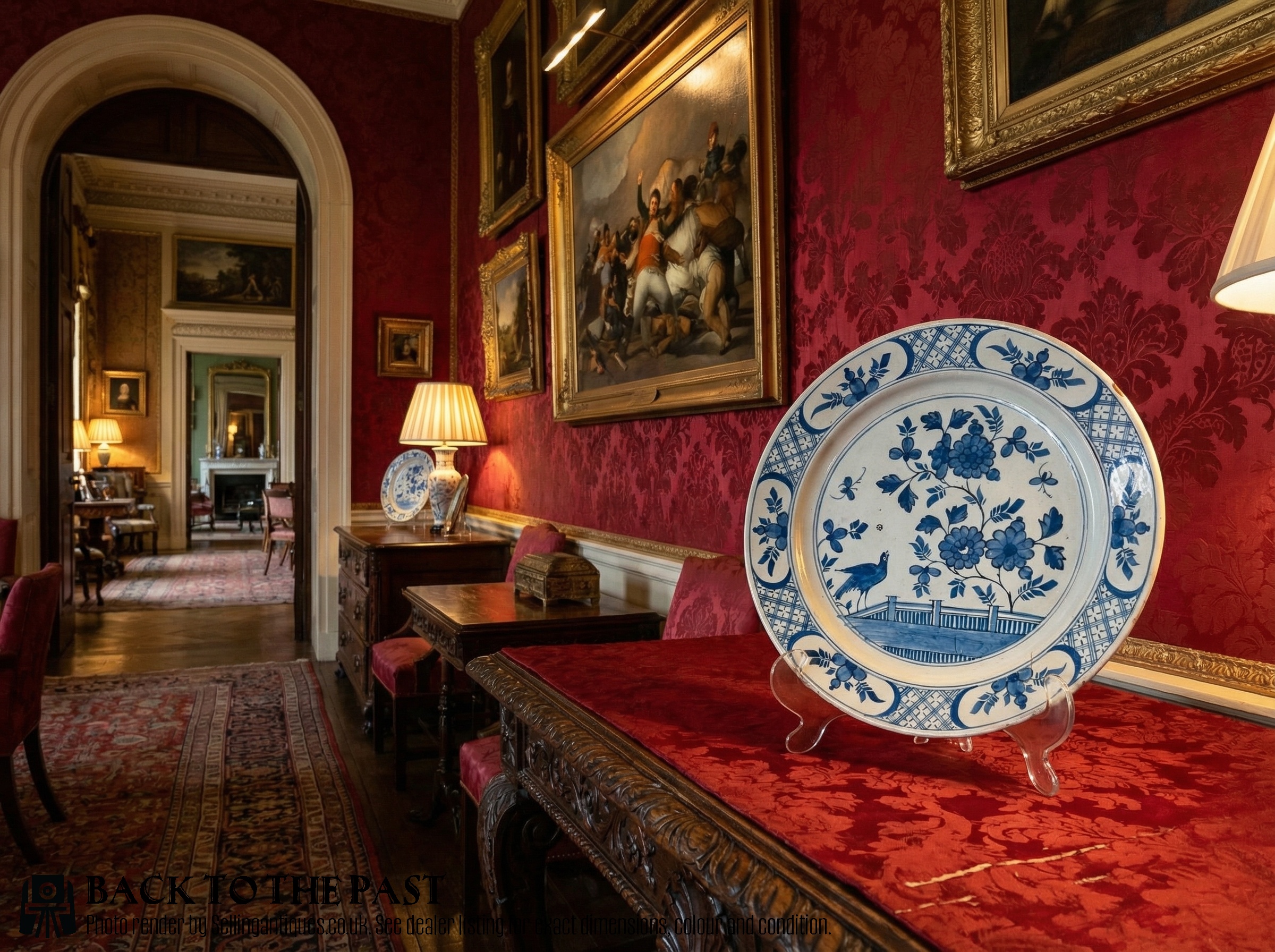
An 18th century delft charger is a wide, shallow ceramic dish originally utilised for display or serving in European households. The examples found here span English, Dutch, French, and Spanish origins, reflecting diverse regional painting traditions on a broad earthenware canvas.
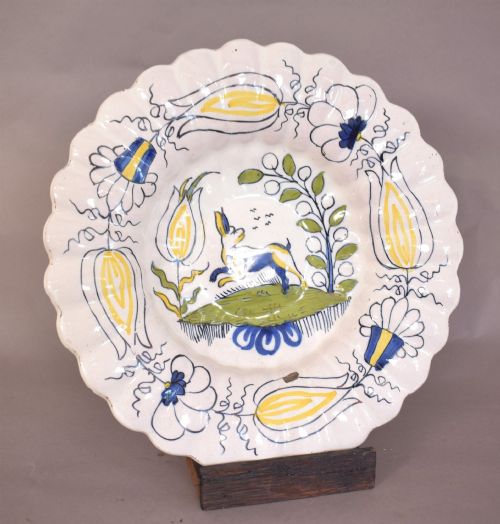
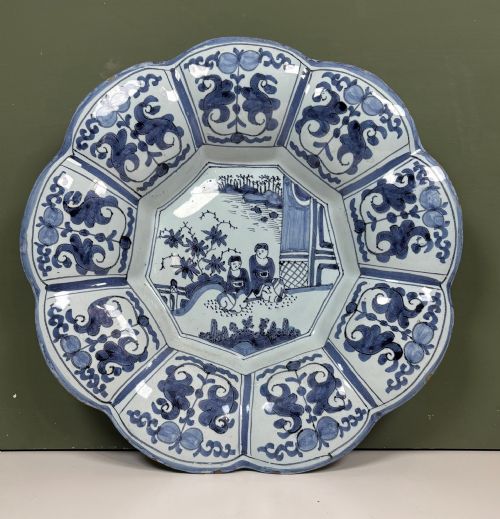
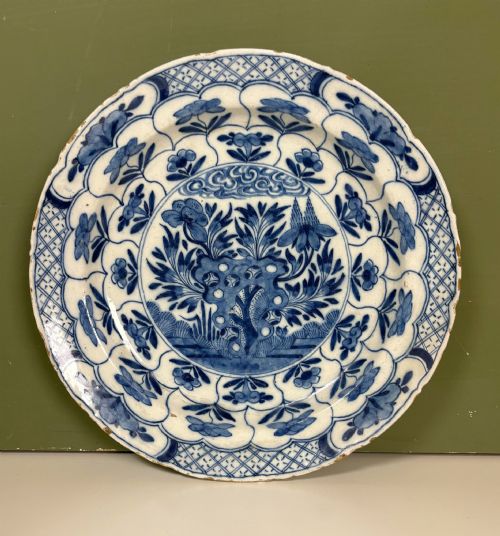
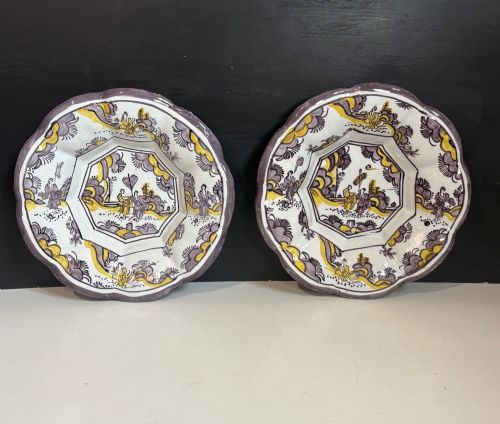
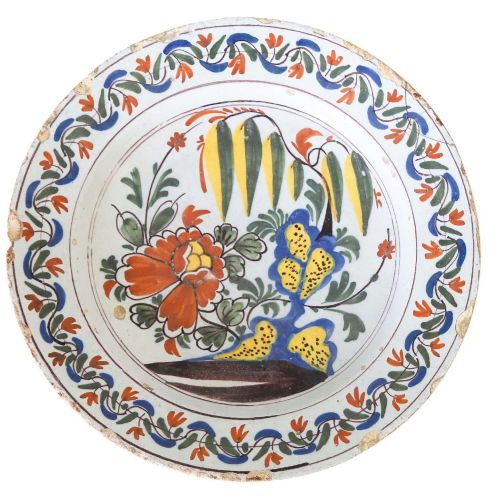
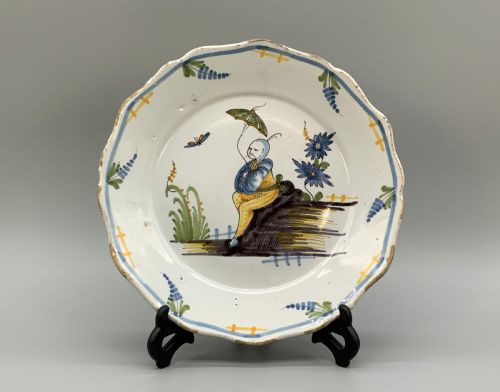
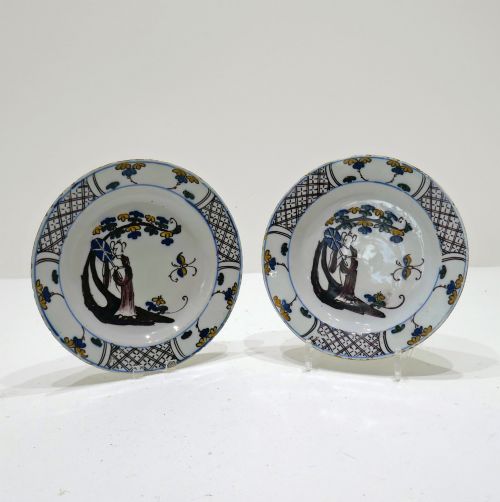
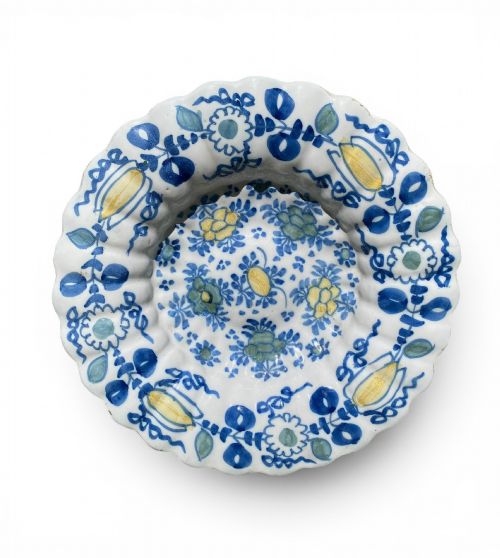
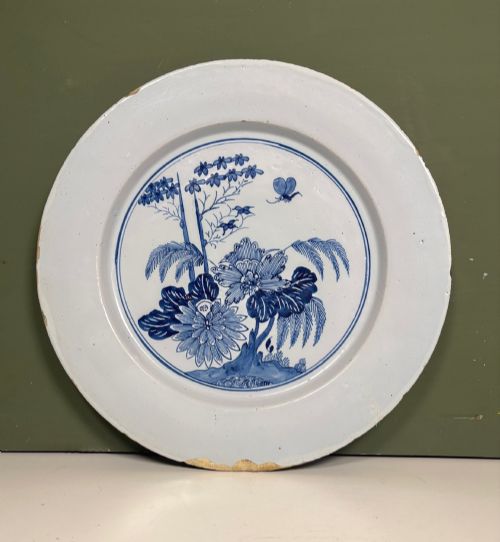
The most common formats on this page are blue and white or polychrome plates and chargers, alongside occasional specialised forms like barber's bowls and marriage plates. These objects typically display floral motifs, geometric patterns, or Chinoiserie scenes painted directly onto the porous surface.
Pieces frequently date from the seventeen hundreds, with occasional roots extending into the seventeenth century. Buyers encounter both robust domestic wares and decorative plates meant to be hung on walls or exhibited on dresser shelves.
Qualities that distinguish individual pieces
The distinction between standard domestic production and superior studio output lies in the ambition and execution of the painted design. Complex polychrome palettes involving manganese and yellow, or detailed pictorial compositions featuring birds and floral arrangements, demonstrate higher levels of painterly skill.
Condition and glaze stability also govern desirability, as the brittle tin glaze is prone to edge chipping and surface crazing over centuries of handling. Chargers retaining crisp pictorial detail and balanced glaze coverage sit at the upper end of the historical range.
18th Century Delft Charger Retail Price Guide 2026
Typical asking prices for 18th century delft charger among the pieces listed under this phrase on Sellingantiques today, from the lower quarter to the upper quarter. They describe what is for sale here now, not the wider market.
The archive records English and Dutch tin-glazed plates alongside specialised forms including barber's bowls and marriage plates.

De Porceleyne Claeuw factory
The 18th Century Delft Charger Glossary
- Tin-glazed earthenware
- Pottery coated with a white lead and tin oxide glaze that provides an opaque canvas for painted decoration. This technique forms the fundamental structural basis for all delftware and faience.
- Polychrome
- Decoration employing multiple colours rather than a single pigment such as blue. These palettes often incorporate manganese purple, yellow, and green oxides.
- Grand feu
- A high-temperature firing technique where pigments and tin glaze fuse simultaneously in the kiln. This process allows the colours to soften and merge into the white background.
- Chinoiserie
- European decorative motifs inspired by Chinese art and porcelain exports. These designs frequently feature stylized landscapes, pavilions, and figures.
- Faience
- The continental European term for tin-glazed earthenware. The style encompasses French, Spanish, and Dutch workshops producing tin-glazed table and display wares.
18th Century Delft Charger: Frequently Asked Questions
What is an 18th century delft charger?
An 18th century delft charger is a large tin-glazed earthenware plate created for decorative display in homes across England, Holland, and continental Europe.
These wide dishes served as visual centrepieces on walls and sideboards, painted with cobalt blue or polychrome pigments depicting floral, geometric, and landscape subjects.
How were these chargers used originally?
Households in the seventeen hundreds utilised these large earthenware dishes primarily for formal display on dressers or dining room walls rather than everyday dining.
Their substantial size and decorative painted surfaces made them status symbols that showcased imported aesthetic influences like Chinoiserie and traditional European floral designs.
How do I care for tin-glazed earthenware?
Living with these antique ceramics requires gentle handling to protect the brittle tin glaze from impact and chipping along the rim.
Keep pieces away from moisture and avoid washing them in water, relying instead on a soft, dry cloth for occasional dust removal.
How can I tell English and Dutch pieces apart?
English delft chargers from centres like Bristol and Lambeth often feature distinct clay bodies and softer glaze characteristics compared to their continental counterparts.
Dutch production frequently exhibits specific blue and white floral arrangements or grand feu manganese highlights that reflect the output of workshops in cities like Delft.