


Blue White Landscape Plate
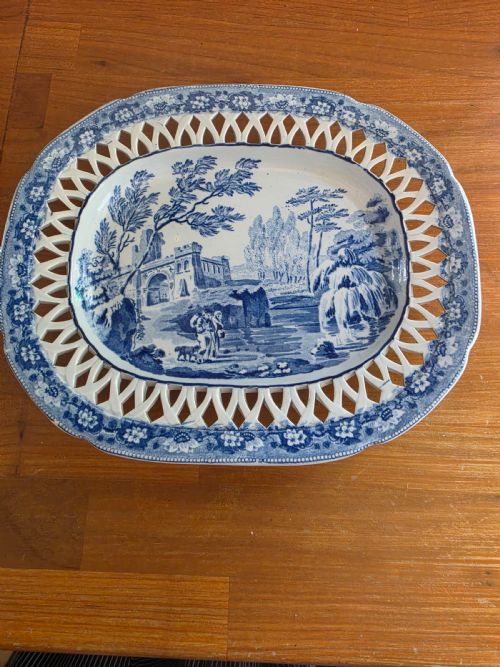
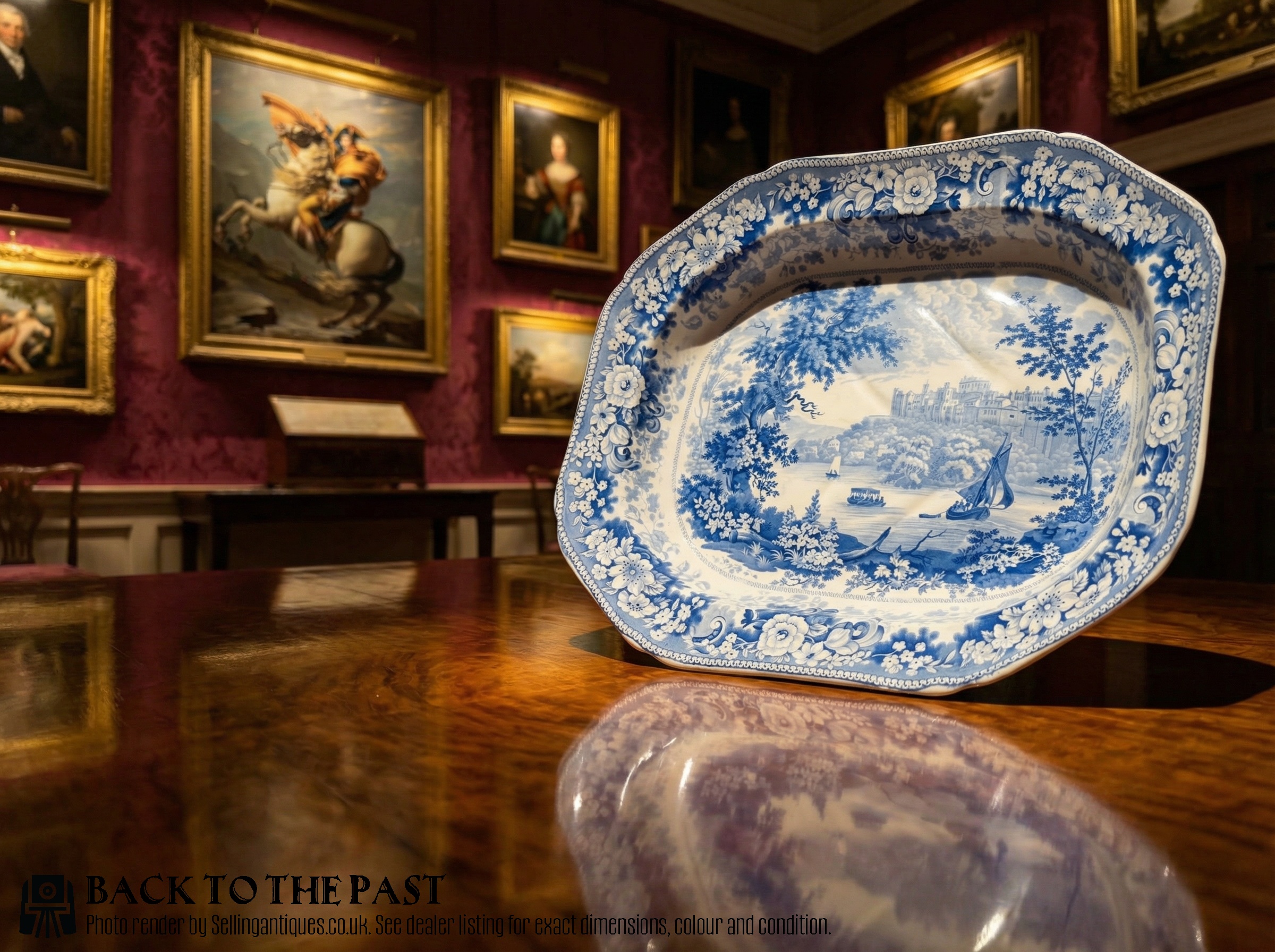
A blue white landscape plate brings distant river scenes and classical ruins straight to the table through crisp cobalt painting.
Blue White Landscape Plate
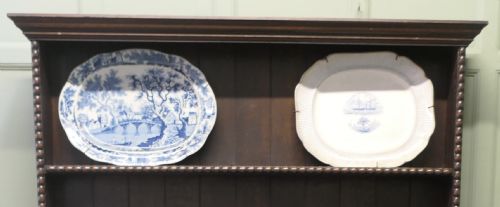
When you search for a blue white landscape plate, you enter a world of transfer-printed earthenware, pearlware, and porcelain depicting intricate scenery. These items range from large serving platters and meat dishes down to small dinner plates and sauce tureen stands, spanning the eighteenth and nineteenth centuries.
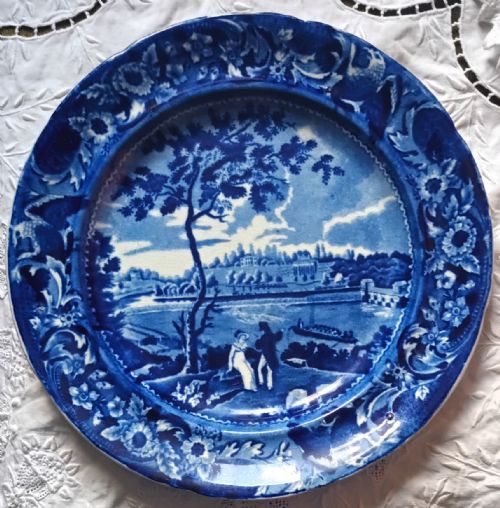
The English examples present romantic views such as the Bridge of Lucano or Fair Mount near Philadelphia, alongside Italianate landscapes and native patterns. Alongside these, Chinese export porcelain and Japanese Arita and Meiji pieces offer contrasting oriental landscapes rendered in the same enduring palette.
How they were made
The manufacture relies upon cobalt underglaze applied to earthenwares, ironstone, pearlware, and porcelain before firing. Many English pieces utilise nineteenth century transfer printing techniques, where an engraved copper plate transfers the pictorial design onto the ceramic body.
A protective layer of glaze seals the ceramic and cobalt pigment beneath a glassy finish. Chinese and Japanese pieces achieve their landscape decoration through hand-painted cobalt brushwork applied directly to the porcelain body before the final kiln firing.
Some nineteenth century dinner plates transport diners straight to Philadelphia via Staffordshire pottery, proving that local rivers looked remarkably English.
What varies in quality
Quality rests upon the crispness of the transfer print or the dexterity of the hand-painted brushwork. Superior items display sharp architectural lines and deep, vibrant cobalt tones without smudging or bleeding into the surrounding glaze.
The elegance of the ceramic body itself defines the tier of the piece, moving from heavier Staffordshire earthenware up to refined ironstone and delicate porcelain bodies.
Davenport·Stubbs·Spode·William Adams·Mason's Ironstone
The Blue White Landscape Plate Glossary
- Transferware
- Earthenware decorated by pressing a paper design inked with copperplate engraving onto the ceramic surface. This technique enabled factories to mass-produce detailed pictorial scenes efficiently.
- Pearlware
- A refined earthenware developed in the late eighteenth century featuring a subtle bluish glaze that pooled in crevices. It bridged the gap between creamware and true white porcelain.
- Ironstone
- A durable, dense ceramic patented in the early nineteenth century to resist chipping while mimicking porcelain. It provides a sturdy surface for large meat platters and heavy use.
- Cobalt Underglaze
- A metallic blue pigment applied beneath the protective glaze layer before firing. It withstands high kiln temperatures without fading, yielding a deep, permanent colour.
- Arita
- A Japanese ceramic tradition originating in the Hizen province known for fine porcelain production. Pieces often feature cobalt landscape painting influenced by trade with European markets.
Blue White Landscape Plate: Frequently Asked Questions
How do I date a blue white landscape plate?
Dating relies upon examining the ceramic body, the tone of the blue pigment, and any maker marks impressed on the reverse. Earlier pieces often utilise pearlware bodies with a faint bluish tint in the glaze.
Later Victorian examples tend towards heavier ironstone or standard earthenware with sharper transfer printing. Stylistic clues within the landscape, such as Regency architectural motifs, also help narrow the decade.
Are these plates safe for daily dining?
While these ceramics were originally created for functional use in the eighteenth and nineteenth centuries, antique pieces require careful handling today. Historic glazes can be susceptible to cutlery scratching and staining over time.
Most collectors prefer to display them on walls or plate racks rather than expose them to modern dishwasher cycles. Hand washing in lukewarm water preserves the fragile glaze and historic material.
What is the difference between earthenware and porcelain?
Earthenware is an opaque, porous ceramic fired at lower temperatures, commonly found in nineteenth century Staffordshire transferware. It offers a heavier feel and requires a thick glaze for waterproofing.
Porcelain is a denser, vitrified material fired at much higher temperatures until it becomes semi-translucent. Chinese and Japanese examples on this page are typically formed from this refined white body.
Why are some pieces marked as meat platters?
Meat platters were manufactured in larger, elongated dimensions specifically to serve roasted joints at the dining table. Many feature a small recessed well and drainage channel at one end to catch juices.
Smaller plates served individual diners, whereas platters and chargers formed the centrepiece of communal dining arrangements. Their robust construction accommodated the weight of large quantities of food.