

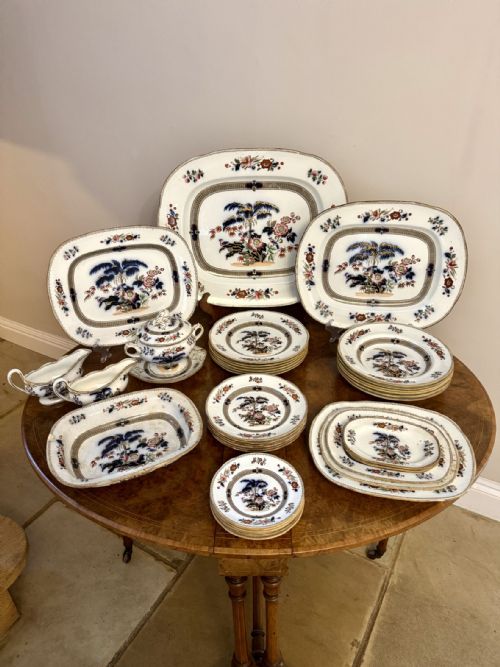
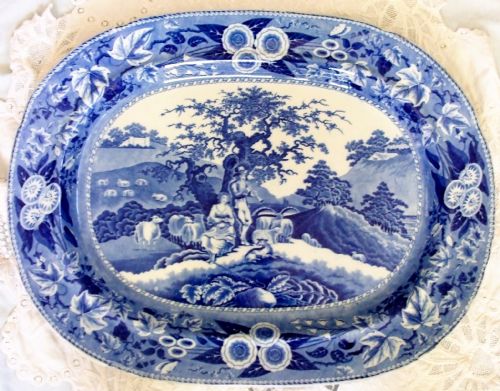
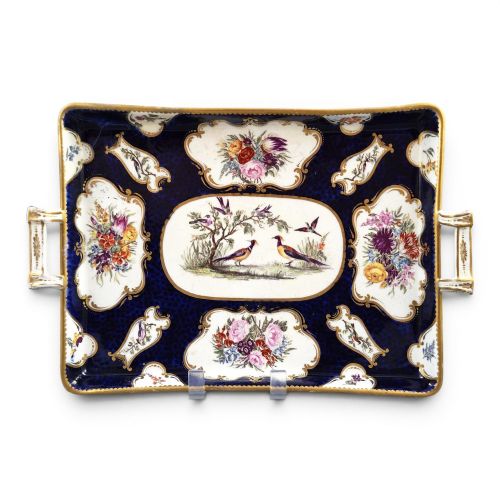
Blue Ceramic Serving Platter
These blue ceramic serving platter selections bring together centuries of earthenware, porcelain, and transferware designed to anchor a formal dining table.
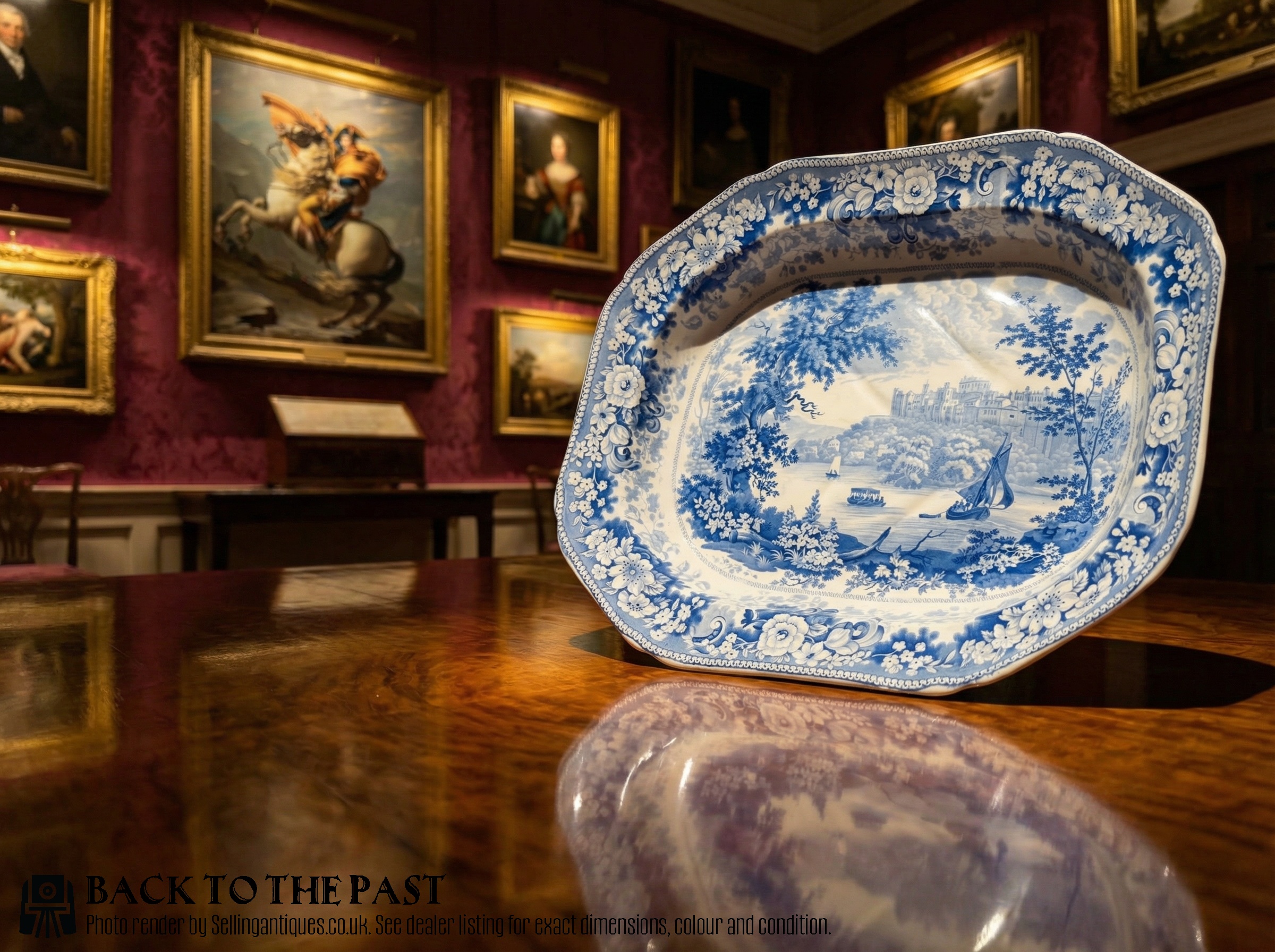
Blue Ceramic Serving Platter
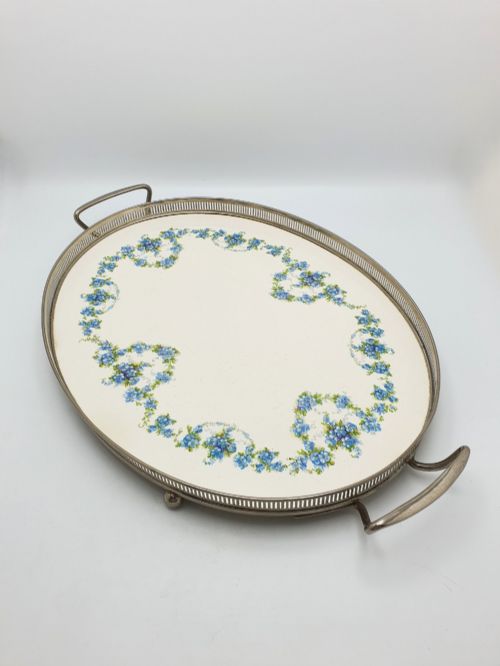
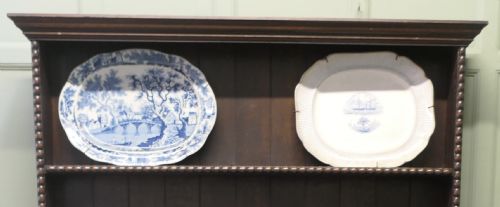
When you search for a blue ceramic serving platter, you encounter large platters, meat plates, chargers, and serving dishes spanning the Georgian, Victorian, and Regency periods.
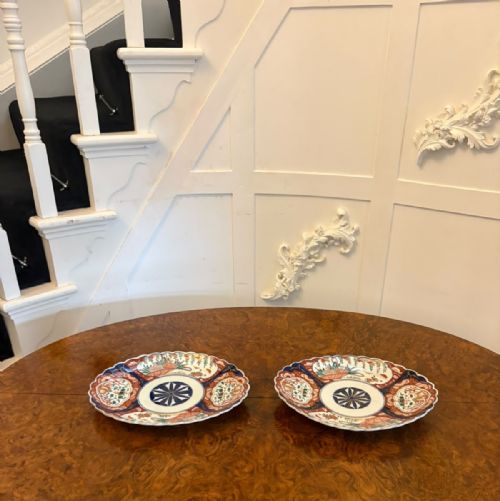
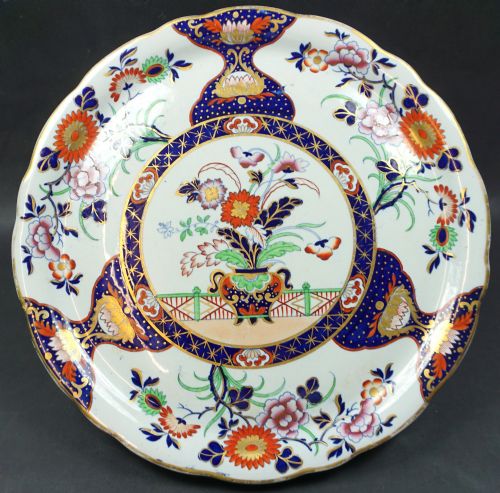
The selections on this page feature English pottery and porcelain alongside Chinese Export, Delft, and Japanese Imari wares.
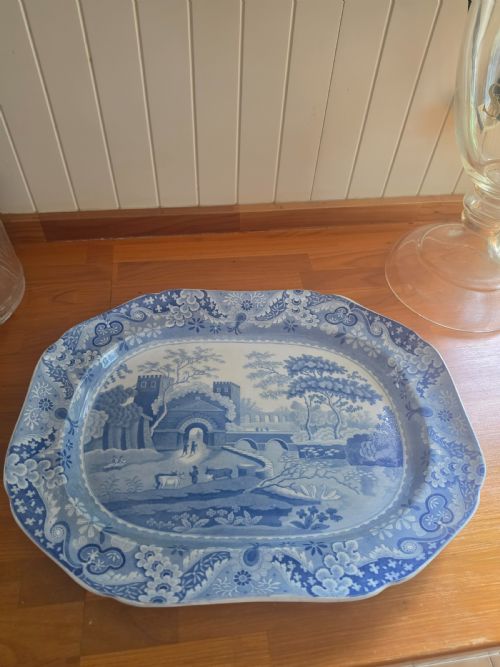
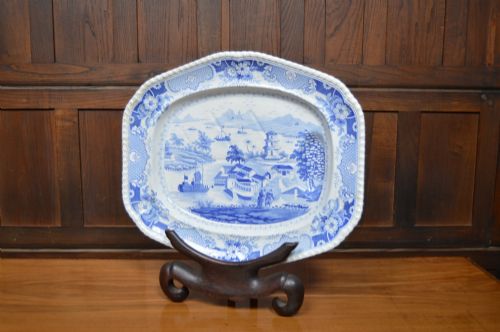
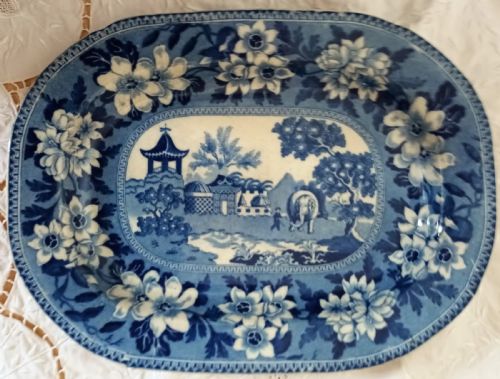
Transferware meat plates decorated in cobalt blue represent the most frequent form you will meet in this category.
How they were made
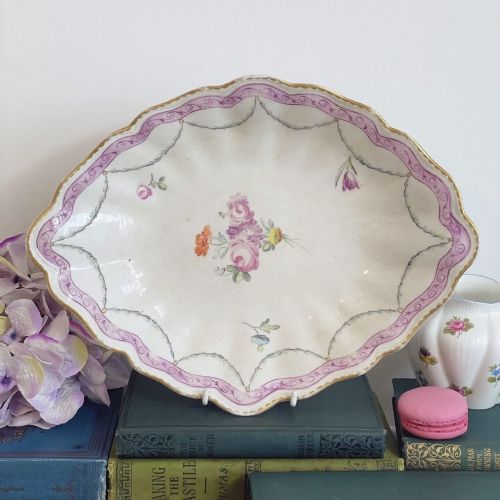
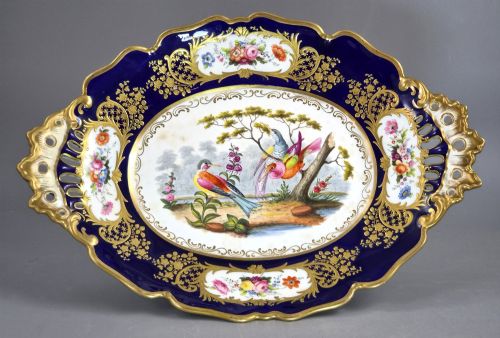
Potters utilised earthenware and porcelain bodies finished with clear or tinted glaze, often enriched with hand-painted polychrome details, gold leaf, and gilding.
Decoration relied on transfer printing techniques to apply complex blue scenes, supplemented by hand-painted highlights on floral and pictorial patterns.
Blue Ceramic Serving Platter Retail Price Guide 2026
Typical asking prices for blue ceramic serving platter among the pieces listed under this phrase on Sellingantiques today, from the lower quarter to the upper quarter. They describe what is for sale here now, not the wider market.
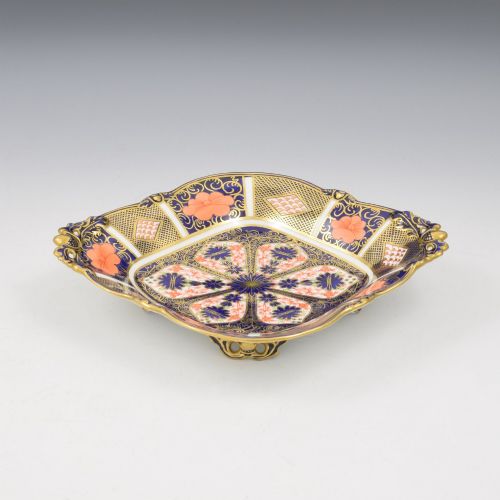
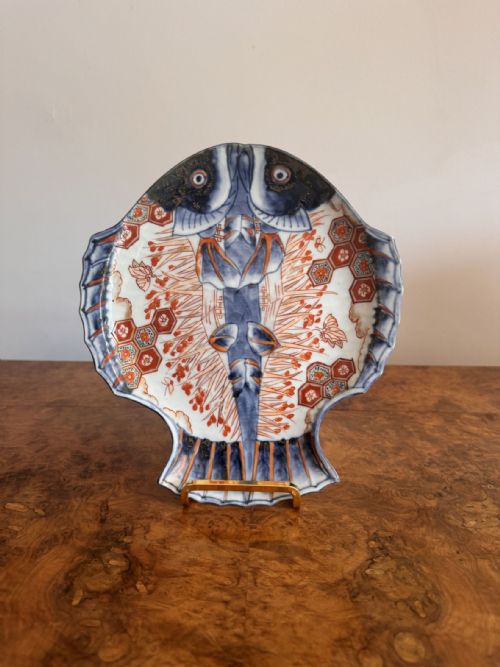
Several makers chose to shape their ceramic platters as swimming fish or feathered game birds rather than standard ovals.
What varies in quality
The clarity of the transfer print and the crispness of hand-painted brushwork distinguish standard utilitarian wares from superior artistic productions.
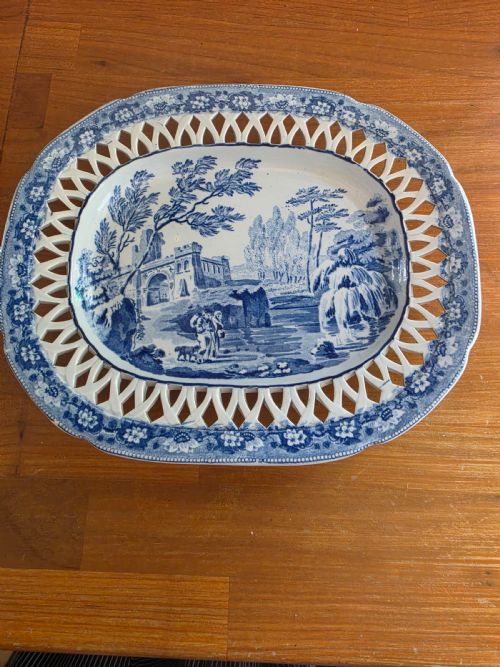
Form complexity, such as pierced rims or moulded fish and square shapes, indicates the ambition of the original maker.
Royal Crown Derby·Coalport·Davenport·Hicks and Meigh·John Rogers and Son·Wedgwood·Minton·Sevres
The Blue Ceramic Serving Platter Glossary
- Transferware
- Ceramic pieces decorated by transferring a printed design from an engraved copper plate onto the surface using a tissue paper medium.
- Charger
- A large decorative plate or platter used historically for ceremonial service or as a base beneath other courses.
- Imari
- A style of Japanese porcelain featuring characteristic underglaze blue and iron-red designs with supplementary gilding.
- Earthenware
- Porous pottery fired at lower temperatures, typically finished with an opaque or transparent glaze to ensure impermeability.
- Delft
- Tin-glazed earthenware originating from the Netherlands and England, renowned for its soft white surface and painted blue motifs.
Blue Ceramic Serving Platter: Frequently Asked Questions
How were serving platters used historically?
These large dishes held joints of meat, game, or poultry at the centre of the dining table for communal serving before individual plating became standard.
They also functioned as decorative chargers displayed on sideboards when not in active use during formal meals.
Can I use antique platters for serving food?
Many collectors prefer to use durable ceramic and porcelain platters for modern dining, provided the glaze remains stable and free from active degradation.
Pieces with extensive surface wear or historical repairs are better suited for display rather than culinary service.
How do I identify the period of a platter?
Dating relies on combining stylistic evidence, such as Regency or Victorian transfer motifs, with specific potting techniques and base characteristics.
Maker marks, factory stamps, and glaze variations further narrow the era of production from the eighteenth century onward.
What is the difference between earthenware and porcelain?
Earthenware is a heavier, opaque pottery body fired at lower temperatures, requiring a glaze to achieve a non-porous finish.
Porcelain is a denser, vitrified material fired at high heat, often exhibiting translucency and a finer, more ringing tone when struck.