
Single Door Cupboard
A single door cupboard offers compact domestic storage through centuries of cabinet-making, spanning tall pine larders and refined mahogany bedside pieces.
Single Door Cupboard
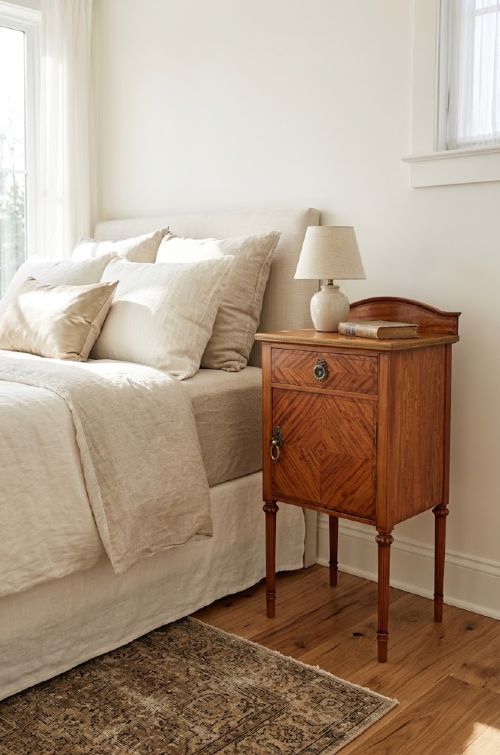
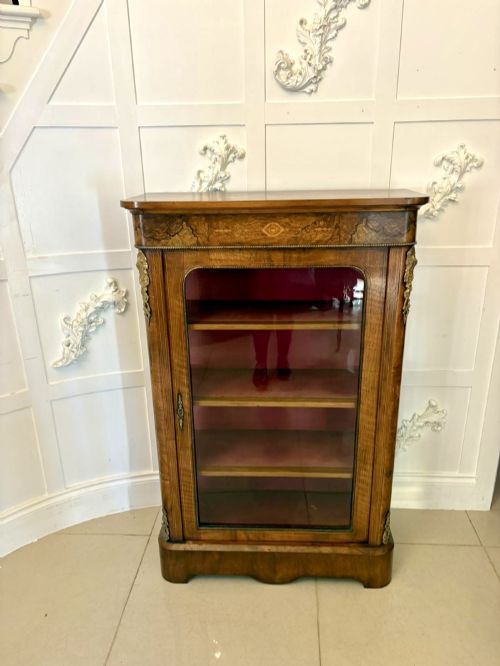
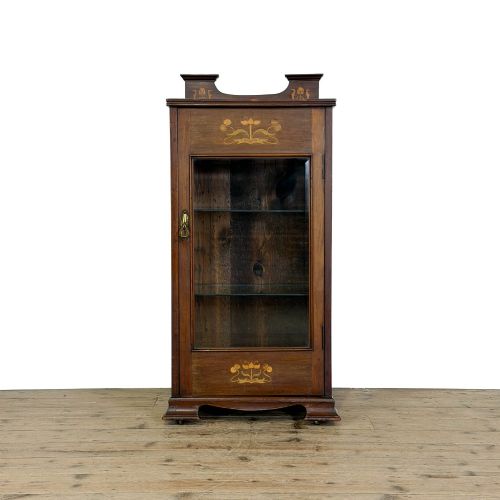
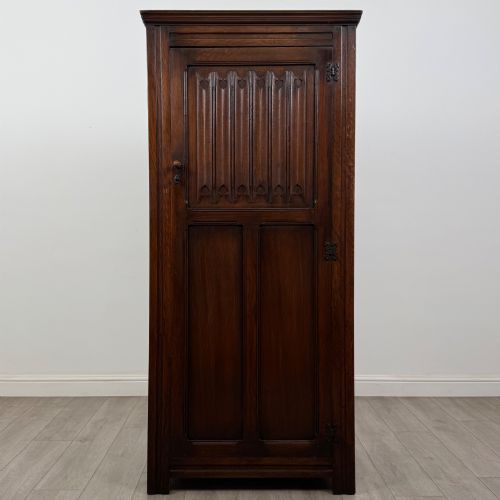
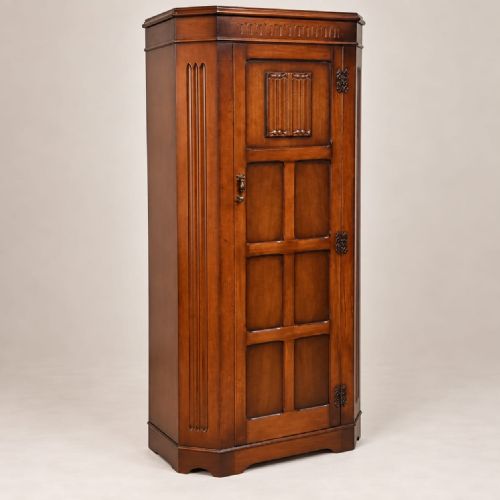
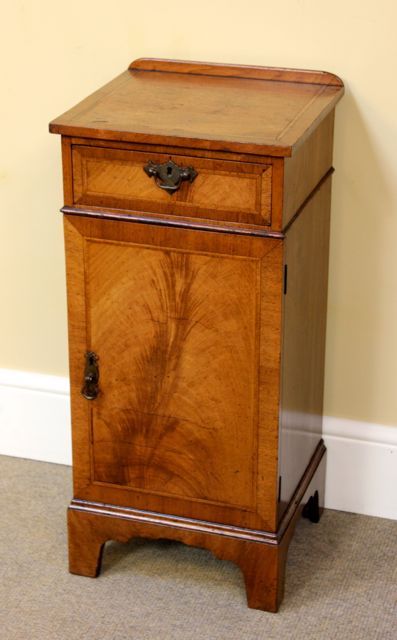
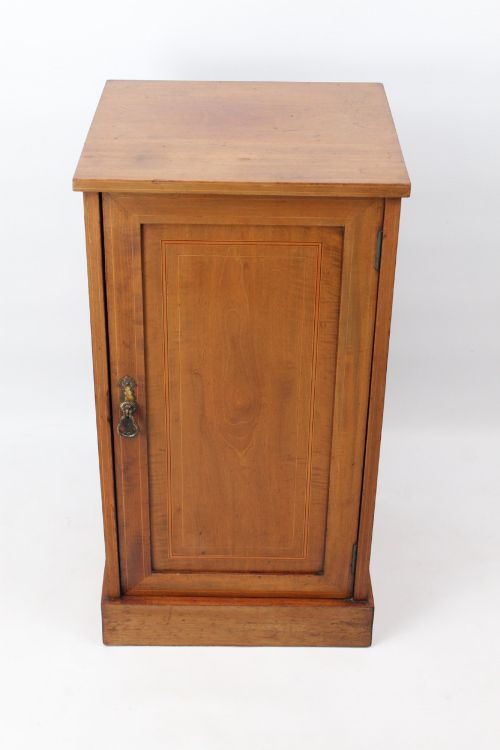
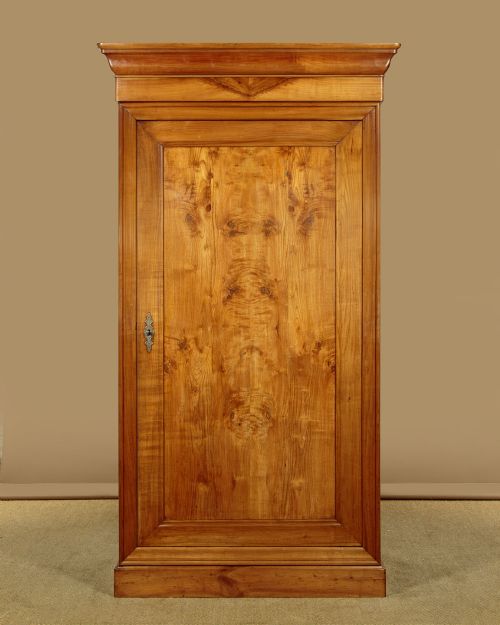
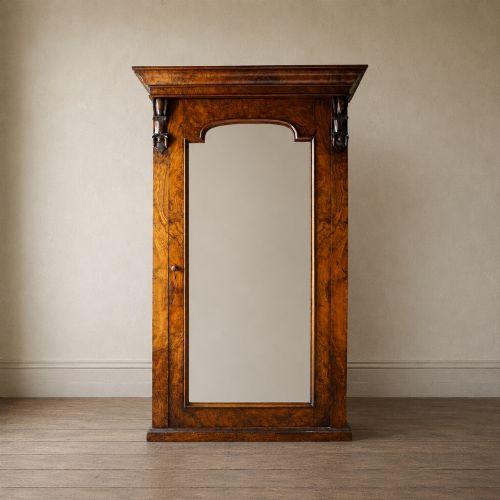
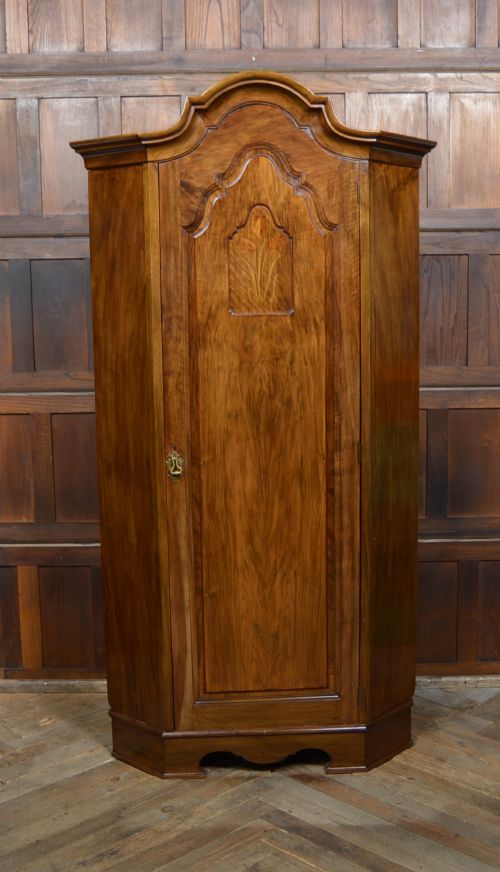
A single door cupboard provides vertical storage using a single hinged door, appearing in forms such as bedside cabinets, pot cupboards, hall wardrobes, and kitchen larders. When searching for a single door cupboard, buyers encounter everything from modest pine farmhouse examples to substantial Victorian mahogany and walnut hall pieces.
The material palette spans native timbers like oak and pine alongside imported hardwoods such as mahogany, walnut, and satinwood, often enhanced with brass hardware or glass panels. These items range from late eighteenth-century country pieces to Edwardian and 1930s variations designed for compact rooms.
Origins stretch across English workshops, French provincial makers, and Danish houses, reflecting diverse regional domestic needs. Smaller bedside nightstands and tall corner cupboards sit alongside slim wardrobes and compactum units in the broader selection.
How they were made
Cabinet-makers constructed these carcasses predominantly from solid pine, oak, and mahogany, frequently applying burr walnut or satinwood veneers to prominent surfaces. Timber selection governed the structural integrity, with dense hardwoods utilised for formal parlour pieces and softer pine for utility items.
Joinery methods involved traditional dovetailed drawers and panelled doors designed to accommodate seasonal timber movement. Surface finishes relied on hand-waxing, French polishing, or oil-based paint applications that protected the wood while accentuating natural grain patterns.
Single Door Cupboard Retail Price Guide 2026
Typical asking prices for single door cupboard among the pieces listed under this phrase on Sellingantiques today, from the lower quarter to the upper quarter. They describe what is for sale here now, not the wider market.
Listings feature woods spanning native pine, oak, and ash alongside imported mahogany, satinwood, and walnut.
What varies in quality
The distinction between standard utility items and exceptional pieces rests upon the precision of the joinery and the selection of figured timber veneers. Superior examples display carefully matched burr walnut or flame mahogany grains across the single door front, alongside original brass handles and working locks.
Design sophistication also separates the range, where plain provincial pine storage utilitarianism contrasts with carved Victorian oak detailing, Art Nouveau styling, or credited workshop execution by makers like Heals and Holland & Sons.
Heals·Holland and Sons·Walter Carter Harrods
The Single Door Cupboard Glossary
- Pot cupboard
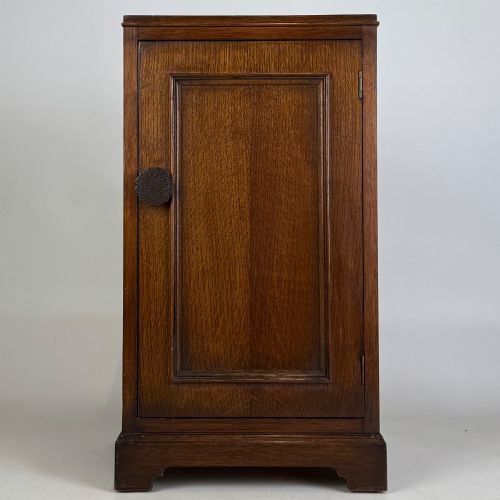
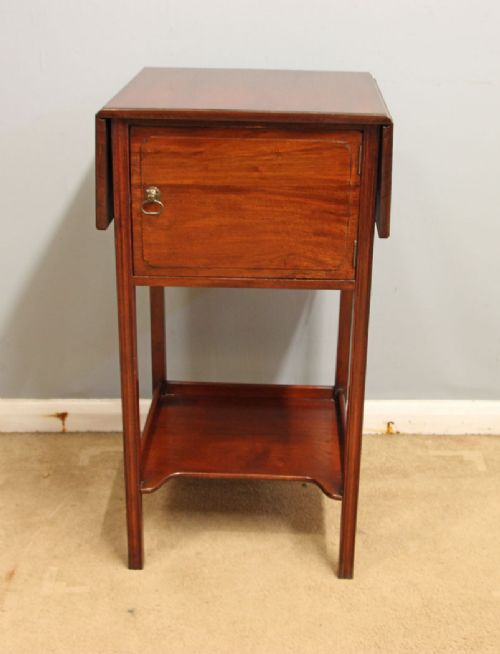
- A small bedside cabinet originally constructed to enclose a chamber pot. These compact pieces often feature a single door above a small enclosed space or drawer.
- Pier cabinet
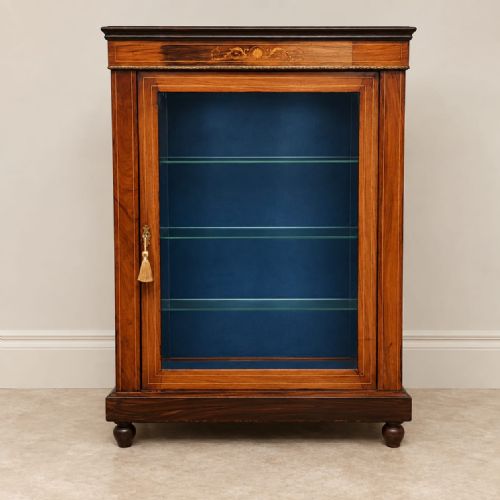
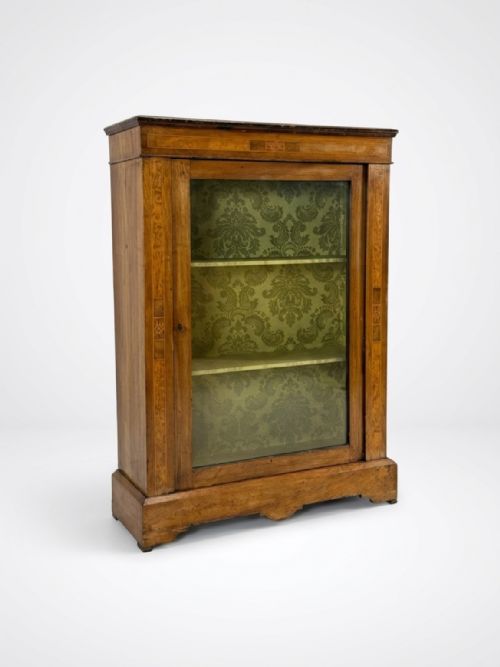
- A low, narrow display or storage cabinet designed to fit against the wall space between windows. Victorian examples frequently incorporate glass doors and inlaid walnut veneers.
- Compactum
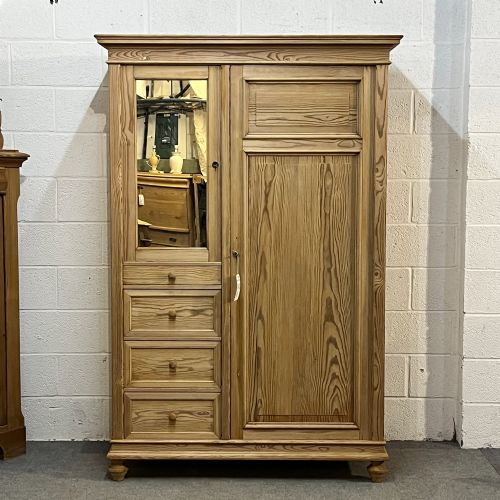
- A multi-functional fitted wardrobe or storage cupboard combining hanging space with internal drawers and shelving. They emerged to maximise organisation within smaller Edwardian bedrooms.
- Larder cupboard
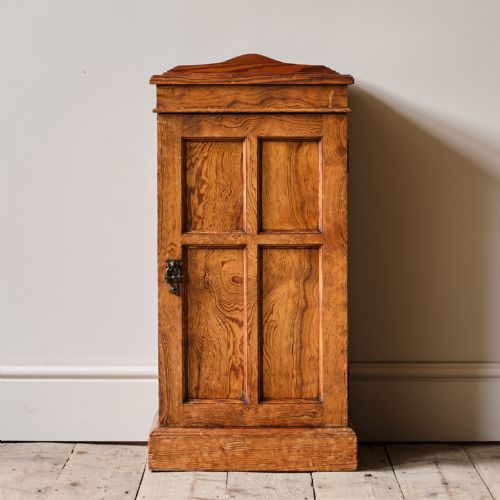
- A tall utility storage piece traditionally used for food preservation, featuring solid or panelled single doors and internal shelving. Pine versions remain common in country house contexts.
- Faux bamboo
- A decorative furniture finish carved or moulded to imitate natural bamboo stalks. This technique appeared on nineteenth-century European pine and maple armoires.
Single Door Cupboard: Frequently Asked Questions
What rooms suit a single door cupboard?
These compact pieces fit easily into bedrooms as bedside tables or narrow wardrobes, and serve well in hallways for coat and shoe storage. Their small footprint makes them practical for tight corners where double-door furniture fails to clear.
Larger variations function effectively in kitchens or dining spaces as larders for dry goods and tableware. Their vertical proportions maximise storage capacity without dominating the floor area.
How do I date a wooden cupboard?
Dating relies on observing construction methods, timber choices, and stylistic details such as hardware or mouldings. Earlier eighteenth-century pieces often display hand-sawn timbers and simpler joinery, whereas Victorian and Edwardian examples utilise machine-sawn components and factory-produced brass fittings.
Specific design movements provide clearer chronological markers, such as the curved motifs of Art Nouveau or the clean lines of Arts and Crafts oak pieces. Comparing secondary woods inside drawers also helps confirm the period of manufacture.
Are these cupboards suitable for daily use?
Solid construction in dense hardwoods and sturdy pine ensures these items handle modern domestic demands reliably. Original locks and hinges continue to function smoothly when maintained with appropriate care and light lubrication.
Internal shelving arrangements inside older cupboards can often be adjusted or supplemented to accommodate contemporary storage needs. Waxed finishes benefit from occasional polishing to protect the timber against daily wear.
What is the difference between a pot cupboard and a bedside cabinet?
A pot cupboard specifically refers to a nineteenth-century bedside enclosed cabinet that originally housed a chamber pot behind its single door. These pieces often include a small upper drawer or a vented interior section.
General bedside cabinets serve a broader storage purpose for books, lamps, and personal items without the historical sanitation function. Both types share compact proportions and single-door formats designed to sit beside a bed.