

Sheraton Satinwood Furniture
Sheraton satinwood furniture brings together pale timbers and classical lines, offering refined elegance for any room.
Sheraton Satinwood Furniture
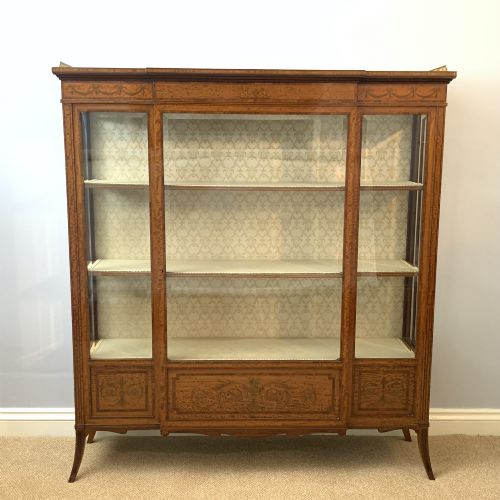
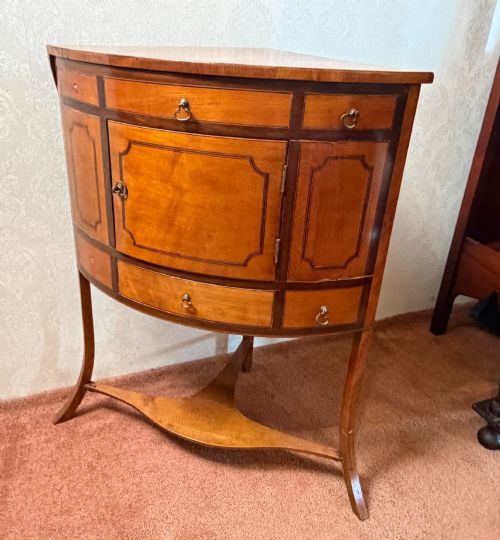
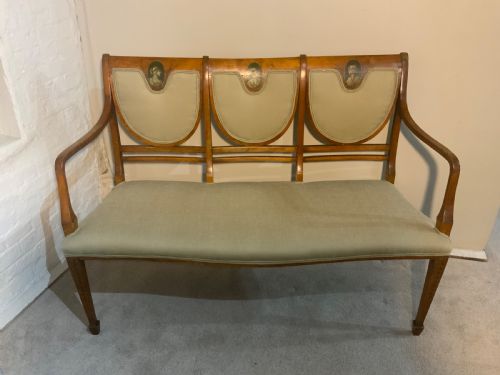
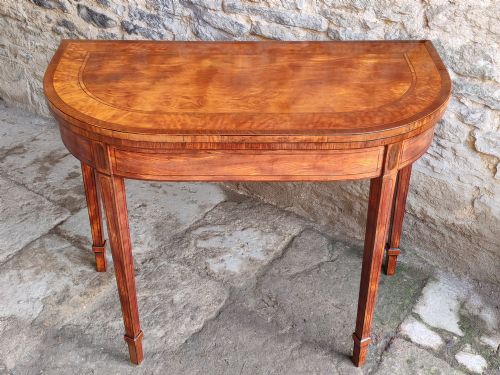
Sheraton satinwood furniture encompasses a range of refined forms from the eighteenth century through to the Edwardian Sheraton Revival period. Buyers seeking this phrase encounter display cabinets, writing desks, card tables, and occasional pieces that showcase light woods and classical geometry.
The material palette draws heavily on satinwood combined with mahogany, harewood, and sabicu, frequently enhanced by painted floral decoration and marquetry inlays. Pieces span Georgian origins to later revivals, reflecting a lasting taste for light, graceful domestic items.
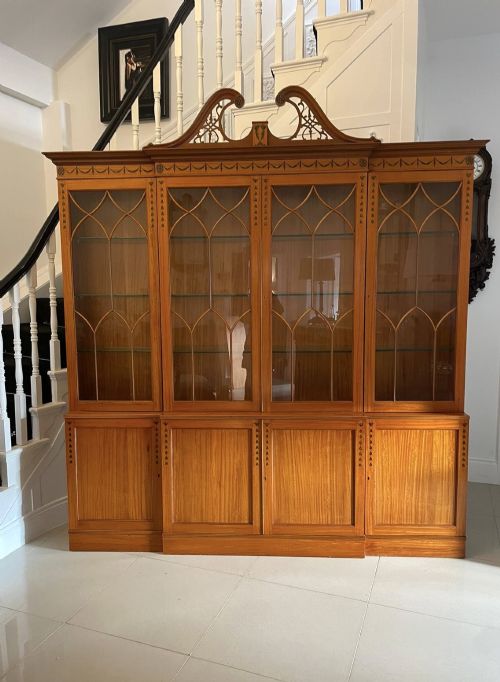
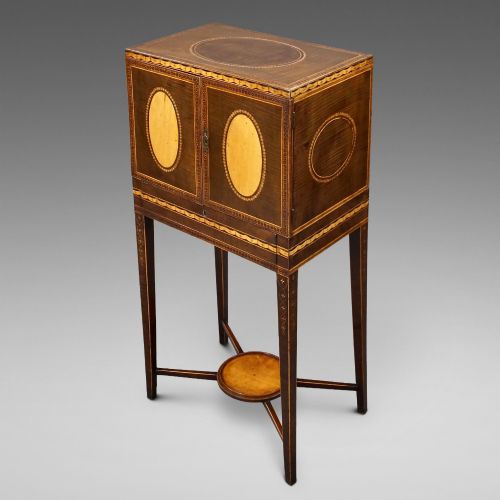
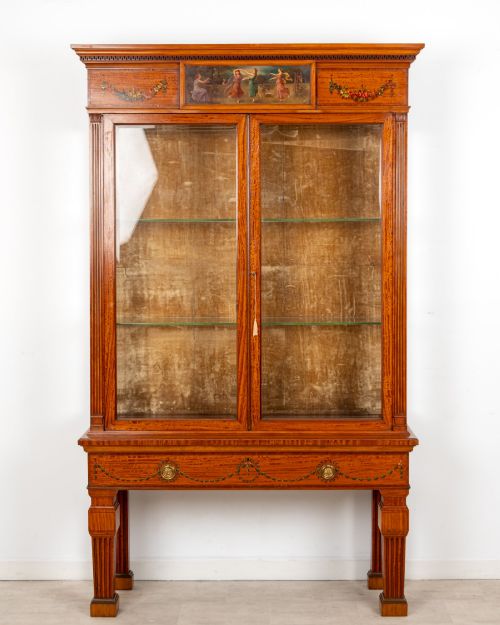
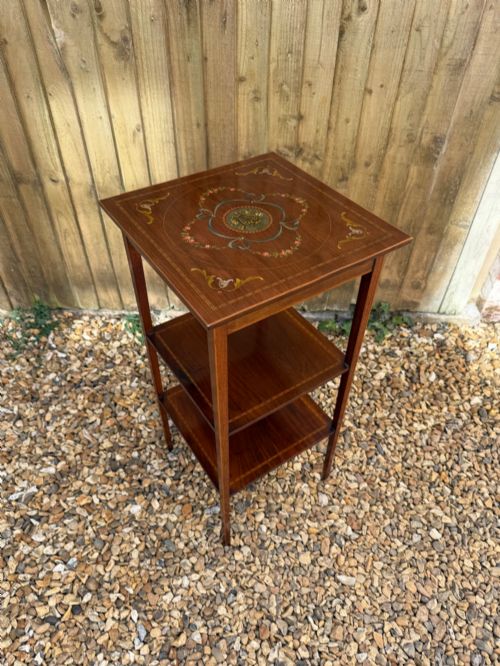
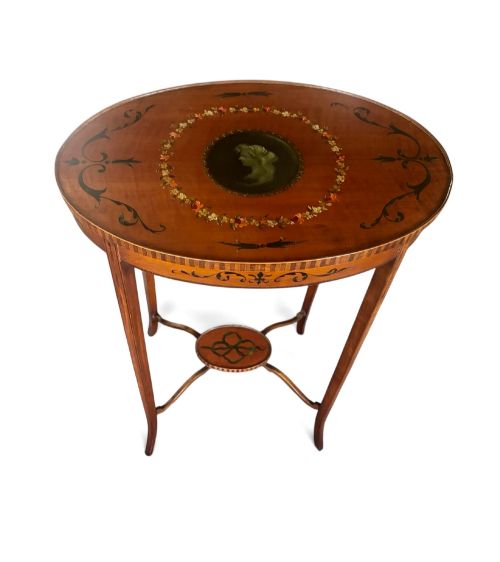
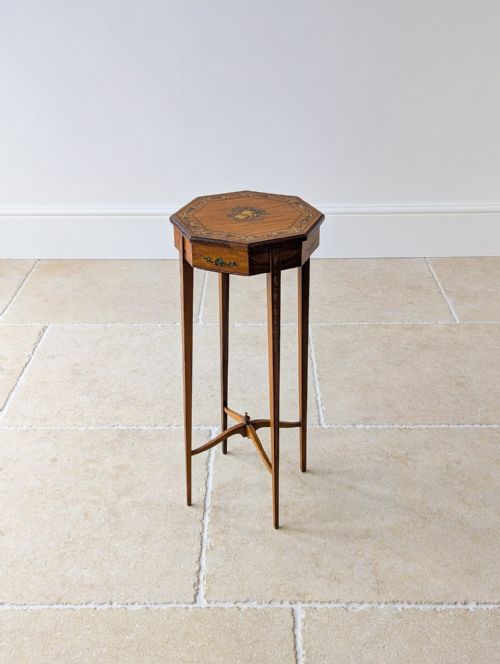
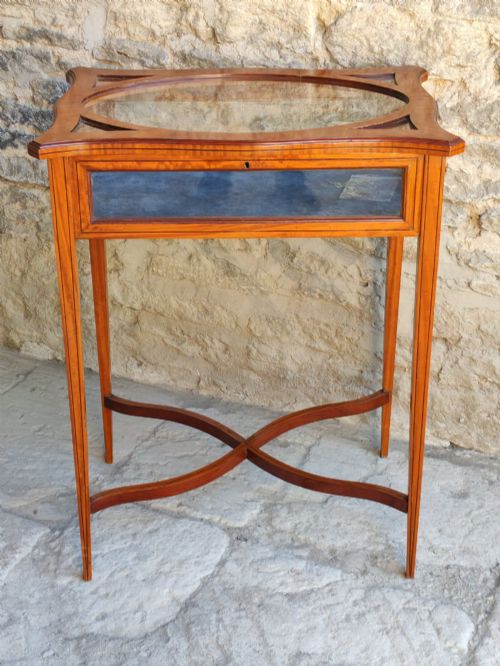
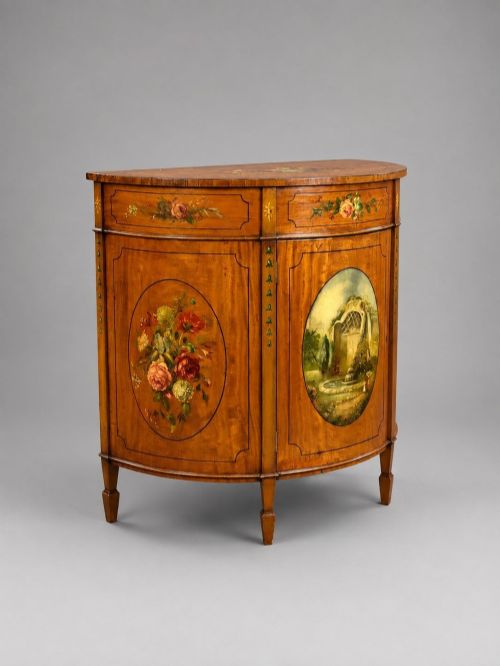
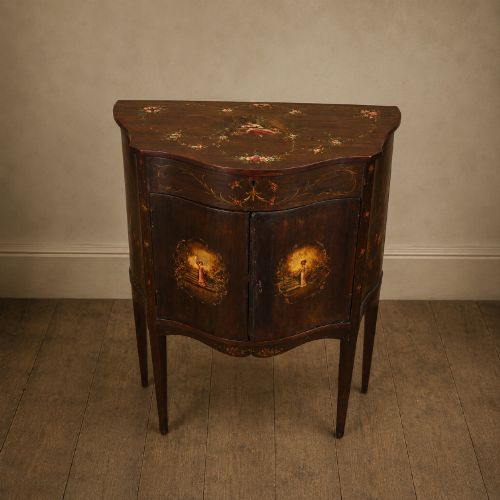
Display cabinets and occasional tables dominate the selection, often featuring painted motifs and slender tapered legs. These items provide both functional surface space and decorative display capabilities within domestic interiors.
Materials and construction
Craftsmen utilised satinwood veneers alongside solid mahogany and boxwood stringing to achieve contrasting surface patterns. Carcases often incorporated secondary timbers like pine or oak, ensuring structural stability for delicate tables and cabinets.
Surface ornamentation relied on hand-painted floral details, crossbanding, and elaborate inlay work executed in contrasting woods. Glass panels in display cabinets were held by fine astragals, while tables utilised folding mechanisms and brass hinges.
Listings feature items spanning the eighteenth century through the Edwardian Sheraton Revival, utilising satinwood, mahogany, and hand-painted decoration.
Evaluating quality and execution
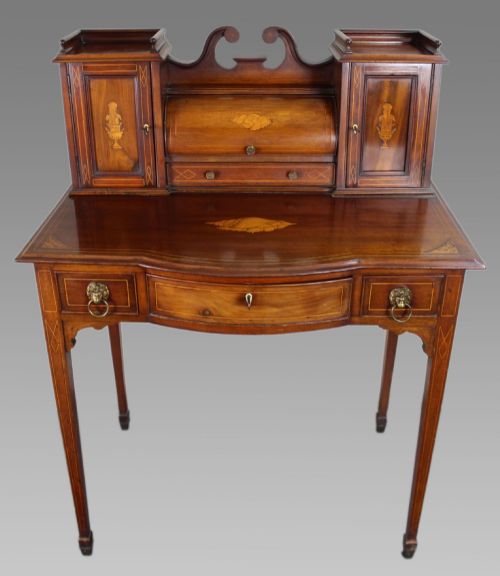
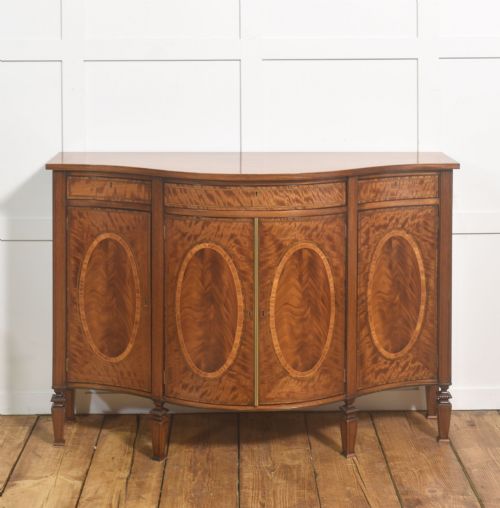
Quality rests in the crispness of the inlay work and the delicacy of the painted decoration. Superior examples display finely figured satinwood veneers matched symmetrically across drawer fronts and table tops.
Structural integrity differentiates standard production from exceptional pieces, particularly in the joinery of serpentine fronts and revolving bookcases. Maker attribution, such as work originating from established London firms, elevates the standing of an item.
Hampton and Sons·Edwards and Roberts·Maple and Co
The Sheraton Satinwood Furniture Glossary
- Satinwood
- A lustrous, hard timber native to Ceylon and the West Indies, prized for its golden sheen and smooth grain. It forms the primary visual surface of these pieces.
- Astral glazing
- A method of dividing glass cabinet doors into smaller panes using slender wooden bars called astragals. This technique creates a light, geometric grid.
- Marquetry
- The art of applying pieces of veneer to a structure to form decorative patterns and pictures. Craftsmen used various coloured woods to achieve floral and classical motifs.
- Pembroke table
- A small rectangular table with hinged flaps on either side that can be raised to extend the surface. These versatile pieces often feature a single drawer.
- Demi-lune
- Half-moon shaped, commonly used to describe side tables and cabinets designed to stand flush against a wall. The curved front adds softness to room layouts.
Sheraton Satinwood Furniture: Frequently Asked Questions
How do I care for satinwood furniture?
Keep these pieces away from direct sunlight to prevent the golden satinwood from darkening or fading unevenly. Dust gently with a dry, soft cloth and avoid chemical polishes that can damage delicate painted decoration.
Maintain stable humidity levels in the room to protect fragile veneers and historical timber from shrinking or cracking over time.
Are these pieces suitable for daily use?
Occasional tables, desks, and side cabinets function well for light daily activities when treated with care. Using coasters and protective pads prevents moisture rings and scratches on antique polished surfaces.
Heavier items like wardrobes and display cabinets require secure placement against walls to ensure stability during everyday access.
How do I distinguish original Georgian from revival pieces?
Examine the construction methods, secondary timbers, and wear patterns underneath the piece and inside drawer compartments. Eighteenth-century items exhibit hand-cut joints and distinct ageing of the wood fibres.
Revival pieces from the Edwardian period often display cleaner, more standardised machining alongside late-nineteenth or early-twentieth-century hardware.
What rooms suit a satinwood cabinet?
Drawing rooms and sitting rooms provide ideal settings where the pale, reflective wood brightens darker corners. Display cabinets highlight porcelain or glassware effectively against painted interiors.
Bedrooms also accommodate smaller bedside cupboards, wardrobes, and writing desks, bringing elegance and useful storage to private spaces.