
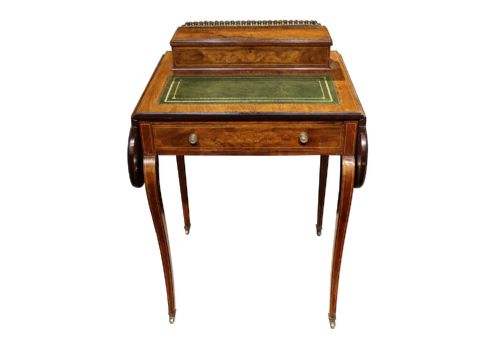
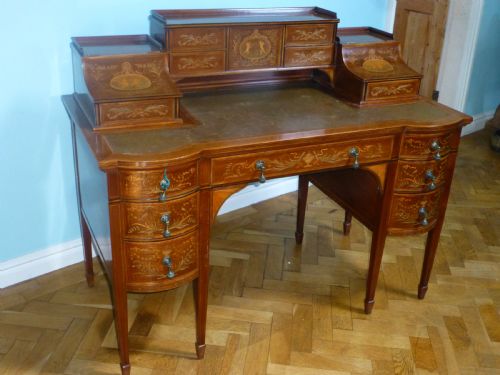
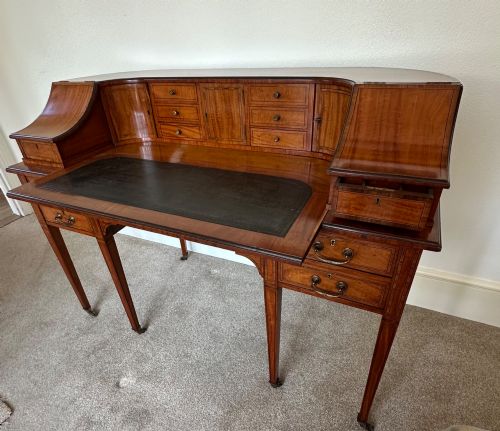
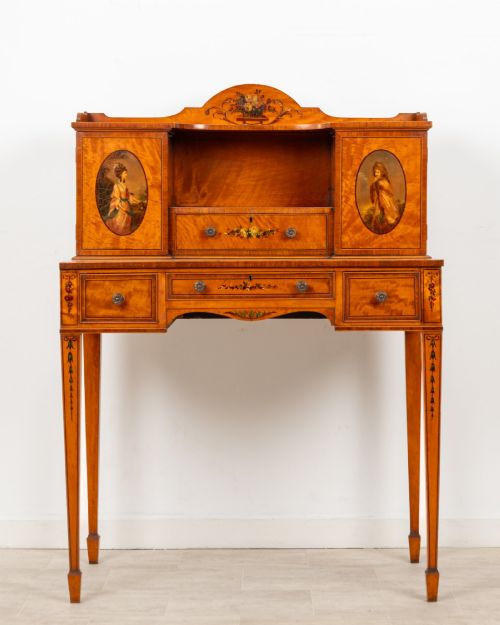


Sheraton Revival Bureau
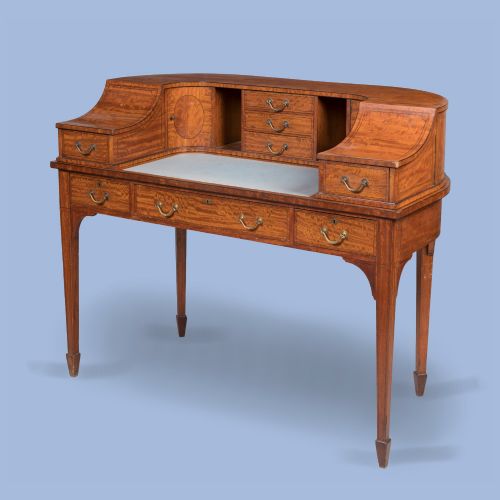
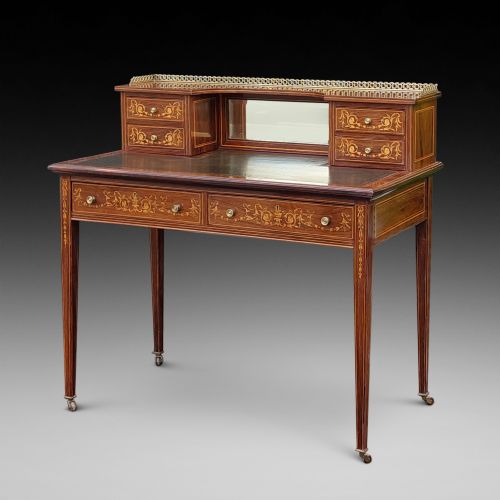
A sheraton revival bureau brings neoclassical elegance into a room through delicate inlay and polished timbers.
Sheraton Revival Bureau
When you search for a sheraton revival bureau, you encounter refined writing furniture produced largely during the late Victorian and Edwardian periods. These pieces draw inspiration from eighteenth-century neoclassical designs, reinterpreting lighter forms for nineteenth and twentieth-century homes.
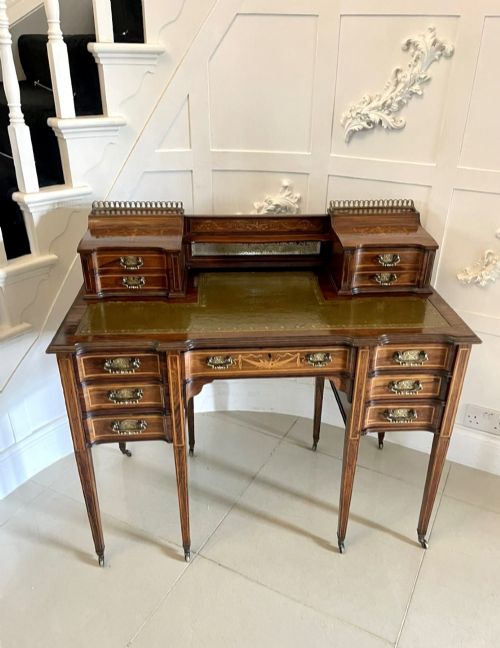
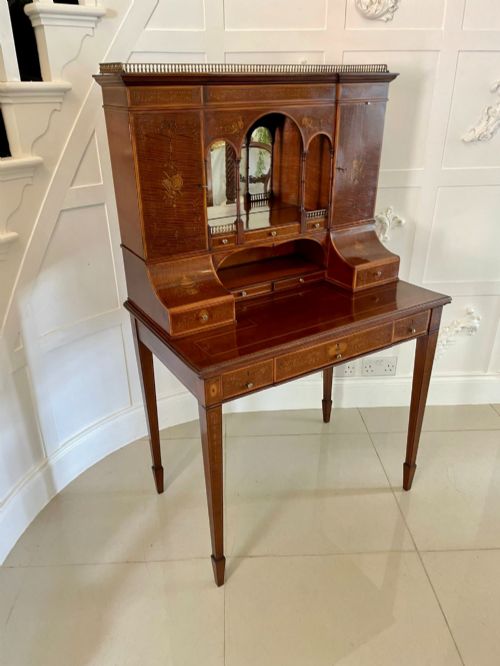
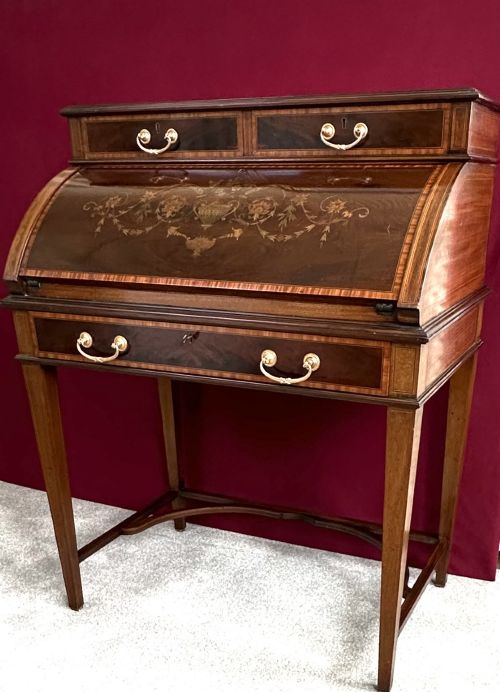
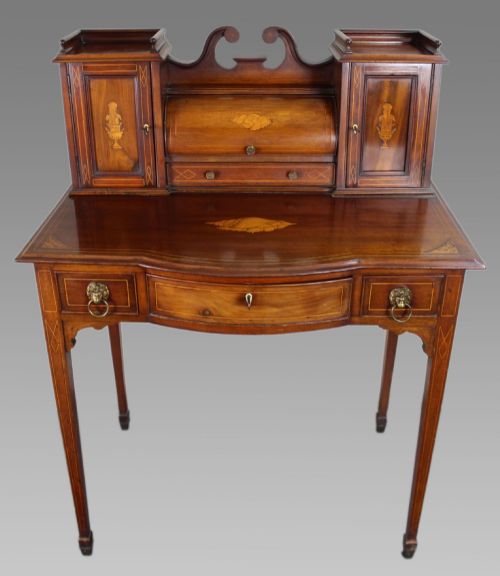
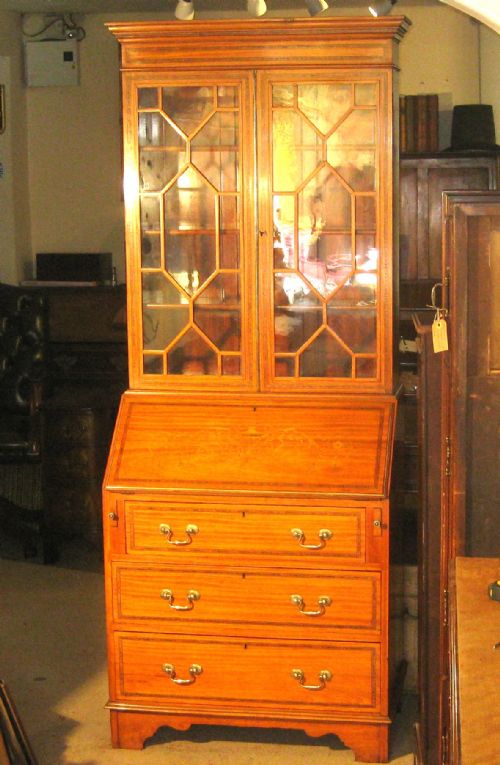
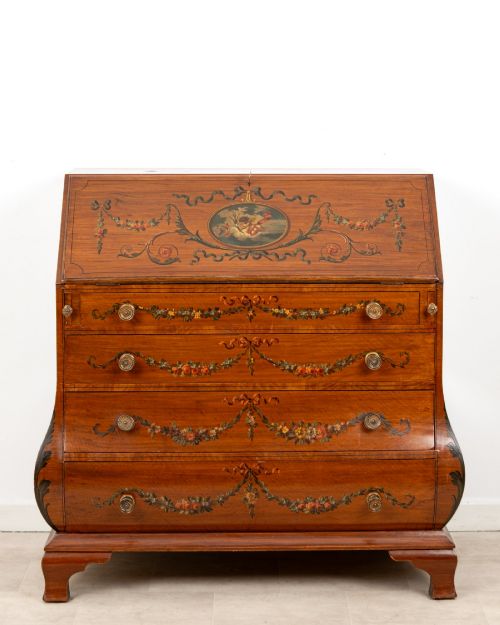
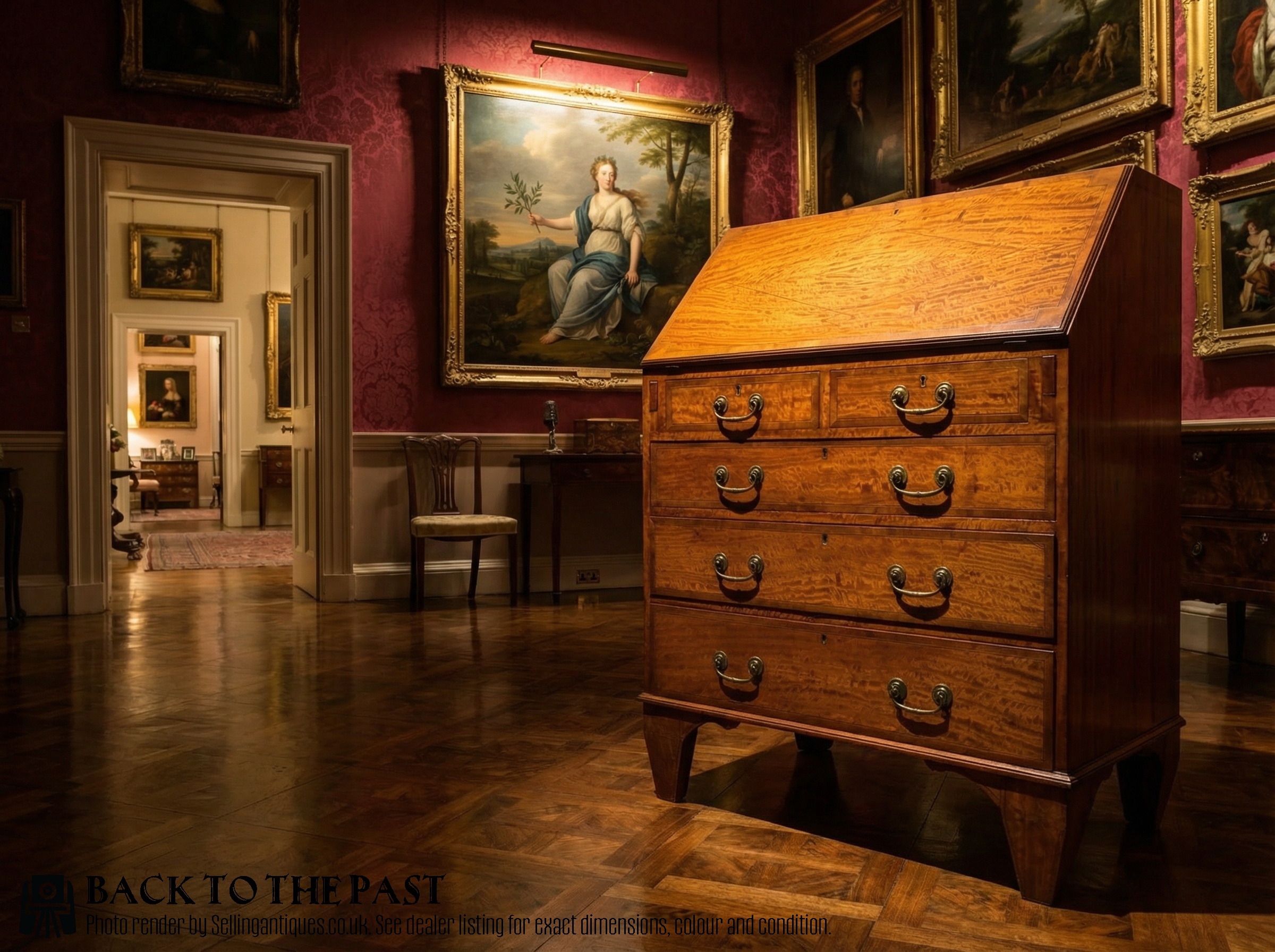
The most common formats on this page include fall-front bureaux, bureau bookcases with upper shelving, and delicate cylinder desks. Many examples utilise compact proportions suited to ladies' writing rooms or reception spaces.
The aesthetic relies on symmetrical arrangement, tapered legs, and decorative surface patterns that echo the original Georgian repertoire without replicating exact structural methods.

How they were made
Cabinet makers utilised dense primary timbers such as mahogany, rosewood, and satinwood, often pairing them with contrasting woods like boxwood for fine stringing and inlay. Surfaces frequently display marquetry motifs including urns, swags, and ribbons.
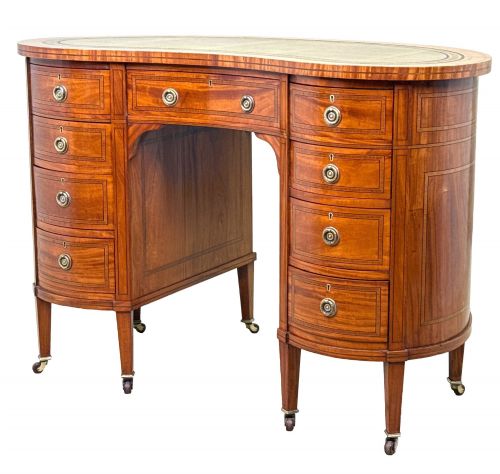
Fitted interiors incorporate small drawers, pigeonholes, and central compartments behind the drop or cylinder lid, sometimes complemented by tooled leather writing surfaces and brass hardware.
Sheraton Revival Bureau Retail Price Guide 2026
Typical asking prices for sheraton revival bureau among the pieces listed under this phrase on Sellingantiques today, from the lower quarter to the upper quarter. They describe what is for sale here now, not the wider market.
Listings span the late Victorian, Edwardian, and early twentieth-century periods, dominated by mahogany, satinwood, and rosewood.
What varies in quality
The distinction between standard commercial output and superior craftsmanship rests upon the execution of the marquetry and the choice of veneers. Finer pieces display crisp, hand-cut botanical or neoclassical motifs with minimal filler.
Internal secondary timbers, the precision of drawer dovetailing, and the retention of original brass fittings and leather inserts indicate the grade of the original workshop.
Maple and Co·Edwards and Roberts·James Shoolbred
The Sheraton Revival Bureau Glossary
- Satinwood
- A light, lustrous timber native to the tropics, frequently used as a primary veneer in late nineteenth-century neoclassical revival pieces. Its golden sheen reflects light effectively in smaller rooms.
- Marquetry
- The art of forming decorative patterns from thin pieces of wood veneer applied to a carcase structure. Craftsmen used various tinted and natural timbers to create pictorial motifs.
- Bonheur du jour
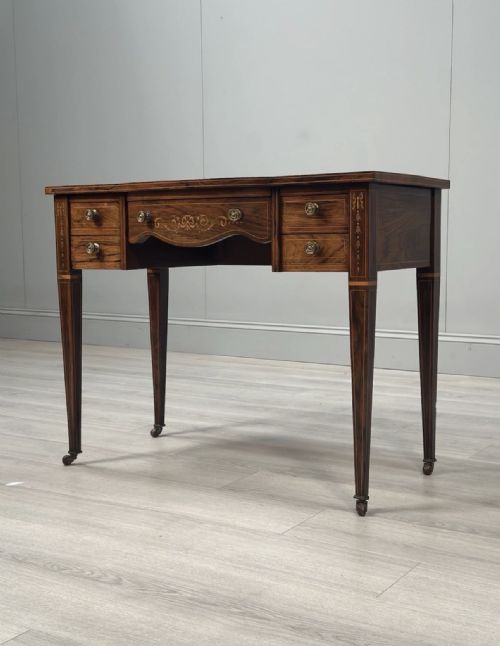
- A light lady's writing desk featuring a small cabinet or set of pigeonholes upon the upper surface. This French form was adopted widely by English makers during the revival period.
- Cylinder desk
- A writing table enclosed by a rolling quarter-circle wooden shutter that conceals the fitted interior. When closed, it protects the desk surface and writing materials.
- Bureau bookcase
- A dual-purpose piece combining a sloping writing flap or cylinder desk below with glazed shelving cabinets above. These tall items served for both correspondence and library storage.
Sheraton Revival Bureau: Frequently Asked Questions
How do I identify a sheraton revival bureau?
Look for neoclassical motifs such as bellflowers, urns, and satinwood inlay set against mahogany or rosewood carcases. The proportions tend to be lighter and more slender than their eighteenth-century Georgian predecessors.
Examine the construction methods and secondary timbers inside the drawers to confirm a late nineteenth or early twentieth-century manufacturing date.
Where were these bureaux used in the home?
These pieces served primarily in ladies' boudoirs, drawing rooms, and private studies for handling correspondence and keeping personal accounts. Their compact dimensions allowed them to fit into tighter reception spaces than heavy Victorian partners' desks.
Many incorporated display shelving or small cupboards above the writing surface to hold books and decorative objects.
How do I care for a satinwood surface?
Keep polished timber away from direct sunlight and heat sources to prevent the veneers from drying out and lifting. Dust regularly with a soft, dry cloth and apply a microcrystalline wax sparingly when the finish appears dry.
Avoid commercial liquid polishes containing silicone, which can penetrate hairline cracks in old finishes and cause long-term damage.
What is the difference between a bureau and a bureau bookcase?
A standard bureau consists of a lower chest of drawers surmounted by a sloping fall-front lid that opens to reveal a fitted writing interior. A bureau bookcase adds a tall glazed cabinet structure on top for housing book collections.
Both forms share similar decorative vocabulary during the revival era, utilising comparable inlay techniques and timber selections.