

Edwardian Fall Front Bureau
An edwardian fall front bureau combines a compact writing desk with concealed pigeonholes behind a sloping lid, offering practical elegance for modern rooms.
Edwardian Fall Front Bureau
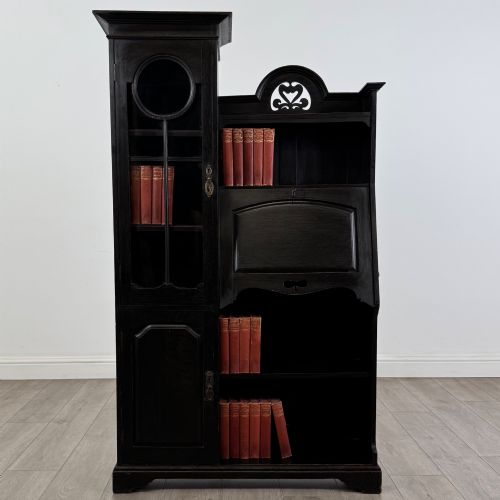
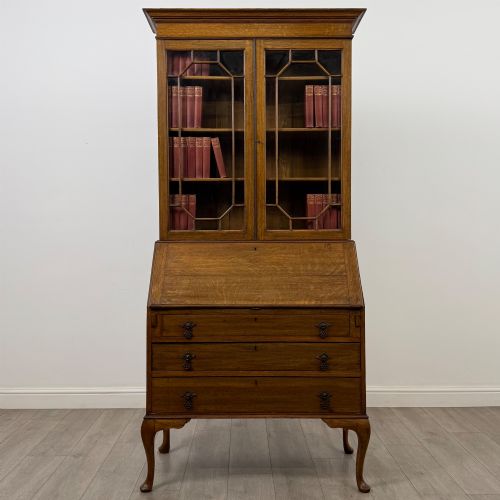
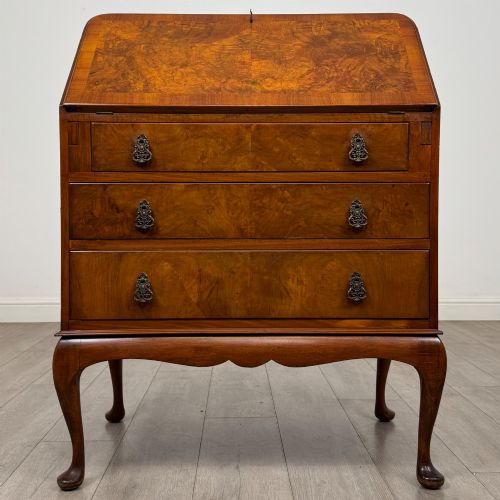
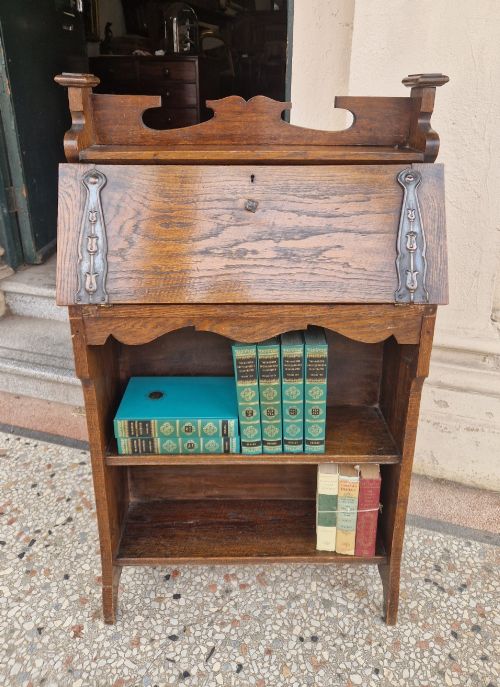
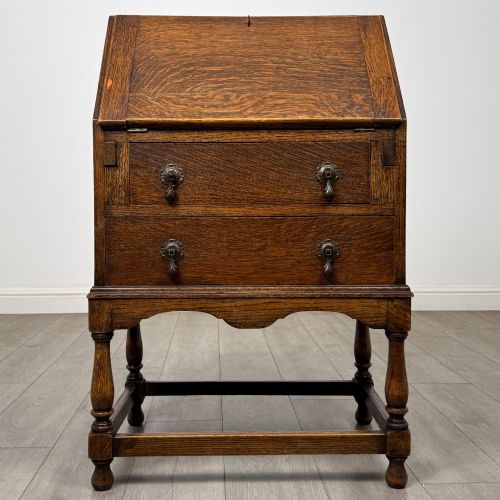
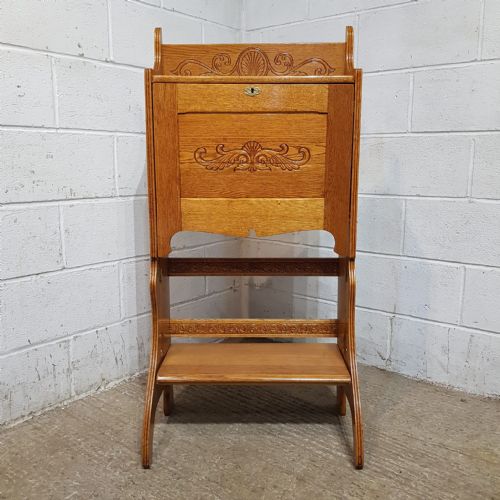
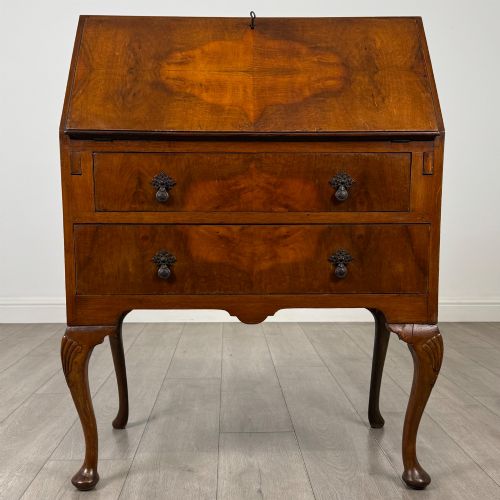
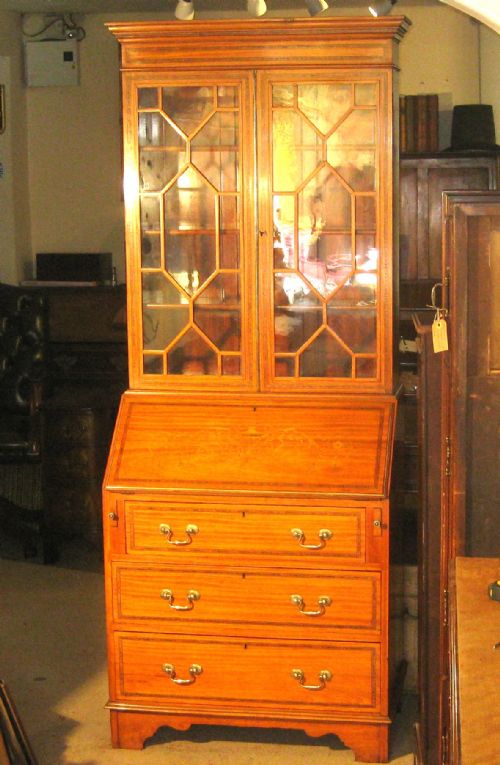
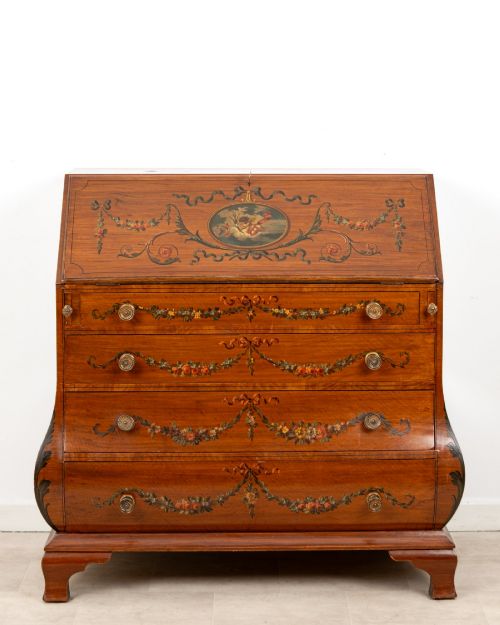
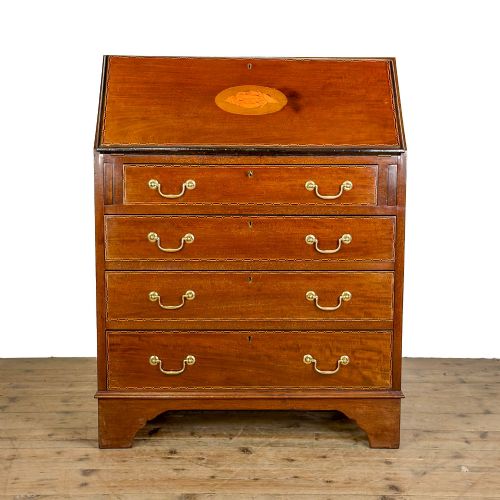
The edwardian fall front bureau is primarily a domestic writing desk designed with a hinged writing flap that folds down to reveal a fitted interior of small drawers and pigeonholes. Most examples encountered here date from the Edwardian period, often incorporating oak, mahogany, or walnut, and occasionally extending into larger bureau bookcases.
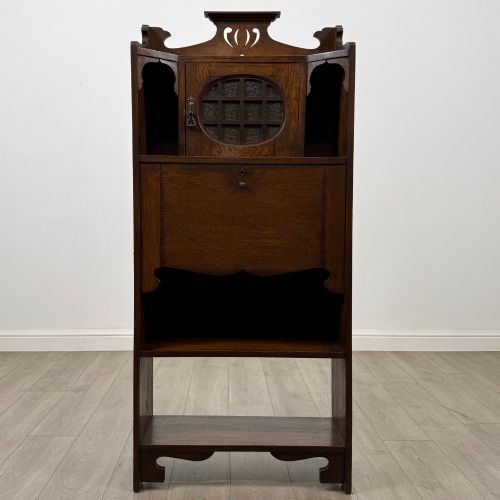
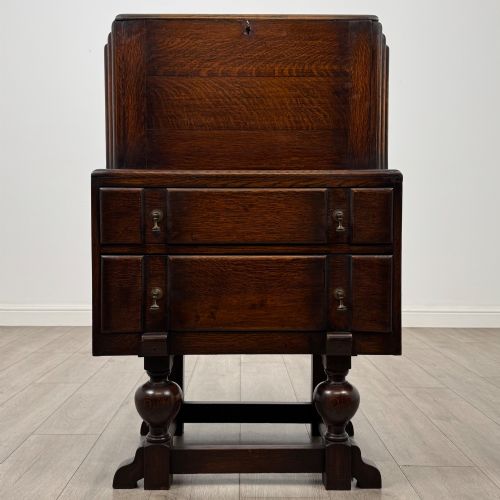
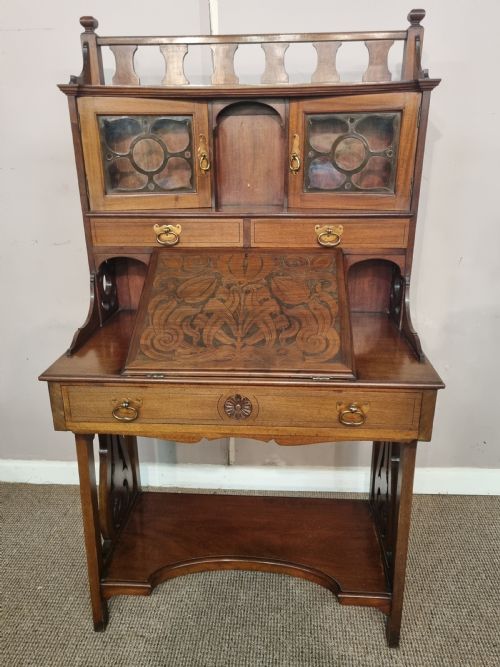
The form ranges from simple writing bureaux to tall cabinet combinations featuring glazed top sections for display. Alongside standard Edwardian output, pieces span related styles such as Arts and Crafts models and revival designs, reflecting the varied tastes of the early twentieth century.
How they were made
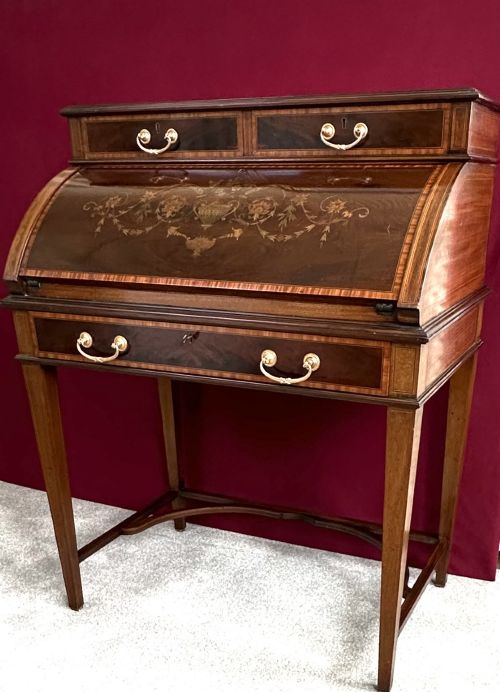
Makers utilised solid timbers like oak and mahogany alongside figured veneers such as walnut, satinwood, and burr walnut for drawer fronts and writing surfaces. Construction methods combined traditional jointing with decorative techniques including inlay, marquetry, and hand-painted details.
Hardware typically involved brass handles, hinges, and escutcheons, while interior fittings incorporated small drawers, pigeonholes, and stationery compartments revealed when the fall-down front is opened.
Listings feature woods including oak, mahogany, walnut, satinwood, and burr walnut across Edwardian, Georgian, and Arts and Crafts periods.
What varies in quality
Quality in an edwardian fall front bureau rests on the selection of timber, the crispness of any inlay or carved decoration, and the stability of the fall-down mechanism. Pieces utilising figured mahogany, burr walnut, or satinwood with detailed internal fittings represent the finer tier of production.
Structural integrity of the writing flap hinges and the smooth operation of internal stationery compartments distinguish standard workshop output from superior cabinet work. The presence of integrated bookcases or specialised Arts and Crafts detailing also elevates the standing of an individual piece.
Harris Lebus·Liberty of London
The Edwardian Fall Front Bureau Glossary
- Fall front
- A hinged writing flap that pulls down to serve as a desktop while concealing interior pigeonholes and small drawers. When closed, it presents a neat vertical panel.
- Bureau bookcase
- A combination furniture form where a sloping-front desk supports an upper cabinet section with shelves, frequently enclosed by glazed doors.
- Crossbanded
- A decorative border technique where strips of veneer are laid across the grain of the surrounding wood to frame a panel or drawer front.
- Marquetry
- An elaborate technique of using varied wood veneers to create pictorial or geometric designs on furniture surfaces.
- Pigeonhole
- A small, open compartment within the desk interior designed for sorting letters and stationery.
Edwardian Fall Front Bureau: Frequently Asked Questions
What is a fall front bureau?
A fall front bureau is a compact writing desk featuring a hinged writing flap that opens forward to provide a flat surface for correspondence. Behind this flap lies a fitted interior containing small drawers and pigeonholes for stationery.
This form allowed owners to conceal writing materials and paperwork quickly when not in use, keeping rooms tidy. Most examples date from the Edwardian era and sit on bracket feet or slender legs.
How do I use one today?
These bureaux function exceptionally well as compact workstations or laptop desks in contemporary living spaces and bedrooms. The interior compartments remain useful for organising letters, notebooks, and small modern accessories.
Leaving the flap down offers a dedicated writing area, while closing it restores a clean wooden cabinet facade to the room. The enclosed shelving in bureau bookcases also provides practical display space for books.
How do I identify Edwardian pieces?
Edwardian pieces typically date from the period around nineteen hundred to nineteen ten, displaying lighter timbers and more restrained decoration than heavy Victorian predecessors. Common characteristics include satinwood inlay, mahogany veneers, and subtle marquetry.
Makers of this era frequently drew inspiration from earlier Georgian designs or embraced the simpler geometric lines associated with the Arts and Crafts movement. Interior fittings and brass hardware also reflect early twentieth-century manufacturing standards.
What is the difference between styles?
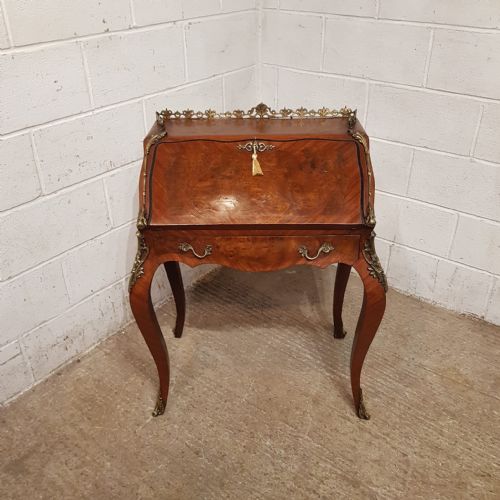
Standard Edwardian designs often feature polished mahogany or inlaid satinwood with polite classical detailing, whereas Arts and Crafts versions emphasise plain oak, exposed joinery, and simpler craftsmanship. Revival pieces lean into historical aesthetics like Queen Anne or Louis XV forms.
Looking at the timber selection, decorative motifs, and overall silhouette helps distinguish between standard commercial production and pieces tied to specific design movements.