



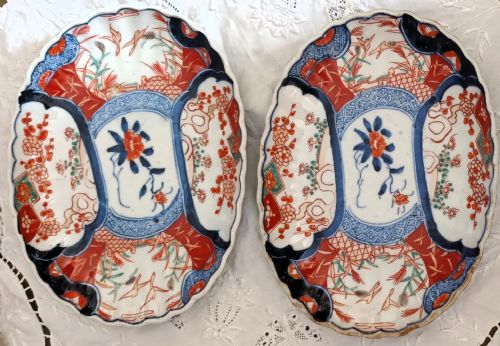
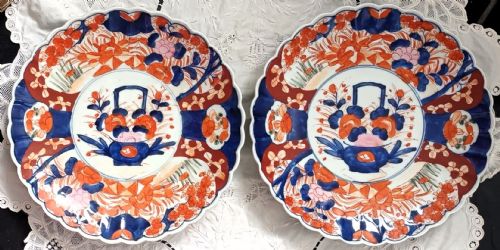
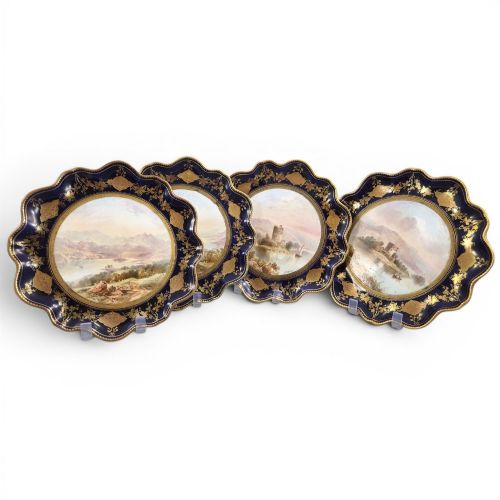
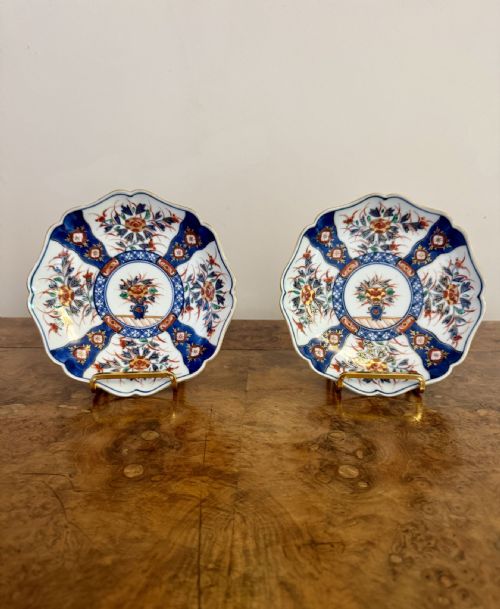
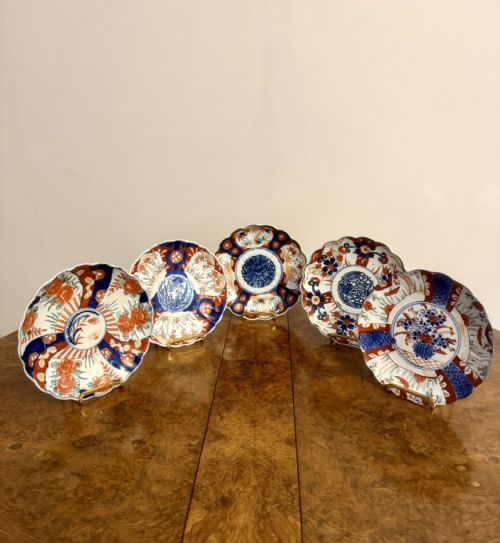
Scalloped Porcelain Plate
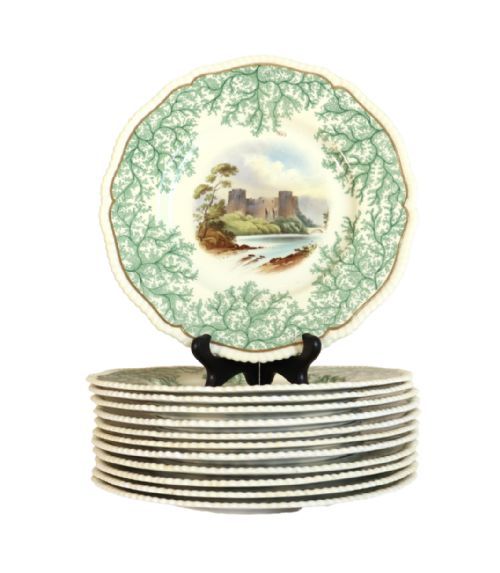
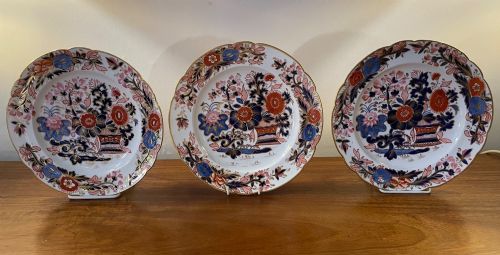
These scalloped porcelain plate pieces offer wonderful decorative presence for the home, combining intricate hand-painted detail with distinctive shaped edges.
What They Are
When you search for a scalloped porcelain plate, you encounter items shaped by varied global ceramic traditions and periods. The selection encompasses pieces from the Georgian era alongside items dated to 1900.
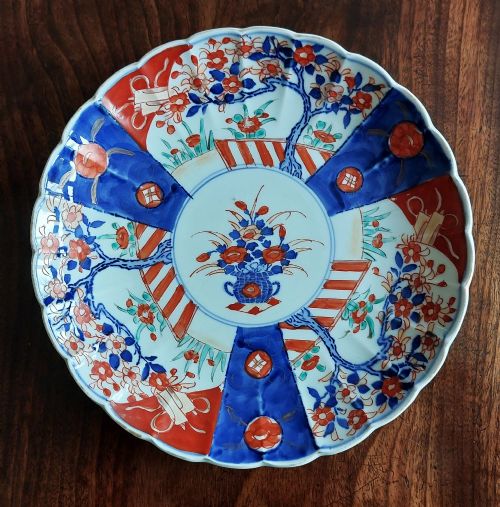
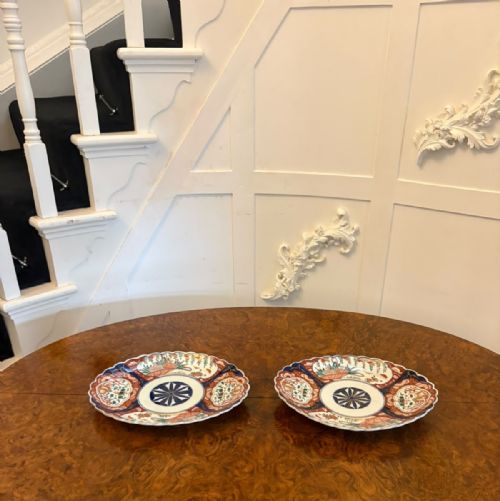
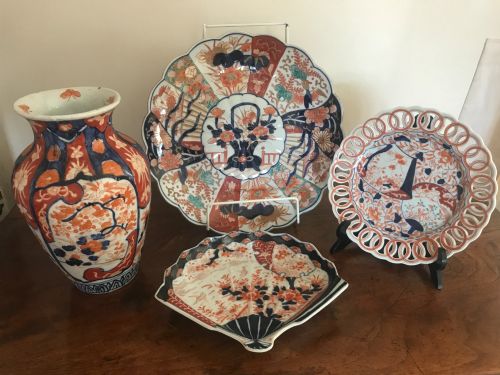
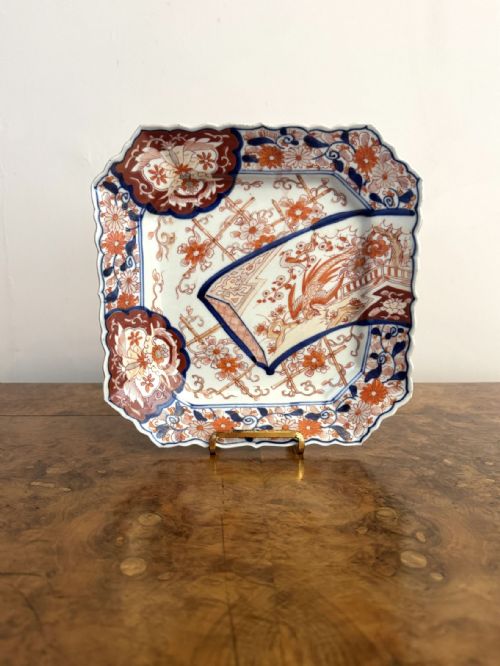
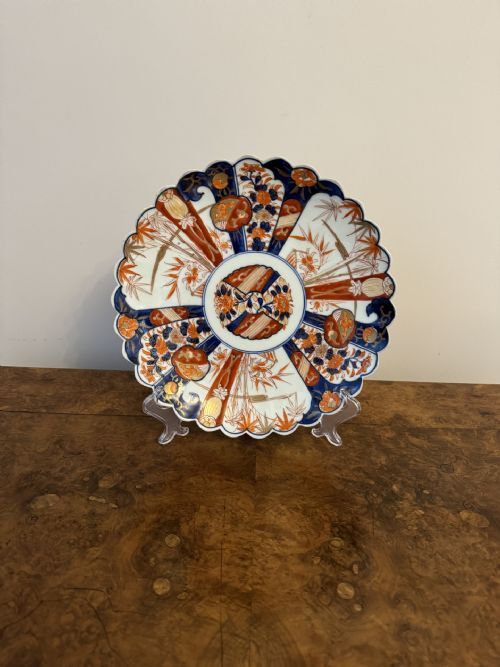
The forms span decorative plates and standard plates featuring distinct moulded rims. Japanese Imari, Chinese Export, Regency, and Meissen styles appear across the inventory.
You are most likely to meet 1900 examples featuring Japanese Imari or Chinese famille rose painting. Georgian productions from makers such as Worcester and Meissen also surface.
How They Were Made
Potters shaped porcelain bodies with moulded, scalloped edges before applying detailed hand-painted designs. Enamel colours and gold leaf accents were added to enhance the surface decoration.
Makers utilised traditional firing techniques to set the cobalt blues, iron reds, and polychrome enamels. Gilt borders often highlight the characteristic scalloped rims of these plates.
Retail Price Guide 2026
Typical UK retail prices for scalloped porcelain plate, calculated from the Sellingantiques database of over a million retail prices indexed since 2003. This retail price guide relies exclusively on Sellingantiques data; no external sources or auction records are used, so the figures do not describe the wider market.
The listings combine porcelain pieces from the Georgian era and the year 1900, featuring Japanese Imari, Chinese Export, and Regency styles.
What Varies in Quality
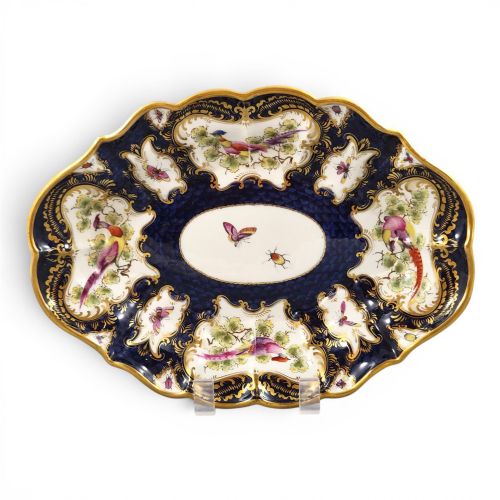
The refinement of the hand-painted brushwork distinguishes standard examples from exceptional pieces. Finely rendered motifs such as birds, insects, flowers, and dragons demonstrate superior artistic control.
The crispness of the porcelain moulding and the preservation of the gold leaf and enamel decoration determine the overall calibre. Makers with established porcelain factories achieve greater precision in form and glaze.
Barr Flight And Barr·Meissen·Worcester
The Scalloped Porcelain Plate Glossary
- Scalloped rim
- An edge shaped into continuous curves resembling a scallop shell. This decorative moulding defines the profile of the plate.
- Imari
- A style of Japanese porcelain featuring a palette of underglaze blue, iron red, and gold. This aesthetic heavily influenced European ceramic design.
- Famille rose
- A palette of opaque enamels dominated by pink or rose colours. Chinese export porcelain frequently utilised this scheme for floral and figurative subjects.
- Gilt
- A thin layer of gold leaf applied to the surface of the porcelain. It typically accents the moulded rims and borders.
Frequently Asked Questions
How were these plates used?
These pieces served both functional dining purposes and ornamental display in period interiors.
Their decorative designs made them suitable for mounting on walls or showcasing on sideboards.
How do I care for antique porcelain?
Wash these plates gently by hand using mild soap and warm water.
Avoid abrasive sponges or dishwashers to protect the delicate enamel and gold leaf details.
How do I identify Georgian pieces?
Georgian plates typically exhibit specific paste characteristics and factory marks associated with early nineteenth-century production.
Stylistic cues such as Regency borders and hand-painted motifs help distinguish this period.
What does Imari style mean?
Imari refers to Japanese export wares decorated in striking combinations of cobalt blue, burnt orange, and gold.
This aesthetic was widely admired and copied by European kilns.