



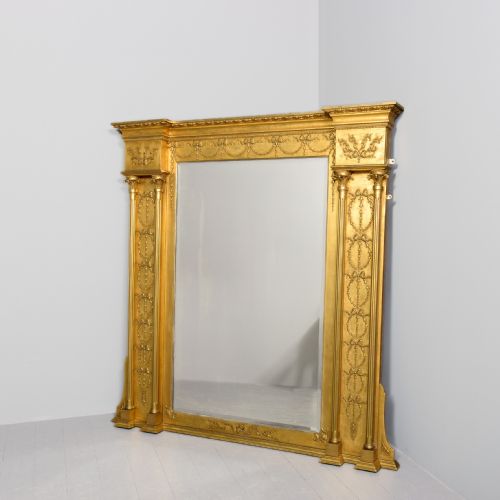


Regency Architectural Mirror
A regency architectural mirror brings classical proportion and striking gilded presence to a room, drawing the eye with monumental scale and refined detail.
Regency Architectural Mirror
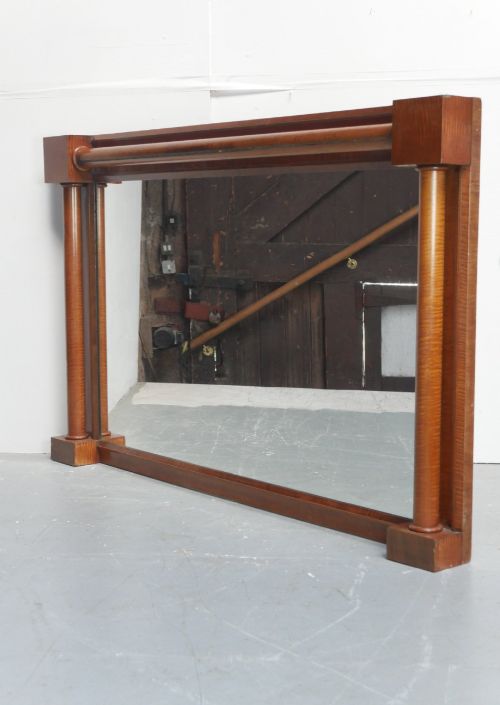
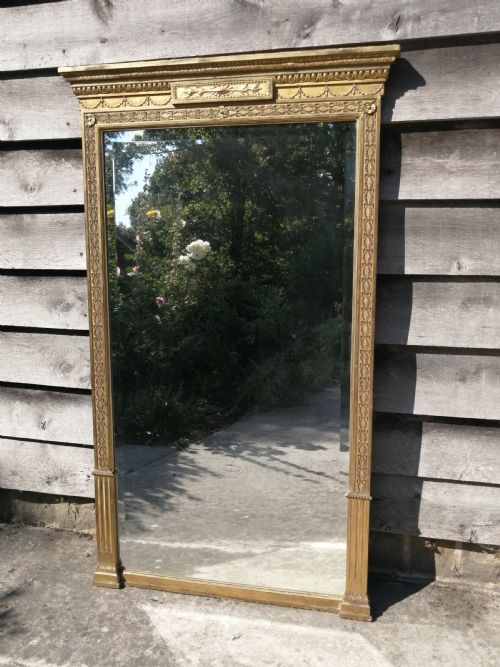
When searching for a regency architectural mirror, collectors encounter substantial wall pieces designed to dominate a room through classical proportion and formal symmetry. These items frequently manifest as pier mirrors or expansive overmantels positioned above hearths.
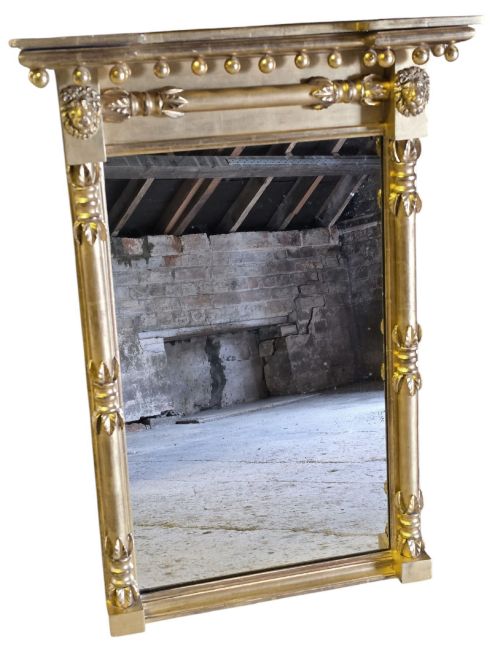
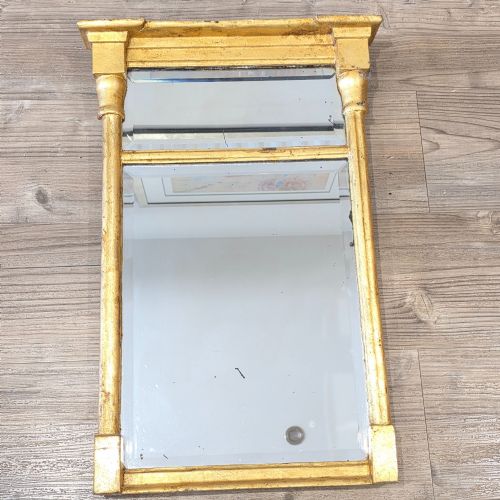
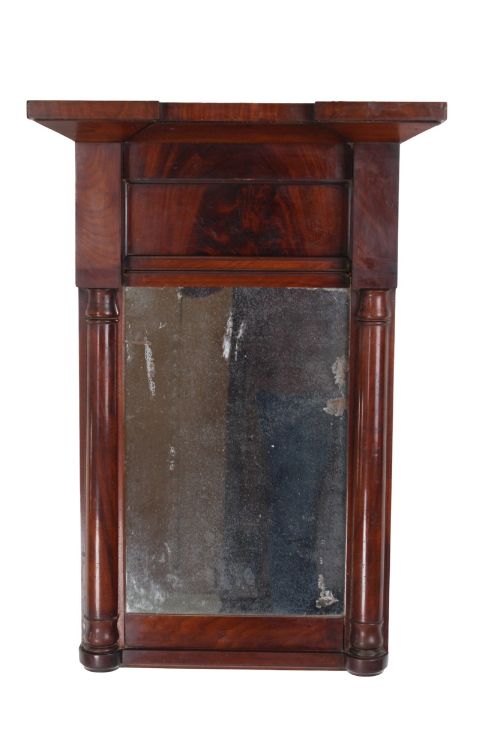
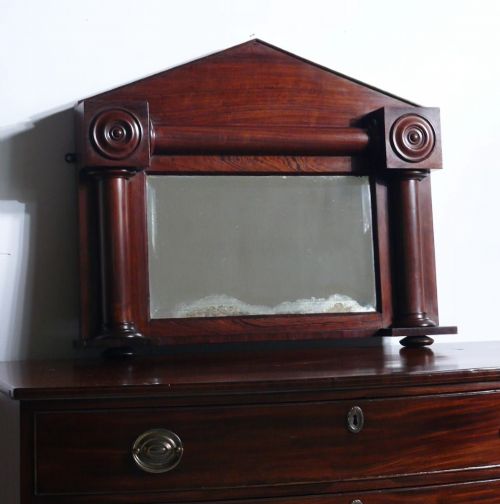
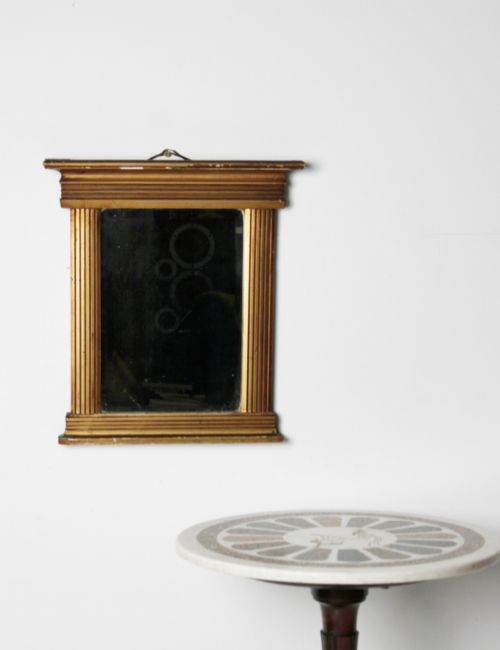
The pieces appearing on this page span the nineteenth century, including the Regency era itself alongside later Victorian and Edwardian revivals. Giltwood frames dominate the selection, often incorporating architectural elements such as columns, pilasters, and cornices.
Makers drew heavily from classical, neoclassical, and Egyptian revival vocabularies, producing formats that range from compact pier glasses to large triptych overmantels. Mahogany and flame mahogany veneer examples also appear alongside gilded gesso and composition models.
How they were made
Makers constructed the timber carcasses from woods such as mahogany, walnut, or softer timbers intended to receive heavy ornamentation. Carved wood details combined with moulded gesso and composition paste to build up the intricate neoclassical friezes and architectural mouldings.
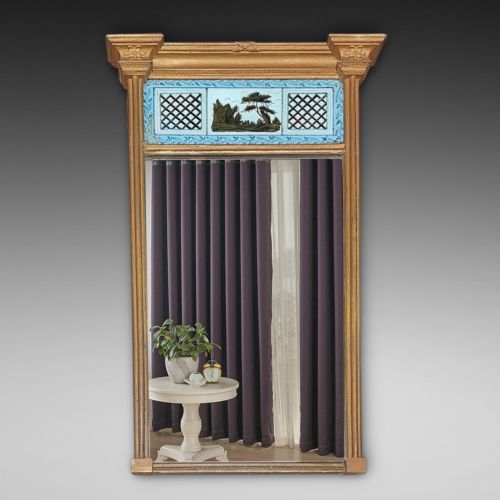
Gilding was applied using thin gold leaf laid over a prepared bole base, creating the luminous metallic surfaces characteristic of the period. Specialised techniques such as verre églomisé introduced reverse-painted glass panels into the upper sections of the frame.
Regency Architectural Mirror Retail Price Guide 2026
Typical asking prices for regency architectural mirror among the pieces listed under this phrase on Sellingantiques today, from the lower quarter to the upper quarter. They describe what is for sale here now, not the wider market.
Some pier mirrors spent centuries faithfully reflecting polite parlor gossip before finally retiring to a modern hallway.
What varies in quality
The standard of carving and the crispness of the composition ornamentation separate the finest examples from standard production pieces. Deeply undercut wooden carvings and sharply defined gesso mouldings indicate superior workshop output.
The presence of original mirror plates adds considerable merit, particularly when silvering shows authentic age or employs verre églomisé panels. The structural integrity of the timber frame and the depth of the original gilding further define the upper tier of quality.
The Regency Architectural Mirror Glossary
- Pier mirror
- A tall vertical glass designed specifically to hang on the wall space between two windows. These pieces often feature architectural pilasters and decorative panels above the main plate.
- Overmantel mirror
- A wide horizontal glass intended to sit directly above a fireplace mantelpiece. They frequently incorporate tripartite plates and elaborate neoclassical cornice details.
- Verre églomisé
- A technique involving cold painting and gilding on the reverse side of glass panels. This process creates reflective, decorative friezes often seen in the upper sections of Regency mirrors.
- Gesso
- A plaster-like mixture applied to a wooden base and carved or moulded into relief decoration before gilding. It allows for intricate architectural ornamentation.
- Composition
- A moulded material made from whiting, resin, glue, and linseed oil pressed into decorative shapes. It offered a quicker alternative to hand-carving complex classical motifs.
Regency Architectural Mirror: Frequently Asked Questions
Where should a regency architectural mirror hang?
These pieces suit positions above mantelpieces or between tall windows where their vertical or horizontal proportions complement the room's architecture. Their substantial scale allows them to anchor a main reception wall.
Securing such heavy frames requires appropriate wall fixings, particularly for large overmantel and pier formats. Placement should also consider how light from windows reflects across the room.
How do I spot a true period piece?
Examine the construction methods behind the frame, including the timber types and the composition of the gesso mouldings. Period pieces often exhibit hand-cut fixings and signs of age within the silvering of the glass.
Comparing the decorative motifs to known neoclassical and Regency design books helps confirm the stylistic period. The presence of original mirror plates provides further indication of age.
What is an overmantel mirror?
An overmantel mirror is a wide horizontal glass designed to sit directly above a fireplace opening. They were proportioned to match the width of the mantel shelf below.
Many examples feature classical columns, pilasters, or stepped cornices that echo the architectural design of the room's fireplace surround.
What does verre églomisé mean?
Verre églomisé refers to the process of applying gold leaf and pigment to the reverse side of a glass panel. This technique produced decorative friezes depicting classical scenes or geometric patterns.
In Regency mirrors, these panels usually appear in the upper section of the frame above the main reflective glass plate.
Are these mirrors fragile?
The heavy gesso and composition ornaments require careful handling to prevent chipping or loss of detail. The large glass plates also demand secure, stable mounting against a solid wall.
Routine maintenance involves dusting with a soft, dry cloth without applying harsh chemical cleaning solutions to the gilded surfaces.