


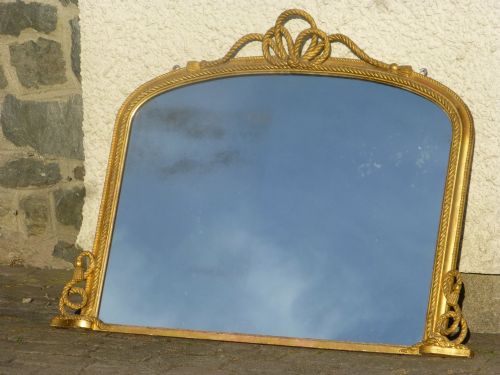
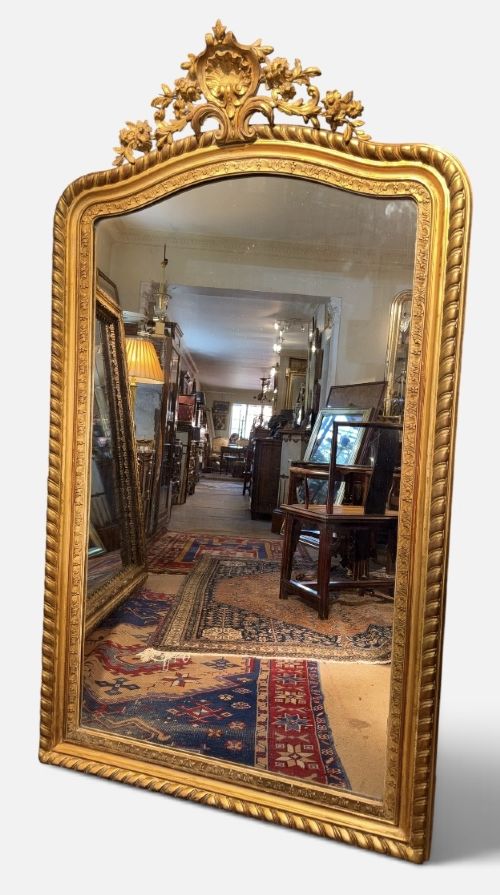
Gold Leaf Mantel Mirror
A gold leaf mantel mirror brings instant breadth and light to a room, functioning as the traditional centrepiece above any fireplace.
What They Are
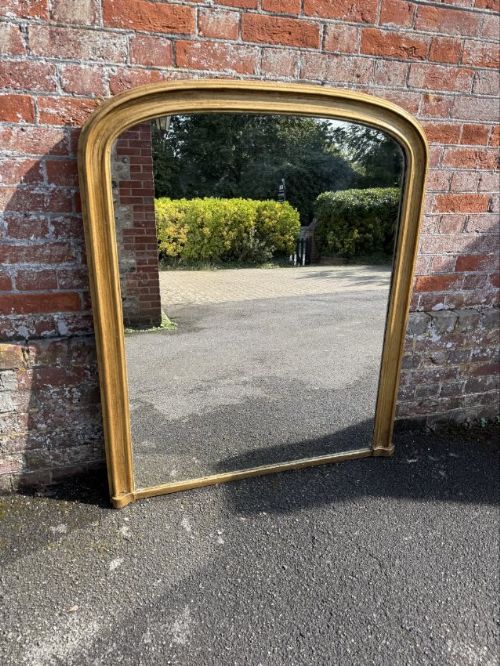
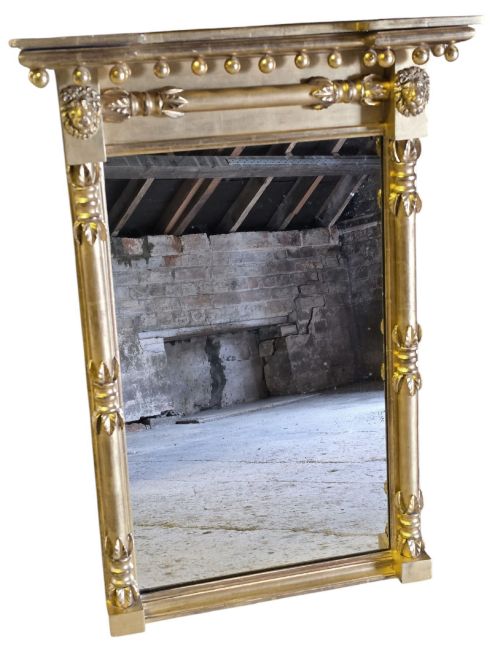
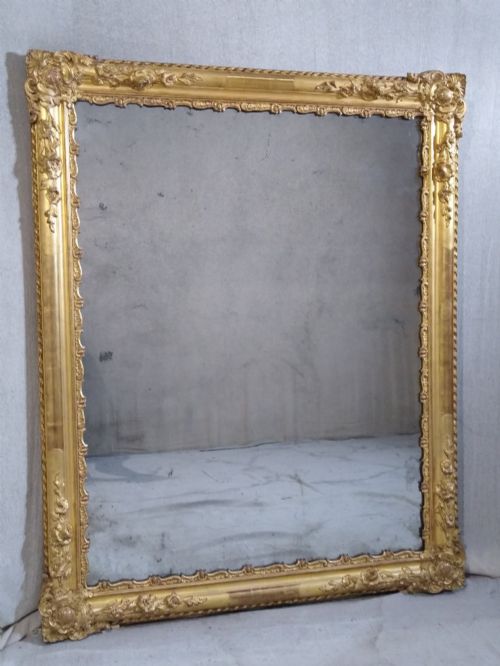
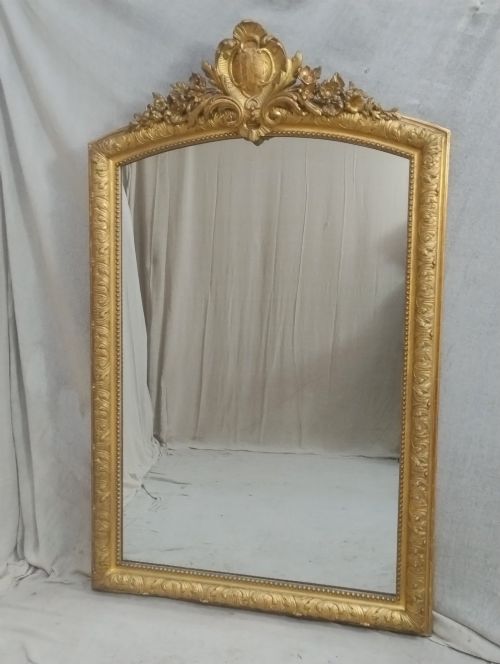
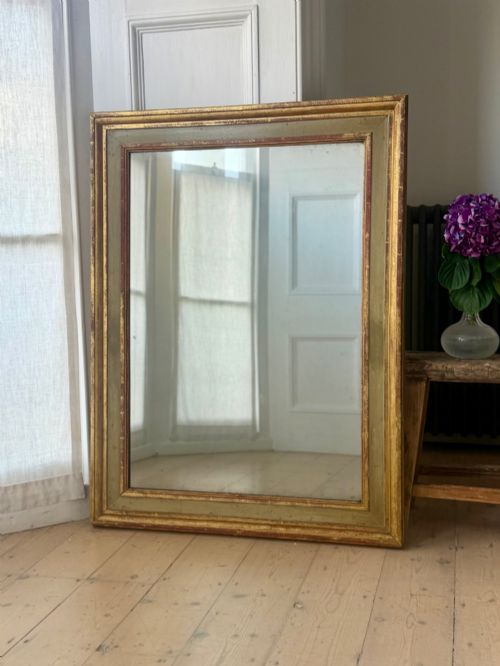
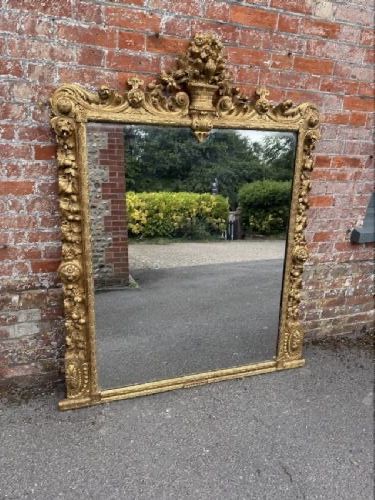
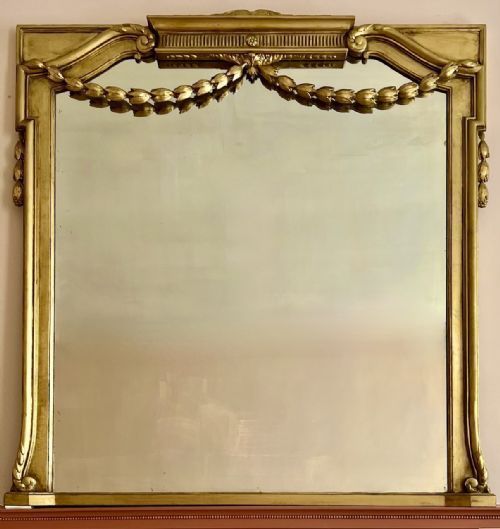
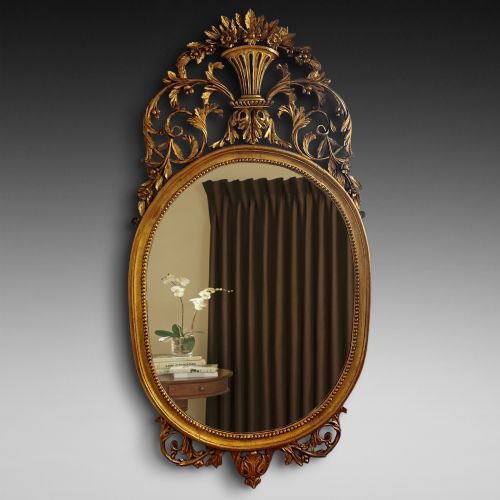
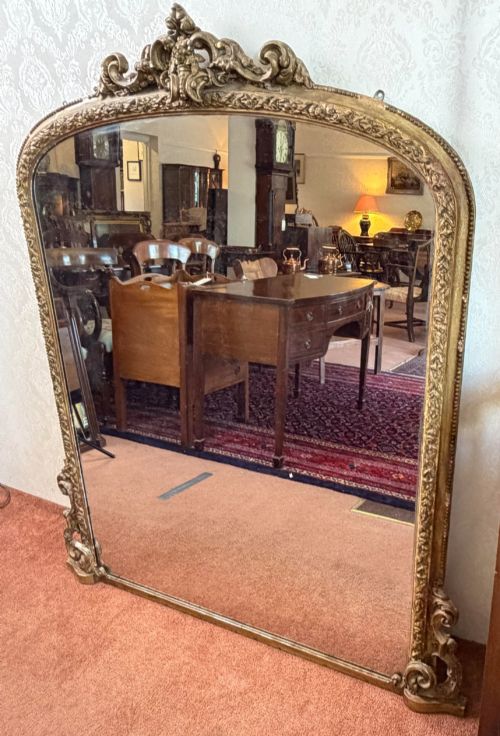
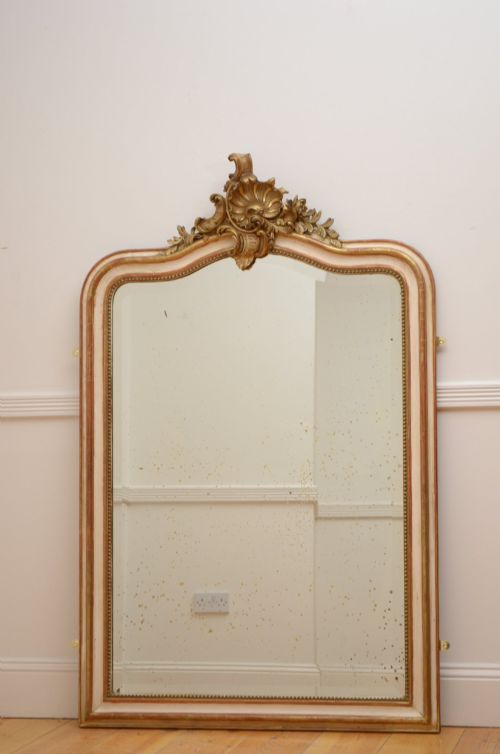
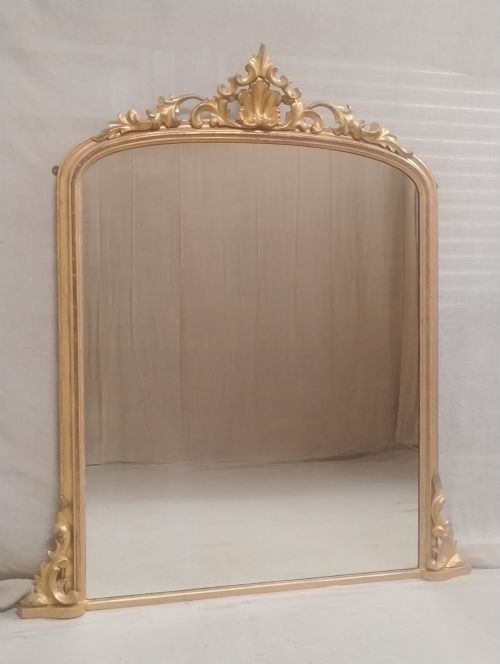
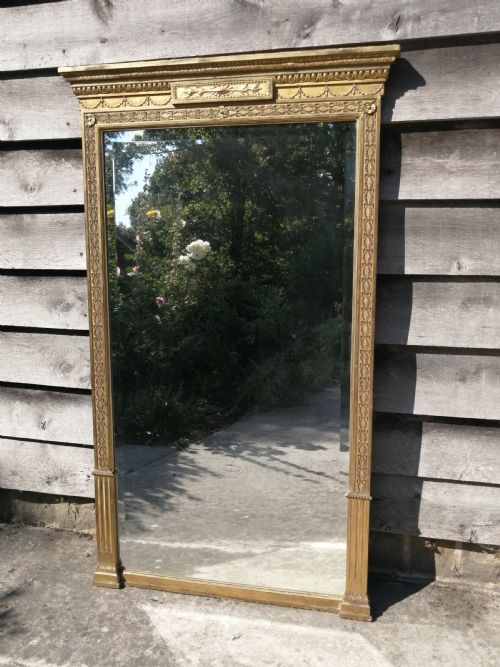
A gold leaf mantel mirror is typically encountered in large overmantel and wall mirror formats designed to sit commandingly above a fireplace. The examples found here span the Regency and Victorian periods, including nineteenth century French pieces and English craftsmanship from eighteen-sixty.
These substantial looking glasses serve primarily to reflect natural light and visually expand the proportions of a reception room. Most items in this selection adopt the traditional overmantel configuration, built long and low to follow the horizontal line of the mantelpiece.
How They Were Made
Frames are constructed from wood and carved wood, providing the rigid structural skeleton needed for heavy glass plates. Artisans applied gesso and composition ornament over the timber base to build up intricate surface relief and mouldings.
Giltwood and gold leaf finishes were then applied by hand over the prepared surfaces, creating a warm metallic lustre. Finally, traditional silvered glass was fitted within the frames to complete the reflective surface.
Retail Price Guide 2026
Typical UK retail prices for gold leaf mantel mirror, calculated from the Sellingantiques database of over a million retail prices indexed since 2003. This retail price guide relies exclusively on Sellingantiques data; no external sources or auction records are used, so the figures do not describe the wider market.
Listings feature pieces from the Regency and Victorian eras, including English and French origins.
What Varies in Quality
Quality in a gold leaf mantel mirror rests upon the depth and crispness of the carved wooden ornament rather than flat composition mouldings. Finer pieces demonstrate superior joinery in the frame corners and a richer application of genuine gold leaf over smooth gesso.
The character of the glass plate also dictates the tier of the piece, with older mirrors showing subtle distortions and silvering wear that signal age. The harmony between the horizontal scale of the frame and the proportions of the moulding separates standard production from exceptional examples.
The Gold Leaf Mantel Mirror Glossary
- Overmantel mirror
- A large horizontal looking glass designed specifically to hang above a mantelpiece or fireplace. These pieces often anchor the decorative scheme of a nineteenth century room.
- Gesso
- A plaster based mixture applied to wood frames to create a smooth surface for gilding or to build up low relief ornament. It is typically modelled before being covered in gold leaf.
- Giltwood
- Timber that has been gilded with gold leaf or powder using traditional sizing techniques. This material gives the frames their characteristic metallic brilliance.
- Composition
- A moulded paste of whiting, resin, oil and glue pressed into decorative ornaments for frames. It was widely used alongside hand carving in the nineteenth century.
- Regency
- An architectural and decorative style spanning the early nineteenth century. Pieces from this period exhibit classical restraint and clean architectural lines.
Frequently Asked Questions
Where should a gold leaf mantel mirror be hung?
These mirrors are traditionally positioned directly above a fireplace mantel to draw the eye and reflect light across the room. Their horizontal proportions are specifically scaled to match the width of standard chimney breasts.
They can also be mounted on primary drawing room walls if the structural fixings are sufficient to support the substantial weight of the timber and glass.
How do I identify a Regency mirror?
Regency pieces display neoclassical design motifs and a lighter architectural framework compared to later Victorian items. The decorative vocabulary often draws upon classical antiquity.
Look for crisp mouldings and restrained ornamentation that reflect the early nineteenth century aesthetic without the heavy elaboration seen in later decades.
What is the difference between giltwood and gold leaf?
Gold leaf refers specifically to the extremely thin metallic sheets beaten from gold that are applied to the frame's surface. Giltwood is the broader term for the underlying wooden object that has received this gilding.
Together they describe a traditional finishing technique where precious metal is laid over a prepared gesso and wood ground.
How do I care for an antique mirror frame?
Antique gilt surfaces require gentle dusting with a soft, dry brush to prevent the accumulation of dirt within the carved crevices. Moisture and modern chemical cleaners must be avoided entirely to protect the delicate gold leaf and gesso layers.
Glass panels can be cleaned sparingly with a dry microfibre cloth, taking care not to let liquid seep behind the frame rebate.