


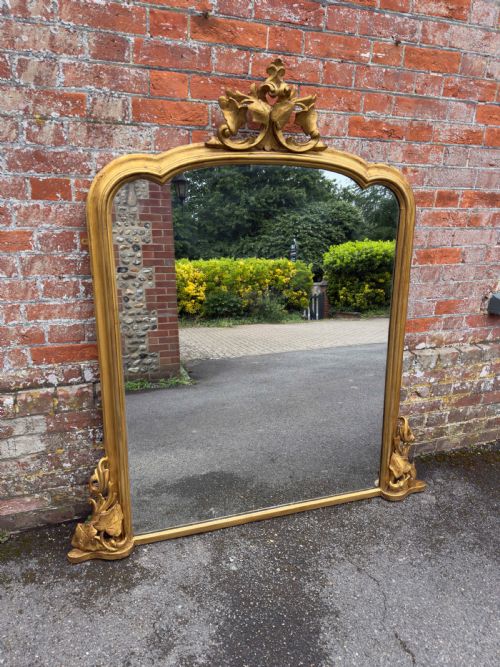

Gilded Chimney Mirror
A gilded chimney mirror brings scale and reflected light to a room, historically designed to sit directly above the fireplace hearth.
Gilded Chimney Mirror
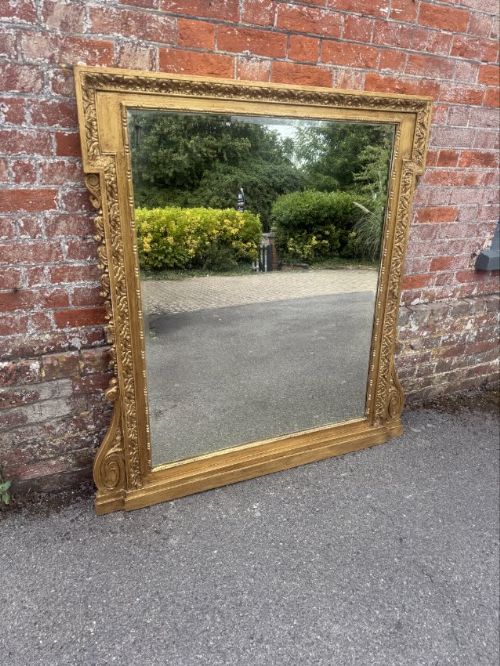
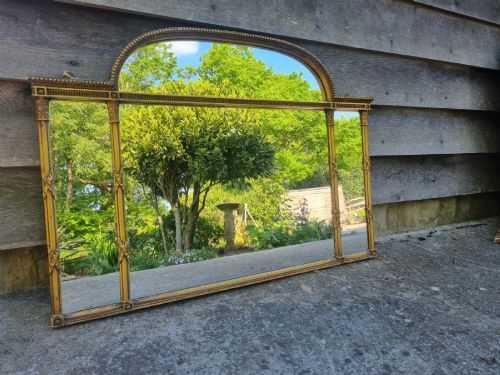
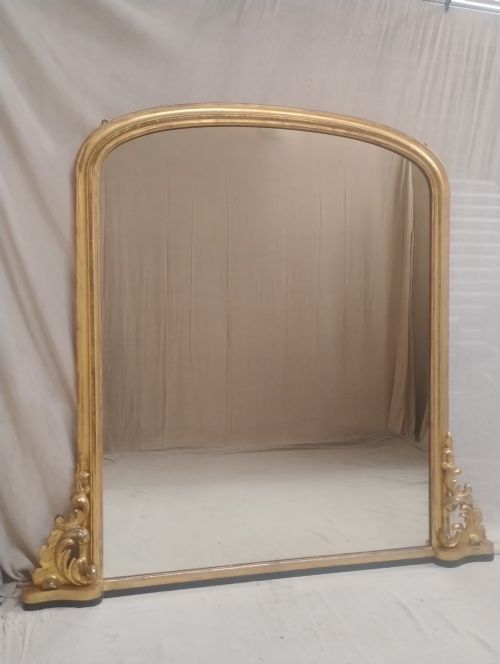
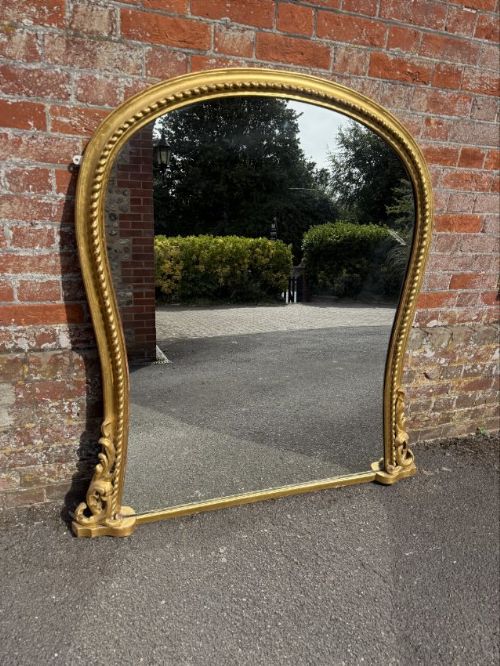
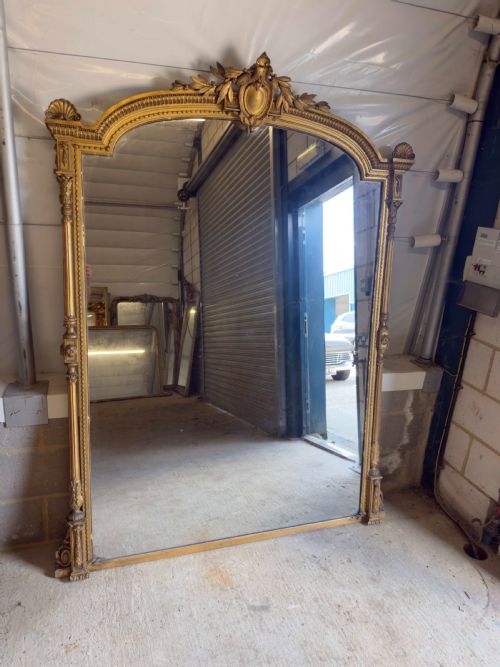
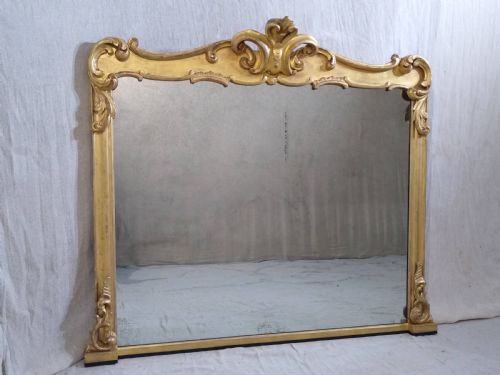
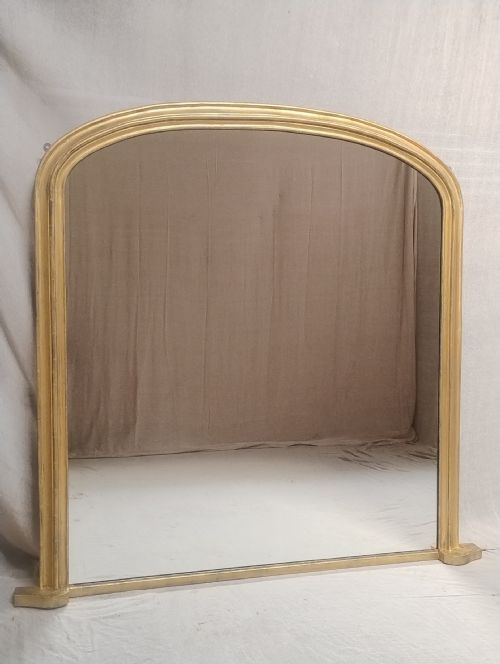
A gilded chimney mirror is designed to sit above the fireplace, serving as a commanding focal point within a room through its grand scale and reflective glass. When searching for a gilded chimney mirror, buyers encounter a prevalence of large overmantel mirrors originating from the nineteenth century, including Regency and Victorian periods.
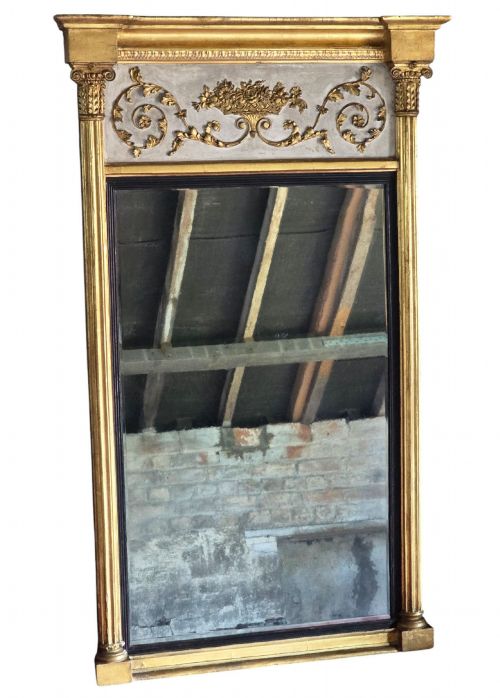
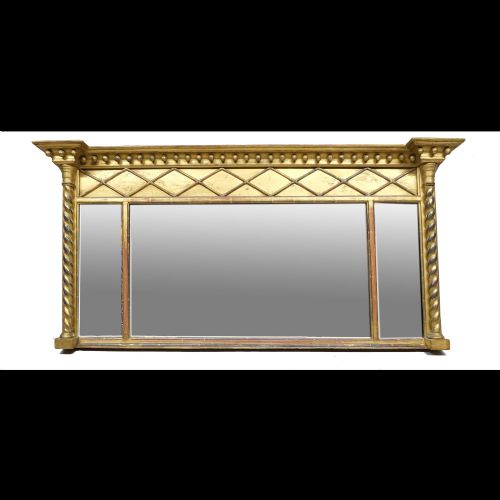
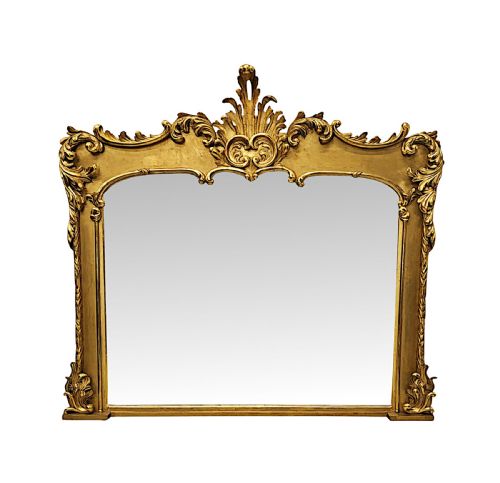
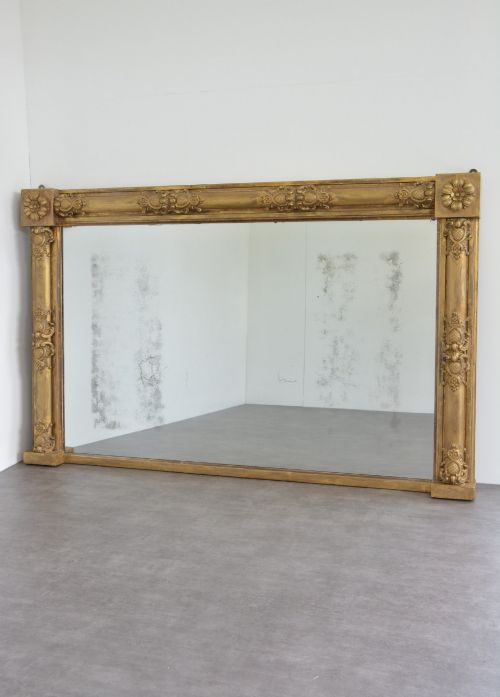
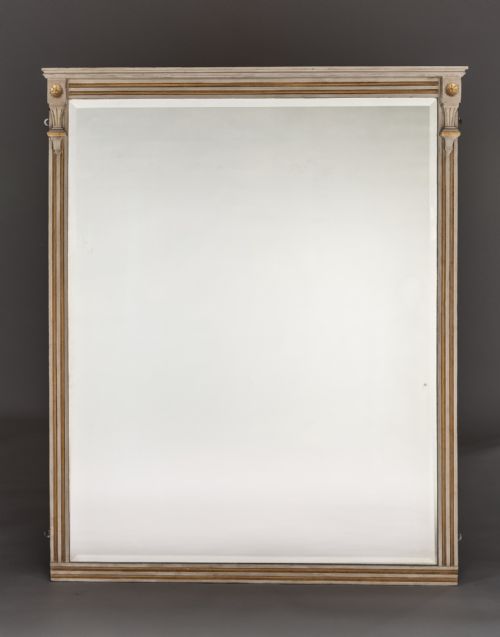
These pieces take several forms, spanning arched top designs, shaped frames, and rectangular formats like pier mirrors or triple-plate configurations. Many incorporate architectural detailing such as rope twist borders, hour glass ribbed frames, or neoclassical motifs.
Origins in the selection range from English workshops to Irish country houses and French Empire trumeau pieces. The visual weight of these frames allows them to anchor high ceilings and interact dynamically with natural daylight from windows.
Materials and Construction
Makers built the foundational framework of these mirrors using carved wood, applying layers of gesso to smooth the surface before laying down gold leaf or paint. Composition ornaments were frequently moulded and applied to the wood and gesso base to achieve intricate relief decorations like scrolls and foliage.
Mirror glass was set into the rebates, sometimes paired with painted panels as seen in trumeau examples or divided into multiple plates for wider formats. Parcel-gilt treatments combined painted surfaces with exposed sections of gold leaf to highlight specific architectural contours.
Watch for rogue squirrels and Ho Ho birds perched atop Irish country house frames.
Quality Variations
The sophistication of the carved wood and gesso ornamentation dictates much of the distinction between standard examples and exceptional pieces. Crisp detailing in rope twist motifs, classical figures, or organic flourishes indicates skilled handwork rather than mass-produced composition mouldings.
The integrity of the original gilding and the character of the mirror glass contribute substantially to a piece's standing. Lightly foxed or original mirror plates demonstrate age, while the depth and warmth of the gold leaf layer reflect the initial investment in materials.
The Gilded Chimney Mirror Glossary
- Giltwood
- Wood that has been coated with gold leaf. This method provides a warm metallic sheen that catches candlelight and daylight alike.
- Gesso
- A plaster-like mixture applied to wood frames to create a smooth surface for gilding. It allows carvers to achieve sharp relief details.
- Overmantel Mirror
- A large mirror specifically proportioned to hang above a mantelpiece. These pieces often span the full width of the fireplace below.
- Trumeau Mirror
- A wall mirror incorporating a painted panel or artwork above the glass plate. Originating in France, they often feature classical motifs.
- Foxed Glass
- Mirror glass showing age-related spots or discoloration behind the plate. This natural oxidation process creates a mottled, atmospheric reflection.
Gilded Chimney Mirror: Frequently Asked Questions
Where should I hang a chimney mirror?
These mirrors were traditionally mounted directly above the fireplace mantelpiece to reflect light and fill the vertical wall space. They also work effectively on any large, uninterrupted wall in a principal room.
Ensuring secure wall fixings is essential due to the substantial weight of carved wood and gesso frames.
How do I identify a Regency period mirror?
Regency pieces often display classical restraint, featuring architectural lines, giltwood frames, and sometimes triple plates or convex formats. Look for balanced proportions and classical motifs derived from Greek and Roman design.
Construction methods and timber types visible on the reverse help confirm the nineteenth-century timeline.
What is foxed glass?
Foxing refers to the natural ageing of the silver backing on mirror glass, resulting in dark spots or cloudy areas. Many collectors value this characteristic because it proves the glass is original to the antique frame.
It softens the reflection without impeding the decorative function of the piece.
How do I clean a gilded frame?
Dust the carved wood and gesso surface gently with a soft, dry brush to prevent damage to the delicate gold leaf. Avoid using water, liquid cleaners, or abrasive cloths that can strip the historic finish.
Professional restoration is recommended if the gesso or gilding shows signs of detachment.