


Ornate Gold Mantel Mirror
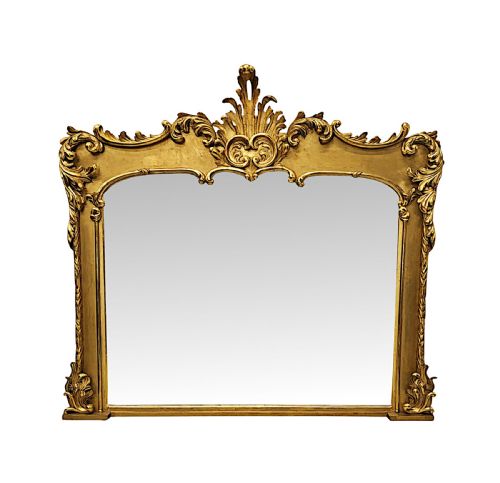
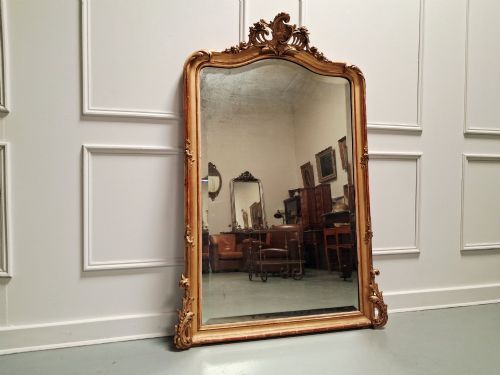
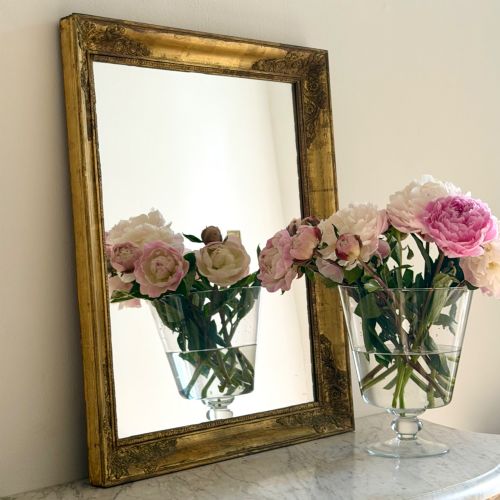
An ornate gold mantel mirror brings dramatic presence to a room, catching the light and anchoring the fireplace wall with historic character.
Ornate Gold Mantel Mirror
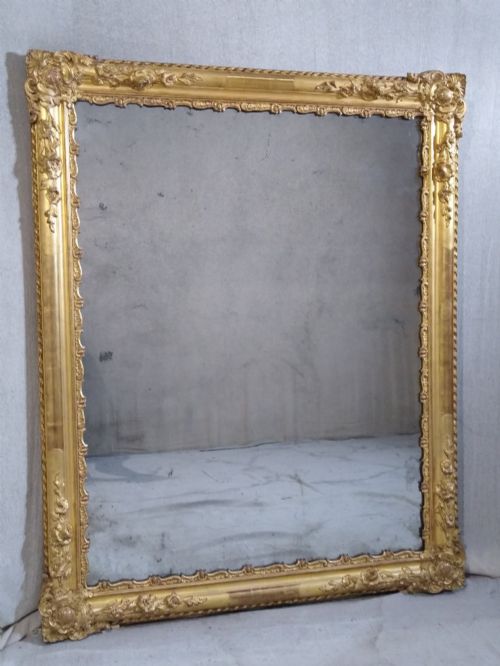
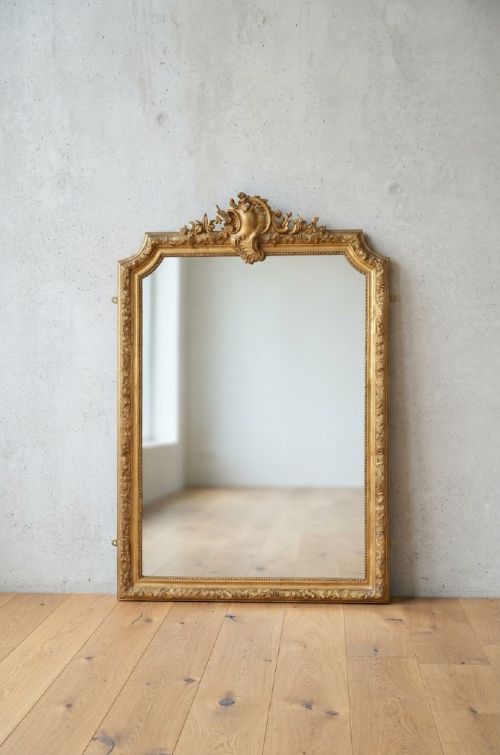
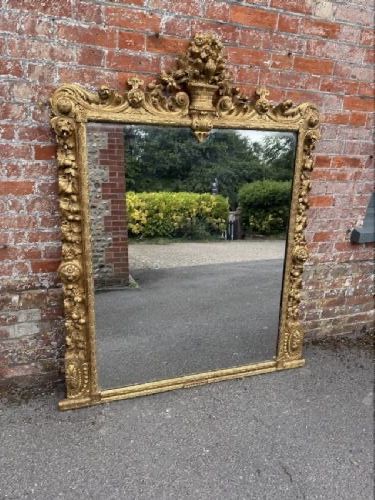
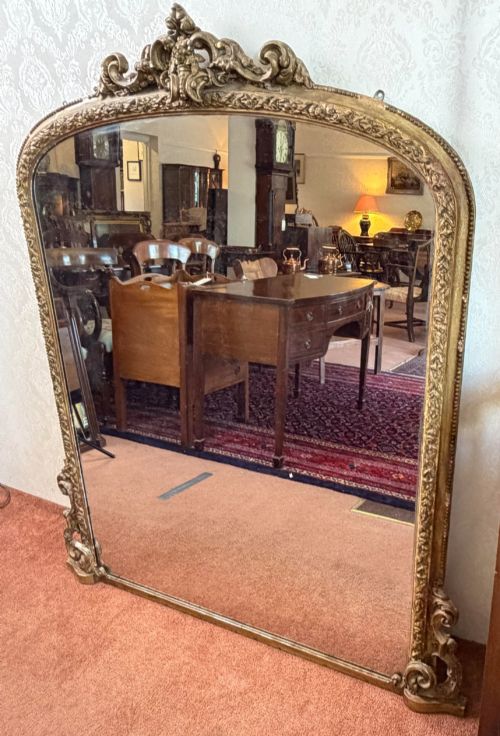
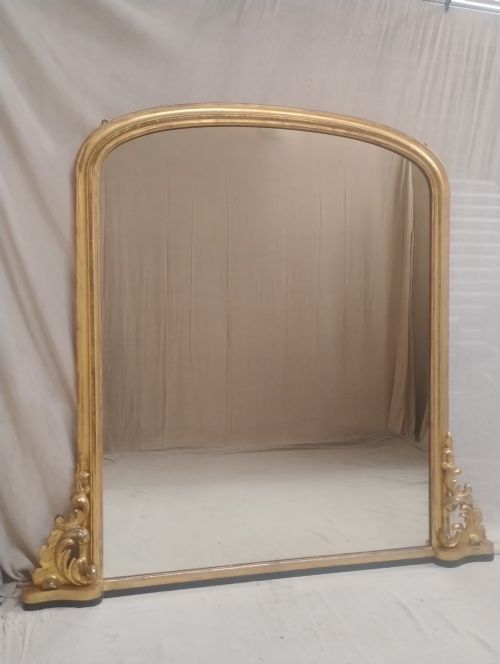
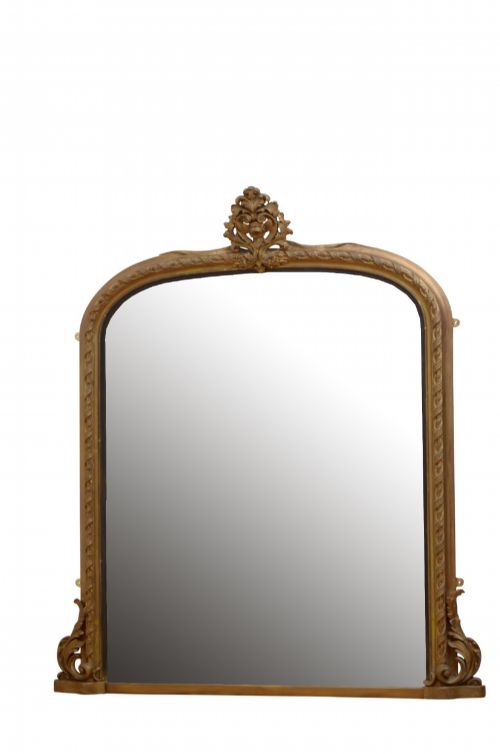
When searching for an ornate gold mantel mirror, collectors find large-scale overmantel glasses designed to sit directly above a fireplace hearth. These pieces span the eighteenth, nineteenth, and early twentieth centuries, drawing heavily upon French and English design traditions.
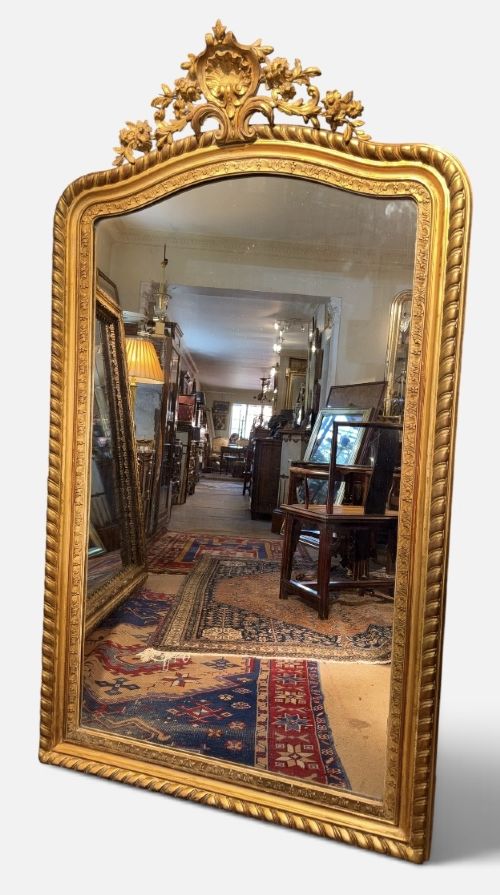
The most common version met on this page is the nineteenth-century overmantel mirror, often shaped with an arched top or a heavily decorated swept frame. English and French workshops produced these substantial items to dominate drawing rooms and parlours with gilded splendour.
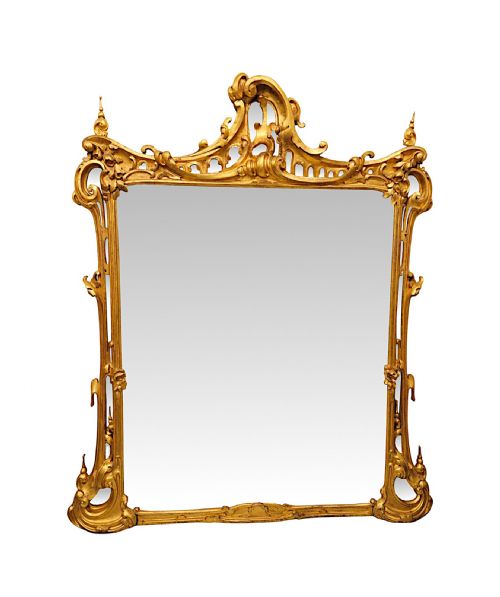
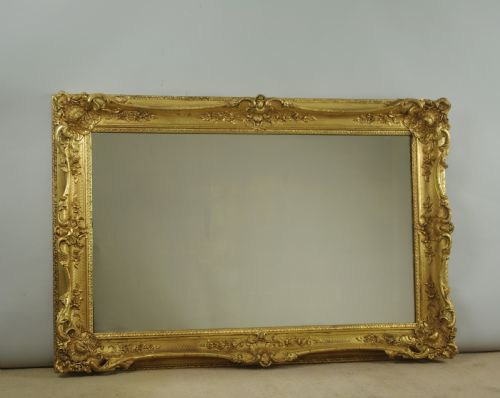
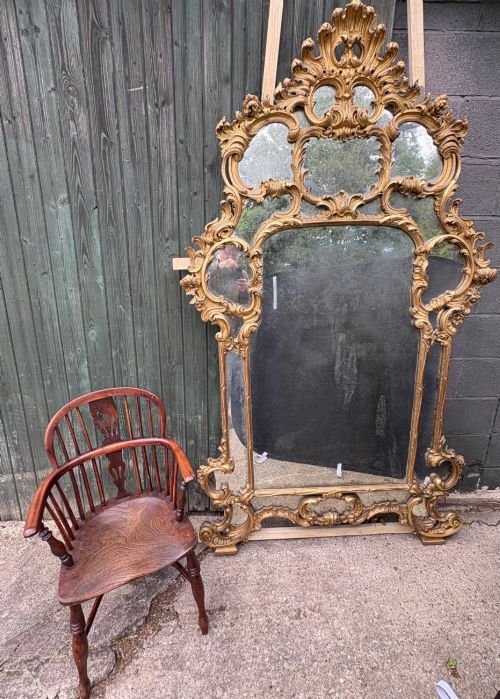
Beyond standard overmantels, the selection encompasses wall mirrors, oval panel formats, and Chinese Chippendale styles. Period examples range from Georgian and Victorian eras through to Rococo Revival interpretations.
How they were made
Carved wood and gesso form the structural foundation of these frames, providing a stable base for intricate ornamentation. Artisans applied thin layers of gold leaf or oil gilt over the prepared gesso surfaces to achieve a brilliant metallic finish.
Composition material, a pliable paste of resin, whiting, and glue, was frequently pressed into moulds to create repetitive scrollwork, foliate cresting, and elaborate relief details quickly. This technique allowed makers to produce deeply dimensional frames efficiently.
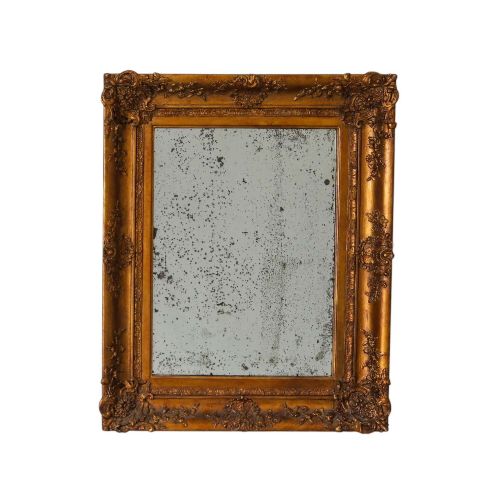
Mirror glass plates were traditionally hand-silvered or integrated with historic bevelled edges, occasionally acquiring a natural foxed appearance over decades of oxidation. The heavy glass was then secured into the rebated wooden frame using traditional backing boards and fixings.
Ornate Gold Mantel Mirror Retail Price Guide 2026
Typical asking prices for ornate gold mantel mirror among the pieces listed under this phrase on Sellingantiques today, from the lower quarter to the upper quarter. They describe what is for sale here now, not the wider market.
Several mirrors carry the quiet whispers of centuries past in their foxed glass plates, reflecting rooms through a gentle haze of age.
What varies in quality
The depth and crispness of the carving distinguish finer pieces from standard production, as master carvers achieved sharper undercut foliage and more fluid asymmetrical scrolls in wood. Lesser examples rely heavily on thick composition mouldings that can appear rounded or heavy-handed.
The choice of gilding technique alters the visual depth of the surface, with genuine gold leaf offering a warmer, more enduring lustre than oil gilding or later paint applications. Original mercury or early silvered glass plates also retain a softer, undulating reflection compared to modern replacements.
The Ornate Gold Mantel Mirror Glossary
- Gesso
- A plaster-like mixture applied to wood frames to create a smooth surface for gilding. It provides the necessary base for detailed carving and moulding.
- Giltwood
- Timber that has been coated with gold leaf or metallic powder. This material defines the luxurious finish of classical mantel mirrors.
- Overmantel
- A large mirror specifically proportioned to hang on the wall above a mantelpiece. These pieces often feature horizontal or arched formats designed to bridge the gap between hearth and ceiling.
- Rococo
- An ornate design style characterised by asymmetrical scrolls, C-curves, and naturalistic shell motifs. It heavily influenced nineteenth-century revival frames.
- Foxed
- A term for mirror glass that has developed spots and discolouration due to age and moisture reaching the silvering behind the plate. Collectors often prize this characteristic for its authentic antique appearance.
- Composition
- A moulded mixture of glue, resin, and chalk used to create decorative frame ornaments. It allowed makers to achieve elaborate relief work without hand-carving every detail.
Ornate Gold Mantel Mirror: Frequently Asked Questions
How do I hang a heavy overmantel mirror?
These substantial frames require secure fixing directly into wall studs or masonry using heavy-duty brackets suited to the weight of the timber and glass.
Professional installation is strongly advised to ensure the mirror remains safely supported above the mantelpiece.
Are these mirrors meant to sit on the mantel?
Many nineteenth-century overmantels were engineered to rest directly upon the marble or wooden mantel shelf while being anchored to the wall for stability.
Others are designed to hang entirely from wall fixings at a chosen height above the fireplace.
How do I date an antique gold mirror?
Dating relies on examining the construction methods of the wooden frame, the composition of the gesso, and the characteristics of the glass plate.
Stylistic cues such as Victorian Rococo Revival motifs or Georgian foliate cresting also point to specific periods of manufacture.
How should I clean a gilded frame?
Dust the intricate carved wooden and gesso surfaces gently with a soft, dry brush to avoid disturbing the fragile gold leaf.
Water and chemical cleaning agents must be kept away from both the antique gilding and the delicate edges of the mirror plate.