

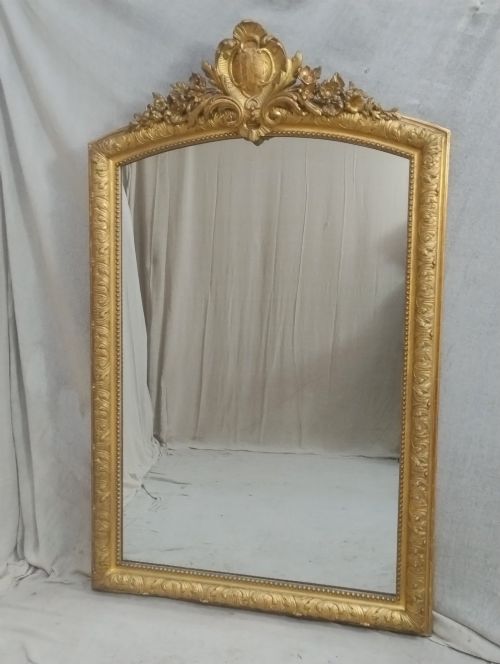



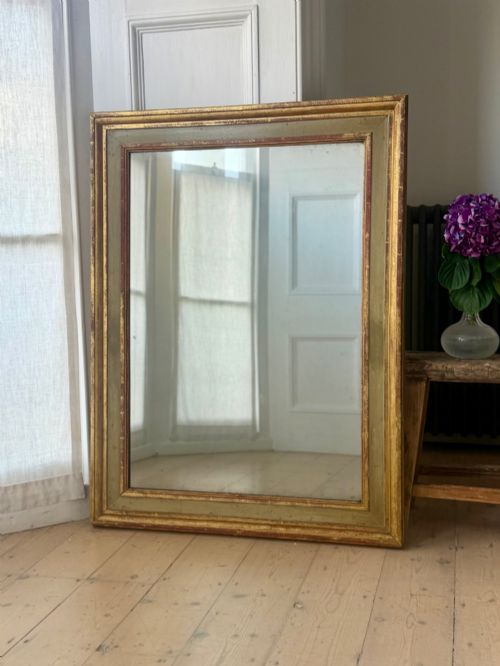
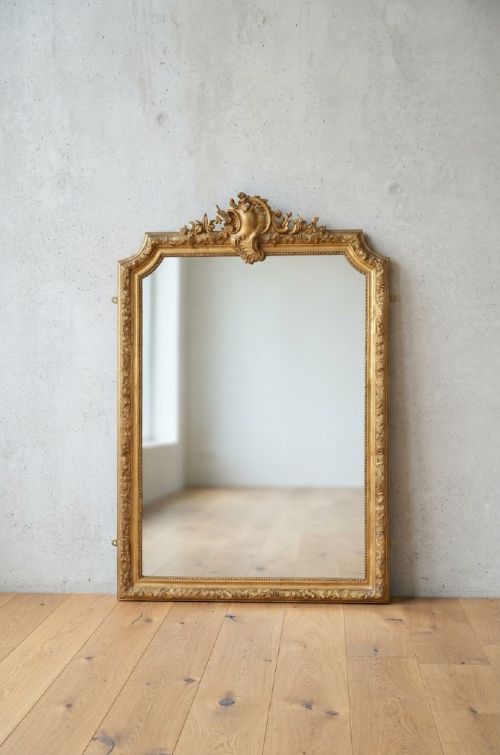
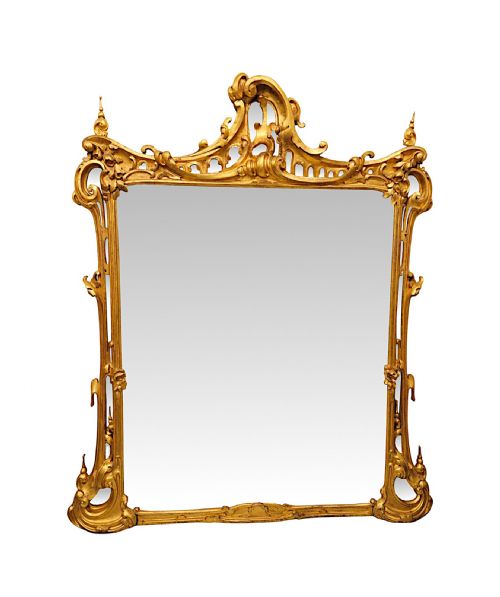
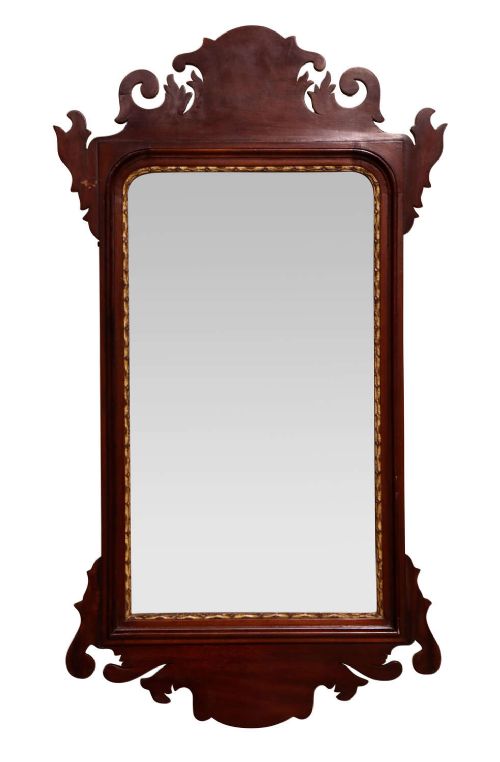
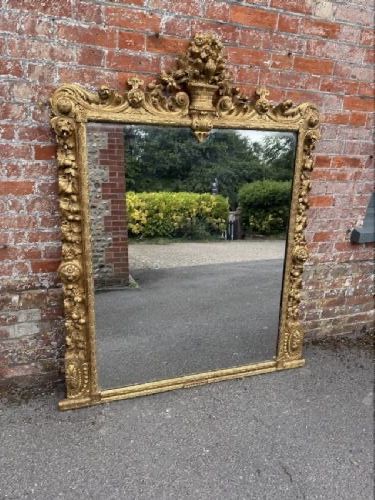
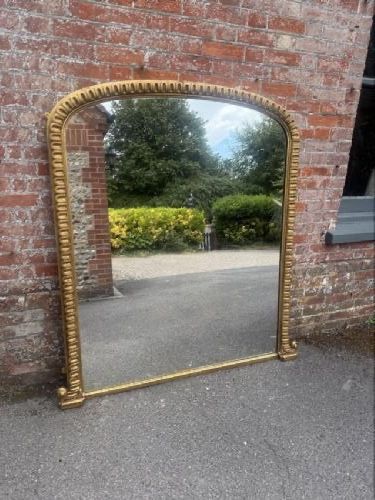
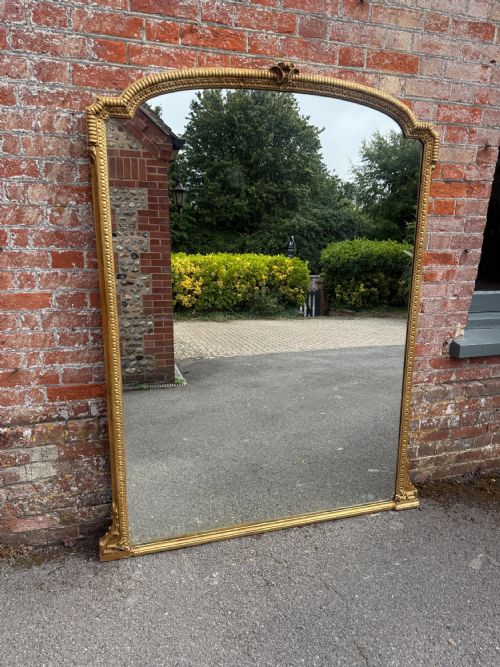
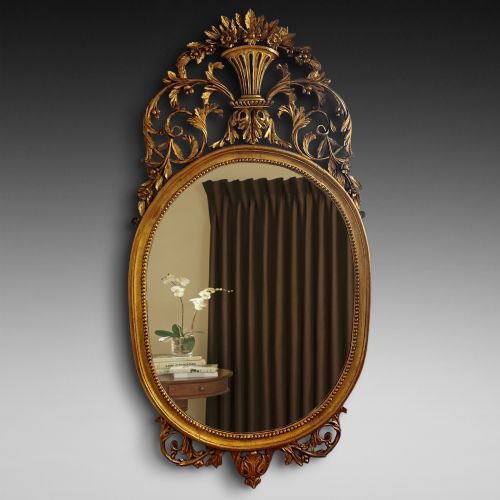
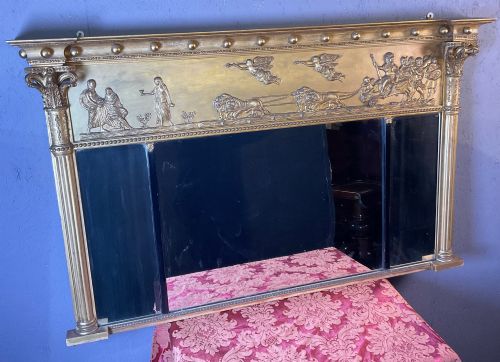
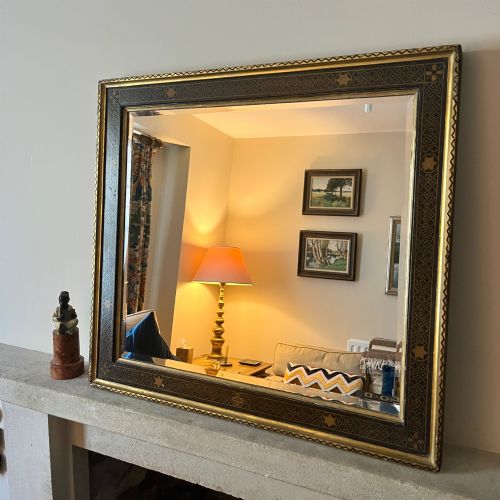
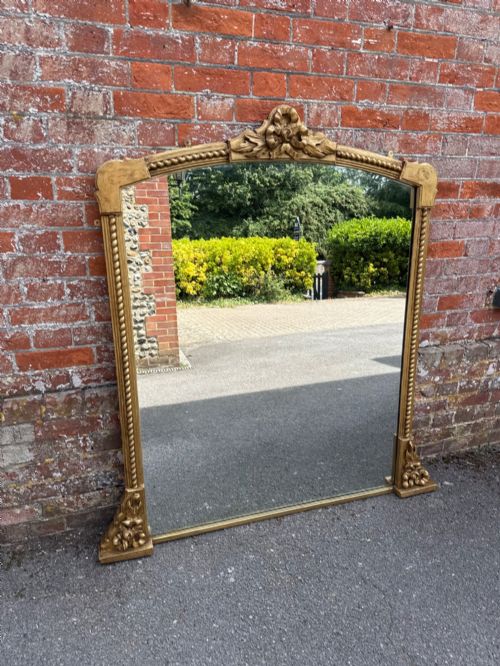
Gilt Wood Mantel Mirror
A gilt wood mantel mirror brings architectural presence and reflected light to a room through centuries-old craftsmanship.
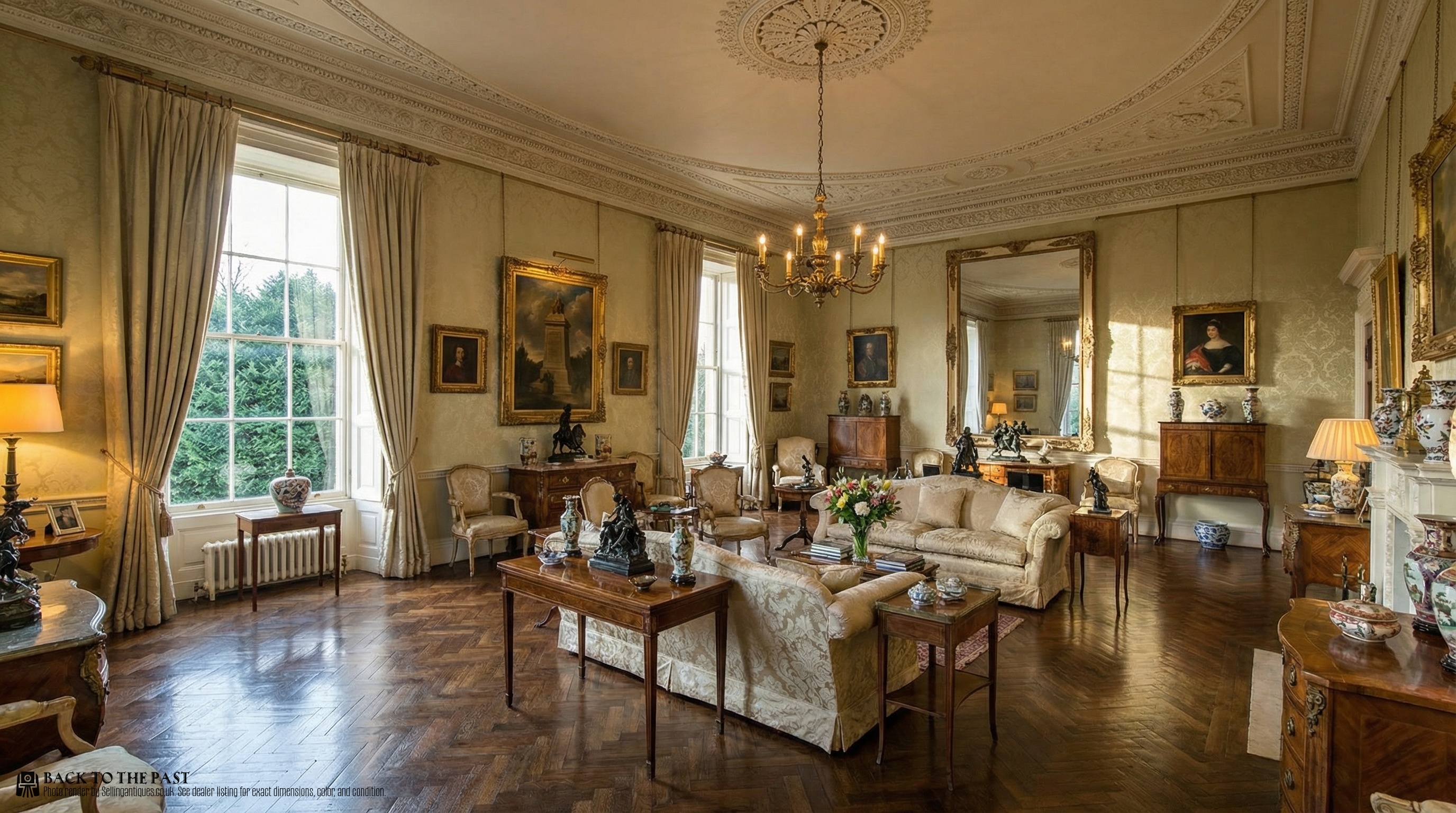
Gilt Wood Mantel Mirror
A gilt wood mantel mirror serves as a monumental focal point above a fireplace, designed to anchor a room and bounce natural light across the interior. These pieces range from grand Victorian overmantels to refined Georgian and Regency wall-hung designs.
The pieces on this page are predominantly 19th-century examples, spanning the Victorian era, the French chateau style, and Chippendale or Neoclassical revivals. Overmantel mirrors dominate the selection, offering substantial proportions intended to sit directly on a mantelpiece shelf.
Originating from English country houses and French salons alike, these mirrors combine utilitarian glass with elaborate wooden frames. Buyers will encounter arched tops, rectangular formats, and multi-plate compositions framed in gilded ornament.
How they were made
Makers carved wooden substrates from timber such as mahogany, pine, or general carved wood, building up complex architectural and floral motifs with layers of gesso. This plaster-like mixture allowed artisans to carve intricate details before applying the finishing touches.
Guilders applied gold leaf or oil gilt over the prepared surfaces, sometimes combining the metallic finish with painted elements or ebonised details. Early plates utilised mercury glass, which often develops a characteristic foxed patina over time.
Frames frequently feature structural joinery designed to support heavy glass plates, utilising stretcher bars or robust backboards to maintain stability across large spans.
Gilt Wood Mantel Mirror Retail Price Guide 2026
Typical asking prices for gilt wood mantel mirror among the pieces listed under this phrase on Sellingantiques today, from the lower quarter to the upper quarter. They describe what is for sale here now, not the wider market.
Listings feature 19th-century periods alongside Georgian and Victorian eras, utilising materials including gesso, carved wood, and gold leaf.
What varies in quality
The depth and crispness of the hand-carved gesso ornamentation distinguish exceptional examples from simpler production. Superior pieces exhibit deeply undercut foliage, sharp moulding profiles, and well-preserved gilding that retains its original burnished lustre.
The integrity of the mirror plate itself influences desirability, with original mercury glass or period silvered plates carrying distinct historic value compared to later replacements. Frame construction depth and the survival of original backboards also indicate higher craftsmanship.
The Gilt Wood Mantel Mirror Glossary
- Gesso
- A prepared mixture of chalk, gypsum, and glue used as a base for moulding intricate relief decoration on wood frames before gilding.
- Giltwood
- Timber that has been coated with thin sheets of gold leaf or metallic powder, creating a luminous decorative surface.
- Overmantel
- A large mirror specifically proportioned to be hung or placed on the mantelpiece directly above a fireplace opening.
- Foxed plate
- Mirror glass showing age-related spots, darkening, or degradation of the reflective backing, often found on early pieces.
- Trumeau
- A decorative wall mirror or panel featuring an oil painting or carved motif integrated into the upper section of the frame.
Gilt Wood Mantel Mirror: Frequently Asked Questions
How do I hang a heavy overmantel mirror?
These pieces are exceptionally heavy due to the solid wood frames and thick glass plates. Professional wall anchoring into secure studs or masonry is essential for safety.
Many period mirrors were originally designed to rest directly on the mantel shelf while secured to the wall with hidden strap brackets to prevent tipping.
What is the difference between an overmantel and a wall mirror?
Overmantel mirrors are traditionally wider than they are tall, or built with specific horizontal proportions to match the span of a fireplace breast. They frequently feature flat or shaped bases designed to sit flush against a mantel shelf.
Standard wall mirrors are built for general hanging at eye level and lack the specific landscape orientation required for traditional fireplace placement.
How do I clean an antique giltwood frame?
Dust the intricate carved gesso surfaces gently using a very soft dry brush or a feather duster. Moisture and modern chemical cleaners will strip the delicate gold leaf and damage the historic finish.
Keep the glass clean using a lint-free cloth and a minimal amount of glass cleaner applied to the cloth rather than sprayed directly onto the plate.
How can I tell the age of a giltwood mirror?
Examine the construction of the wooden backboards, the type of nail or screw fixings used, and the composition of the gesso mouldings. Nineteenth-century pieces often display hand-sawn timber and distinct tool marks behind the frame.
The condition of the mirror plate, such as foxing or distortion in the glass, also offers clues regarding whether the glass is original to the period.