



Large Victorian Wall Mirror
A large victorian wall mirror brings architectural scale and reflected light into a room, spanning grand overmantles and tall proportions.
Large Victorian Wall Mirror
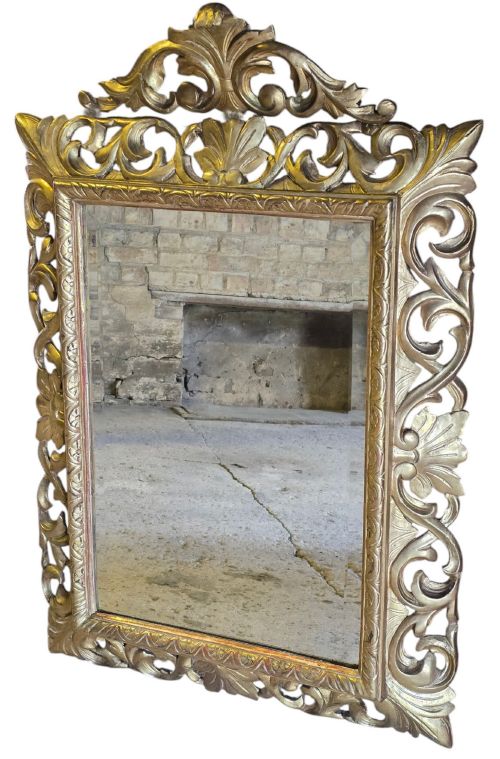
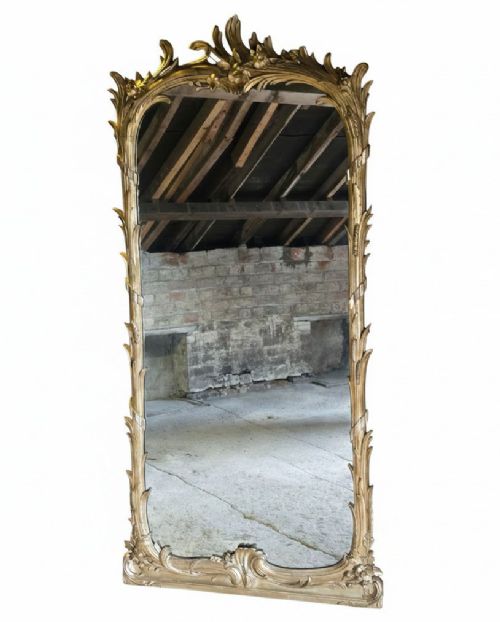
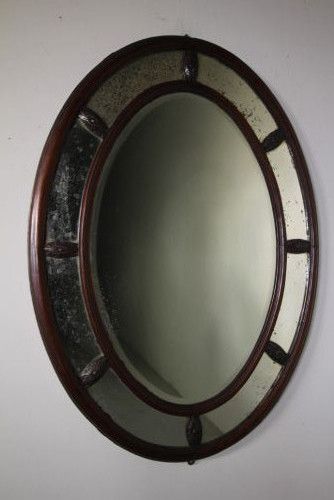
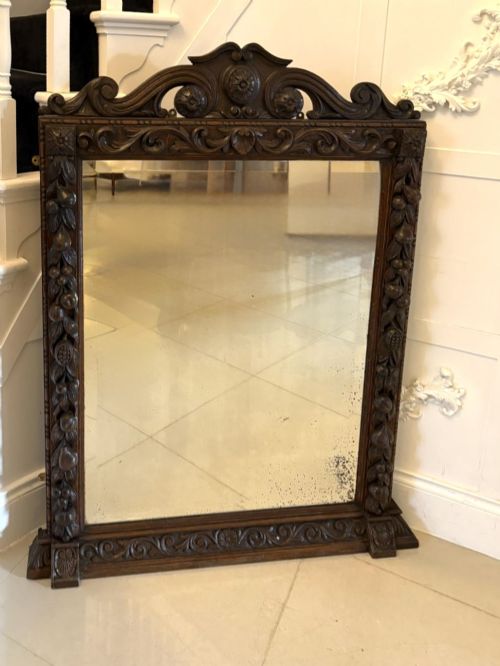
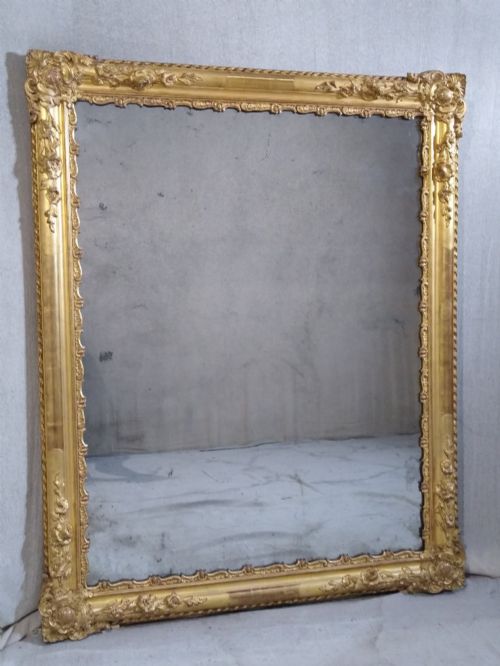
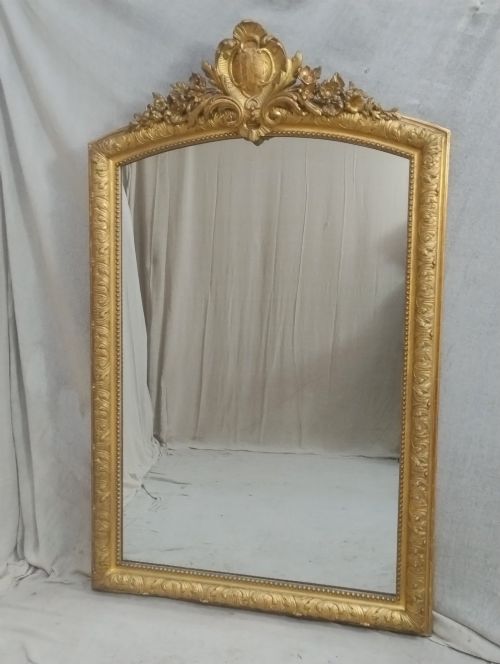
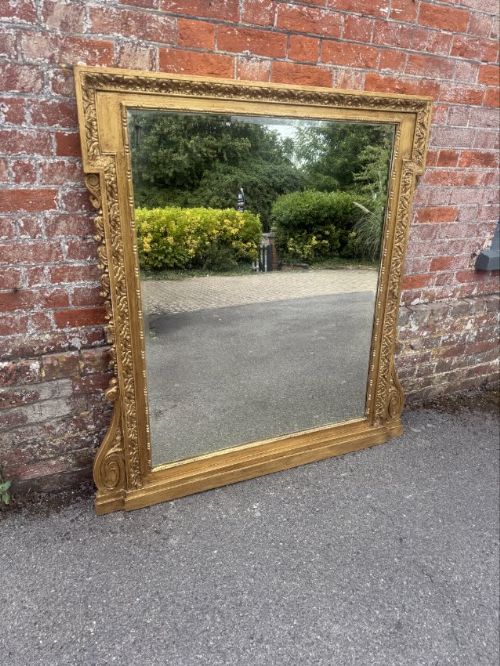
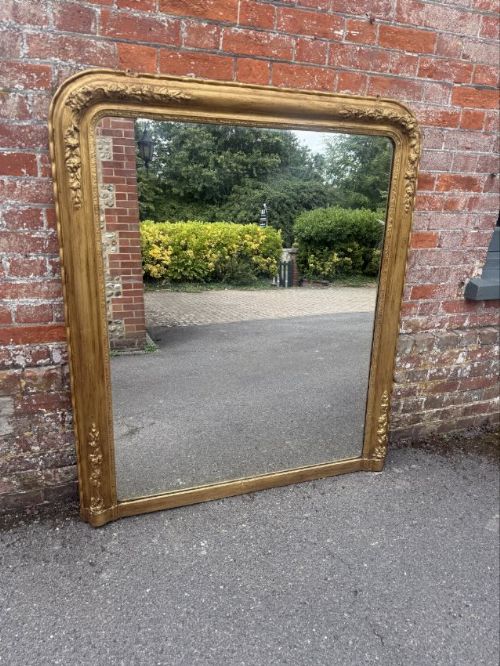
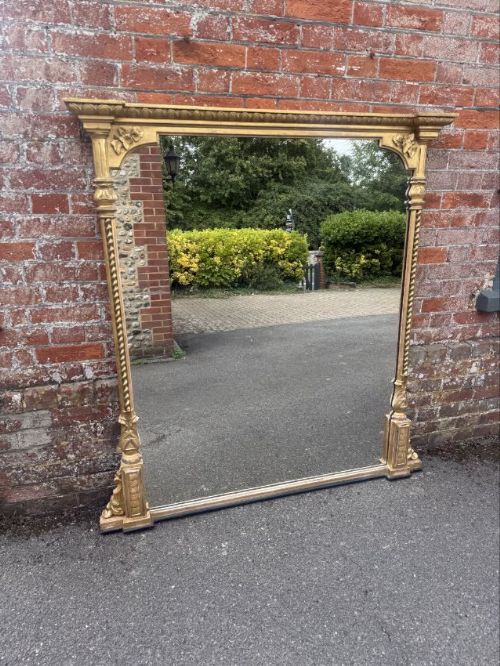
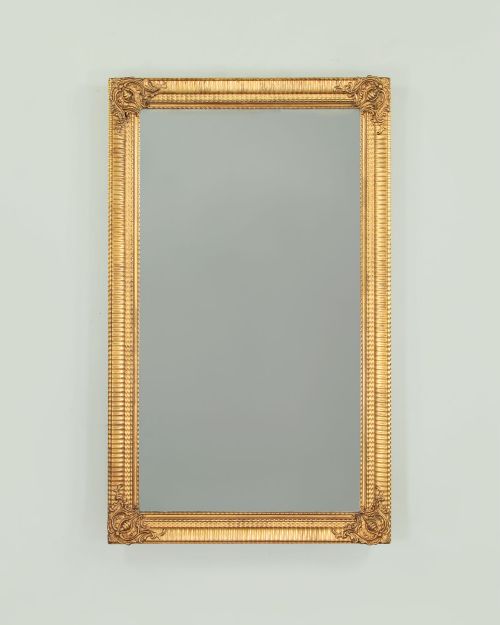
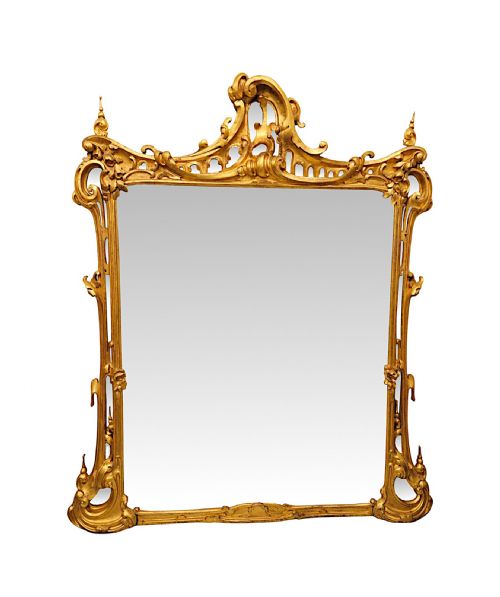
A large victorian wall mirror primarily takes the form of an overmantle or heavy wall-hanging glass, spanning decades from the mid to late nineteenth century. These pieces appear in rectangular, arched, oval and triple plate formats, designed originally to anchor the space above a fireplace or dominate a principal reception room. The material record points consistently to English and French workshops producing substantial statement objects.
The heavy timber frames use woods such as oak, mahogany, walnut and rosewood, whilst gilt versions apply gold leaf over gesso and carved wood. Stylistic influences draw on French Rococo Revival, Louis Philippe and Chinese Chippendale aesthetics alongside native Victorian interpretations. Buyers encounter everything from restrained mahogany ovals to monumental gilded architectural frames.
Materials and Construction
Makers built these frames using solid timber carcasses of oak, mahogany, walnut or pine, frequently enriched with applied gesso and composition ornaments to create complex relief details. Carved wood foundations received meticulous applications of gold leaf or gilt paint, sometimes combined with ebonised sections. Frames were constructed with robust joints to support the considerable weight of thick mirror glass.
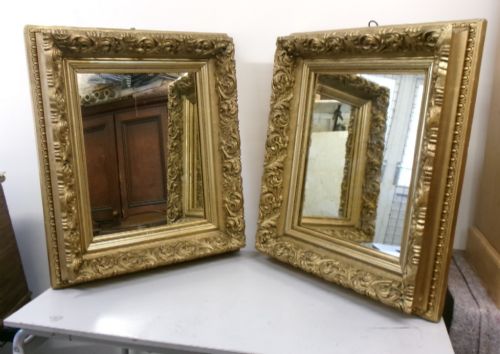
Mirror plates were set into the frames, occasionally utilising multiple plates or marginal mirror borders to catch the light from different angles. Traditional joinery and heavy backing boards secured the glass, while the application of gesso allowed artisans to model elaborate scrolls, crests and rope twist motifs before gilding.
Large Victorian Wall Mirror Retail Price Guide 2026
Typical asking prices for large victorian wall mirror among the pieces listed under this phrase on Sellingantiques today, from the lower quarter to the upper quarter. They describe what is for sale here now, not the wider market.
Materials recorded across the inventory include giltwood, gesso, oak, mahogany, walnut, rosewood and composition.
Distinctions in Execution
The distinction between standard domestic pieces and exhibition quality examples rests on the depth and crispness of the carving and the purity of the gilding. Superior items display finely hand-carved wooden details rather than repetitive composition mouldings, and the gold leaf retains a warm, multi-layered lustre.
Structural heft and the retention of original mirror plates distinguish the finest survivals. Thick timber frames that remain true without excessive warping, combined with heavy original glass showing authentic age, mark the upper tier of the range.
The Large Victorian Wall Mirror Glossary
- Overmantle
- A large mirror designed specifically to hang on the wall directly above a fireplace mantelpiece. These pieces often feature low-slung bases or arched tops suited to architectural chimney breasts.
- Gesso
- A plaster-like mixture applied to wooden frame bases to provide a smooth surface for carving or gilding. Artisans could model intricate relief patterns into the wet gesso before applying gold leaf.
- Giltwood
- Timber that has been coated with gold leaf or gilt paint for a lustrous metallic finish. It forms the primary visual vocabulary of grand nineteenth-century interior decoration.
- Pier glass
- A tall mirror designed to hang on the wall space between two windows, known as the pier. These pieces frequently match console tables placed below them.
- Composition
- A moulded mixture of whiting, resin, glue and oil pressed into metal dies to create decorative ornaments. It was applied to wooden frames as a cost-effective alternative to hand carving.
Large Victorian Wall Mirror: Frequently Asked Questions
Where should I hang a large victorian wall mirror?
These mirrors suit chimney breasts as traditional overmantles or principal reception walls where their scale can reflect maximum light. Ensure the wall structure can support substantial weight.
Position the glass at a height that captures interior views and architectural elements rather than blank ceilings.
How do I date a large victorian wall mirror?
Examine the timber species, frame construction methods and style motifs to narrow down the decade of production. Mid-century examples often lean towards architectural gilt overmantles, while later decades introduce varied woods.
Backing boards, screw types and the characteristics of the mirror plate itself provide further clues to age.
Are original mirror plates common?
Many pieces retain their original glass, which displays characteristic soft oxidation, light speckling or minor distortion. Original plates contribute significantly to the character and period integrity of the object.
Replacements occur where historical damage necessitated new glass during the item's long lifespan.
How do I clean and care for the frame?
Dust giltwood and carved frames gently with a dry, soft brush to protect fragile gesso and gold leaf surfaces. Avoid chemical sprays or moisture that can degrade antique finishes.
Clean the glass with a mild solution applied to a cloth rather than sprayed directly near the wooden rabbet.