

Overmantel Pier Mirror
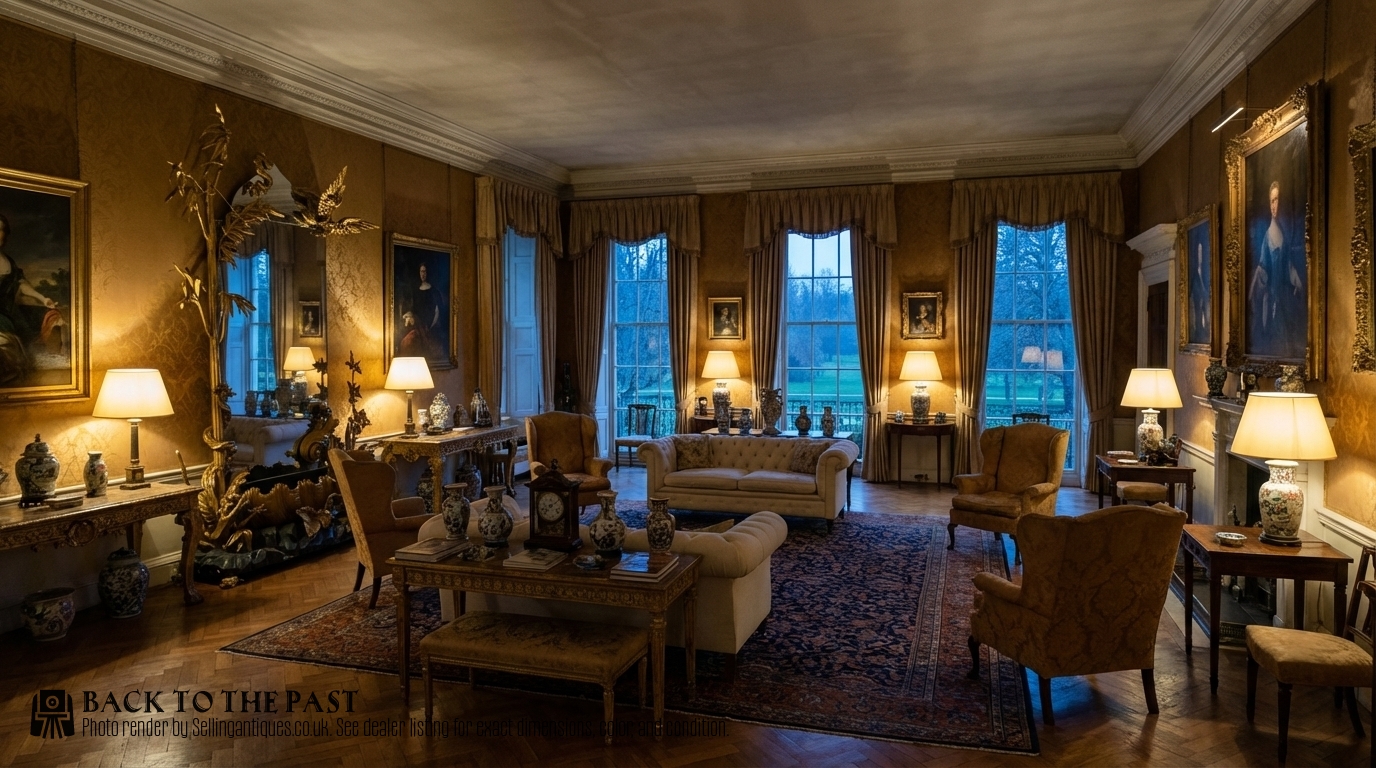
An overmantel pier mirror brings architectural depth and reflected light to a room, making it an essential centrepiece for traditional interiors.
What these pieces are
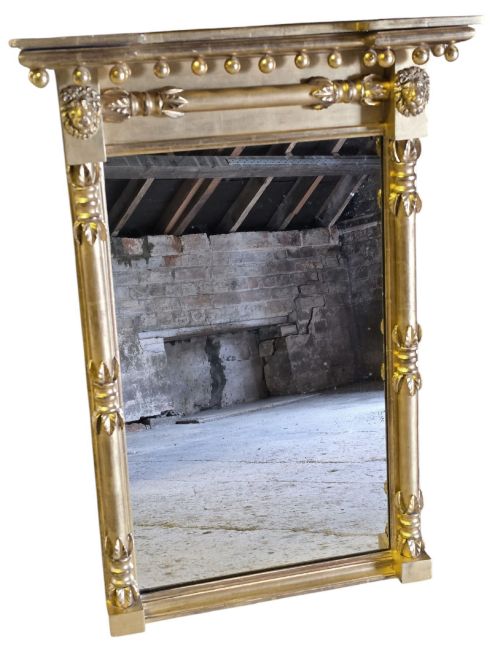
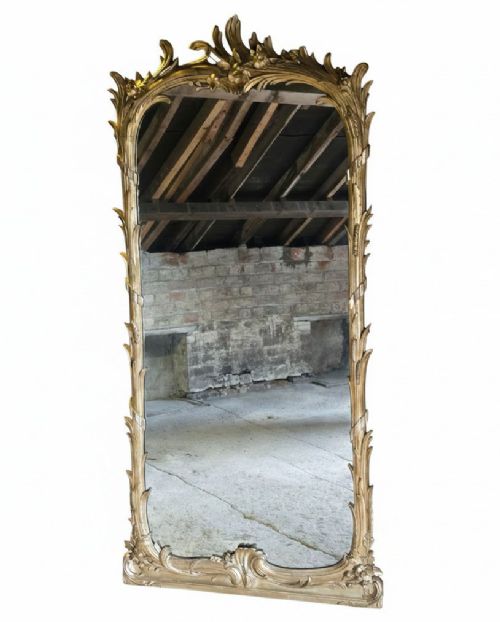
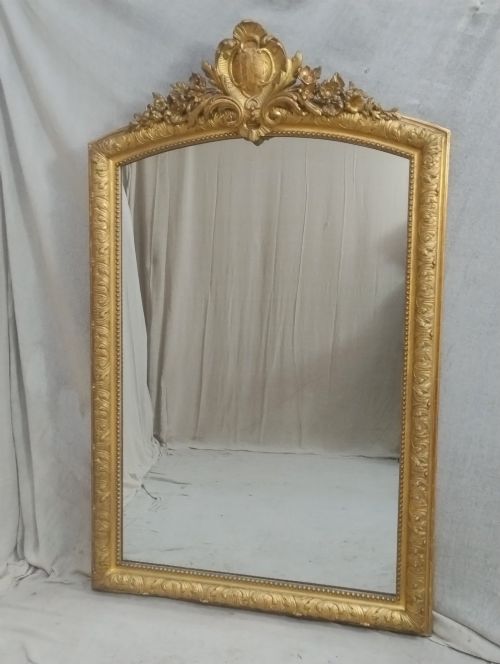
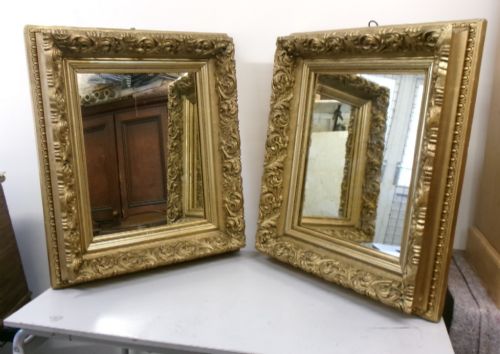
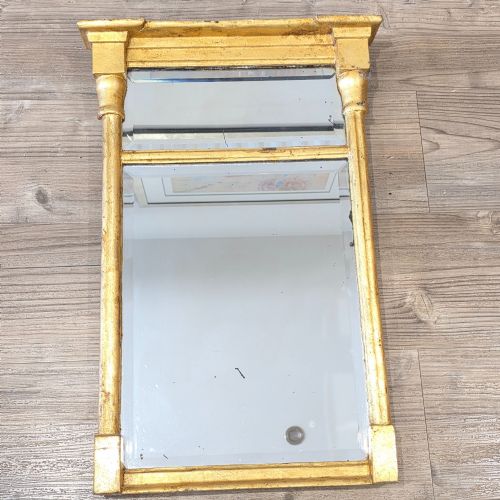
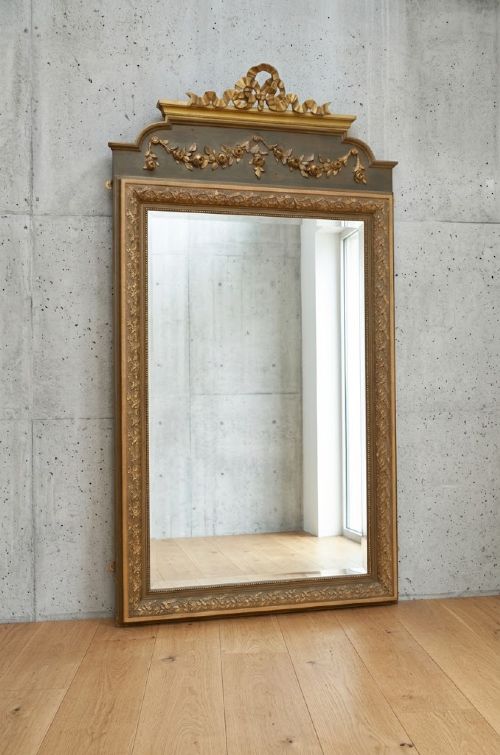
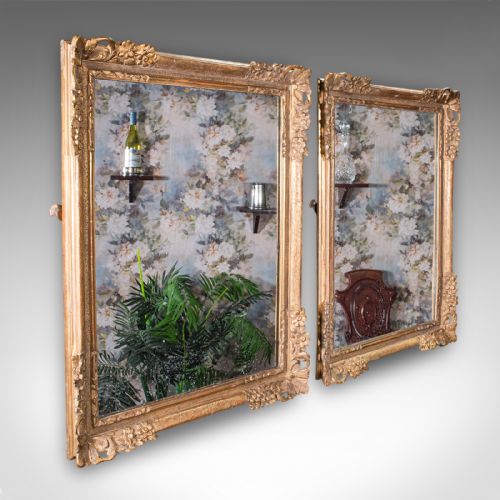
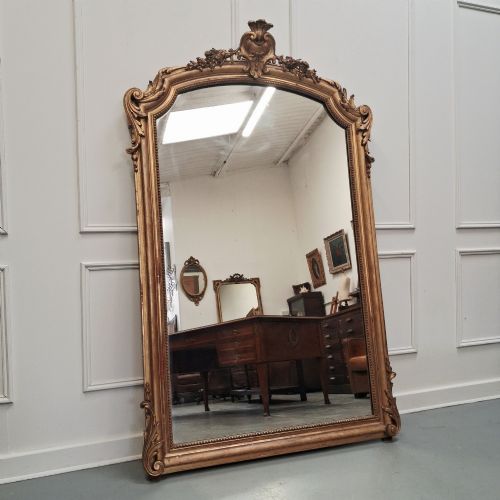
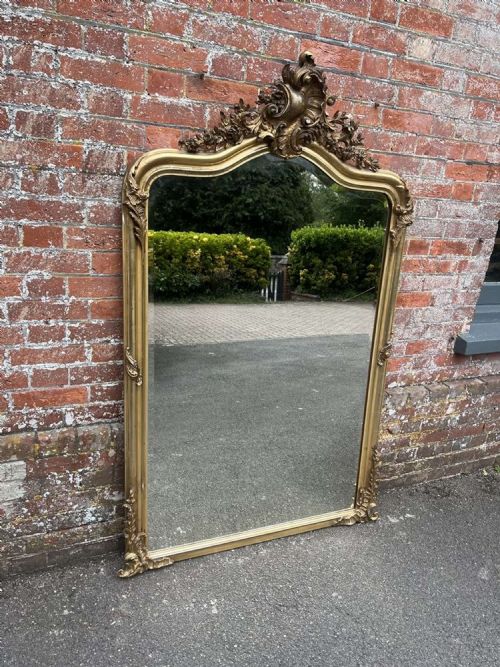
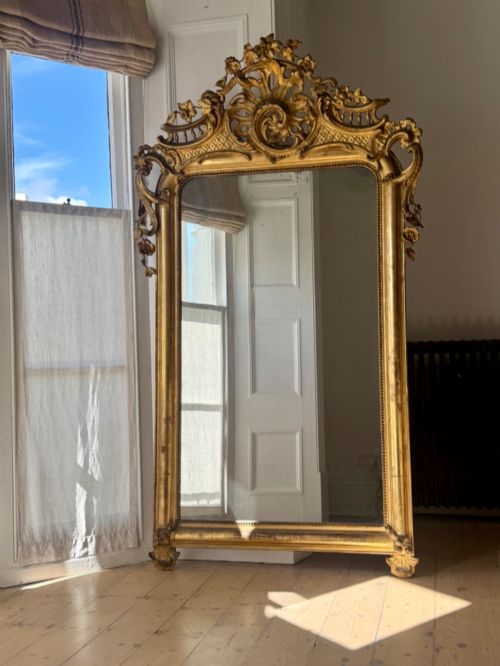
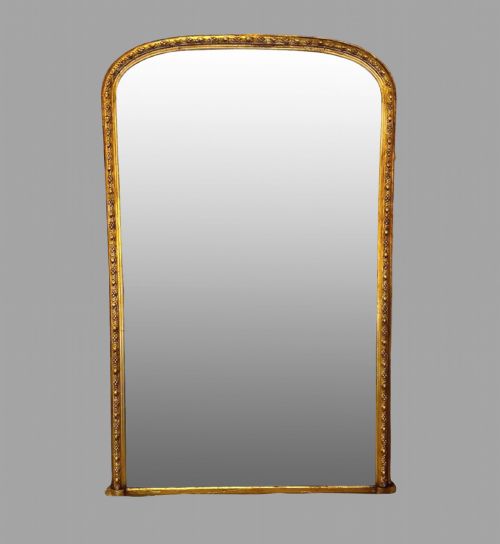
When you search for an overmantel pier mirror, you are looking at substantial wall-hanging looking glasses designed to sit above a mantelpiece or between architectural pillars. The versions you are most likely to meet on this page span the Regency, Victorian, and later periods, capturing centuries of decorative tastes.
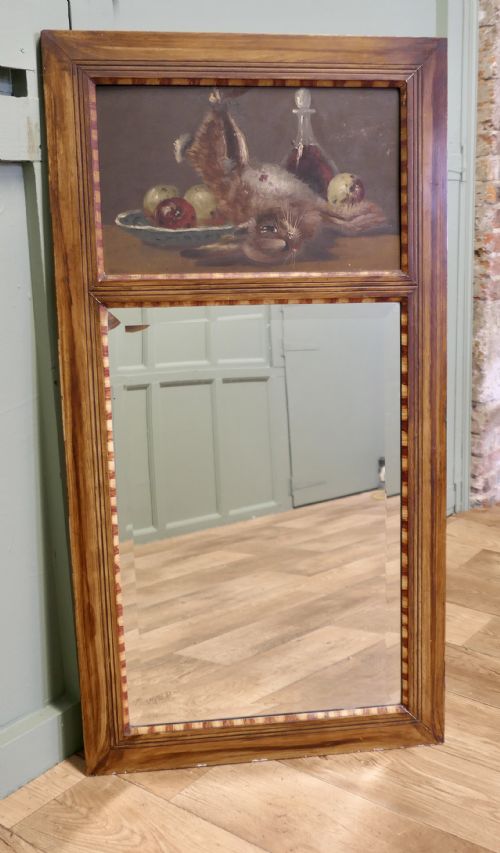
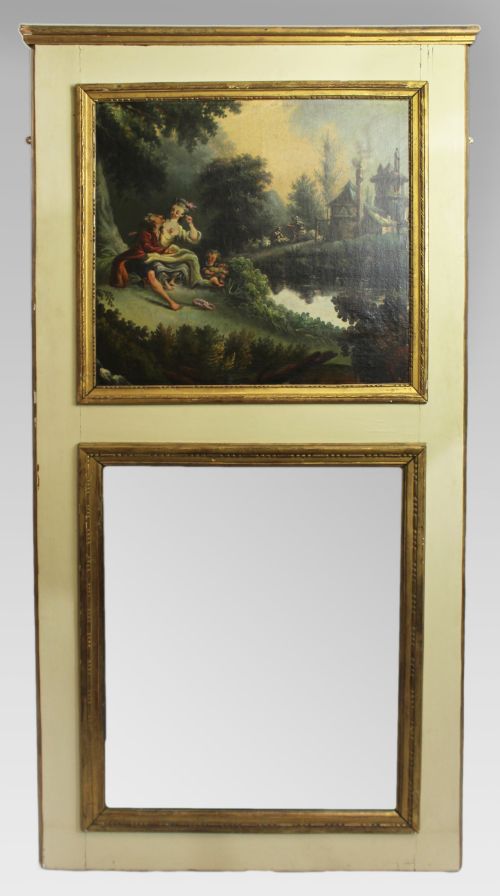
The objects take several forms, including wall mirrors, pier mirrors, and trumeau panels featuring eglomisé glass. Their origins bridge English craftsmanship and French Chateau influences, often adapting neoclassical or rococo revival aesthetics for domestic reception rooms.
How they were made
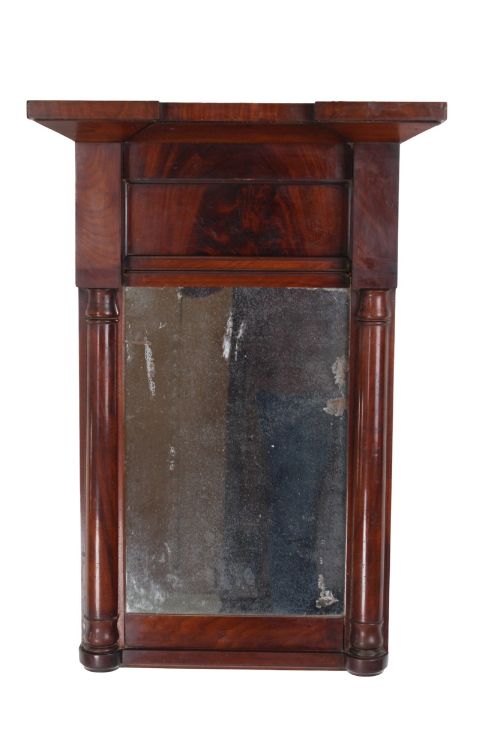
The construction of these mirrors relies on traditional timber framing combined with applied decoration. Makers utilised mahogany, flame mahogany veneer, and carved wood as structural bases, often applying gesso to create crisp relief details before finishing.
Giltwood finishes were achieved through the application of gold leaf over prepared surfaces. Mirror glass and specialised eglomisé panels were integrated into the frames, sometimes utilising stamped metal markers or structural elements specific to nineteenth-century workshops.
Retail Price Guide 2026
Typical UK retail prices for overmantel pier mirror, calculated from the Sellingantiques database of over a million retail prices indexed since 2003. This retail price guide relies exclusively on Sellingantiques data; no external sources or auction records are used, so the figures do not describe the wider market.
Some Victorian mirrors incorporate watchful carved griffins perched atop the frame, standing guard over your reflection.
What varies in quality
The distinction between standard examples and the top of the range lies in the depth and crispness of the carved wood and the finesse of the giltwood finish. Pieces featuring detailed ornamental work, such as carved griffins or integrated eglomisé glass panels, demonstrate superior craftsmanship.
Structural integrity and the quality of the primary timber, particularly figured flame mahogany veneer or heavy carved giltwood, dictate the overall calibre of an item. Maker attribution, such as stamps from prominent nineteenth-century firms, further elevates the standing of a piece.
Nosotti
The Overmantel Pier Mirror Glossary
- Overmantel pier mirror
- A large looking glass designed to hang on the wall above a fireplace mantelpiece or between windows. These pieces often incorporate architectural framing and decorative crests.
- Eglomisé
- A decorative technique involving the application of gilding and painting to the reverse side of glass panels. It frequently appears on panels situated above the main mirror plate.
- Giltwood
- Timber carved and subsequently covered with thin sheets of gold leaf. This material defines the ornate frames of many nineteenth-century examples.
- Gesso
- A plaster-like mixture applied to wood frames to provide a smooth base for carving and gilding. It allows for intricate, sharp ornamental details.
- Reeded
- A decorative moulding featuring parallel convex curves resembling reeds placed side by side. This detail is common on classical and Regency frames.
Frequently Asked Questions
Where should an overmantel pier mirror be hung?
These mirrors are traditionally positioned directly above a fireplace mantelpiece to reflect light and anchor the room's decorative scheme. Alternatively, they function effectively between large windows on a pier wall.
Their substantial scale requires secure wall fixings and adequate vertical clearance. Placement should take account of natural light sources to maximise the reflective impact within the interior space.
How do I identify a Regency period mirror?
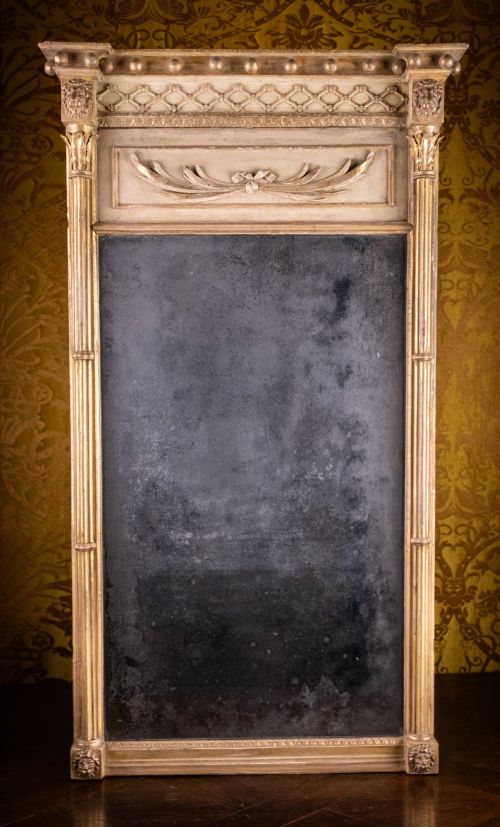
Regency pieces often display classical restraint, featuring architectural elements such as reeded mouldings, eglomisé glass panels, and giltwood frames with neoclassical motifs. The proportions tend to be balanced and geometric.
Examining the construction methods and the composition of the frame backing provides further clues to dating. Earlier nineteenth-century examples may also carry maker stamps or distinct joinery characteristics.
What is an eglomisé panel?
An eglomisé panel is a piece of glass decorated on the reverse with gold or silver leaf and painted designs. In these mirrors, it usually appears as a decorative frieze section above the primary looking glass.
This technique creates a subtle, reflective artwork integrated directly into the mirror's upper frame. It adds an extra layer of visual complexity typical of finer period decorative arts.
How do I care for antique giltwood frames?
Giltwood frames require gentle maintenance using a soft, dry brush to remove dust. Moisture and chemical cleaners should be avoided entirely to protect the delicate gold leaf and underlying gesso layers.
Placement away from direct sunlight and excessive humidity helps preserve the timber and metallic finishes. Careful handling is necessary during any relocation due to the fragile nature of traditional applied ornamentation.