

Antique Column Mirror
An antique column mirror brings architectural presence to a room through classical pilasters and framed glass.
Antique Column Mirror
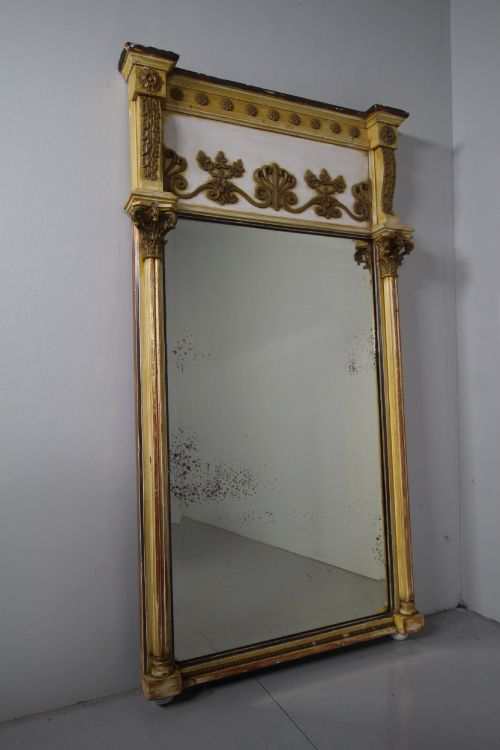
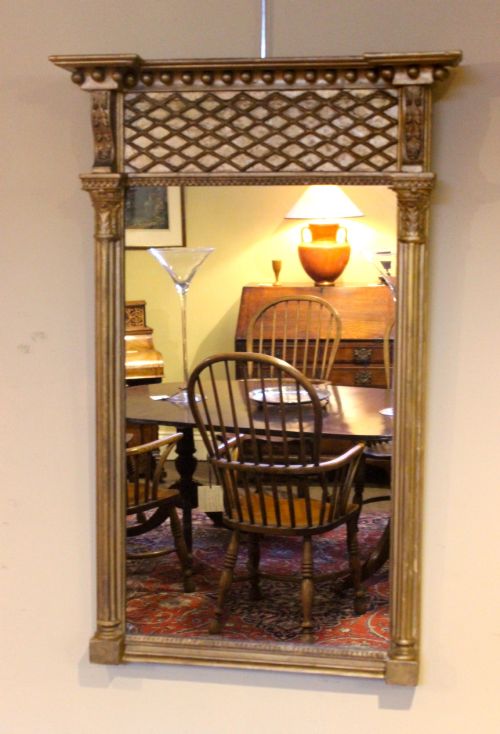
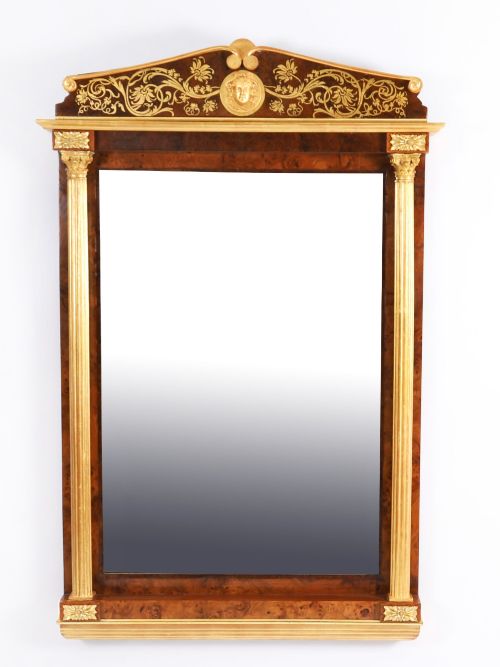
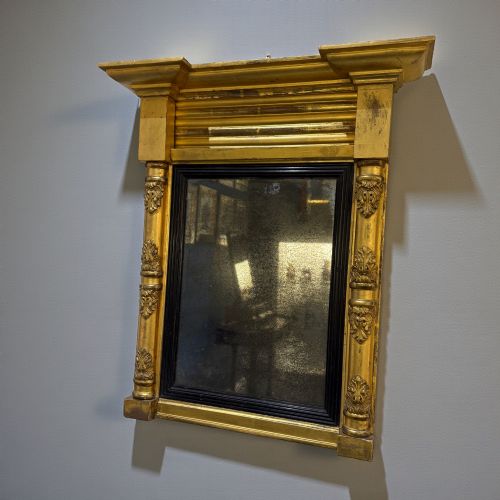
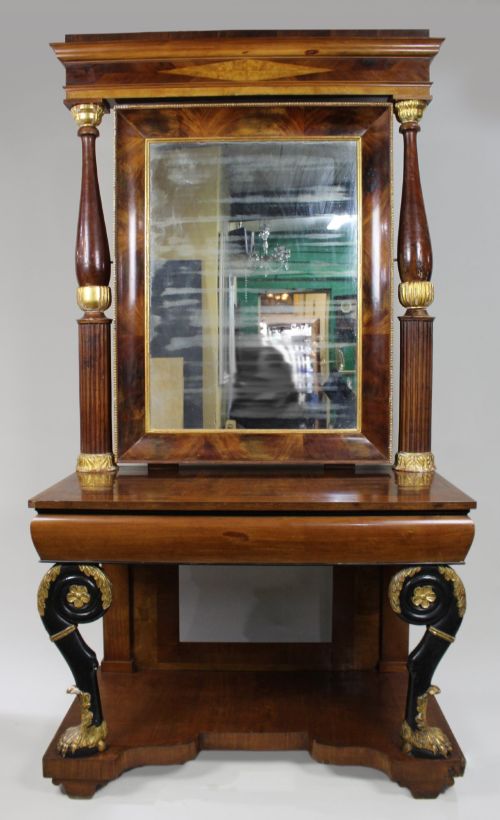
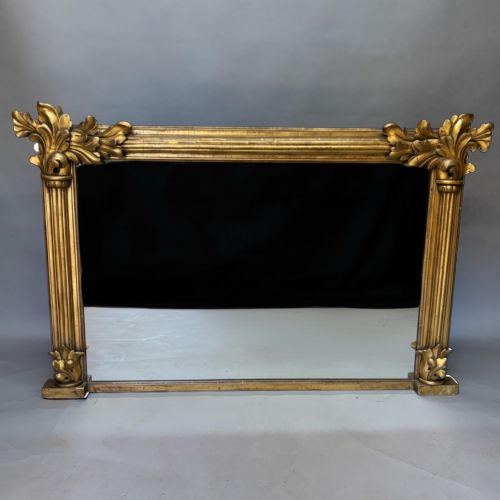
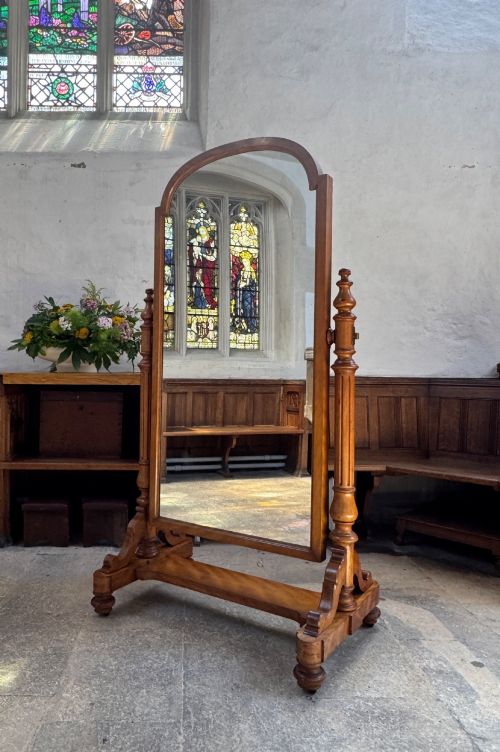
An antique column mirror encompasses large overmantel designs, pier glasses, and wall-hung pieces defined by architectural pilasters or flanking columns. These items emerged across the Regency, Victorian, and nineteenth-century periods in both English and French workshops.
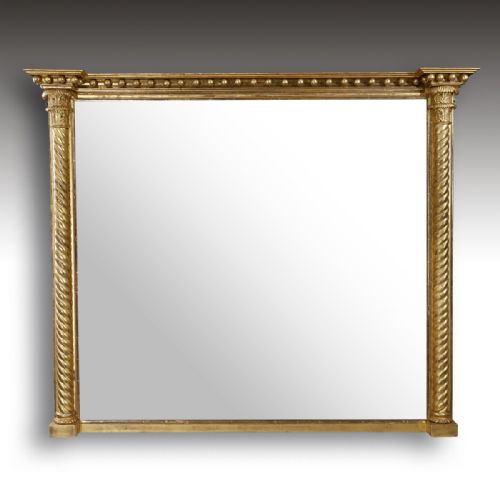
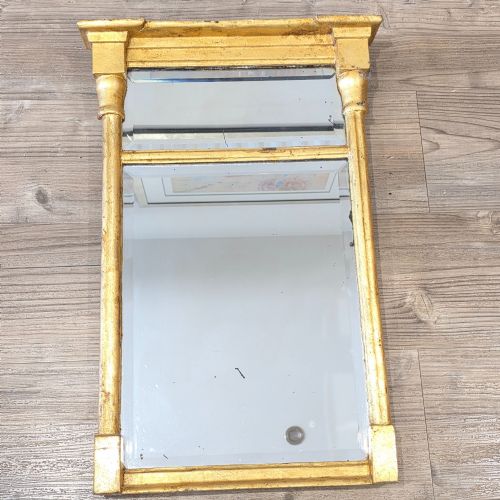
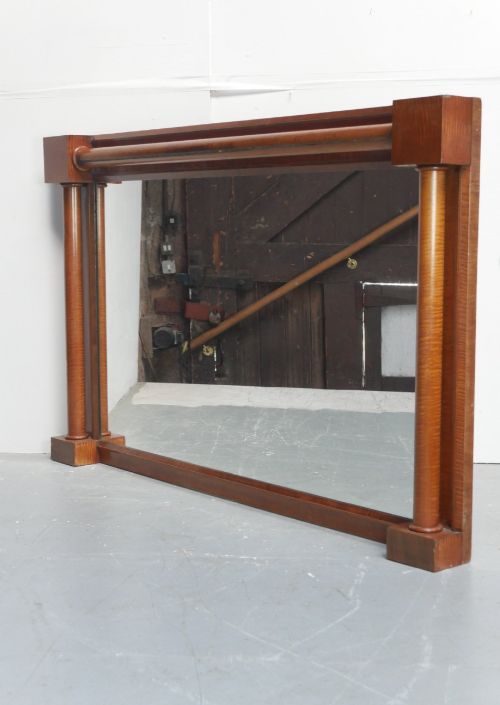
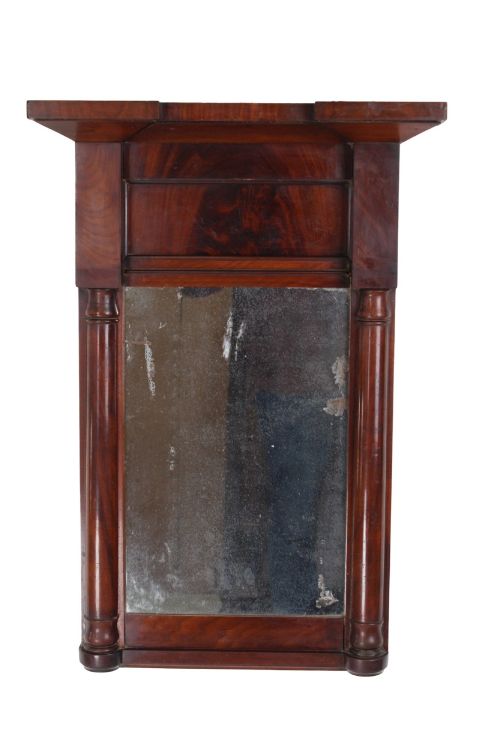
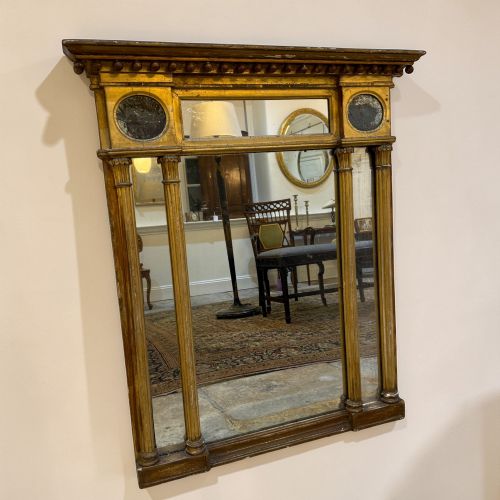
The buyer meets grand overmantel examples designed to sit above fireplace mantels alongside tall pier mirrors intended for the space between windows. Many feature architectural framing such as plain, ribbed, twist, or rope-twist columns supporting the main glass plate.
How They Were Made
Carved wood forms the structural foundation of these frames, frequently overlaid with gesso to receive intricate surface decoration and gilding or paint. Craftsmen applied gold leaf, original gilt, ebonised finishes, or distressed paint directly over the gesso layers.
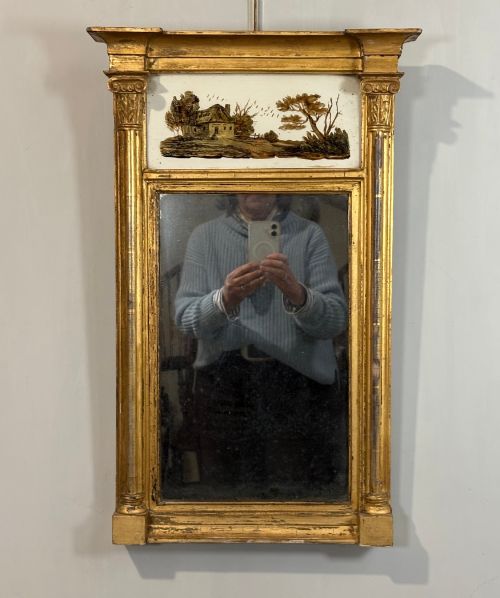
Solid woods such as oak, mahogany, walnut, and various fruitwoods also appear with polished or painted surfaces rather than gesso. Glass plates are secured within these sturdy timber and plaster constructions, occasionally accompanied by specialist elements like verre eglomise panels.
Antique Column Mirror Retail Price Guide 2026
Typical asking prices for column mirror among the pieces listed under this phrase on Sellingantiques today, from the lower quarter to the upper quarter. They describe what is for sale here now, not the wider market.
What Varies in Quality
The crispness of the carved wood and the depth of the gesso mouldings govern the visual strength of the architectural frame. Sharp, well-defined column fluting and well-preserved surface gilding or paint indicate superior original craftsmanship.
The integrity of the structural joinery and the survival of the original mirror plate or decorative panels distinguish finer examples. Original glass retaining its age alongside well-maintained framing elements holds greater cohesion than later replacement components.
The Antique Column Mirror Glossary
- Pier mirror
- A tall glass designed to hang on the narrow wall space between windows. These pieces often feature flanking columns and match nearby console tables.
- Overmantel mirror
- A wide horizontal mirror built to rest upon a mantelpiece above a fireplace. They frequently incorporate grand architectural framing, gesso decoration, and multiple plates.
- Gesso
- A plaster-like mixture applied to carved wood frames to create a smooth surface for gilding or painting. It allows craftsmen to model sharp architectural details.
- Verre eglomise
- A cold decoration technique involving painting and gilding on the reverse of glass. It appears in upper panels of antique mirrors to add decorative contrast.
- Pilaster
- A rectangular architectural column projecting from a wall or frame. In mirror design, these elements provide the structural vertical lines flanking the glass.
Antique Column Mirror: Frequently Asked Questions
Where should I hang an antique column mirror?
These pieces suit placement above a fireplace mantel or anchored to a main living room wall where their architectural framing can anchor the space.
Tall pier mirror variants function effectively between windows or along hallway walls to reflect light and create a sense of expanded depth.
How do I identify a Regency period mirror?
Regency pieces often display classical motifs, Neoclassical influences, and giltwood frames with clean architectural lines. Details such as lion masks, ebonised accents, and precise column forms frequently characterise this era.
Proportions tend to remain balanced and neat, reflecting the classical design revivals of the early nineteenth century.
What is the difference between a pier mirror and an overmantel mirror?
Pier mirrors are traditionally proportioned to fit the narrow wall spaces between architectural openings like windows or doors. Their vertical orientation emphasises height and slender framing.
Overmantel mirrors stretch wider horizontally to span the generous width of a fireplace mantel, often carrying heavier architectural cornices and multi-plate designs.
Are these frames made of solid wood?
Many examples utilise a carved wood base structure that is subsequently coated in gesso to facilitate sharp decorative mouldings and gilding. Other pieces feature exposed solid timbers like mahogany, oak, walnut, or kingwood with polished finishes.
Combination construction using pine or hardwood frames under gesso was standard practice for nineteenth-century gilders.