


Red Lacquer Table
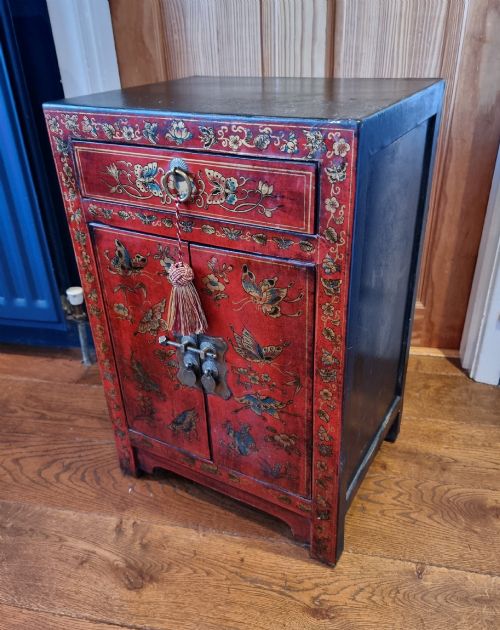
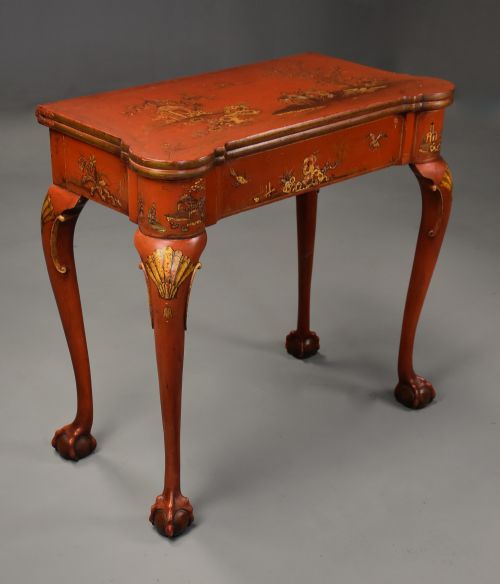
A red lacquer table brings a striking depth of scarlet pigment and gilt detail into a room, drawing on centuries of Asian and European decorative traditions.
Red Lacquer Table
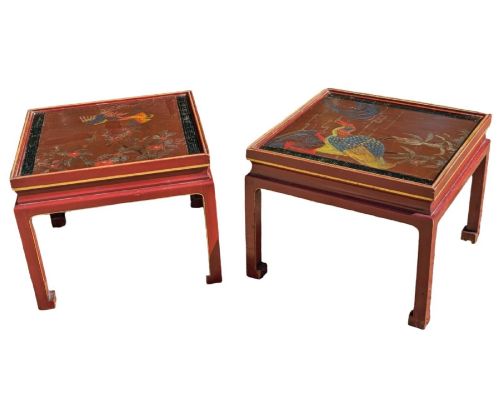
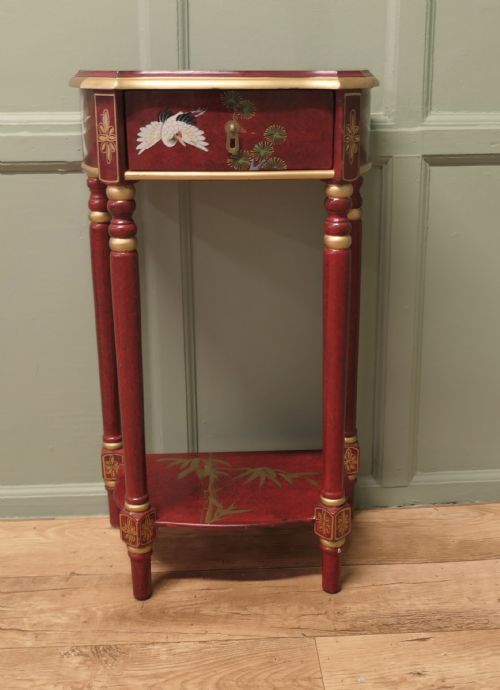
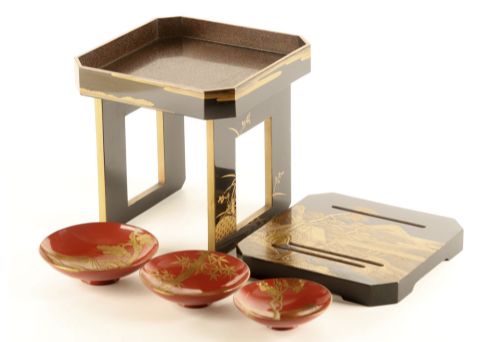
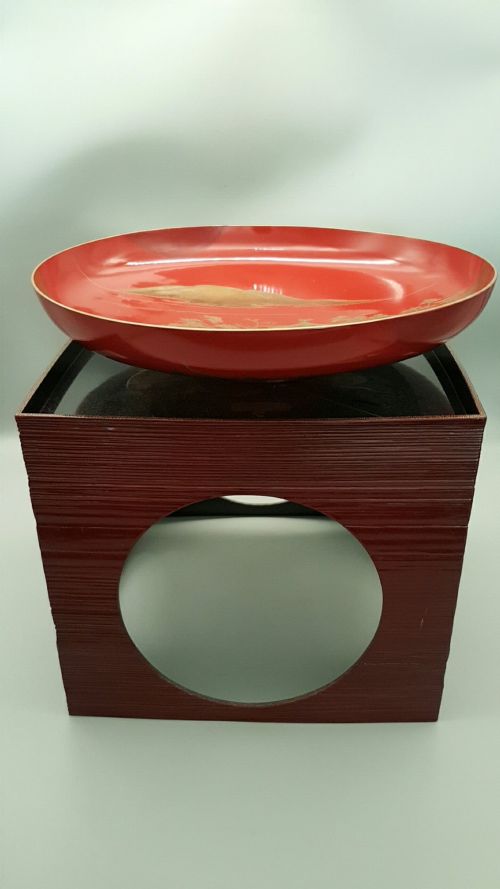
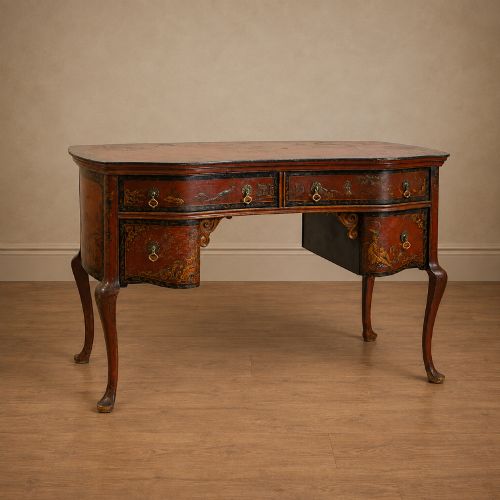
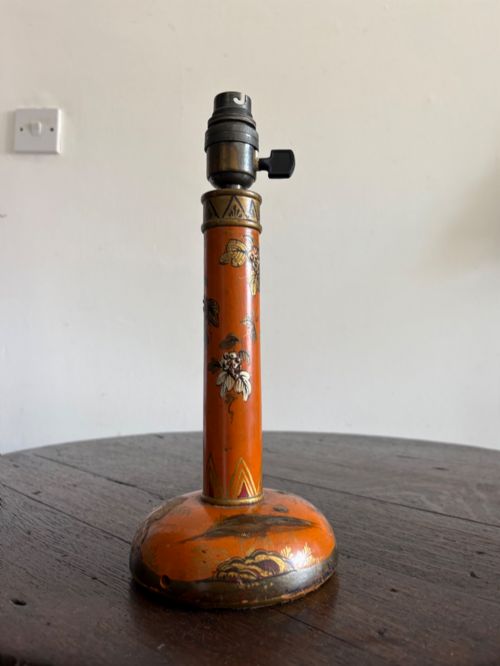
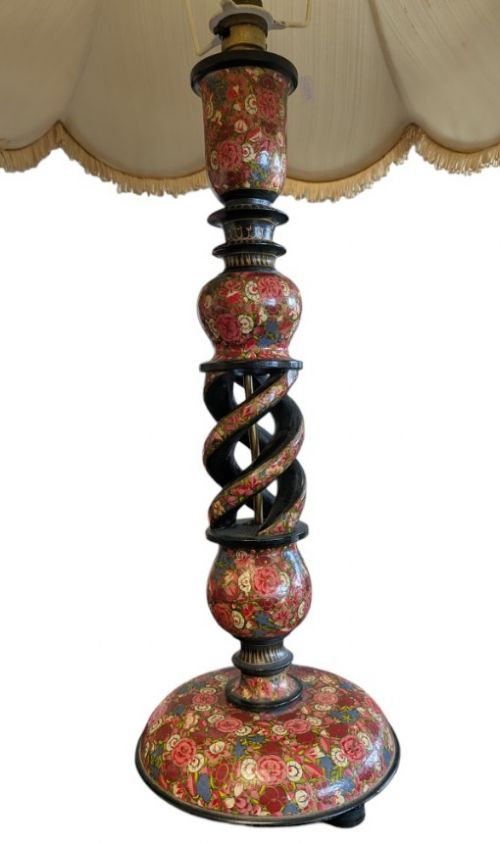
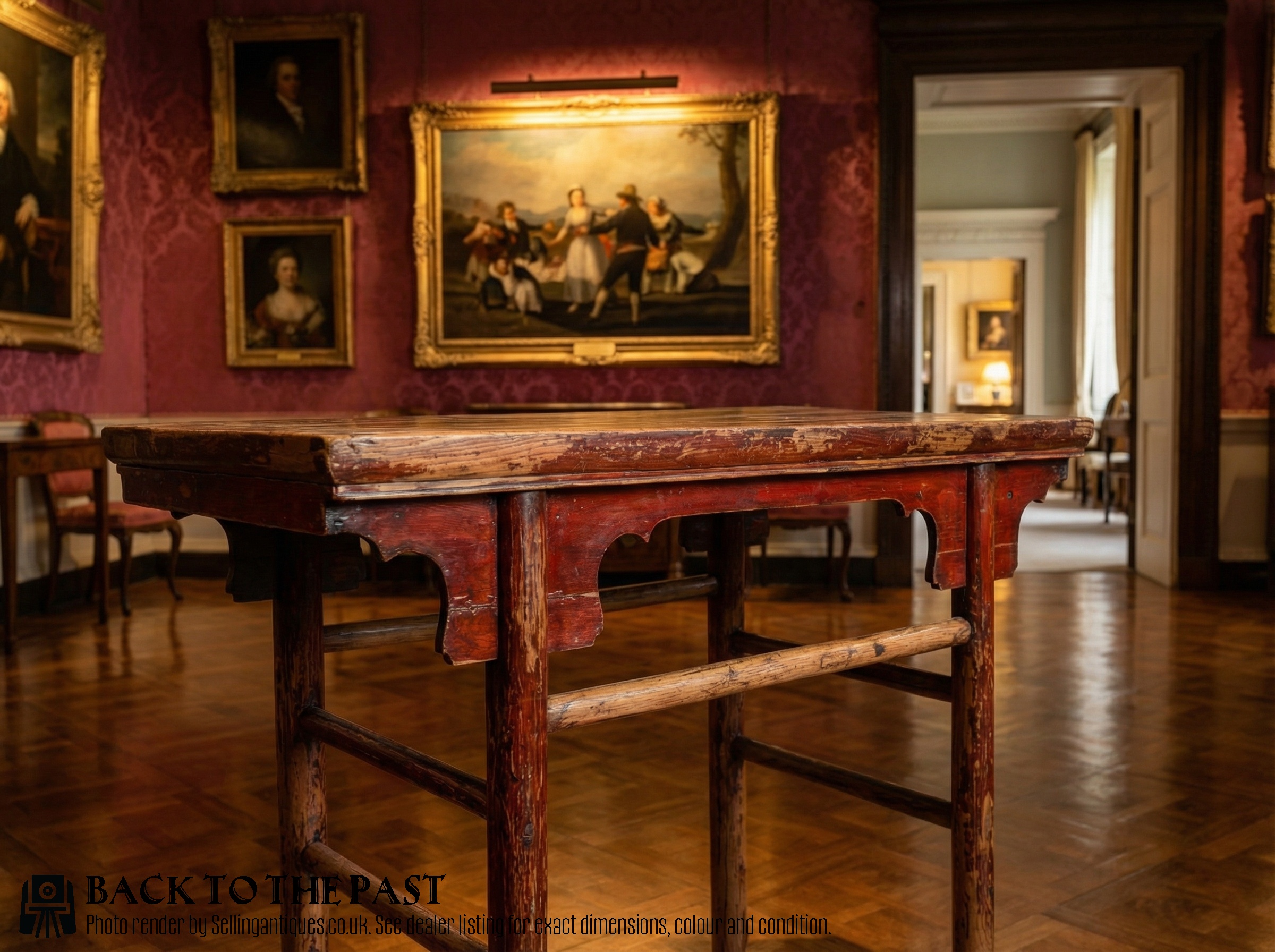
A red lacquer table encompasses a diverse range of forms, from console tables and side tables to occasional pieces and nesting sets found across this selection. Buyers searching this phrase encounter items shaped by Chinese provincial and export workshops, Japanese Meiji and Taisho periods, and British Regency and Victorian interpretations.
The assortment includes low tea tables, kidney-shaped dressing surfaces, altar tables, and occasional stands finished in rich vermilion and scarlet hues. Many examples incorporate Chinoiserie ornamentation, depicting landscapes and figures in gold leaf upon the lacquered wood base.
What varies in quality
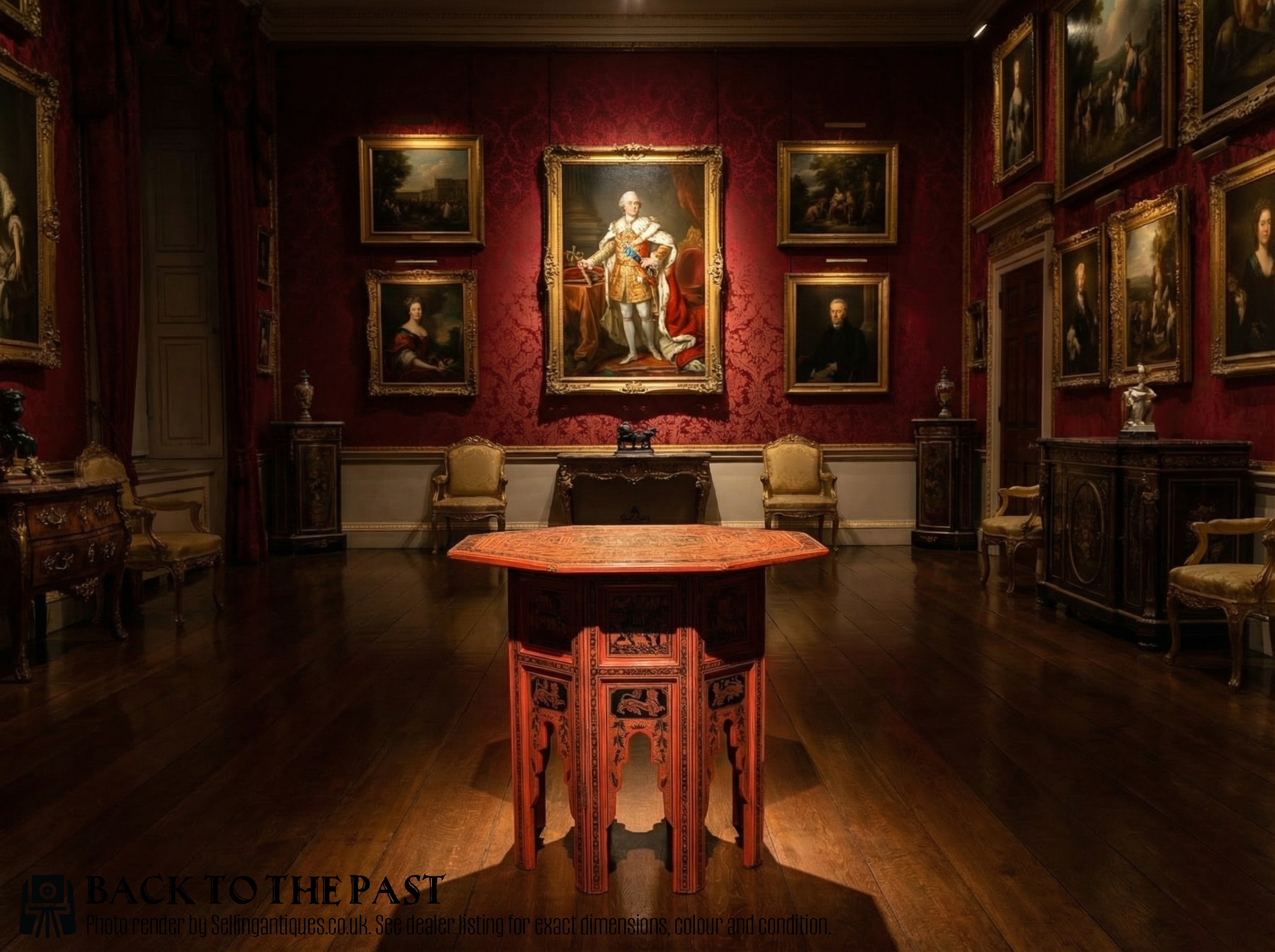
Quality rests upon the depth and durability of the lacquered surface, together with the precision of the underlying woodwork and joinery. Finer specimens display meticulous hand-painted details and well-preserved gilding that retains its luminosity across the panels.
Lesser examples show surface cracking, excessive wear to high-contact edges, or later repainting that obscures the original character. The sophistication of the Chinoiserie motifs and the integrity of the structural timber dictate the standing of individual pieces.
Listings feature items from the Regency, Victorian, and early twentieth-century periods, utilising elm, brass, and lacquered wood.
The Red Lacquer Table Glossary
- Chinoiserie
- European decorative style reflecting Chinese artistic influences, popular in furniture and lacquerwork during the eighteenth and nineteenth centuries.
- Japanned
- European imitation of East Asian lacquerwork, created by applying varnishes and metallic powders to wooden furniture bases.
- Meiji
- Japanese historical period spanning from 1868 to 1912, noted for intricate lacquer items and export crafts.
- Altar table
- Traditional long, narrow console table originating from Chinese temples and domestic halls, often featuring upturned flange ends.
- Gilt
- Application of gold leaf or gold paint to highlight carved details and surface decoration on lacquered panels.
Red Lacquer Table: Frequently Asked Questions
How do I clean a lacquer table?
Dust gently with a soft, dry cloth to prevent scratching the delicate surface layers. Avoid commercial polishes, alcohol, and excessive moisture, which can damage the traditional resin finish.
Keep the table away from direct sunlight and heat sources to prevent the lacquer from drying out or cracking over time.
Are these tables waterproof?
Traditional lacquer finishes are reasonably resistant to accidental spills if wiped away promptly. However, prolonged exposure to liquids can penetrate micro-fissures in the surface.
Use coasters and protective mats under hot cups or damp objects to preserve the integrity of the antique finish.
How can I tell age on lacquer?
Examine the wear patterns, the type of wood used in the construction, and the ageing of the underlying ground layers. Natural craquelure and subtle fading often indicate genuine antique status.
Maker marks, traditional joinery methods, and the style of the hand-painted motifs also help determine the manufacturing period.
Can I use these daily?
Most occasional tables, coffee tables, and side cabinets are sturdy enough for regular domestic use with sensible precautions. Delicate pieces such as dressing tables or nesting sets benefit from gentle placement of items.
Treating the furniture with care ensures the lacquer and gilt decoration remains intact for daily enjoyment.