




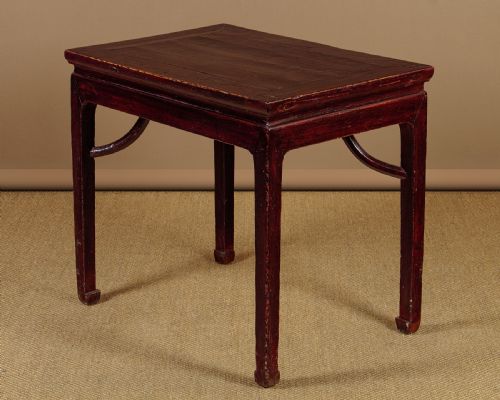
Oriental Red Lacquer Table
An oriental red lacquer table brings rich pigments and storied regional craftsmanship directly into a room.
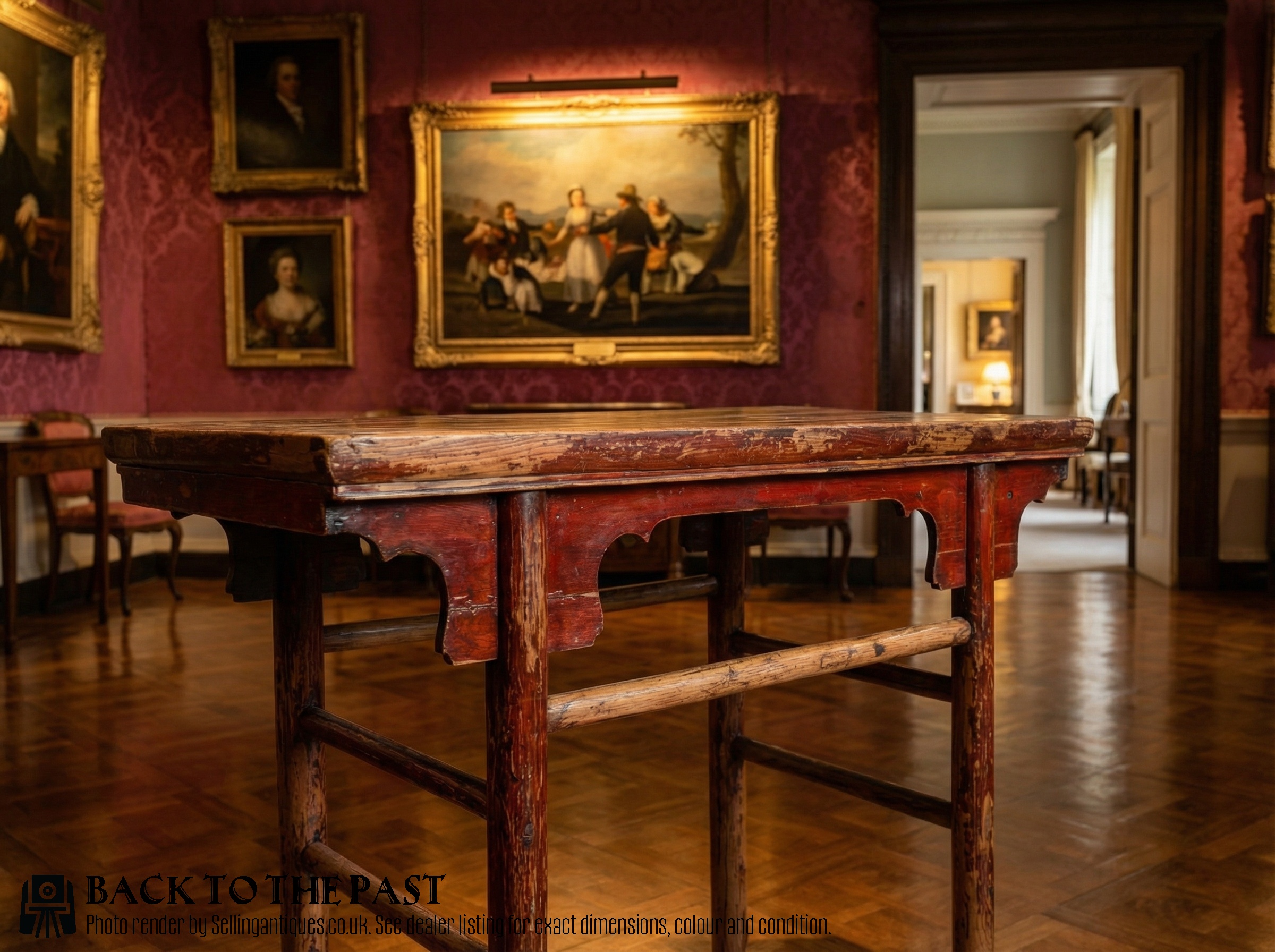
Oriental Red Lacquer Table
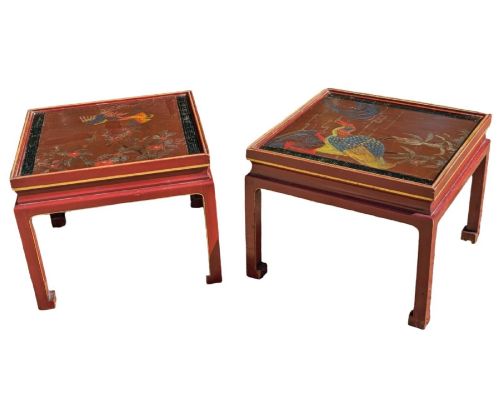
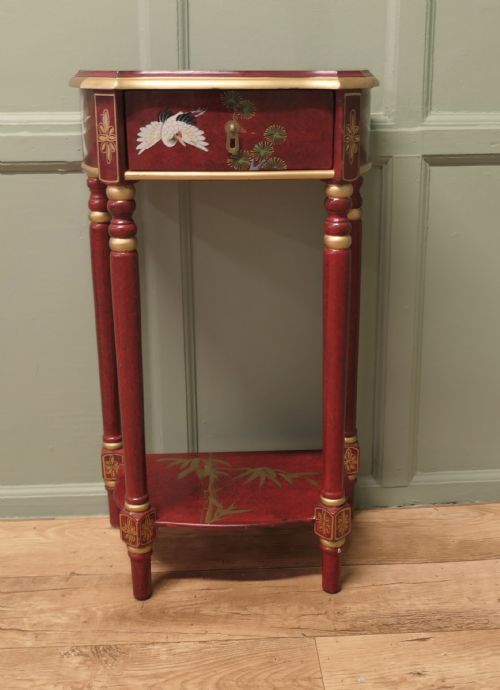
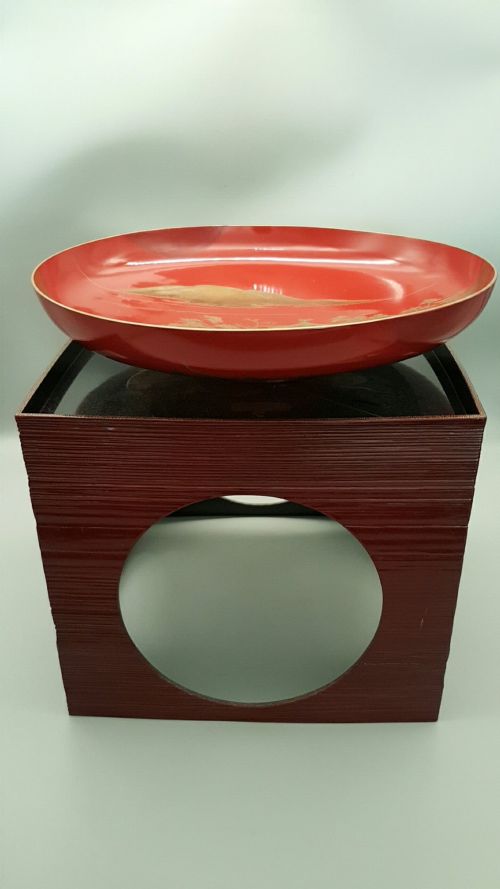
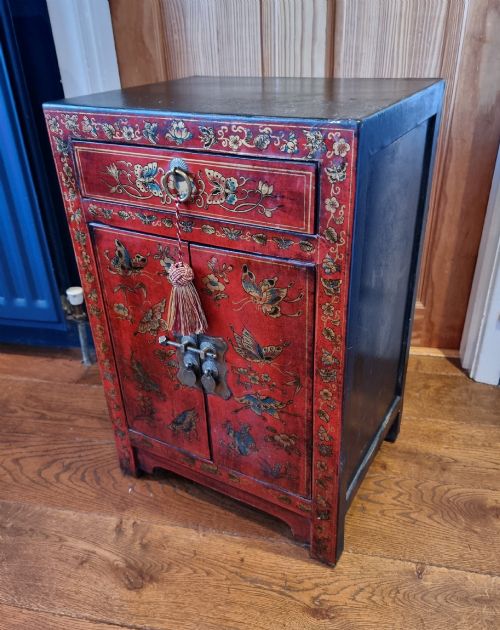
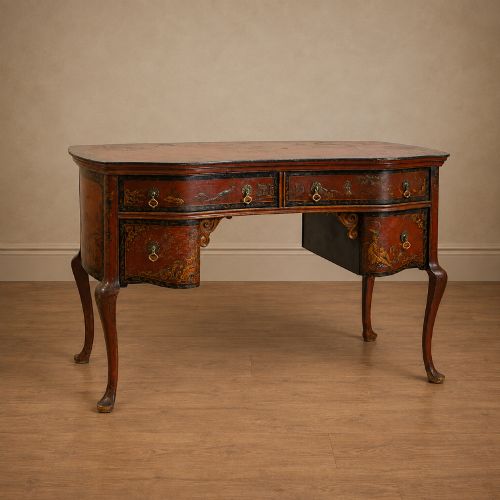
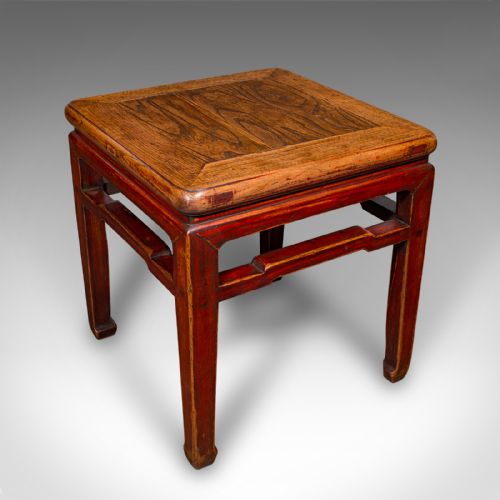
When searching for an oriental red lacquer table, buyers encounter a diverse selection of low coffee tables, altar tables, nests, console tables, and writing desks originating primarily from Chinese, Japanese, and Burmese workshops.
The pieces span periods from the Victorian era and the nineteenth century through the early twentieth century, including items styled with Chinoiserie decoration or constructed from elm and other hardwoods.
Side tables and low occasional tables dominate the selection, offering functional surfaces defined by deep red finishes and hand-painted motifs.
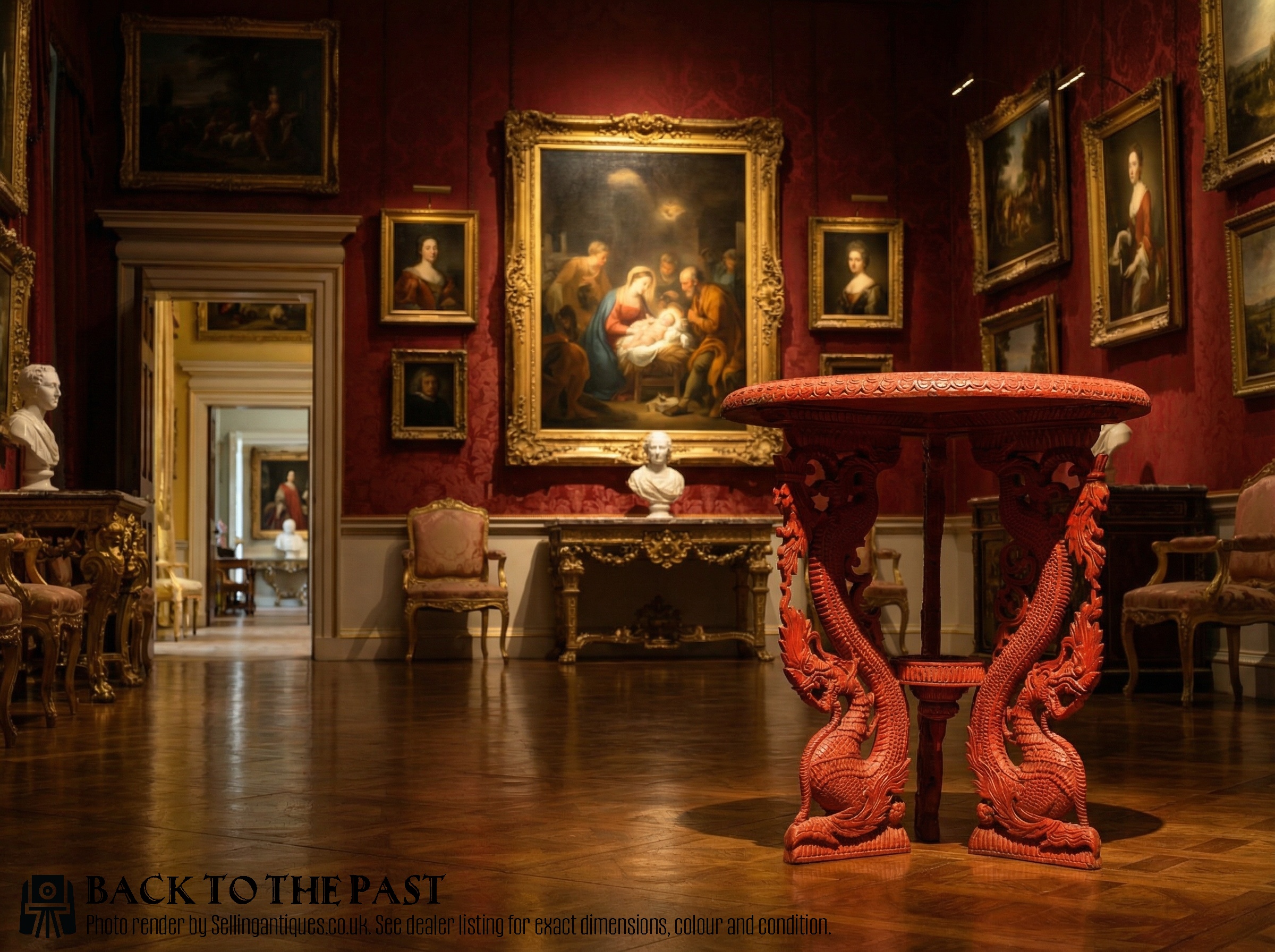
Materials and construction techniques
Craftsmen built these tables using timber bases, predominantly elm and various hardwoods, sometimes supplemented by bamboo or brass detailing.
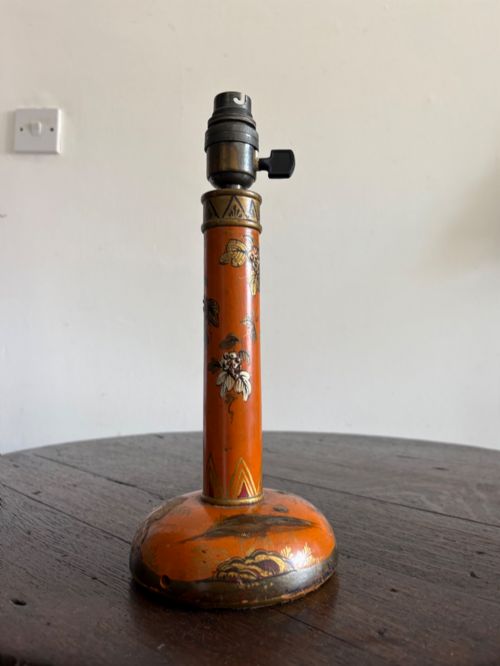
Surfaces received successive coats of lacquer, often finished with hand-painted details or gold leaf embellishments that highlight the rich red ground.
Occasional tables masquerade as temple drums, proving that eighteenth-century percussion instruments make surprisingly agreeable coffee tables.
Assessing quality in lacquer furniture
Quality rests upon the depth and durability of the lacquered surface, where master application creates a resilient, luminous finish rather than a flat painted coat.
The refinement of hand-painted decoration, the integrity of joinery in structural elements like elm frames, and the preservation of original gold leaf distinguish superior pieces.
The Oriental Red Lacquer Table Glossary
- Lacquer
- A durable resin finish applied in multiple layers to wood surfaces. It provides a hard, glossy protection that deepens in character over time.
- Chinoiserie
- European artistic interpretation of Chinese and East Asian decorative styles. This aesthetic appears frequently on nineteenth and early twentieth century English and continental furniture.
- Altar table
- A traditional Chinese table form featuring elongated rectangular proportions and often upturned ends. These pieces served ceremonial functions before finding use as decorative furniture.
- Cinnabar
- A bright scarlet mineral pigment traditionally used in fine Asian lacquerware. It creates a distinctively rich red coloration on carved panels and surfaces.
- Elm
- A resilient hardwood utilised extensively in regional Chinese furniture construction. Its visible grain provides a stable substrate for lacquer coatings.
Oriental Red Lacquer Table: Frequently Asked Questions
How do I clean an oriental red lacquer table?
Dust gently with a soft, dry microfibre cloth to remove everyday particles without scratching the delicate surface. Avoid commercial polishes, harsh solvents, or excessive moisture that might compromise the aged lacquer finish.
Keep the table away from direct sunlight and strong heat sources to prevent the wood from drying and the lacquer from cracking over time.
Are these tables suitable for daily use?
Many of these pieces, particularly low occasional tables and side tables, function well for everyday placement in a living space. Using coasters and placemats helps protect the historic surface from rings and scratches.
Heavier items like altar tables and writing desks serve admirably as focal points or display surfaces, accommodating lamps and decorative objects with ease.
How can I tell a Chinese export piece from a European Chinoiserie piece?
Chinese export items typically display indigenous construction methods, regional timbers like elm, and traditional motifs executed by Asian artisans. They reflect historical trade production geared towards Western markets.
European Chinoiserie pieces often employ local woods and reveal Western cabinetmaking techniques beneath the painted decoration, interpreting Eastern aesthetics through a domestic lens.