






Red Blue Ceramic Dish
A red blue ceramic dish brings vibrant cobalt and iron-red pigments together on porcelain, offering a striking display for any interior.
Red Blue Ceramic Dish
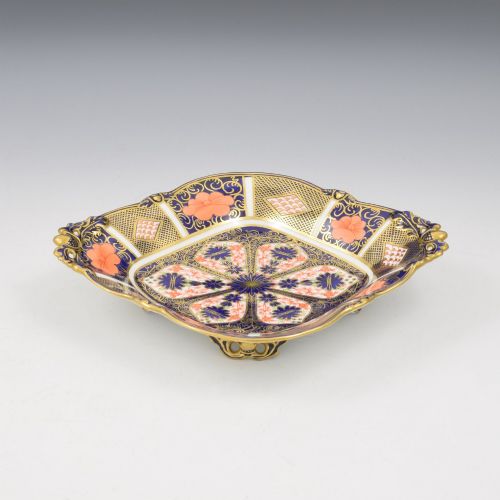
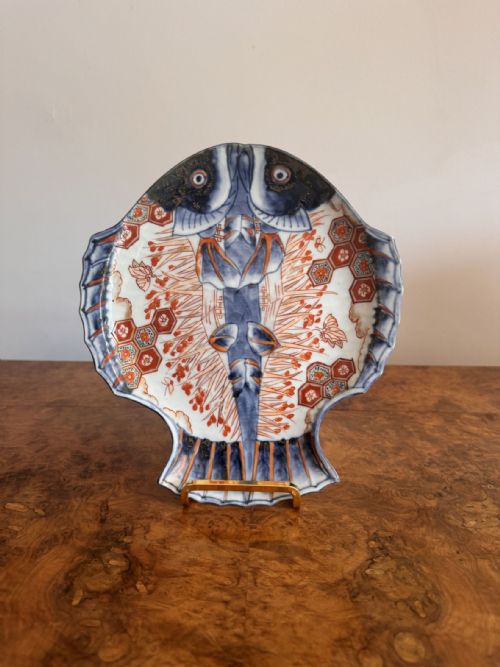
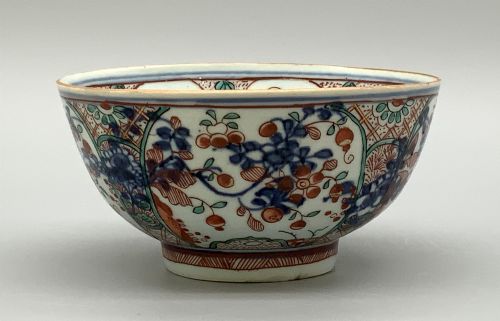
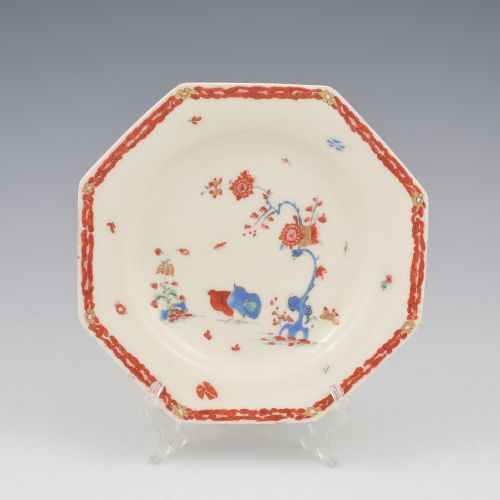
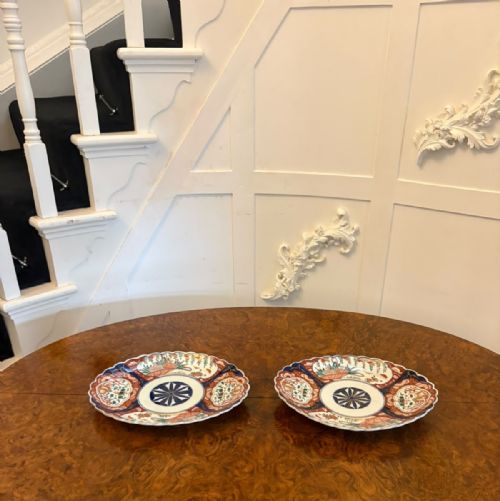
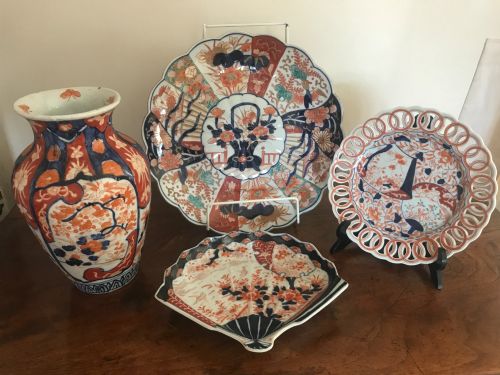
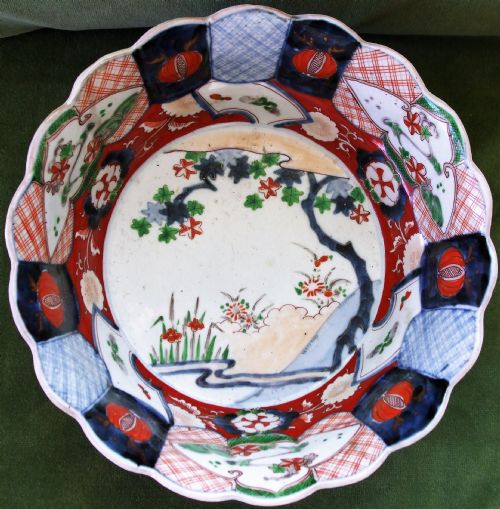
When searching for a red blue ceramic dish, buyers encounter a selection spanning the eighteenth and nineteenth centuries, alongside pieces from the early twentieth century. These items include decorative plates, chargers, bowls, and comports created for display and service.
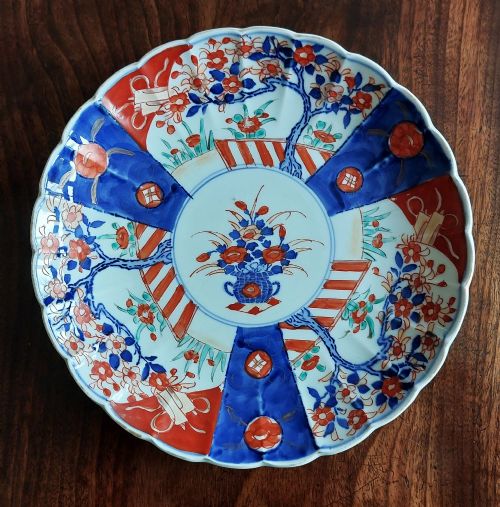
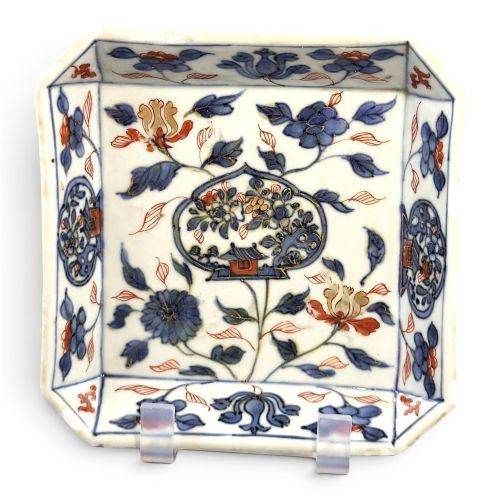
The dominant style on this page is Japanese Imari, originating from the Meiji period and the broader nineteenth century, alongside Chinese export wares from the Kangxi period. English ironstone pieces adopting similar colour schemes also appear within the Georgian grouping.
Distinguishing quality
Distinctions in the range rest upon the precision of the hand-painted floral and bird designs applied across the porcelain surface. The crispness of moulded edges, such as scalloped or chamfered rims, also separates standard items from those of exceptional execution.
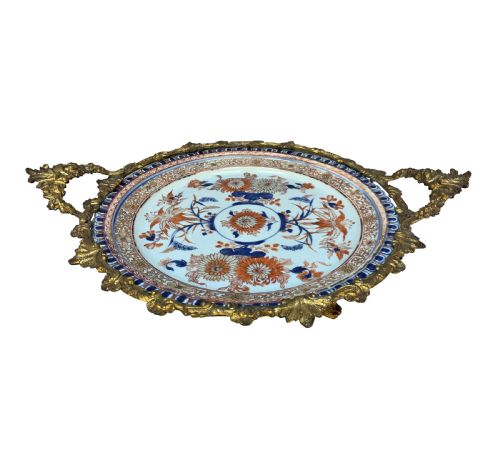
The integration of metalwork, where ormolu mounts are applied to Chinese porcelain, adds a layer of decorative complexity that influences the character of the piece.
Listings span periods from the eighteenth century through the Georgian era to the early twentieth century, focusing primarily on Japanese Imari and Chinese export porcelain.
The Red Blue Ceramic Dish Glossary
- Imari
- A style of Japanese porcelain featuring a distinct palette of underglaze blue and iron-red, often accented with gold. This aesthetic heavily influences the pieces found in this category.
- Charger
- A large decorative plate utilised historically for service or display on walls and sideboards. These items often showcase intricate bird and floral compositions.
- Comport
- A raised dish or bowl designed for presenting fruit or sweetmeats at table. Examples in this category include both low and footed variants in ironstone.
- Ormolu
- Gilded bronze used for decorative mounts on porcelain vessels. It provides a formal architectural border to ceramic bowls and plates.
- Kangxi
- A period of Chinese imperial rule associated with fine export porcelain. Wares from this era display specific cobalt tones and refined potting techniques.
Red Blue Ceramic Dish: Frequently Asked Questions
How do I display a large charger?
Large chargers work well mounted on walls using secure plate hangers or supported safely on sturdy plate stands atop sideboards.
Their substantial diameters and colourful patterns make them effective focal points in a dining room or hallway.
What is Japanese Imari porcelain?
Japanese Imari refers to wares produced in Arita and exported from the port of Imari, known for iron-red and cobalt-blue decoration.
Parks of gold are frequently added over the glaze to catch the light and enrich the floral motifs.
Are these dishes suitable for daily dining?
While structurally robust, antique porcelain and ironstone dishes from the eighteenth and nineteenth centuries are generally preserved for display.
Hand-painted glazes and potential gilt accents benefit from gentle care rather than regular use.
How can I tell Meiji period pieces apart?
Meiji period items, dating from the late nineteenth and early twentieth centuries, often exhibit dense hand-painted bird and floral arrangements.
Comparing the potting weight and the intensity of the underglaze blue helps distinguish them from earlier export wares.